




3 Tips to Protect Your Heavy-Duty Truck Tires from Summer Heat
The Maintenance Checks Trucking Fleets Should Prioritize Before Fall Freight Picks Up
Making it through August isn’t the same as being ready for the next several months of operation. Find out what systems may have suffered from summer heat and need to be checked out before fall.
by Mike Hagaman, Cox Fleet
September 2, 2026
A battery weakened by summer heat, a cooling system that’s been working overtime, or a truck approaching a service interval can quickly become a much bigger operational problem during peak season.
Credit:
HDT
9 min to read
- Pre-fall maintenance is critical for fleets to address potential wear from summer conditions, ensuring vehicles are road-ready for increased freight demands.
- A key risk area is the summer strain on batteries and cooling systems, which can lead to major operational issues during busy seasons if not checked.
- Downtime costs for trucks are significant, with daylong disruptions costing between $1,500 to $2,700 depending on fleet size, largely due to lost revenue.
*Summarized by AI
Summer may be winding down on the calendar, but fleets aren’t finished managing its impact. Months of extreme heat, high mileage, and heavy utilization can leave behind wear that isn’t immediately obvious.
That’s what makes the transition into Fall an important maintenance window. As freight volumes pick up and vehicles spend more time on the road, fleets have less flexibility to pull trucks out of service.
A battery weakened by summer heat, a cooling system that’s been working overtime, or a truck approaching a service interval can quickly become a much bigger operational problem during peak season.
The cost of having a truck sidelined adds up quickly. Fleets in Cox Automotive's proprietary fleet research put the cost of pulling a single heavy-duty vehicle out of service for 24 hours at roughly $1,500 to $1,650 for small and medium fleets, and $2,200 to $2,700 for large fleets.
Asked why downtime is so hard to manage, half point to the same thing: lost revenue from vehicles sitting.
Reviewing maintenance records, addressing wear, and completing preventive maintenance before fall picks up can help fleets reduce unexpected downtime and enter peak season with more reliable equipment.
Why Late Summer Is One of the Most Important Maintenance Windows of the Year
Fall is an outstanding time to perform maintenance. Mild daytime and nighttime temperatures create favorable operating conditions, and trucks that struggled through months of summer heat may appear to be performing well again.
But improved operating conditions don’t erase the wear that accumulated over the summer. In some cases, they can make developing maintenance issues easier to overlook.
Heat-related wear doesn’t always result in an immediate breakdown. Hoses weaken, batteries lose capacity, tires accumulate wear, and fluids reach service intervals over time. A truck can continue running while those smaller issues develop beneath the surface.
Making it through August isn’t the same as being ready for the next several months of operation.
Where Do I Start?
Maintenance history can help fleets determine where to look first. Reviewing preventive maintenance records alongside summer roadside events and recurring repairs can help identify which vehicles or systems required more attention than expected throughout the summer.
A truck that experienced repeated cooling system issues, abnormal tire wear, or the same repair more than once may deserve a closer look before it enters another demanding operating period.
A pattern of recurring issues not only indicates that a vehicle needs additional attention before fall, but it can also point to a larger gap in a fleet’s preventive maintenance program, whether that’s an inspection interval that needs to change or a component that deserves more attention during routine service.
Finding issues now gives maintenance teams an opportunity to address them during scheduled service rather than on the side of the road. As freight volumes increase, that distinction becomes even more important.
Planned maintenance can be scheduled around operations, but an unexpected failure can’t.
The Maintenance Items That Deserve a Second Look Before Fall
Vehicles inspected at the beginning of summer have now spent months operating in high temperatures, accumulating mileage and adding hours to components. The systems that worked hardest during that period deserve another look before fall.
Cooling systems are one place to start. Coolant levels, hoses, belts, radiators, and airflow should be checked for issues that developed over the summer. Dirt and road debris can restrict airflow, while months of heat can expose weaknesses in hoses, belts, and other cooling system components.
Telematics should be carrying part of that watch. Coolant temperature trends, fan clutch behavior, and heat-related diagnostic trouble codes can surface a developing problem days before a driver feels it. A coolant temp that climbs a little higher on the same grade every afternoon is a story worth reading.
Tires have been through their own stress cycle. Hot pavement, heavy loads, and thousands of additional miles make inflation, tread condition, and wear patterns worth reviewing again. An abnormal wear pattern can also tell a maintenance team more than simply whether a tire needs to be replaced. It may point to an alignment, suspension, or inflation issue that needs to be corrected before the truck returns to heavier use.
Visual yard inspections shouldn’t be overlooked either. Something as simple as a screw or nail lodged in a tire may not have caused an immediate failure during summer operations, but it can be an unexpected roadside delay waiting to happen. Finding it in the yard gives the maintenance team an opportunity to address it before the vehicle returns to service.
Battery health deserves particular attention during the transition into fall. While battery failures are often associated with colder temperatures, the damage that ultimately causes those failures can begin months earlier during extreme summer heat.
Heat accelerates internal battery wear, but the damage accumulated during summer may not become obvious until temperatures begin to drop. A battery that started the truck without an issue throughout August isn’t necessarily ready for cooler fall mornings.
Load testing and charging system inspections can help identify weakening batteries before they become no-start events.
Fluids and filtersshould be checked against service intervals, particularly for high-utilization trucks that accumulated significant mileage over the summer.
Where a fleet operates should also be taken into consideration. Vehicles regularly operating in extreme-heat markets such as Arizona, Nevada, or Texas may benefit from fluid, belt, and hose changes ahead of OEM-recommended intervals based on operating conditions. Addressing that wear during scheduled maintenance can be far less disruptive than an unscheduled roadside delay.
Drivers can help fill in the gaps between scheduled inspections. A truck may technically still be operating normally while the person driving it every day notices that it’s taking longer to start, running warmer than usual, pulling slightly to one side, or braking differently.
Wiper motors, blades, and windshield washer components may see limited use when vehicles spend much of the summer operating in areas with little precipitation. Discovering that a wiper or washer system isn’t functioning properly when weather conditions suddenly change creates an avoidable safety and maintenance issue. Checking those systems before fall weather arrives can help prevent that surprise on the road.
Those observations may seem small, but they’re often exactly the kind of information maintenance teams need to investigate an issue before it becomes a roadside event.
Preparing Trucks and Operations for Peak Season
Getting the truck mechanically ready is only part of preparing for fall. Fleets also need a plan for completing maintenance without creating the downtime they’re trying to prevent.
As fall freight volumes increase, fleets have less room to pull vehicles out of service, which makes prioritization important. Trucks approaching PM intervals, high-utilization assets, and vehicles with repeat repair histories should be identified before demand picks up.
A repair that was pushed back earlier in the year may become much harder to accommodate once the truck is running more frequently. Route and workload changes should also factor into maintenance planning. A vehicle moving to a different region, terrain, or duty cycle may be asked to operate under conditions it didn’t encounter during the summer.
Maintenance schedules and inspections should reflect how the vehicle will actually be used, not just what the calendar says is due.
Parts and shop capacity are another consideration. Waiting until freight volumes increase to schedule known maintenance can leave fleets competing for service availability just as they have the least flexibility to lose a truck.
Operational demands should never override a maintenance decision that takes a vehicle out of service. During busy periods, the pressure to meet delivery schedules or customer commitments can lead to equipment that has been red-tagged or designated out of service being put back into operation without maintenance approval.
Fleets should strictly enforce red-tag and out-of-service policies. Uptime matters, but it should never come at the expense of safety.
What Summer Can Teach Fleets About Year-Round Reliability
Summer also leaves fleets with months of maintenance and roadside data that shouldn’t disappear into closed repair tickets. When reviewed collectively, they can show where preventative maintenance programs are working and where changes may be needed.
If the same failure happened repeatedly, that’s worth investigating. If one asset class generated more roadside calls than another, there may be a reason. If several trucks needed the same repair earlier than expected, the current PM interval may not match how those vehicles are actually operated.
Roadside events are especially useful here. Failure codes, asset history, repair categories, inspection records, and driver reports can show patterns that aren’t obvious when each breakdown is treated as an isolated event. Looking at those events collectively can help fleets determine whether an inspection needs another step, an interval needs to change, or certain vehicles need closer monitoring.
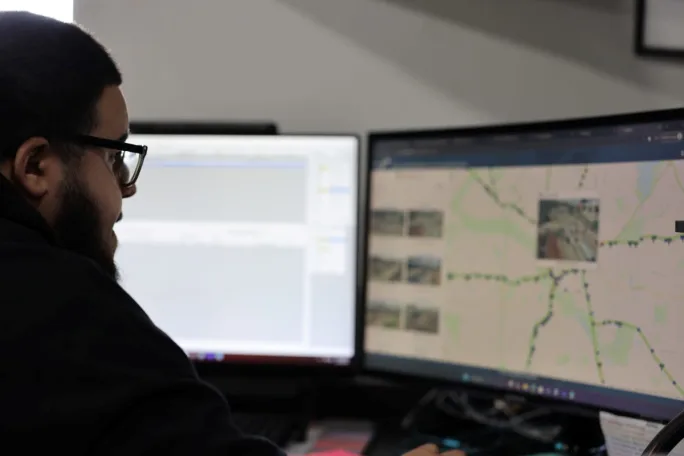
Summer maintenance data can also inform decisions that extend beyond the next PM cycle.
Credit:
Cox Fleet
The same data can show what’s working. Trucks that maintained strong uptime despite high mileage and demanding summer conditions give fleets another benchmark. What was different about their PM history, inspection consistency or repair patterns?
Summer maintenance data can also inform decisions that extend beyond the next PM cycle. Historical maintenance issues should help shape fall maintenance action plans, but recurring patterns may also reveal opportunities to update vehicle specifications for future equipment purchases.
If a particular component or configuration repeatedly struggles under the conditions a fleet operates in, that history can help inform what the fleet specs differently the next time it acquires equipment.
Preventive maintenance becomes more valuable when each season informs the next. What happened during summer should influence what fleets inspect, prioritize, and plan for in the fall, and those lessons should continue building throughout the year.
Strong Fall Performance Begins Before Summer Ends
By the time peak season arrives, fleets want trucks moving freight, not catching up on maintenance that could have been handled weeks earlier.
Late summer gives maintenance teams a chance to look at what vehicles have already been through, identify where wear is developing, and address the repairs most likely to create problems later.
It also gives fleet managers time to work maintenance around operations rather than trying to fit repairs into schedules after demand has already increased.
Not every roadside failure can be prevented. But reviewing what summer revealed and acting on it before fall freight picks up can put fleets in a much better position to keep trucks on the road when they’re needed most.

About the author: Mike Hagaman is senior manager, client relationship management, with Cox Fleet. With more than 30 years of experience in the fleet and maintenance industry, he works to help clients operate more safely and efficiently. Hagaman analyzes customer-collected data to deliver key insights that drive uptime, reduce roadside events, and lower total cost of ownership.
This article was authored and edited according to Heavy Duty Trucking’s editorial standards and style to provide useful information to our readers. Opinions expressed may not reflect those of HDT.
Subscribe to Our Newsletter
More Maintenance
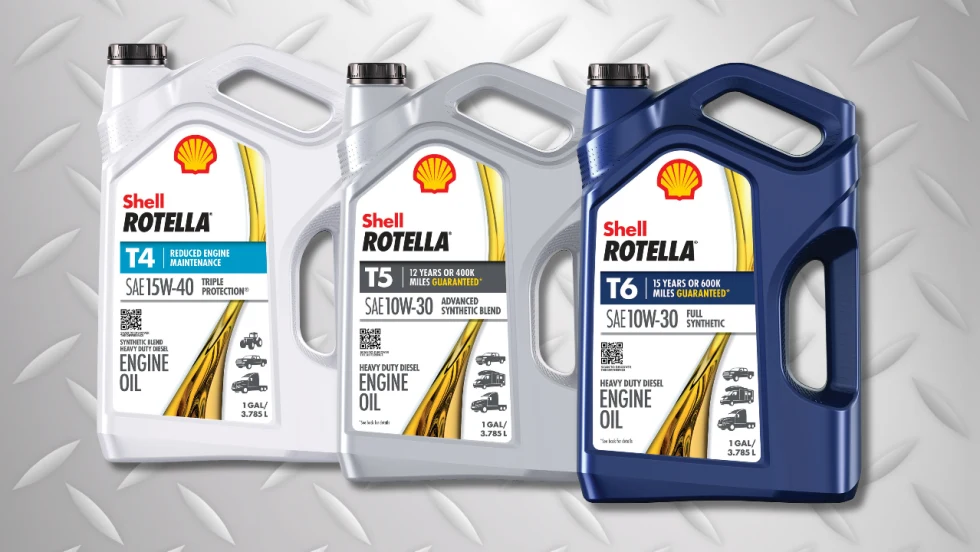
Shell Prepares Rotella Oils for 2027
New CL-4 and FB-4 formulations will begin arriving in early 2027, with improved protection against oil breakdown, wear and deposits, according to Shell.
Read More →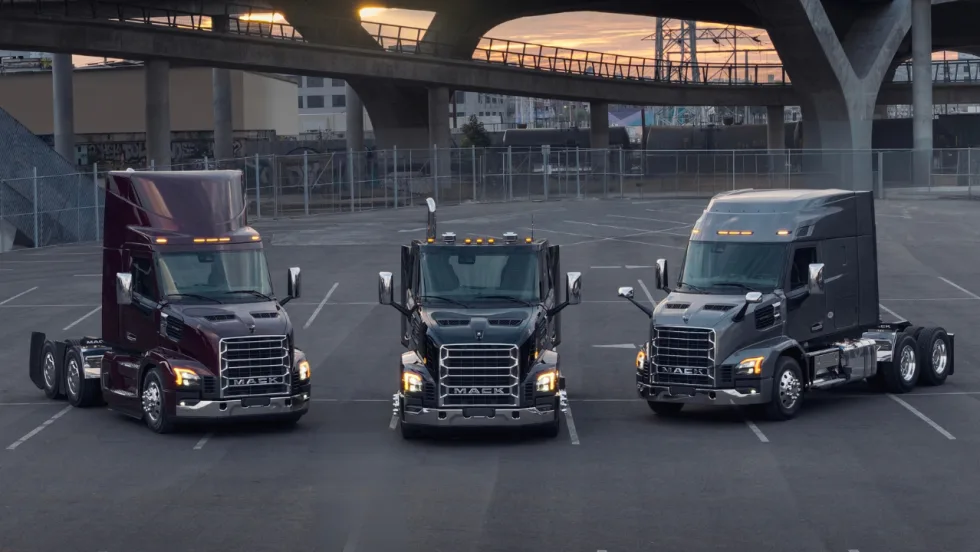
Mack Expands Extended Coverage With Four Chassis System Plans
Mack Trucks' new system-specific coverage options allow heavy-duty fleets to select protection for driveline, cab, HVAC, electronics, and advanced safety components.
Read More →
What an Out-of-Service Order Really Costs, and How to Plan for One
The repair invoice is the first number you see — and often one of the smallest. Here’s what else an out-of-service order can cost a fleet, and how planning can reduce the damage.
Read More →

International Launches Online Truck Parts Store
Fleetrite.com lets fleets and repair shops find OEM and all-makes parts, check prices and availability, and order without calling a parts counter.
Read More →
Continental Introduces New Regional Truck Tires
Continental says its new Generation 5 steer and drive tires for regional operations offer longer tread life, with estimated mileage gains of 22% and 19%, respectively.
Read More →
Sponsored•October 1, 2026
How AI Can Help Your Techs’ Efficiency
The technician shortage isn't going away, and no single fix can close the gap on its own. Trent Broberg makes the case that AI's real job in the shop is protecting the billable hours and job satisfaction of the techs you already have, not asking them to work faster.
Read More →
Wrong Repair Prompts Recall of Freightliner, Western Star 4x2 Trucks
DTNA is recalling more than 2,400 trucks that received an incompatible software fix instead of the hardware repair required to address brake valve corrosion.
Read More →
Truck Drivers Need More Than Another Alert
Fleets have more visibility into truck health, safety events, and driver activity than ever. The next challenge is turning all that information into useful guidance for the person who has to decide what to do next.
Read More →
What Three Fleets Are Doing Differently When Buying Truck Parts in 2026
With freight improving but costs still climbing, fleet maintenance executives explain how they're balancing price, quality, and supplier relationships.
Read More →
Paccar Recalls 2027 Trucks Built This Summer for Possible Electrical Problem
The nearly 6,000 Kenworth and Peterbilt trucks in the recall could potentially lose engine power, among other things.
Read More →