





How Low-Phosphorus, Low-Ash Oil Can Improve Truck Reliability
Shell Prepares Rotella Oils for 2027
New CL-4 and FB-4 formulations will begin arriving in early 2027, with improved protection against oil breakdown, wear and deposits, according to Shell.
October 16, 2026
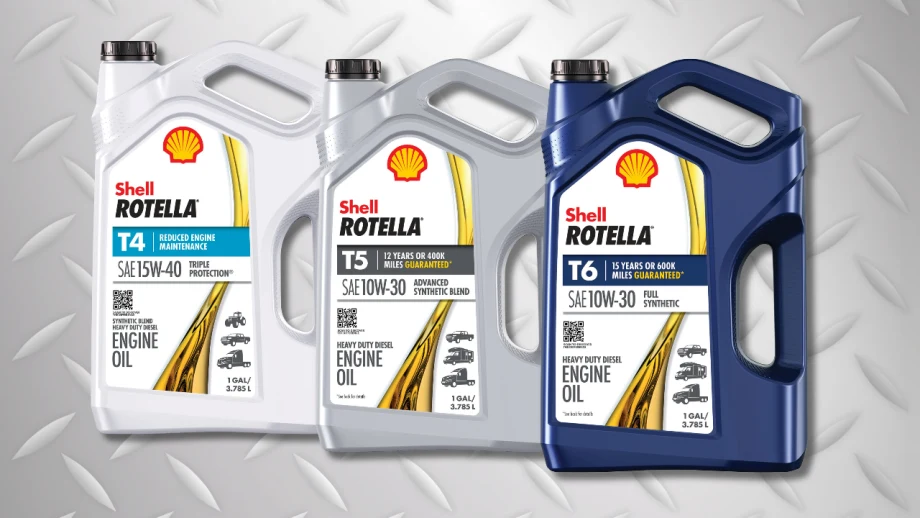
The updated additive systems in Shell Rotella's new engine oils are designed to slow oxidation — the chemical changes that cause oil to deteriorate — while controlling deposits and protecting engine components from wear.
Credit:
HDT | Shell
3 min to read
Shell plans to introduce updated Rotella heavy-duty diesel engine oils beginning in early 2027 to meet the new API CL-4 and FB-4 specifications, with formulations intended to protect both existing equipment and the next generation of diesel engines.
The rollout will coincide with the American Petroleum Institute’s January 1, 2027, first licensing date for the new categories. Products will be introduced in phases, so availability will vary.
For fleets, an important distinction is which engines can use each category.
- CL-4 succeeds CK-4 and is backward compatible with CK-4 applications.
- FB-4 succeeds FA-4 and covers lower-viscosity oils intended for engines designed to use them.
The two categories were developed under the industry’s PC-12 program. They address demands such as higher engine operating temperatures and pressures, along with the need to protect emissions aftertreatment systems.
“Today’s diesel engines place increasingly complex demands on engine oil, including higher operating temperatures and pressures and more sophisticated emissions aftertreatment systems,” said Karin Haumann, OEM technical manager for Shell Global Solutions.
What’s Changing in Rotella Oils
Shell highlighted three formulations and their performance:
- Rotella T4 15W-40: Shell reports 58% stronger deposit control than its previous CK-4 Rotella T4 15W-40 formulation.
- Rotella T5 10W-30: Shell says the formulation exceeds the API CL-4 oxidation and breakdown requirement by more than 90%, based on the T-13 oxidation test.
- Rotella T6 10W-30: Shell reports an average of 66% more wear protection and 85% stronger resistance to deposits compared with API CL-4 requirements.
Those figures use different comparisons: T4 is compared with a previous formulation, while T5 and T6 are compared with performance requirements.
The updated additive systems are designed to slow oxidation — the chemical changes that cause oil to deteriorate — while controlling deposits and protecting engine components against wear. They also support the durability of diesel particulate filters and selective catalytic reduction systems, according to Shell.
From Lab Tests to Fleet Trials
Shell says its development program combines thousands of hours of laboratory testing with millions of miles of fleet trials.
Early testing screens combinations of base oils and additives for oxidation control, wear protection and deposit control. Promising formulations then move into running engines in the laboratory, where researchers can control engine speed, load, temperature and fuel flow.
Industry engine tests accelerate the stresses that oils encounter in service, evaluating oil breakdown, soot handling, wear and deposits.
Field trials add conditions that are harder to reproduce in a laboratory, including long-haul routes, stop-and-go traffic, changing loads and weather, and off-road operation.
For its T6 formulation, Shell also points to performance exceeding oil breakdown limits in a 600-hour OM471 engine test.
Preparing the Shop for New Oils
In its supporting guidance, Shell recommends fleets begin discussing the transition with lubricant suppliers during 2026.
Preparation includes reviewing oil inventories, planning bulk-tank cleaning and labeling, updating dispensing systems, and training technicians on the new categories and their applications.
CL-4’s backward compatibility offers a path for fleets operating both older and newer equipment. Fleets considering lower-viscosity FB-4 oils should confirm the category and viscosity their engine manufacturers require.
Shell says the new categories are designed to support longer oil drain intervals. Its announcement does not specify new drain intervals for the Rotella products.
Rotella Warranty Coverage Expands
Shell also announced longer warranty coverage for its synthetic blend and full synthetic products with the introduction of the new oils:
- T4 Triple Protection: Remains at up to 10 years or 300,000 miles.
- T5 Advanced Synthetic Blend: Increases from up to 10 years or 300,000 miles to 12 years or 400,000 miles.
- T6 Full Synthetic: Increases from up to 15 years or 500,000 miles to 15 years or 600,000 miles.
More Maintenance
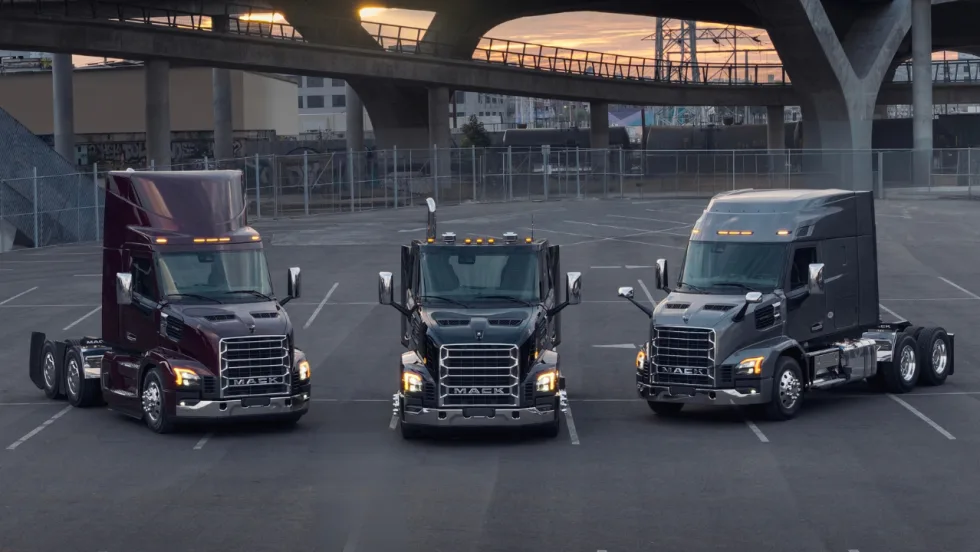
Mack Expands Extended Coverage With Four Chassis System Plans
Mack Trucks' new system-specific coverage options allow heavy-duty fleets to select protection for driveline, cab, HVAC, electronics, and advanced safety components.
Read More →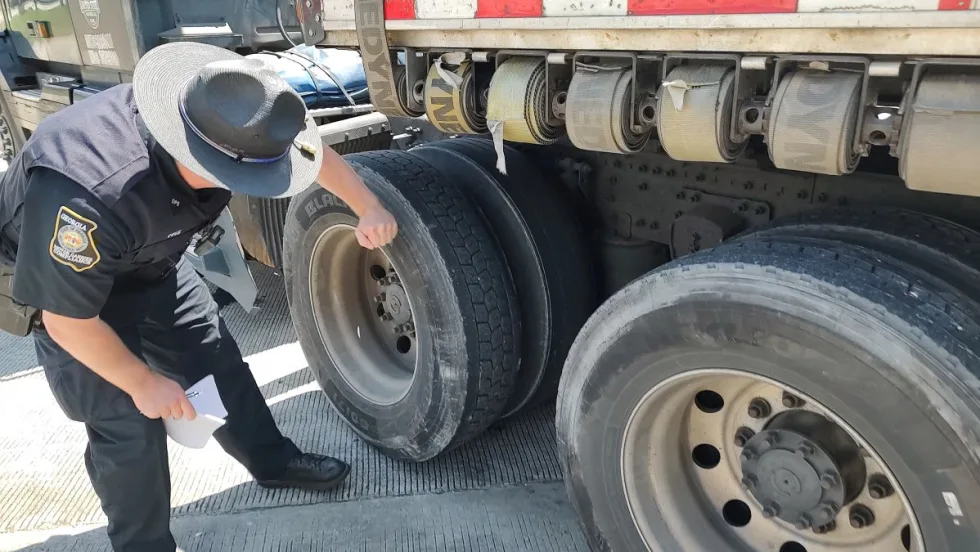
What an Out-of-Service Order Really Costs, and How to Plan for One
The repair invoice is the first number you see — and often one of the smallest. Here’s what else an out-of-service order can cost a fleet, and how planning can reduce the damage.
Read More →
International Launches Online Truck Parts Store
Fleetrite.com lets fleets and repair shops find OEM and all-makes parts, check prices and availability, and order without calling a parts counter.
Read More →
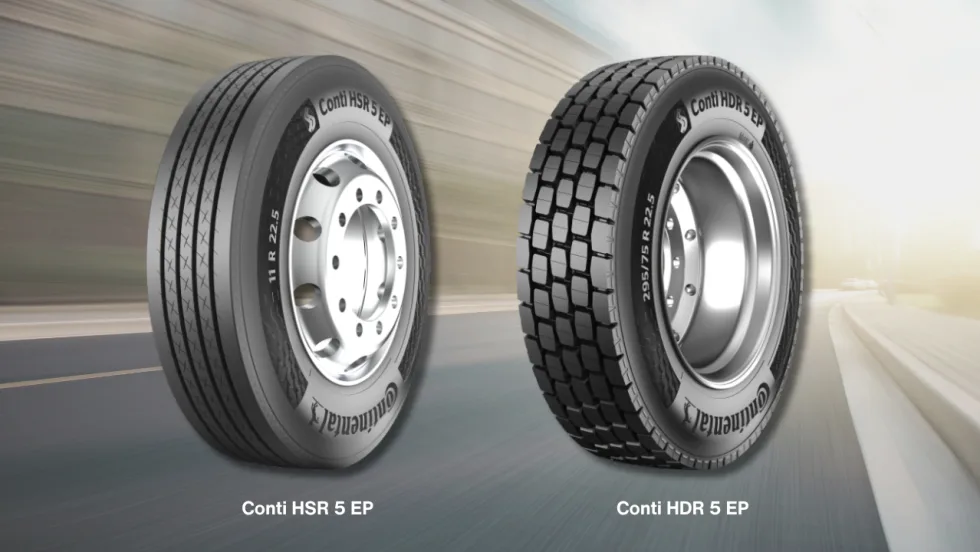
Continental Introduces New Regional Truck Tires
Continental says its new Generation 5 steer and drive tires for regional operations offer longer tread life, with estimated mileage gains of 22% and 19%, respectively.
Read More →
Sponsored•October 1, 2026
How AI Can Help Your Techs’ Efficiency
The technician shortage isn't going away, and no single fix can close the gap on its own. Trent Broberg makes the case that AI's real job in the shop is protecting the billable hours and job satisfaction of the techs you already have, not asking them to work faster.
Read More →
Wrong Repair Prompts Recall of Freightliner, Western Star 4x2 Trucks
DTNA is recalling more than 2,400 trucks that received an incompatible software fix instead of the hardware repair required to address brake valve corrosion.
Read More →
Truck Drivers Need More Than Another Alert
Fleets have more visibility into truck health, safety events, and driver activity than ever. The next challenge is turning all that information into useful guidance for the person who has to decide what to do next.
Read More →
The Maintenance Checks Trucking Fleets Should Prioritize Before Fall Freight Picks Up
Making it through August isn’t the same as being ready for the next several months of operation. Find out what systems may have suffered from summer heat and need to be checked out before fall.
Read More →
What Three Fleets Are Doing Differently When Buying Truck Parts in 2026
With freight improving but costs still climbing, fleet maintenance executives explain how they're balancing price, quality, and supplier relationships.
Read More →
Paccar Recalls 2027 Trucks Built This Summer for Possible Electrical Problem
The nearly 6,000 Kenworth and Peterbilt trucks in the recall could potentially lose engine power, among other things.
Read More →