New PC-12 Diesel Engine Oil Category Nears Completion: What Fleets Should Know
The new heavy-duty engine oil category, PC-12, is nearing the finish line. Here’s what fleet maintenance managers should know before it arrives in 2027.
Bill O'Ryan with the American Petroleum Institute updates trucking reporters at TMC on the new PC-12 heavy-duty engine oil category.
Credit:
Deborah Lockridge
5 min to read
After several years of development, we're nearing the finish line for the next heavy-duty diesel engine oil specification.
The proposed PC-12 category, which will succeed today’s CK-4 and FA-4 oils, has cleared its final technical hurdles and is moving toward first licensing on January 1, 2027.
Ad Loading...
“PC-12 right now is really on the final step,” said Bill O’Ryan, director of the Engine Oil Licensing and Certification System at the American Petroleum Institute. “All of the ballots through ASTM and the API Lubricants Group have passed.”
O'Ryan was speaking during a panel discussion at the American Trucking Associations’ Technology & Maintenance Council Annual Meeting in Nashville.
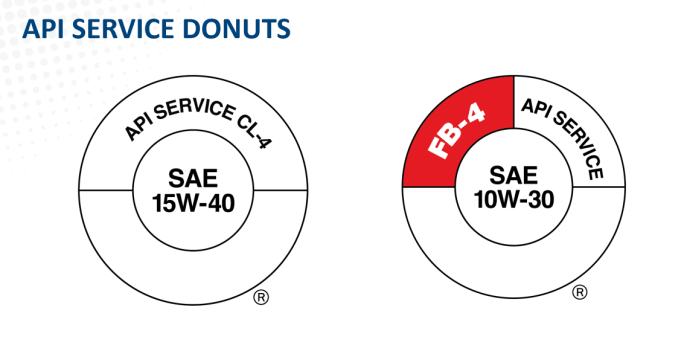
Those approvals clear the way for the two service categories that will make up PC-12: API CL-4, which will replace CK-4 as the primary backward-compatible oil, and API FB-4, designed for newer engines that can take advantage of lower-viscosity oils for fuel-economy gains.
Ad Loading...
Before oils can appear in the market, the industry must go through a mandatory waiting period that allows oil marketers and additive suppliers time to finalize formulations and prepare products for licensing.
And even though licensing is expected to open on January 1, 2027, don't expect to see a flood of the new oils in the market immediately.
Why a New Oil Category Is Needed
New diesel engine oil categories typically arrive every decade or so as engines evolve. PC-12 is no exception.
Truck and engine manufacturers determined that future engines would need improved oil performance. Those needs were submitted to API through the Truck and Engine Manufacturers Association, which requested development of a new category.
From there, the proposal moved through a series of industry committees coordinated by API and ASTM, involving engine manufacturers, additive companies, oil marketers, and testing laboratories.
Ad Loading...
The development committee then must develop tests and performance limits that ensure oils can meet those requirements.
For PC-12, the main targets were:
Better oxidation resistance
Improved wear protection
Compatibility with modern engine materials and seals.
But achieving those goals isn’t simply a matter of adding more additives.
Developing a new engine oil specification is partly a chemistry exercise and partly a balancing act. Additives that solve one problem can sometimes create another.
Ad Loading...
“Putting it all together is the challenge,” said Karin Haumann, OEM technical services manager for Shell Global Solutions. “It’s a multivariate problem you’re trying to solve. You’re trying to balance performance in sometimes competing areas.”
Will EPA 2027 Rules Affect PC-12?
The new oil category is expected to arrive around the same time as EPA’s 2027 heavy-duty emissions standards. With the EPA in the process of making some revisions to those regulations, that has raised questions about whether changes could affect PC-12. According to the panelists, the answer is no.
“The development of PC-12 is a technical exercise,” Haumann said. “While some of that might be driven by regulatory targets, it’s not driving the PC-12 process.”
In other words, the category is being developed to meet the needs of modern engines regardless of how emissions rules evolve.
Heather DeBaun, vehicle fluids technical specialist at Traton R&D, said the improvements built into PC-12 will remain relevant for both current and future engines.
Ad Loading...
“It will offer improvements that we’re looking for in areas of durability, oxidation control, and wear protection,” she said.
Extensive Field Testing
While much of the work behind a new oil category takes place in laboratories and engine test cells, oil companies are also conducting extensive real-world testing.
Haumann said Shell alone has accumulated about 8 million miles of on-road fleet testing with candidate PC-12 oils, along with more than 12,000 hours of testing in off-highway equipment.
Those tests include both new trucks and older equipment. Backward compatibility remains an important part of the specification, and fleets want to know that new oils will perform well in existing engines.
Potential Benefits for Older Engines
Although PC-12 is designed primarily for future engines, some of the improvements could benefit older engines as well.
Ad Loading...
One example is improved oxidation stability, which helps engine oil resist breakdown at high temperatures. That performance improvement can help maintain oil quality over longer service intervals.
“If a fleet wanted to look at extending oil drain intervals, oxidation is important to that,” Haumann said. “This new category offers better performance in that area.”
Additional wear-protection tests built into the category could also benefit older engines.
Still, fleets should always follow their engine manufacturer’s recommendations when selecting engine oil.
Ultra-Low-Viscosity Oils Coming
Like the current CK-4 and FA-4 categories, PC-12 will again contain two different categories.
Ad Loading...
CL-4 oils will cover the traditional viscosity grades that fleets are accustomed to today. FB-4 oils will support lower-viscosity formulations, intended to help engine manufacturers and truck owners improve fuel economy.
But fleets shouldn’t expect them to dominate overnight.
“It’s going to be a while before those oils become predominant,” DeBaun said. “The engines will be designed to use them, but it won’t necessarily be required.”
Instead, fleets will likely adopt them gradually as new engine platforms enter the market.
What Fleets Should Do Now
With first licensing still more than a year away, fleets don’t need to make any immediate changes. But maintenance managers can start preparing by reviewing their current oil programs and understanding which oils their equipment requires.
Ad Loading...
Look for the API "donut" on the new oils.
Credit:
API
“Look at the products that are currently in your fleet and what the recommendations are for your equipment,” DeBaun said.
Once PC-12 oils enter the market, fleets should watch for API certification marks — often called the “donut” symbol — on product packaging. API also maintains an online directory of licensed engine oils where fleets can verify that a product displaying the certification mark is properly approved.
In addition, the organization runs an ongoing aftermarket audit program, sampling oils from the marketplace to ensure they meet the specifications they claim.
How a New Diesel Engine Oil Category Is Developed
Developing a new engine oil specification is a multi-year process involving several industry groups.
1. Engine makers identify a need. Truck and engine manufacturers determine that future engines will require improved oil performance and submit a request for a new category.
2. An advisory panel evaluates the request. The Diesel Engine Oil Advisory Panel reviews whether a new category is needed or whether existing standards could be updated.
3. A development team is formed. A New Category Development Team brings together engine manufacturers, additive suppliers, oil marketers, and test laboratories.
4. Tests and performance limits are established. The group determines which engine tests oils must pass and what performance limits they must meet.
5. Industry organizations approve the standard. The specification is reviewed and approved through ASTM and the American Petroleum Institute.
6. Oils are licensed. Oil marketers can begin licensing products under the new category and bringing them to market.
For fleet managers and collision repair professionals keeping heavy-duty trucks on the road, getting the color right the first time isn't just about appearance — it's about efficiency, turnaround time, and bottom-line results. Discover how today's digital color tools are transforming the repair process from guesswork to precision.
DTNA is recalling more than 2,400 trucks that received an incompatible software fix instead of the hardware repair required to address brake valve corrosion.
Fleets have more visibility into truck health, safety events, and driver activity than ever. The next challenge is turning all that information into useful guidance for the person who has to decide what to do next.
Making it through August isn’t the same as being ready for the next several months of operation. Find out what systems may have suffered from summer heat and need to be checked out before fall.
With freight improving but costs still climbing, fleet maintenance executives explain how they're balancing price, quality, and supplier relationships.
The new API PC-12 heavy-duty engine oil category reflects the changing demands of modern diesel engines. But fleets like Foodliner are looking to getting their own data before making decisions on adopting the new oils and questions such as extending oil drain intervals.
The joint venture will operate MCT's network of Carrier Transicold dealerships and mobile service locations, with the companies promising greater service capacity and uptime for refrigerated fleets.