




Cox Automotive Launches Cox Fleet, Focused on Uptime for Trucking and Fleets
The Cox Fleet launch brings together Cox Automotive's Fleet Services and FleetNet America to support trucking fleets with maintenance, roadside assistance, and more.

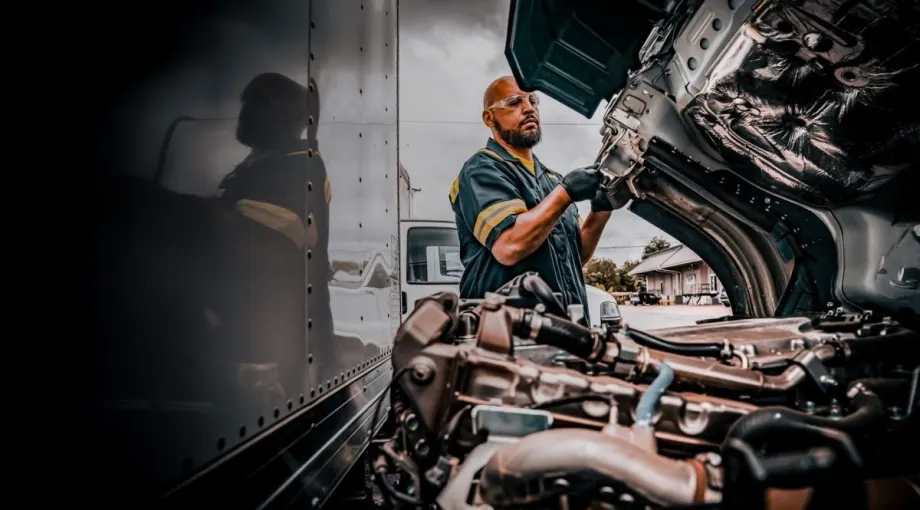
Cox Fleet has more than 1,500 technicians to work on truck fleet maintenance and repair.
Credit: Cox Fleet
Cox Automotive has launched a new fleet brand, Cox Fleet, signaling its commitment to uptime for commercial trucking and fleets.
The company said in an announcement that this goes beyond a name change.
“Cox Fleet is designed to set a higher standard for uptime — aiming to keep vehicles moving, businesses running, and supply chains on track.”
The launch of Cox Fleet builds on Cox Automotive’s 2025 announcement to unite Fleet Services and FleetNet America (which it acquired in 2023) into one unified organization.
“Cox Fleet is a clear signal of our long-term commitment to the fleets that keep our economy moving,” said Patrick Brennan, SVP of Cox Fleet, in a news release.
“By bringing our people, technology, and service capabilities together under one brand, Cox Fleet is designed to help clients improve uptime and better manage total cost of ownership.”
Built to Deliver Uptime with National Scale and Local Accountability
Cox Fleet supports fleets of all sizes across the country with a comprehensive service model designed to minimize downtime and maximize reliability, according to the company, with:
A marketplace of more than 65,000 service providers, delivering rapid national reach
More than 1,500 Cox Fleet technicians providing direct, hands-on service
A 24/7/365 nationwide support team coordinating every service event
This combination allows Cox Fleet to deliver support through scheduled maintenance, emergency roadside assistance, managed care, parts, trailer and truck body sales, and more.
A Long-Term Commitment to the Fleet and Trucking Industry
Cox Fleet reflects Cox Automotive’s deep roots in marketplace expertise and its continued investment in the future of the fleet maintenance industry, the company said in its announcement.
By unifying under one brand, the organization is better positioned to innovate, scale, and deliver solutions that evolve with customers’ needs today and in the future.
More Maintenance

Color Match Smarter: Tools That Restore & Perform
For fleet managers and collision repair professionals keeping heavy-duty trucks on the road, getting the color right the first time isn't just about appearance — it's about efficiency, turnaround time, and bottom-line results. Discover how today's digital color tools are transforming the repair process from guesswork to precision.
Read More →
Wrong Repair Prompts Recall of Freightliner, Western Star 4x2 Trucks
DTNA is recalling more than 2,400 trucks that received an incompatible software fix instead of the hardware repair required to address brake valve corrosion.
Read More →
Truck Drivers Need More Than Another Alert
Fleets have more visibility into truck health, safety events, and driver activity than ever. The next challenge is turning all that information into useful guidance for the person who has to decide what to do next.
Read More →
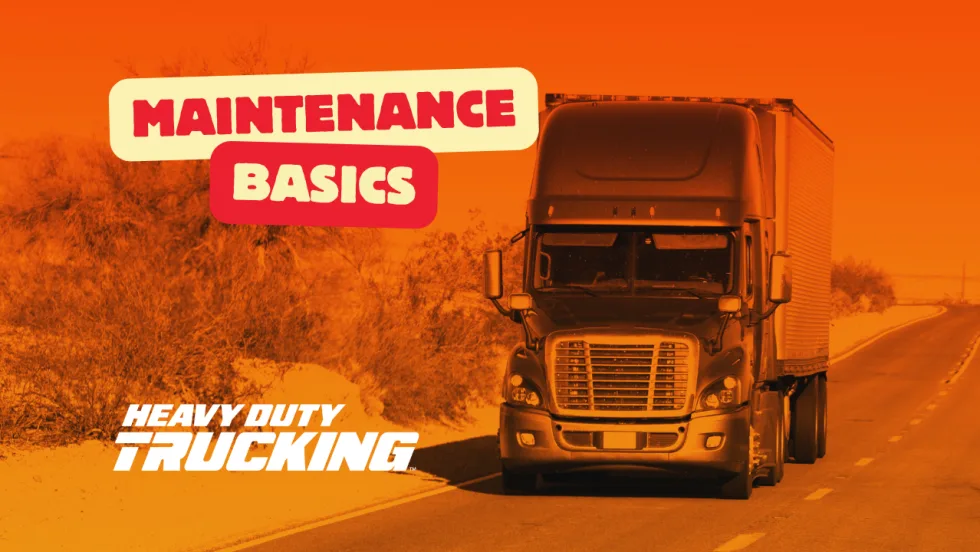
The Maintenance Checks Trucking Fleets Should Prioritize Before Fall Freight Picks Up
Making it through August isn’t the same as being ready for the next several months of operation. Find out what systems may have suffered from summer heat and need to be checked out before fall.
Read More →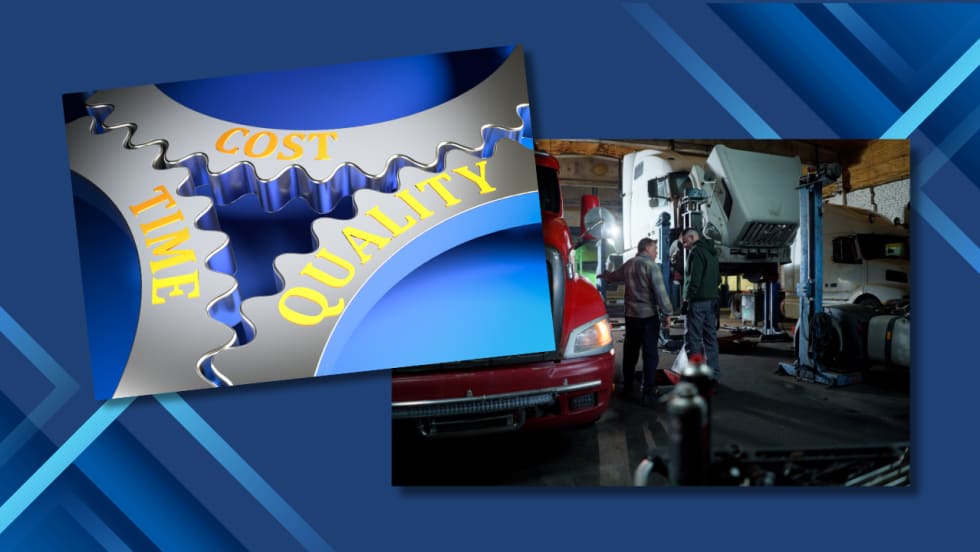
What Three Fleets Are Doing Differently When Buying Truck Parts in 2026
With freight improving but costs still climbing, fleet maintenance executives explain how they're balancing price, quality, and supplier relationships.
Read More →
Paccar Recalls 2027 Trucks Built This Summer for Possible Electrical Problem
The nearly 6,000 Kenworth and Peterbilt trucks in the recall could potentially lose engine power, among other things.
Read More →
Will API PC-12 Oil Change Trucking Fleet Maintenance?
The new API PC-12 heavy-duty engine oil category reflects the changing demands of modern diesel engines. But fleets like Foodliner are looking to getting their own data before making decisions on adopting the new oils and questions such as extending oil drain intervals.
Read More →
Brake Safety Week to Focus on Drums and Rotors
Commercial vehicle inspectors are focusing on truck brakes during CVSA's Brake Safety Week, August 23-29.
Read More →Possible Battery-Cable Fires Prompt Recall of 15,000+ International MV and HV Trucks
On the recalled vehicles, manufacturing variations can cause the battery interconnect cable to contact the auxiliary stud and hold down the bracket.
Read More →
Rush, MCT Team Up to Grow Refrigeration Service Network
The joint venture will operate MCT's network of Carrier Transicold dealerships and mobile service locations, with the companies promising greater service capacity and uptime for refrigerated fleets.
Read More →