





How Better Freight Data Helps Trucking Teams Get Ahead of Disruption
Does Your Trucking Fleet Need a New TMS?
Artificial intelligence and better integrations promise less busywork and more useful data. Can your TMS help your company solve problems? Do you need additional vendors or an upgrade? Or is it time to look for a new platform?
November 9, 2026
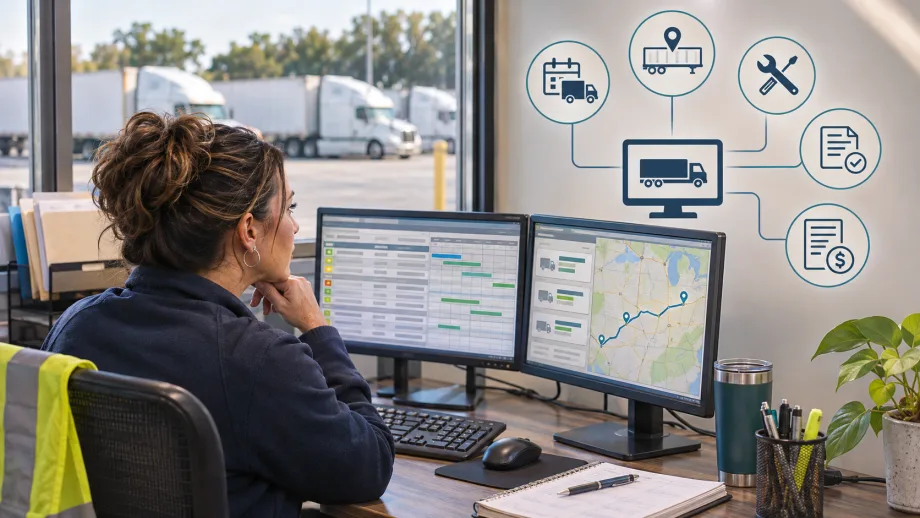
When fleet systems talk to each other, dispatchers can spend less time chasing information and more time keeping freight moving. What will it take for your TMS to enable this?
Credit:
HDT image created with ChatGPT. See terms of use.
7 min to read
- A new TMS isn’t always necessary to use AI and better data connections. An upgrade or integration may address the problem.
- Start with a specific goal, such as reducing duplicate data entry, improving dispatch planning, or speeding up billing.
- Compare the full cost of updating, extending, or replacing your TMS, including training, integrations, and disruption.
*Summarized by AI
Your dispatcher gets a load tender by email, then types the information into your trucking fleet’s transportation management system. Before assigning it, she checks another screen for the driver’s available hours. The truck delivers, but billing still has to track down the paperwork.
If that sounds familiar, the promise of a new TMS that connects everything and automates the busywork can be appealing. But does getting those capabilities mean replacing the system that currently runs your business?
Newer providers are challenging established systems with different approaches to connecting applications and using artificial intelligence. Longtime providers are updating their products, too. And the capabilities a fleet needs may already be available in software it currently uses.
“You don’t have to change TMSs to leverage a lot of the new technology,” says Bill Cain, director of product management for TMW.Suite at Trimble Transportation.
The decision starts with understanding what is getting in the way of better operations in the first place.
How Trucking TMS Software Is Changing
For motor carriers, a TMS connects the business of moving freight, from entering an order and assigning a driver through delivery, driver pay, and customer billing. What’s changing is which information gets into that system, how it does, and what the software can do with it.
Cain, who has worked with TMW.Suite for 25 years, remembers when bringing fuel transactions into the TMS meant downloading a file from a portal, importing it, and checking for errors. The information often was already a day old.
Connections through application programming interfaces, or APIs, can make that kind of information available much sooner. Driver hours, truck locations, and fuel transactions can help fleet managers make dispatch and other decisions in real time or close to it.
Artificial intelligence adds another possibility: turning information that arrives in emails or documents into records the TMS can use, then helping employees act on what the data shows.
These changes are coming from both newer and established providers.
McLeod Software’s Version 25.2, announced in 2025, introduced reworked browser workflows and AI applications for tasks such as importing emailed load tenders. In September 2026, Trimble announced browser-based, AI agent-ready updates to four established carrier TMS platforms, including TMW.Suite.
How to Evaluate Your Fleet’s Current TMS
Cain recommends fleets start out with a specific business goal. For example, a fleet trying to reduce empty miles needs to understand what the stumbling blocks are. Is it the software capabilities? Or is it the planning process? The information available?
“Am I not using features that maybe are important to me that I could be using in my current TMS?” he asks.
That conversation should include the people doing the work. Where are dispatchers keeping separate spreadsheets? What information does billing have to rekey? Which tasks require a phone call because one department can’t see what another already knows?
When Tucker Freight Lines CIO Charles Martin joined the fleet several years ago, “our maintenance software did not talk to our TMS software. We had a TMS, we had a maintenance program, we had all of these other things that were in their own separate silos.”
He made it a priority to move to a system with a single point of data entry across multiple software and departments. Tucker stayed with its legacy TMS provider but worked with the company on a major revamp, what Martin called “a full process improvement.”
Integrating its maintenance software with the TMS and eliminating manual maintenance-tracking spreadsheets saved Tucker more than 20 hours of work each week, according to Martin.
Should You Upgrade, Add on to, or Replace Your TMS?
Once you’ve decided which issues you want to address with TMS improvement, there are several ways to get there.
- Update your current TMS software, enable an unused function, or change how employees use it.
- Connect your TMS with a specialized application to handle a particular task.
- Replace the TMS entirely.
Each option has its pros and cons.
For instance, an upgrade still takes time and training. So does learning to use a feature you haven’t used before. A new application might mean another vendor relationship to manage.
Keeping the existing system also has a cost, if employees spend hours working around its limitations, or if it keeps the fleet from identifying and pursuing cost-saving or revenue-producing opportunities.
How TMS Integrations Connect Fleet Systems
A TMS may benefit from adding a better planning tool, a document-processing application, or an integration that brings maintenance data or live trailer data directly into the system.
Cain points to integrations with load optimization software as one example. Matching drivers to loads can involve available hours, empty miles, equipment requirements, customer requirements, driver preferences, time off, and maintenance needs. Software can evaluate all those factors and recommend a plan for a human planner to review.
Integrations also can bring in real-time information from your assets.
For example, Phillips Connect and McLeod Software announced an integration that brings real-time smart trailer data directly into McLeod’s TMS. The integration lets fleets view trailer health, location, and cargo status within the same McLeod workflows used for planning, dispatch, and execution, according to the announcement.
What you need to explore is whether the TMS can exchange the information and support the actions you need from the API or integration. An integration that displays a truck’s location may not support updating an order or sending an approved assignment back to the driver.
Newer providers argue that their underlying architecture can make those changes easier.
EKA, for example, promotes a “headless” approach that separates the TMS operating engine from the screens people use, connecting them through APIs. It argues that fleets can change individual applications or workflows without rebuilding the underlying transportation logic.
When evaluating systems, ask your provider and potential providers, "Can you improve this particular process without making us change everything around it?"
Ask to see the complete workflow with your kinds of loads and exceptions. Find out who maintains the connection and what happens when one vendor updates its software.
How AI Can Automate TMS Tasks
Modern TMS platforms, often using AI, can reduce repetitive data entry, save time, and help prevent manual-entry errors.
Take order entry, for example. A tender arriving through electronic data interchange, or EDI, may already flow into the TMS. A PDF attached to an email can require someone to read it and enter the details — but AI can help extract that information and create an order, with checks and review appropriate to the task.
Newer provider Datatruck describes a similar application for its TruckGPT capability, which reads rate confirmations and other documents to create or update load records. The company says it can also identify changes in revised rate confirmations before a user applies them.
But how does the software handle something ambiguous or wrong? If you’re evaluating new options, a demonstration should include a missing appointment time or a revised rate, as well as a straightforward order.
At the other end of the load, Cain sees opportunities to automate billing when the rates, order information, and required paperwork are available. That lets employees focus on exceptions that need attention.
Fleets should ask their providers or potential vendors which steps use AI, which follow established rules, and which still need human approval.
Reading an unfamiliar document and checking whether a required field is empty are different tasks. Both can reduce work, but each needs appropriate validation.
Measure results in the operation: time spent entering an order, corrections required, or elapsed time between delivery and a complete invoice. Include the time employees spend reviewing the automated work.
When Should a Fleet Replace Its TMS?
Sometimes a fleet’s business has changed beyond what its system supports.
Cain offers the example of a truckload carrier that expands through acquisitions into intermodal transportation or brokerage. Software suited to its original operation may no longer cover the work it needs to manage.
Another concern is a provider that has stopped investing in capabilities customers need. Ask what is available now, what requires an upgrade, and what promised features are still in the works. If essential improvements can't be delivered on a schedule that works for you, you might want to consider other platforms.
Replacing a TMS is a substantial project. You have to retrain users and rework connections to systems such as accounting, fuel, and ELDs. Fleets also need a plan for historical data, open loads, and invoice and settlement verification during the transition.
Compare that effort with the ongoing cost of the current operation. Include employee time and implementation expenses alongside software subscriptions, integration charges, and AI usage fees. Ask how costs change with trucks, users, loads, or transaction volume.
Where to Start
The next step can be small even when the eventual decision is large. Document one troublesome workflow and its current cost. Ask your existing provider to show how it would improve that process. Have competing providers demonstrate the same work, including exceptions.
Then judge the options against the result the fleet needs. As Cain puts it, “Make sure that it really solves the business problem that your business or your operations is struggling with.”
Quick Answers
Not necessarily. Your current transportation management system may support AI tools through an upgrade, an added application, or an integration. Ask your provider to demonstrate how it would address a specific operational problem.
*Summarized by AI
Subscribe to Our Newsletter
More Fleet Management
Fleet Costs Shape ACT Expo 2027 Agenda
With diesel prices high and operating expenses under pressure, ACT Expo's 2027 agenda emphasizes fuel efficiency, AI, safety and the return on fleet technology investments.
Read More →
Does Your Trucking Fleet Need a New TMS? [Video]
Cloud technology, AI and new integrations are changing what transportation management systems can do. But does taking advantage of those advances mean replacing your existing TMS?
Read More →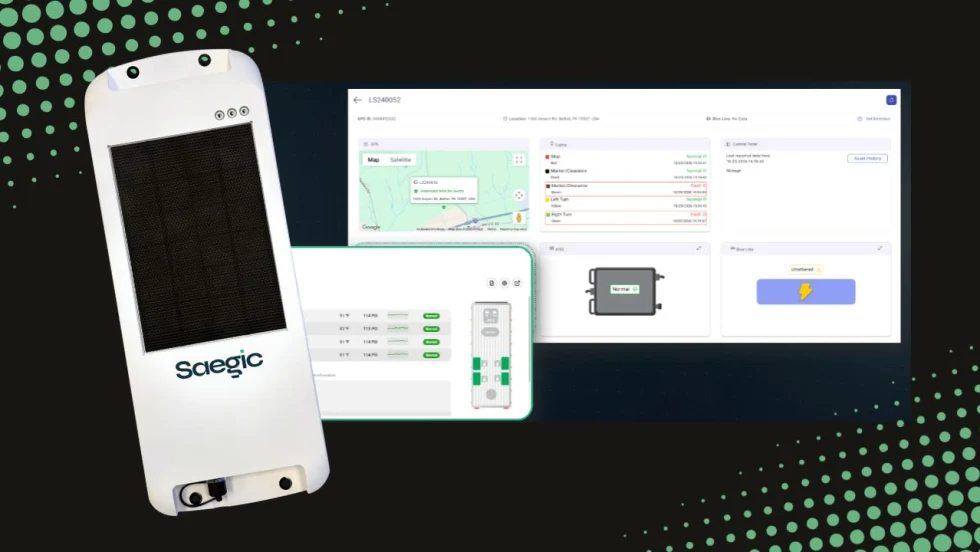
Road Ready Becomes Saegic, Launches New Trailer Telematics Gateway
Clarience Technologies is rolling out new hardware and expanding its plans for connecting trailer telematics, maintenance data, and video.
Read More →
Give Your Trucking Fleet a Cybersecurity Walkaround
Your fleet's cybersecurity policies may look good on paper. These seven checks can help you find out whether they’re working.
Read More →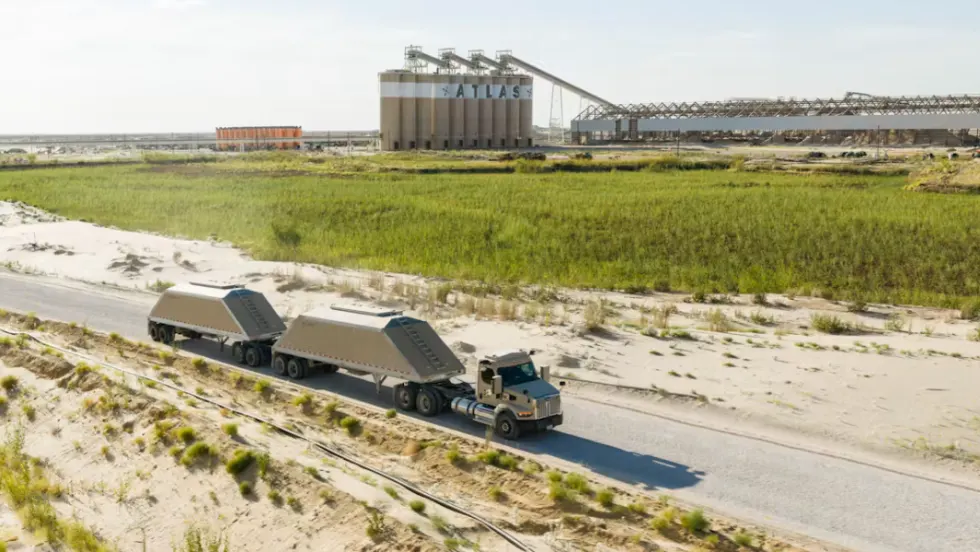
Kodiak Lines Up Fleets for Driverless Trucking
An agreement for 75 trucks, a new Texas freight lane, and progress on safety validation move Kodiak closer to its planned driverless highway launch.
Read More →
ITS Logistics Settles Religious Harassment Case
The Nevada-based logistics firm agreed to pay more than $396,000 to settle a religious harassment charge involving an employee's Jewish identity.
Read More →
Your Trucks Are Busy. That Doesn’t Mean They’re Winning.
High utilization doesn’t always mean strong margins. Looking beyond the current load can help fleets make better dispatch decisions and get more value from each truck’s time.
Read More →
Why This Trucking Recovery Is Different
Freight demand remains sluggish, but rising costs and tougher enforcement have taken enough capacity out of the market to change the outlook for motor carriers.
Read More →
Platform Science Adds Dispatch and Safety Tools
Four additions to PS Fleet help fleets monitor loads, manage driver coaching, share truck locations and adjust video system settings.
Read More →
PrePass Intelligence Mines Fleet Bypass, Toll and Safety Data
PrePass Intelligence helps fleets measure bypass savings, flag potential toll overcharges, and spot suspicious transactions by combining data from separate systems.
Read More →