




Adapt or Die: Geotab’s Neil Cawse on AI’s Rapid Reinvention of Fleet Management
The AI Conversation You Need to Have with Your TMS Provider
Everyone’s talking about AI — but is your transportation management system actually built for it?
by Hans Galland, BeyondTrucks
April 14, 2026
AI represents a tremendous opportunity for enhancing fleet operations. Realizing that those opportunities require a firm foundation is the first step in evaluating your TMS capabilities.
Credit:
HDT Graphic
5 min to read
Artificial Intelligence is transforming transportation management for trucking and logistics companies. But, as technology providers both new and old tout their AI capabilities, it’s become more critical than ever for fleet operators to educate themselves about how to separate the wheat from the chaff.
One question I hear frequently is: How do I know whether a transportation management system is ready for AI — and what impact could it have on our operations?
The answer largely depends on your software’s architecture. Many legacy solutions, including both cloud and on-premises systems, face hurdles in the AI era. Modern systems built on multi-tenant cloud architecture can help position a TMS for future AI capabilities.
Understanding Multi-Tenant Architecture
Multi-tenant architecture is a software model in which multiple customers share the same platform and infrastructure while keeping their data, configurations, and user access separate.
The fleets (tenants) receive the benefits of easily deployable integrations and updates, cost sharing, enhanced cybersecurity, faster data speeds, and the flexibility to incorporate advancements in artificial intelligence.
This easily configurable platform can be tailored to the needs of each individual “tenant fleet,” allowing fleets to take fast advantage of productivity improvements.
Here's what you need to know to ensure your TMS can support AI-driven operations:
Operational Fit: The Foundation of Increasing Productivity and Improving Decision Making
A system can only improve operations if it’s actually used to do the work. Before automating or optimizing any process, that process needs to be digitized or at least integrated with the TMS.
What to look for: Identify tasks still handled outside the system — whether in spreadsheets, paper forms, whiteboards, or disconnected applications. These are often signs that the TMS doesn’t fully support your operation.
When evaluating a TMS, look for the ability to deliver configurable features or workflows that make it uniquely fit your operations without requiring costly customizations. That way, you get deep digital adoption and reduce the amount of work carried out outside of the TMS.
Data: The Foundation of AI Performance
AI is only as effective as the data it processes. Modern AI applications require seamless connectivity through APIs that can only be practically hosted in the cloud.
A comprehensive, real-time data infrastructure is needed to power AI-based automation and decision-making improvements. With those features, systems can feed AI algorithms the information they need to deliver value in a real-time fleet operating environment.
What to look for: Through a native integration layer built on a multi-tenant cloud architecture, your TMS should provide broader real-time data for use cases such as predictive analytics and optimization. A data warehouse with direct connectivity to AI models via fast APIs can offer real-time orchestration capabilities, especially for driver workflows.
Compute: Managing Resources Cost-Effectively
AI functionality demands significant computational power, but not constantly, and only when the TMS is running an optimization algorithm or processing large datasets.
Paying for hardware and software capacity that sits idle most of the time to handle periodic spikes is neither cost-effective nor scalable.
What to look for: A multi-tenant, cloud-based TMS that provides flexible, shared computational resources optimized for AI workloads. Architectures that share computational resources across users, with demand distributed across different customers' peak times, let you access the computing power you need when you need it, without maintaining an expensive infrastructure for occasional use.
Interfaces: Where AI Meets User Productivity
A TMS provider’s interface determines how effectively AI can enhance user productivity and decision-making. When critical work happens outside the system, AI cannot provide meaningful recommendations or present relevant analytics.
What to look for: A highly intuitive user interface that serves as the system of record where all tasks should be completed. Your TMS should collect user behavior in real-time and respond with decision intelligence in the moment, enabling operators to act on AI-generated insights without switching between systems.
Cybersecurity: The AI Era’s Elevated Threat Landscape
Perhaps the most urgent consideration for fleets today is cybersecurity. AI has fundamentally changed the threat landscape, enabling attacks that identify and exploit vulnerabilities in system architectures with unprecedented sophistication.
Older TMS architectures are particularly vulnerable to AI-engineered attacks that create highly personalized scams designed to extract security credentials. On-premises systems with physical access management are especially exposed.
Platforms that rely on customizations to meet user requirements make comprehensive security patches difficult to deploy and test. The customization that once seemed like an advantage now creates attack surfaces that AI-powered threats can easily use.
What to look for: Your TMS needs to support frequent updates with standardized code that can be rapidly patched against emerging threats. An SOC 2 Type 2 certification from an independent auditor demonstrates a commitment to enterprise-grade security controls.
What Every Fleet Manager Should Ask Their TMS Provider About AI
While most fleet IT teams are well-trained and highly capable, an on-premises or cloud TMS that is hyper-customized is not designed for the challenges of today or tomorrow.
AI represents a tremendous opportunity for enhancing fleet operations. Realizing that those opportunities require the right foundation is the first step to take as you evaluate your TMS capabilities.
To begin that process, ask these questions of yourself and your TMS provider:
- Does the platform fit our unique processes and business requirements?
- Does my system provide real-time data through a cloud-native integration layer?
- Can it scale computational resources cost-effectively?
- Does it offer interfaces where AI can deliver insights at the point of decision?
- Does it meet the security standards necessary to protect against AI-enhanced threats?
The answers to these questions will determine whether your software provider, and especially your TMS, is ready to harness AI's potential, or whether it's time to consider a platform that is built from the ground up for today’s freight transportation market.

Hans Galland
Credit:
BeyondTrucks
About the Author: Hans Galland is the CEO of BeyondTrucks, which provides a transportation management system (TMS) that offers enterprise fleets an AI-native, multi-tenant platform.
This article was authored and edited according to Heavy Duty Trucking’s editorial standards and style to provide useful information to our readers. Opinions expressed may not reflect those of HDT.
Subscribe to Our Newsletter
More Fleet Management
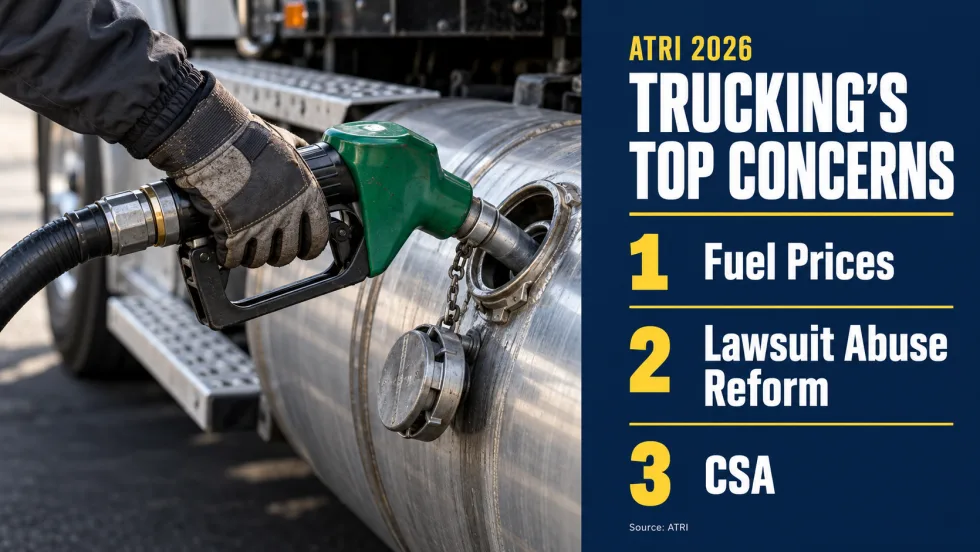
Diesel Prices Hijack Trucking’s Worry List
ATRI’s annual survey finds cautious optimism about freight, but diesel costs, litigation, and insurance continue to squeeze fleets. Drivers have different priorities on several issues.
Read More →
Nomination Deadline Extended for HDT Emerging Leaders
Just a few more days to nominate accomplished trucking fleet professionals under 40 who are making an impact and helping lead the industry forward for the HDT Emerging Leaders award. Deadline extended to October 20!
Read More →
What Will ATA’s New Leader Bring to Trucking's Table?
Incoming President and CEO Mark Colson’s record in Alabama offers clues about his priorities and approach following Chris Spear’s abrupt departure as the head of the American Trucking Associations.
Read More →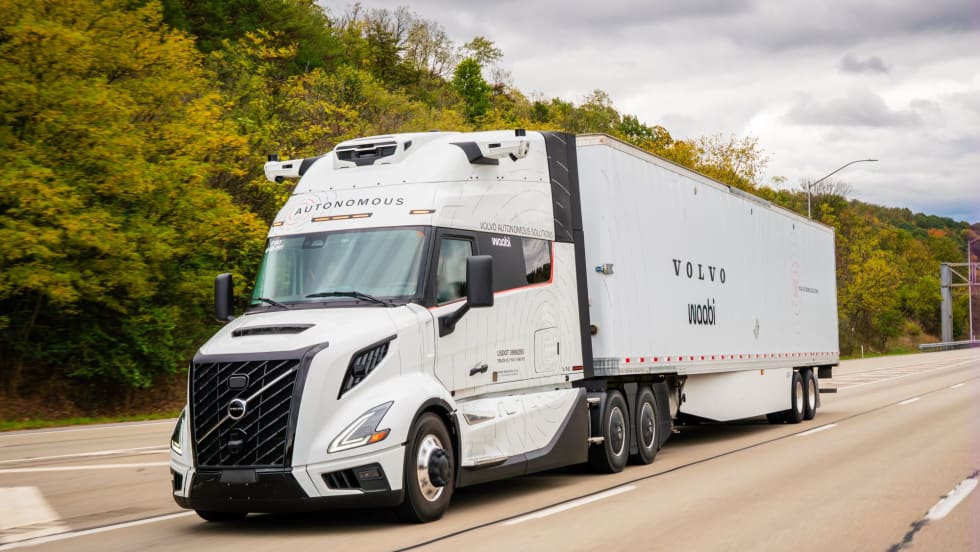
Volvo, Waabi Start Commercial Autonomous Operations in Texas
Volvo VNL Autonomous trucks, powered by the Waabi Driver, are hauling freight directly to third-party facilities for a customer in Texas.
Read More →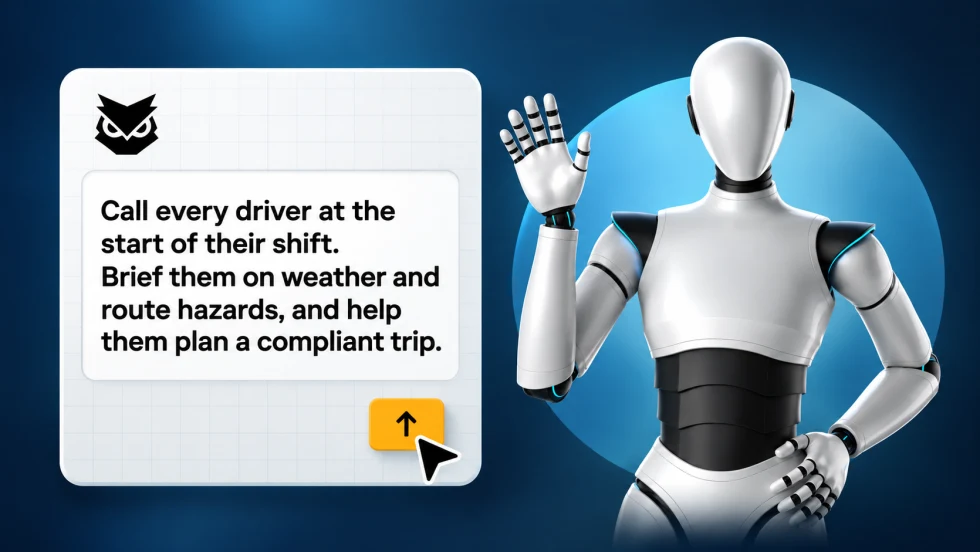
Samsara Launches Custom AI Agent Builder
Agent Studio lets fleets create AI tools for hours-of-service monitoring, reporting and driver support, including agents that communicate by phone.
Read More →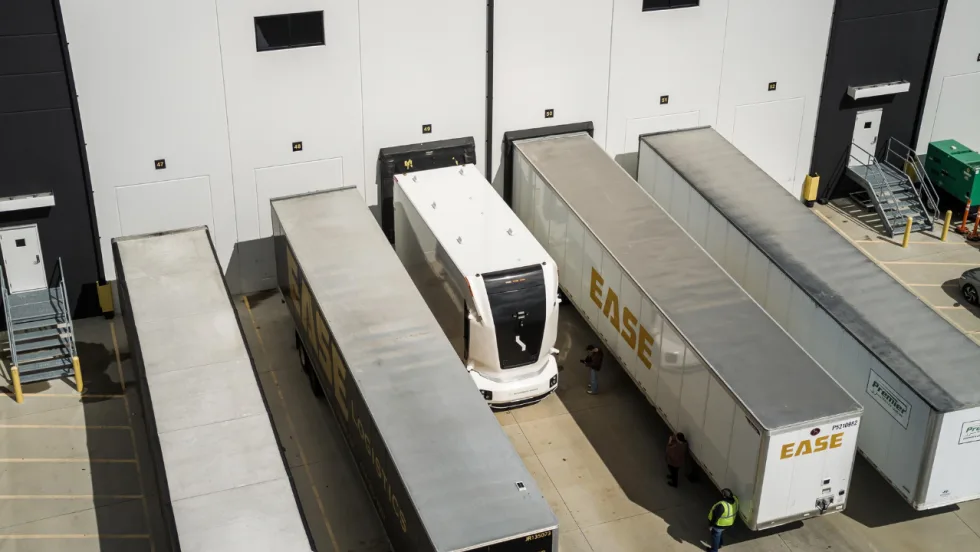
Einride Driverless Electric Trucks Begin Daily Freight Operations in Ohio
Two cabless electric trucks are hauling freight between EASE Logistics facilities in Marysville, Ohio, as part of a multi-state truck automation project.
Read More →
Geotab Links Fleet Card to Vehicle Data
The new card combines fuel discounts with telematics-based purchase controls. Geotab’s analysis also points to potential savings from choosing lower-priced fuel stops.
Read More →
How MFA Helps Protect Trucking Fleets
Multi-factor authentication adds protection when passwords are stolen. Here’s how it works and where fleets should start.
Read More →
How Better Freight Data Helps Trucking Teams Get Ahead of Disruption
Trucking and logistics teams have plenty of data. The problem is getting the right information in front of the right people soon enough to act. Better-connected data can help teams spot trouble earlier and make smarter decisions before small problems become big ones.
Read More →
Trimble: Taking Artificial Intelligence in Trucking Beyond Faster Tasks
At Insight 2026, Trimble executives argued that fleets may need to redesign workflows to get more from AI as it introduced new products and enhancements. AI’s value will depend on how fleets combine automation with their people's knowledge.
Read More →