




Data Lock‑In or Integration Lock‑Out?
Data fragmentation is costing dealerships, OEMs, fleets, and upfitters millions. Here’s why interoperability may be the fix the trucking industry needs.

As dealerships, OEMs, fleets, and upfitters rely on more connected technology, industry leaders are rethinking whether the bigger challenge is truly “data lock-in” or the growing problem of integration lock-out.
Heavy Duty Trucking
- Data fragmentation is significantly impacting the financial efficiency of dealerships, original equipment manufacturers (OEMs), fleets, and upfitters in the work truck industry.
- The lack of effective data integration creates barriers that hinder seamless operations and decision-making processes.
- Interoperability presents a potential solution, potentially enhancing data management and operational cohesion across the industry.
*Summarized by AI
For years, dealerships have used the phrase “data lock-in” to describe the pain of signing up with a new vendor or switching systems/platforms, only to find that moving their data to a different vendor is difficult, incomplete, or disruptive. Closed architectures, restricted access, and limited interoperability create those conditions that make dealerships feel trapped. But in many cases, the bigger challenge is not only getting data out. It is getting systems to work together in the first place.
However, ask any successful dealership about data lock-in, and their answer will likely be about flexibility. The truck and trailer market is more dynamic than ever, so the ability to adapt and bring on new solutions is essential. But, if doing so causes additional work and makes processes inefficient, that juice simply isn’t worth the squeeze, hence the frustration.
But if dealerships could easily add third-party software to handle specific operational processes that integrate with their existing platform, would their teams feel the weight of system/software fatigue when all they really want is to run their operations more smoothly while better serving their customers?
And so, the real issue isn’t data lock-in, it’s integration lock-out. When integration points are blocked or unavailable, data becomes fragmented by default; it can’t flow from where it is to where it needs to go.
When a software vendor prioritizes its own ecosystem over interoperability, often framed as customer protection, that friction only grows, especially in the trucking ecosystem, where workflows span multiple stakeholders.
Dealerships, OEMs, upfitters, fleets, remarketers, and business customers/owner-operators depend on shareable data to operate efficiently. Information that should move freely between systems ends up isolated in separate tools, spreadsheets, or vendor platforms. Over time, this creates gaps, inconsistencies, and duplicated efforts, with fragmentation compounding quickly.
The Cost of Data Fragmentation in the ‘Work Truck’ Ecosystem
Fragmentation isn’t an abstract inconvenience in the broader work-truck world. And, to be clear, that world spans light-, medium-, and heavy-duty classes, as well as every organization in the value chain, from OEMs to upfitters to fleets. Here’s how the cost of data fragmentation shows up across the ecosystem:
Dealerships See Operational Drag and Inconsistency
When vendor systems aren’t compatible, or integration isn’t offered, the dealership faces:
- Duplicate data entry across platforms
- Low-quality inventory listings with details living in different places
- Broken quoting/re-quoting workflows, plus coordinating with upfitters and OEMs
Consider a national dealer network that sells the full Class 2–8 range across multiple brands. A unit sold could involve the chassis OEM, an upfit build sheet, a third-party floorplan provider, and often a government or fleet contract. Data fragmentation could cause the Federal Excise Tax (FET) for Class 8 units to be calculated incorrectly or lead to missing vital VIN-specific safety data for Class 2–6 units.
For a dealer group moving hundreds of units a month, a 1% error rate in data synchronization might translate into millions of dollars in liability or lost margin, without even accounting for the cost of personnel time.
OEMs Have Limited Visibility and Delayed Decisions
OEMs rely on accurate, timely data from dealerships and upfitters. Fragmentation creates:
- No unified view of final configurations
- Inconsistent data flowing back from dealerships
- Reduced ability to forecast demand or manage allocation
A disconnected ecosystem gives OEMs partial information, leading to less accurate decisions.
Upfitters and the Endless Back‑and‑Forth
Upfitters sit at the intersection of requirements, configurations, and workflows. Fragmentation forces them into:
- Constant email and phone tag to confirm specs, dimensions, and compatibility
- Manual re‑entry of data
- Delays caused by missing or mismatched information
Think about a truck being shipped from an upfitter to a dealership. That dealership has to "receive" it, but the upfitter’s build sheet is a PDF rather than a data feed, meaning all the specs, such as the liftgate model, the refrigeration unit, etc., must be manually typedinto the DMS and the website.
Key selling points (such as "10-year Warranty on Body") might be missed. When the truck goes live on the website as a "White Box Truck" instead of a "Refrigerated Unit with Maxon Liftgate," the result is lower lead volume and a slower sale (or worse, no sale).
Remarketers See Reduced Asset Value and Slower Time‑to‑Sale
When vehicles re‑enter the market, fragmentation shows up as:
- Missing spec data leading to lower prices
- Less buyer confidence due to gaps in configuration history
- Inability to target the right second buyer
Incomplete information leads to incorrect market values and eroding profits.
Fleets Have No Single Source of Truth
Fleets depend on accurate visibility into the vehicles they operate. Fragmentation creates:
● Inefficient and costly lifecycle management
● Difficulty tracking configurations, upfits, and service events
● Inconsistent data across fleet management tools
Without a unified data foundation, fleets waste time and resources chasing down information, reconciling mismatched records, and building manual workarounds rather than managing assets, supporting drivers, and making informed replacement decisions.
Every stakeholder ends up compensating for the same problem: systems that do not work together.
The Future-State Vision: Building a Unified, Interoperable Ecosystem
Solving data fragmentation isn’t only about reducing today’s operational friction. It’s about unlocking what the work truck ecosystem could become when systems are designed to work together rather than compete for control. The future isn’t a single platform; it’s a connected foundation where data moves easily, workflows align, and each and every stakeholder benefits from interoperability.
This new era of solutions is defined by open connections, shared standards, and platforms adapting to stakeholder needs; it’s interoperability as a customer‑centric philosophy.
With interoperability as the backbone, the industry can achieve reduction of the estimated fifty percent inefficiency, not just making stakeholder process and workflow better, but bringing that efficiency to bear on mitigating increasing prices, and providing more rewards to those who commit to this evolution.
Trading fragmentation for interoperability isn’t just a technical shift either, it strengthens the businesses, from small contractors to national fleets, that rely on specialized vehicles every day, and who keep the American economy moving.

Work Truck Solutions | Heavy Duty Trucking
About the Author: Candy McCollum is the Business Development Manager for Work Truck Solutions. This article was authored and edited following Heavy Duty Trucking editorial standards and style. Opinions expressed may not reflect those of HDT.
Quick Answers
Data fragmentation refers to the lack of integration between different data systems used by dealerships, OEMs, fleets, and upfitters, leading to inefficiencies and increased costs.
*Summarized by AI
More Fleet Management
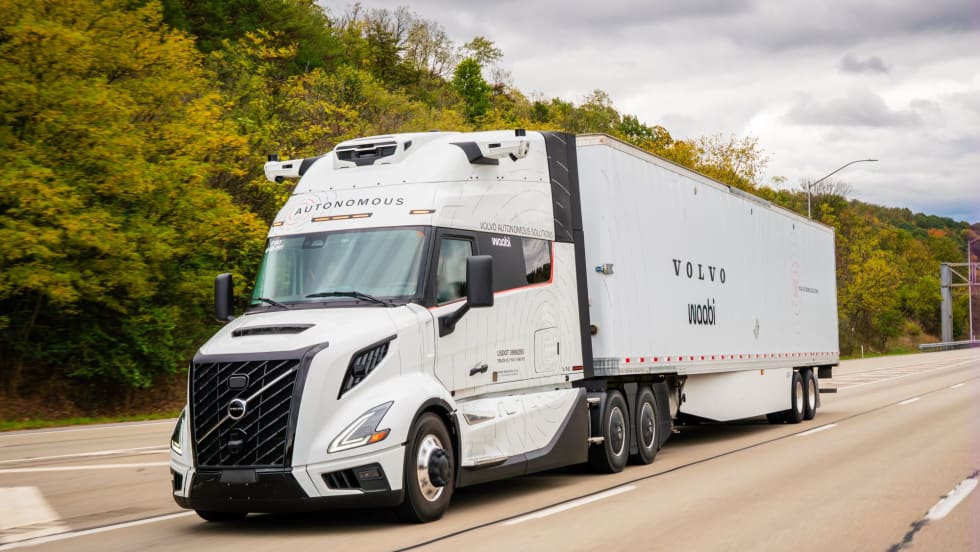
Volvo, Waabi Start Commercial Autonomous Operations in Texas
Volvo VNL Autonomous trucks, powered by the Waabi Driver, are hauling freight directly to third-party facilities for a customer in Texas.
Read More →
Samsara Launches Custom AI Agent Builder
Agent Studio lets fleets create AI tools for hours-of-service monitoring, reporting and driver support, including agents that communicate by phone.
Read More →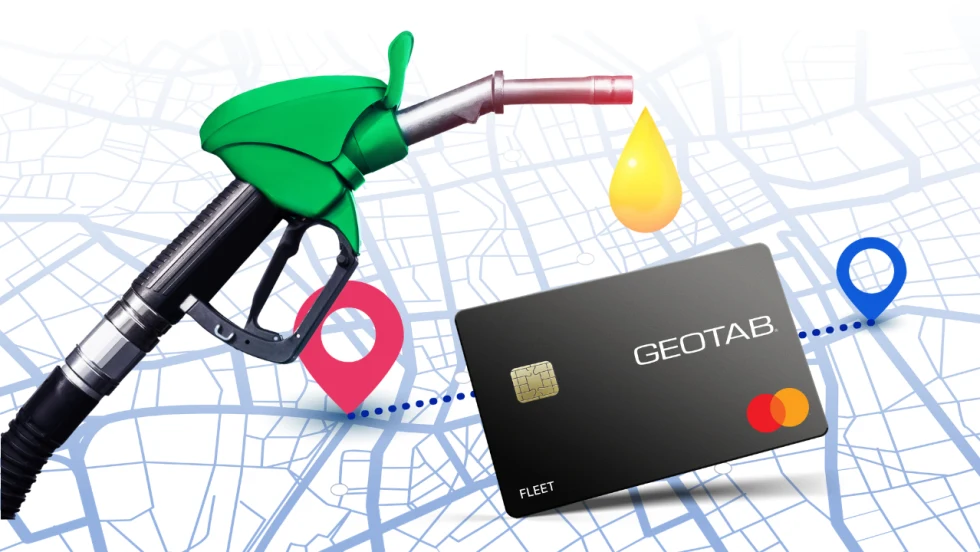
Geotab Links Fleet Card to Vehicle Data
The new card combines fuel discounts with telematics-based purchase controls. Geotab’s analysis also points to potential savings from choosing lower-priced fuel stops.
Read More →

How MFA Helps Protect Trucking Fleets
Multi-factor authentication adds protection when passwords are stolen. Here’s how it works and where fleets should start.
Read More →
How Better Freight Data Helps Trucking Teams Get Ahead of Disruption
Trucking and logistics teams have plenty of data. The problem is getting the right information in front of the right people soon enough to act. Better-connected data can help teams spot trouble earlier and make smarter decisions before small problems become big ones.
Read More →
Trimble: Taking Artificial Intelligence in Trucking Beyond Faster Tasks
At Insight 2026, Trimble executives argued that fleets may need to redesign workflows to get more from AI as it introduced new products and enhancements. AI’s value will depend on how fleets combine automation with their people's knowledge.
Read More →
Build a bulletproof fleet: Uniting ELDs and dash cams for total compliance
An ELD can prove compliance, but it cannot always prove what happened on the road. Discover how uniting accurate ELD data with AI-powered dash cam video can help your fleet strengthen compliance, defend against liability, protect drivers and reduce operational costs.
Read More →
Nominations Open for HDT Emerging Leaders
Heavy Duty Trucking is looking for accomplished trucking fleet professionals under 40 who are making an impact and helping lead the industry forward.
Read More →
Why Private Fleets Are Taking More Freight
Private fleets are putting their own trucks on demanding customers and high-cost lanes as companies seek greater control over service, costs, and capacity.
Read More →
Color Match Smarter: Tools That Restore & Perform
For fleet managers and collision repair professionals keeping heavy-duty trucks on the road, getting the color right the first time isn't just about appearance — it's about efficiency, turnaround time, and bottom-line results. Discover how today's digital color tools are transforming the repair process from guesswork to precision.
Read More →