




BeyondTrucks Adds Rules Checks to Dispatch
New Compatibility Engine checks driver qualifications, equipment requirements and fleet policies before loads are dispatched.

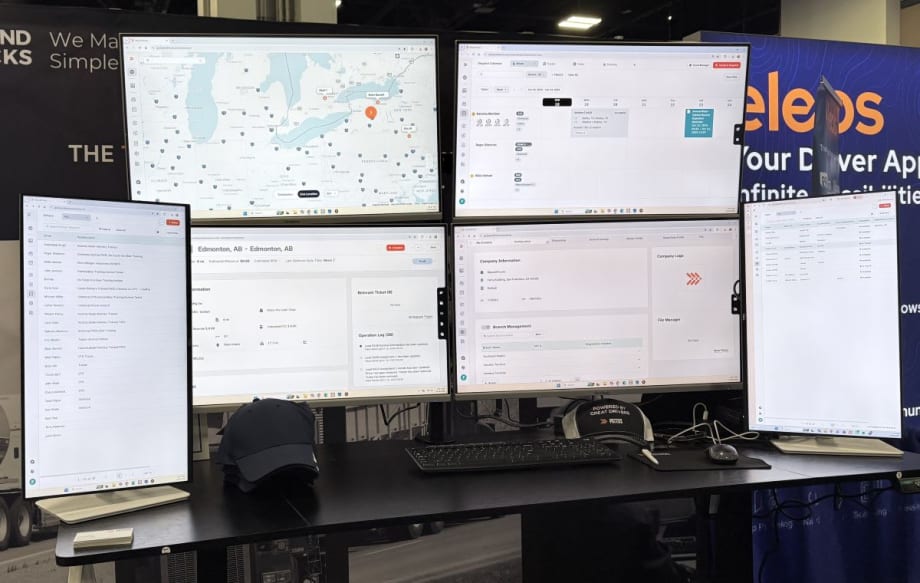
BeyondTrucks had an impressive six-screen setup to demonstrate its new Compatibility Engine at ATA's Management Conference.
Deborah Lockridge
Does the driver have facial hair? Have they been trained to handle a bear encounter in Alaska? For some specialized trucking operations, those questions can factor into deciding who can haul a load.
BeyondTrucks cited both as examples of the fleet-specific requirements its new Compatibility Engine is designed to check to simplify the driver dispatching process.
Its new Compatibility Engine helps trucking fleets catch assignment problems before dispatching a driver, tractor, or trailer on a load.
Announced at the American Trucking Associations’ 2026 Management Conference & Exhibition in Charlotte, North Carolina, the tool checks assignments against rules each fleet defines. Those rules can cover driver qualifications, equipment features, availability, regulatory compliance, and compatibility with the commodity being hauled.
For specialized fleets, that could mean checking whether a driver has completed a customer’s required refinery orientation, whether a trailer meets a customer’s requirements, or what commodity a trailer previously carried.
In chemical hauling alone, BeyondTrucks said it has encountered as many as 400 different types of driver qualifications that fleets may need to track.
“Across hundreds of loads a day, and often under time pressure, dispatchers assign drivers, tractors, trailers, routes, and times,” said Hans Galland, CEO of BeyondTrucks.
According to BeyondTrucks research, dispatchers need to take into account, on average, more than 50 factors for each load assignment.
“Part of that job is not only finding the best plan, but also making sure every assignment is allowed because the stakes of getting it wrong are high."
The checks apply to assignments made by dispatchers as well as to recommendations from BeyondTrucks’ AI optimization engine, according to the company.
How the Assignment Checks Work
Fleets can set requirements at the stop, commodity, customer, or equipment level, then match those requirements against driver, tractor, and trailer qualifications and status.
The engine uses fixed rules that produce the same result from the same inputs, according to BeyondTrucks. That gives fleets a way to check whether an AI-generated dispatch recommendation meets their operating requirements before putting it into action.
When an assignment is flagged or blocked, the dispatcher can see which rule triggered the problem and why. Overrides are logged, including who made the override and the reason, creating a record for safety, compliance, and insurance teams.
Those rules also become constraints within BeyondTrucks’ optimization engine, narrowing the driver-and-equipment combinations it considers when building a dispatch plan, the company said.
Driver and equipment compliance information also can feed directly into the checks through integrations with platforms such as GWC or DQM Connect, the company said.
During a demonstration at MC&E, the system checked a driver’s chemical-hauling training, active endorsements, site requirements, and availability against a load’s pickup and delivery requirements. It also ranked drivers and equipment by their qualifications, placing the most suitable options at the top.
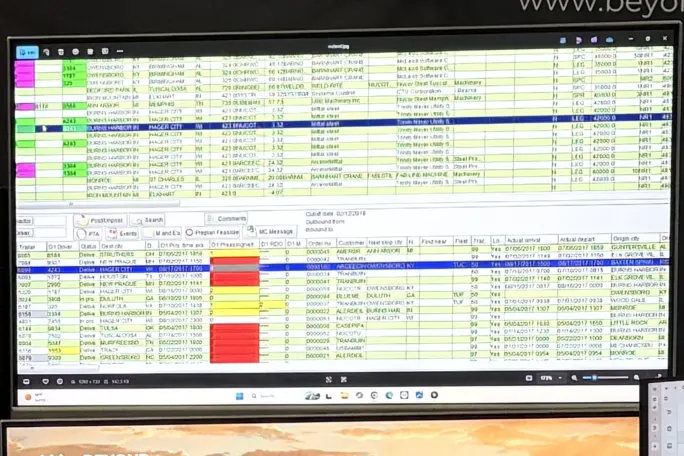
Many dispatchers have been limited by a single screen of information that isn't the most user-friendly.
Deborah Lockridge
Capturing Dispatchers’ Experience
Dispatch planning often happens on cheat sheets, Post-it notes, and in the heads of dispatchers who have spent decades learning an operation, Galland explained.
“In most fleets today, compatibility rules live in the heads of experienced dispatchers,” Galland said. “They know which trailer can or cannot go to which customer, which driver has completed the refinery orientation, and which trailer was last used for what commodity.”
BeyondTrucks also positions the engine as a way to preserve operating knowledge that otherwise may reside largely with experienced dispatchers.
Recording those requirements in the system can help fleets apply them consistently as dispatchers retire, leave, or train their replacements, according to the company.
San Francisco-based BeyondTrucks provides transportation management and AI-powered dispatch planning software for specialty and private fleets.
More Fleet Management

Diesel Prices Hijack Trucking’s Worry List
ATRI’s annual survey finds cautious optimism about freight, but diesel costs, litigation, and insurance continue to squeeze fleets. Drivers have different priorities on several issues.
Read More →
Nomination Deadline Extended for HDT Emerging Leaders
Just a few more days to nominate accomplished trucking fleet professionals under 40 who are making an impact and helping lead the industry forward for the HDT Emerging Leaders award. Deadline extended to October 20!
Read More →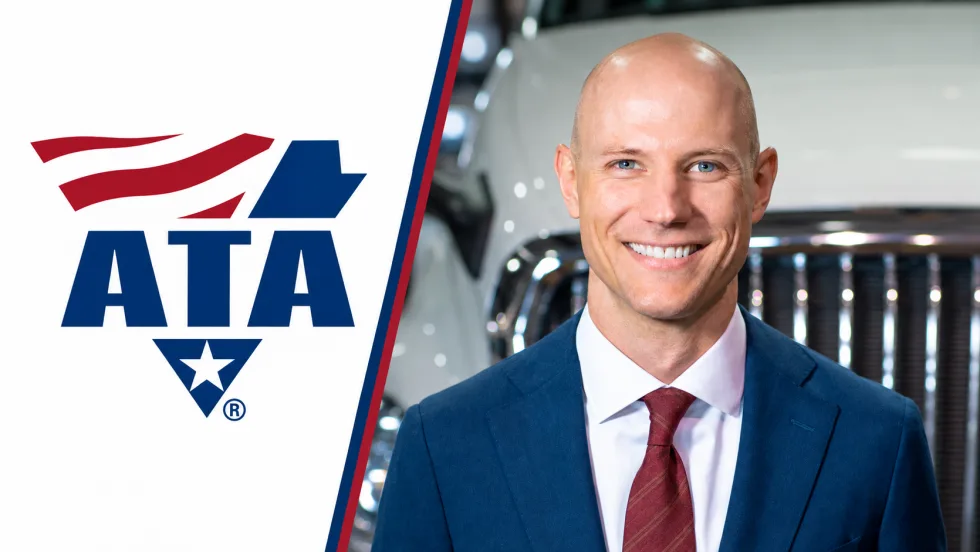
What Will ATA’s New Leader Bring to Trucking's Table?
Incoming President and CEO Mark Colson’s record in Alabama offers clues about his priorities and approach following Chris Spear’s abrupt departure as the head of the American Trucking Associations.
Read More →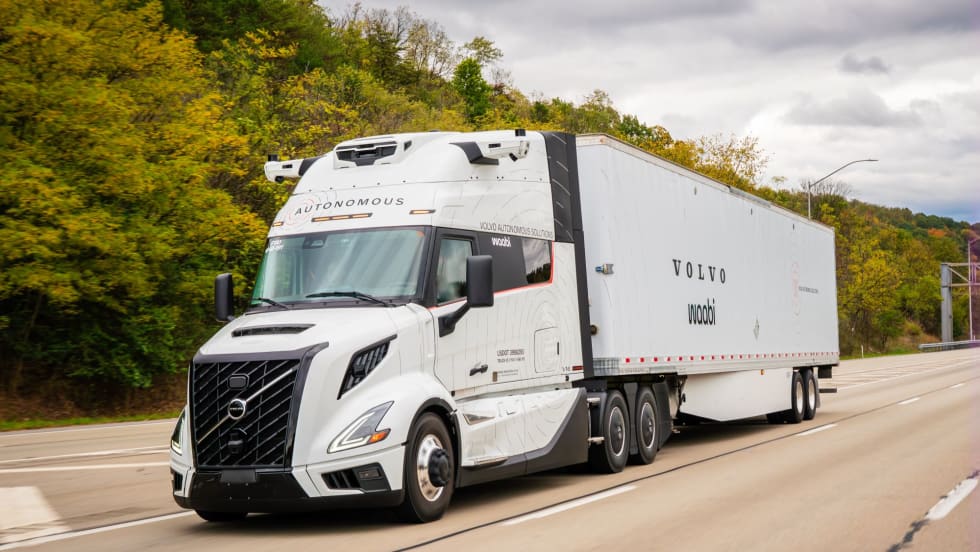
Volvo, Waabi Start Commercial Autonomous Operations in Texas
Volvo VNL Autonomous trucks, powered by the Waabi Driver, are hauling freight directly to third-party facilities for a customer in Texas.
Read More →
Samsara Launches Custom AI Agent Builder
Agent Studio lets fleets create AI tools for hours-of-service monitoring, reporting and driver support, including agents that communicate by phone.
Read More →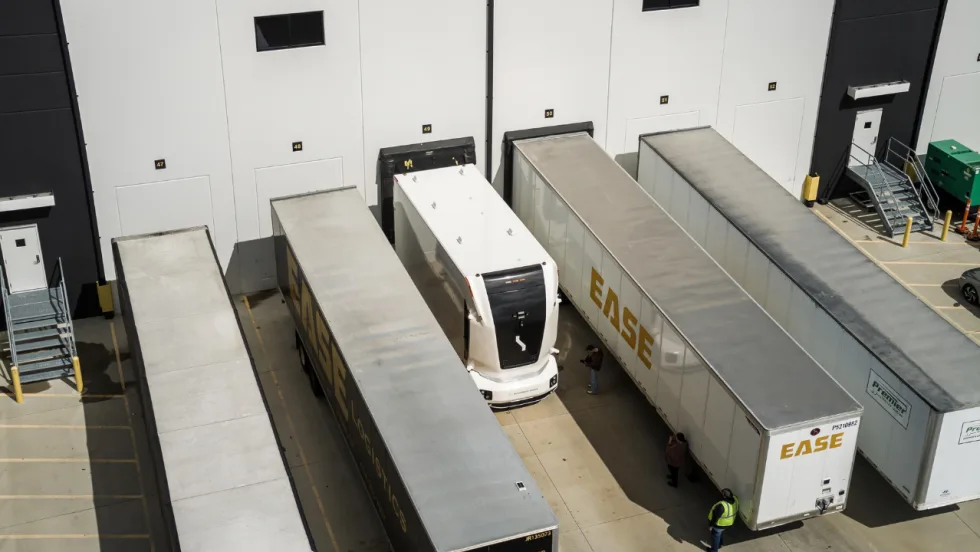
Einride Driverless Electric Trucks Begin Daily Freight Operations in Ohio
Two cabless electric trucks are hauling freight between EASE Logistics facilities in Marysville, Ohio, as part of a multi-state truck automation project.
Read More →
Geotab Links Fleet Card to Vehicle Data
The new card combines fuel discounts with telematics-based purchase controls. Geotab’s analysis also points to potential savings from choosing lower-priced fuel stops.
Read More →
How MFA Helps Protect Trucking Fleets
Multi-factor authentication adds protection when passwords are stolen. Here’s how it works and where fleets should start.
Read More →
How Better Freight Data Helps Trucking Teams Get Ahead of Disruption
Trucking and logistics teams have plenty of data. The problem is getting the right information in front of the right people soon enough to act. Better-connected data can help teams spot trouble earlier and make smarter decisions before small problems become big ones.
Read More →
Trimble: Taking Artificial Intelligence in Trucking Beyond Faster Tasks
At Insight 2026, Trimble executives argued that fleets may need to redesign workflows to get more from AI as it introduced new products and enhancements. AI’s value will depend on how fleets combine automation with their people's knowledge.
Read More →