





Related — ELDs: The Final Countdown
Don’t Shortchange Training When Converting to ELDs
Lisa Gonnerman, vice president of safety and security for Transport America, detailed what the transition from AOBRDs to ELDs entailed for the Eagan, Minnesota-based carrier.
October 9, 2019
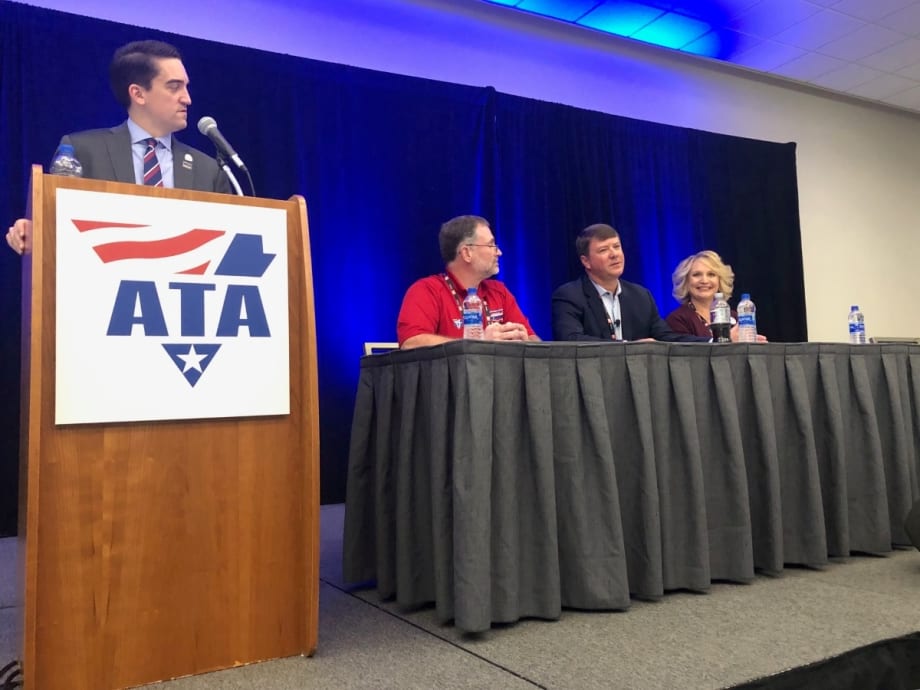
Moderator Dan Horvath of ATA and panelists (l-r) Bill Goins of Old Dominion Freight Lines, Jim Mullen of FMCSA, and Lisa Gonnerman of Transport America discuss real-world aspects of rolling out the ELD rule.
Photo: David Cullen
3 min to read
Come Dec. 16 — less than three months away — motor carriers still running with grandfathered automatic onboard recording devices to track hours-of-service will have to be switched over to devices that are compliant with the electronic logging device mandate that first went into effect almost two years ago.
Yet despite all that lead time, a multitude of warnings from experts that the switchover can be complex, and a rapidly closing compliance window, anecdotal evidence suggests more than a few trucking operations are cutting things really close.
“We don’t really have a good feel, quite candidly,” for the number of fleets that haven’t yet switched from AOBRDs to ELDs, said Jim Mullen, chief counsel for the Federal Motor Carrier Safety Administration, speaking on an Oct. 6 panel at the American Trucking Associations’ annual meeting in San Diego.
The decidedly unscientific raise-your-hand poll Mullen took of audience members indicated a majority had switched over, but that would be cold comfort for any manager still riding the grandfather clause who heard Lisa Gonnerman, vice president of safety and security for Transport America, detail what the transition entailed for the Eagan, Minnesota-based carrier.
Asked by moderator Dan Horvath, ATA’s vice president of safety policy, what she would do differently now the fleet’s conversion is complete, Gonnerman replied, “Different? I’d do more training.”
Transport America began the conversion process for its 1,700 trucks in February and as of now, all drivers have been trained, said Gonnerman. “There’s a lot of planning to do and it takes time. We started the training by piloting it first before beginning, in July, to bring the program to each of our terminals.”
The training included about an hour of “face-to-face instruction” on ELDs for each driver as well as hands-on training for roadside inspections so drivers know they should tell inspectors that they’re “now on an ELD.” Gonnerman credits that aspect with the fleet not having many issues at roadside.
A key element of driver training was to explain the difference between an AOBRD and an ELD. But it wasn’t just about drivers. “We did training for the safety department, including on how to get information [from the ELD] and understanding the reports that are generated,” said Gonnerman.
“There was also lots of training for the back office,” she continued. “The impact there [from switching logging devices] is substantial; we had to put some new policies in place, such as on how to handle log edits, and that takes time.” Also, allowing drivers to make use of personal conveyance mode results in “very challenging” auditing by the back office.
“We have kept tweaking the training based on questions that come in to us and by which questions are being repeated,” Gonnerman advised. “And even now, we keep sending out training reminders on ELDs to our drivers.”
Panelist Bill Goins, an Old Dominion Freight Line driver and an America’s Road Team captain, noted that while he was initially skeptical of ELDs, he has come to appreciate how they make his job much easier. “At the end of the day, I don’t have to sit down with apen and a ruler and a calculator before I can go to bed,” he said.
More Safety & Compliance
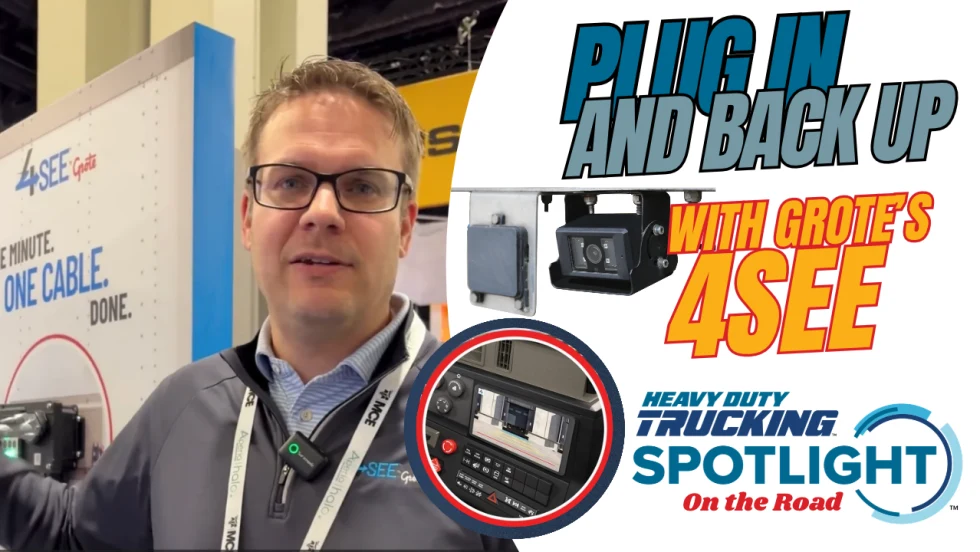
More Trailer Data Through the Same Seven-Way [Video]
Can trucking’s standard seven-way connector handle more cameras and trailer data? Grote’s Adam Slade shows HDT how the company is using new technology with its 4See trailer system, not only to add a new backup camera but also to expand other capabilities — without adding another connection.
Read More →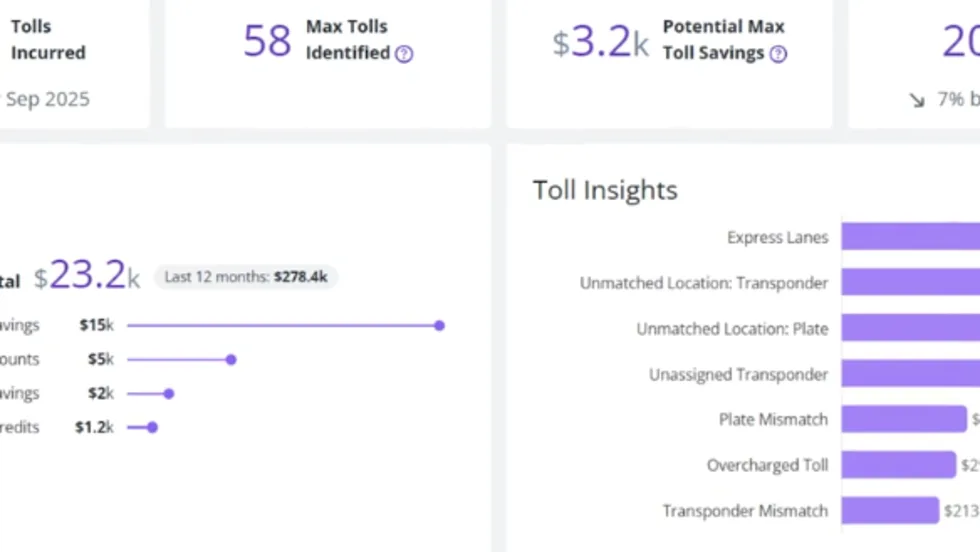
PrePass Intelligence Mines Fleet Bypass, Toll and Safety Data
PrePass Intelligence helps fleets measure bypass savings, flag potential toll overcharges, and spot suspicious transactions by combining data from separate systems.
Read More →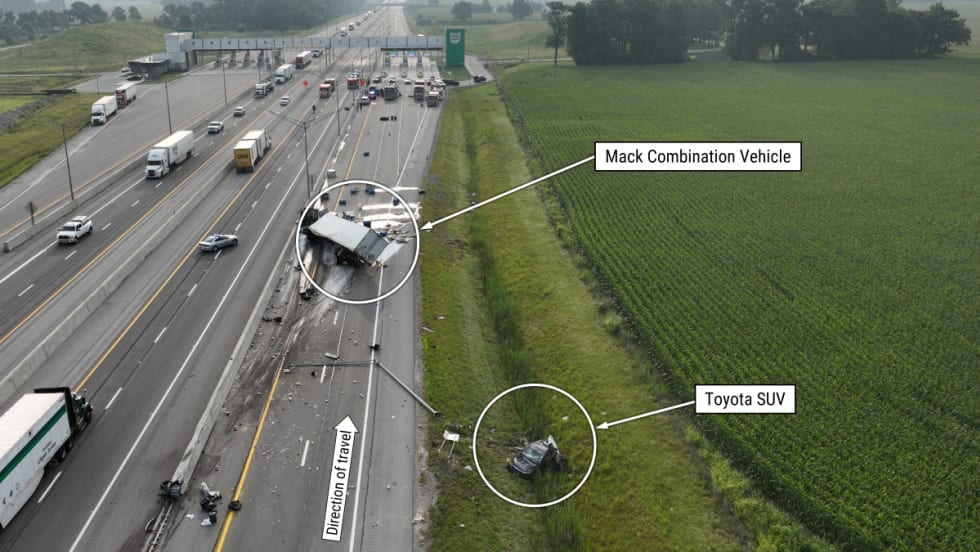
Fatal Crash Exposes Toll Plaza Risks
An NTSB investigation found that last-minute lane changes and large speed differences at an Ohio toll plaza created a hazard the truck driver couldn't avoid in time.
Read More →
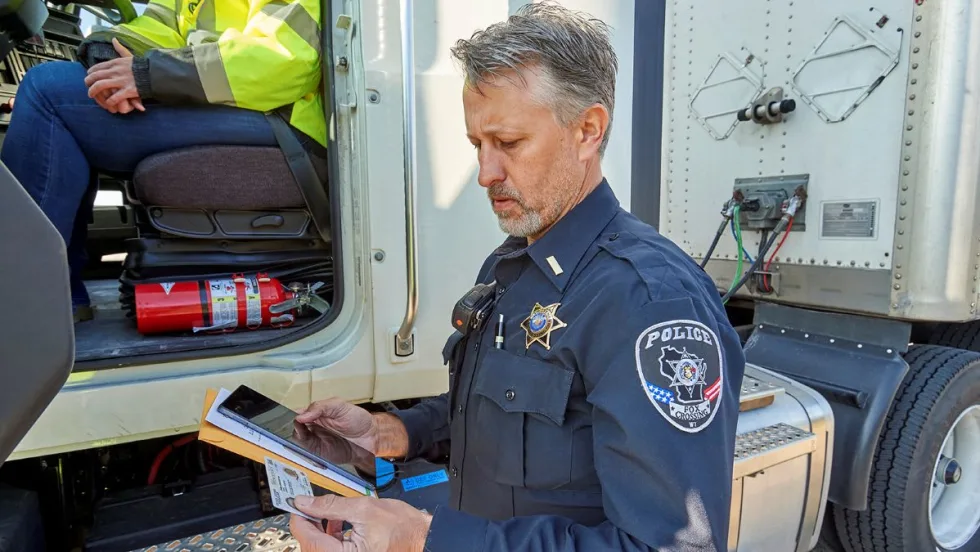
When Language Stops the Truck: The Return of ELP Out-of-Service Orders
English language proficiency rules for commercial drivers aren’t new, but renewed out-of-service enforcement has raised the stakes. Here’s what carriers need to know before a driver reaches a roadside inspection.
Read More →
Sponsored•October 6, 2026
A Camera Isn't a Safety Program. Here's What Brokers Are Screening for Now
Footage alone may not be enough to pass broker vetting processes. Here's what counts as a defensible safety program now.
Read More →
Marijuana and Trucking’s Drug-Testing Dilemma
Marijuana is getting stronger, laws are changing, and drug tests still can’t reliably establish impairment. What does that mean for truck drivers and the fleets that employ them?
Read More →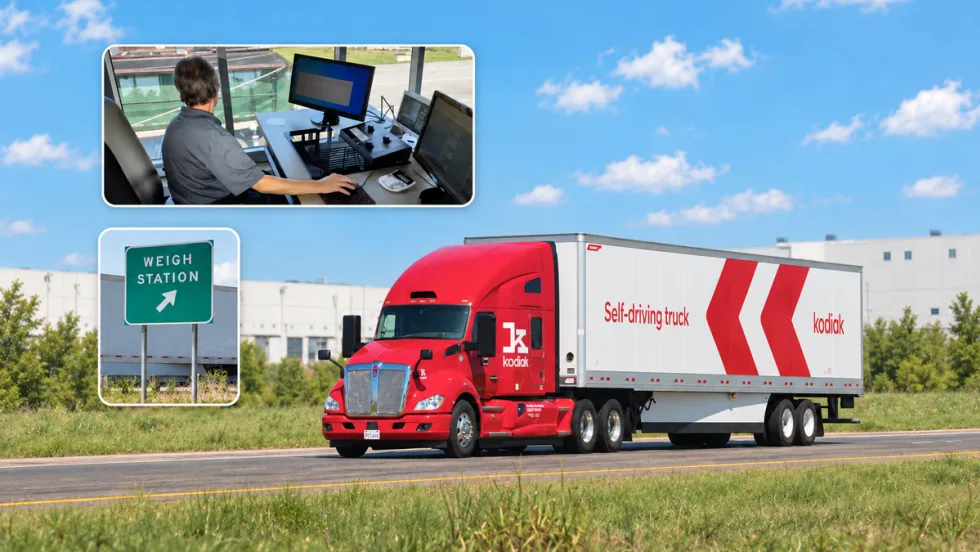
PrePass, Kodiak Connect Driverless Trucks to Roadside Enforcement
The system will allow enforcement agencies to verify Enhanced Inspection information and decide whether Kodiak’s autonomous trucks can bypass roadside screening sites.
Read More →
From One Generation to the Next: How Mentorship Builds Safer Truck Drivers
After three decades in trucking, Harold Perry shares what he's learned about driver safety, mentorship, and helping the next generation build confidence behind the wheel.
Read More →
FMCSA Pauses Biennial-Update Enforcement Amid Motus Transition
Carriers whose updates were due on or after June 1 have more time, while FMCSA works to stabilize its new registration system and warns of phishing sites impersonating its new carrier registration system, Motus.
Read More →
ZF Expands Commercial Vehicle Push in North America
ZF is expanding its North American commercial-vehicle presence with new transmission applications, electrification, trailer technology and autonomous-driving systems.
Read More →