




Bosch to Launch Hydrogen Engine Later This Year
Bosch demonstrated its hydrogen fuel-cell engine in a Nikola Tre at CES 2024 and unveiled its plan for the production of a hydrogen engine later this year for heavy-duty trucks.

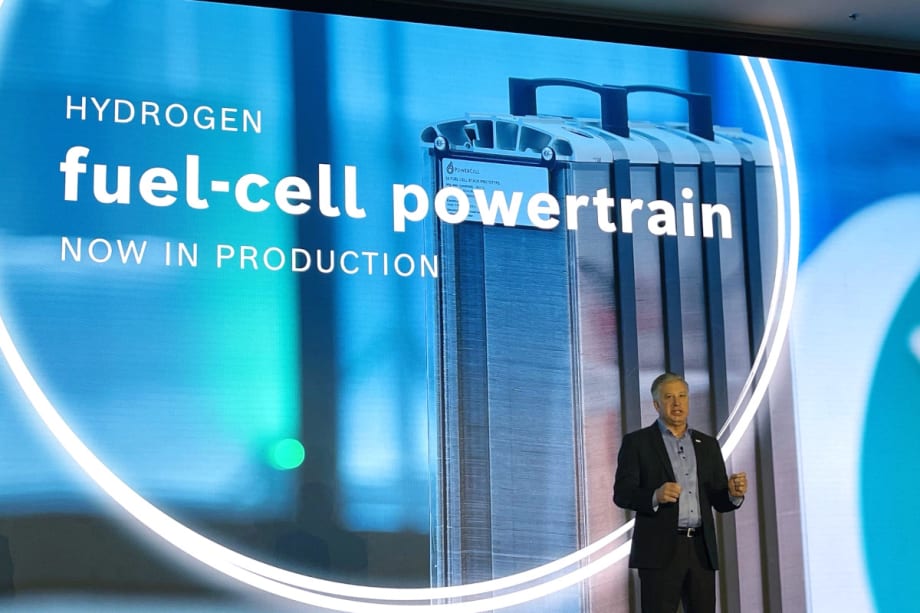
Mike Mansuetti, president of Bosch in North America, talks about the company's focus on hydrogen.
Photo: Jack Roberts
Global automotive supplier Bosch announced a variety of advanced high-tech transportation solutions at the 2024 Consumer Electronics Show — including the launch of a hydrogen engine later this year.
CES 2024 kicked off in Las Vegas, Nevada, with a press briefing from Bosch about the varied and wide-ranging transportation technology solutions it is pursuing.
“To help us meet our global energy needs in a resource-efficient way, Bosch is focusing on digitalization, electrification, and hydrogen,” said Tanja Rückert, member of the board of management of Robert Bosch GmbH.
Mike Mansuetti, president of Bosch in North America, said one of the company’s cutting-edge initiatives is “actively promoting hydrogen as a pillar of future mobility.”
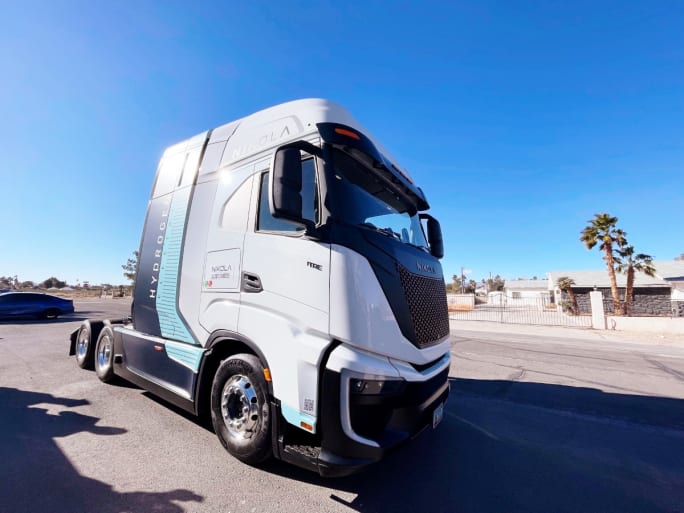
Bosch supplies the hydrogen fuel-cell system for the Nikola Tre Class 8 FCBEV.
Photo: Jack Roberts
In addition to electrification, Mansuetti said Bosch sees hydrogen as a key to meeting global energy demand in a resource-efficient way. He noted that Bosch is investing extensively in technologies along the hydrogen value chain.
The company’s initial focus is on mobile fuel-cell technology, which recently went into production in Stuttgart. Bosch supplies the hydrogen fuel-cell system for the Nikola Tre Class 8 FCBEV. Mansuetti added that Bosch has already received its first orders from truck manufacturers in Europe, the U.S., and China.
HDT conducted a walk-around of a new hydrogen-powered Nikola Tre FCEV on Sunday ahead of CES 2024 and took it for a brief test drive.
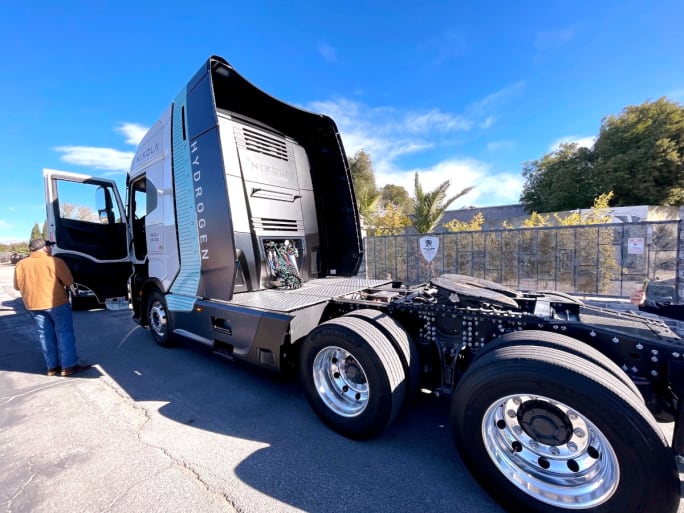
A Nikola Tre Class 8 hydrogen fuel-cell truck was on hand at CES.
Photo: Jack Roberts
Hydrogen Truck Engine in 2024
Mansuetti also announced that Bosch is working on components for a hydrogen fuel engine, which he said would provide "diesel-like" performance for heavy-duty transportation applications such as long-haul trucking, construction machinery, and other heavy-duty vehicles. These engines will be offered with both port- and direct-injection variants.
Bosch expects to launch this new engine technology later this year in Europe.
Countries and industries around the world are investing in hydrogen technologies, Mansuetti added. He noted that the U.S. government is pushing ahead with the development of H2 infrastructure and investing $7 billion in the construction of hydrogen hubs.
“The H2 hubs are an important building block for establishing a hydrogen infrastructure,” Mansuetti said. “We at Bosch support these measures and are exploring participation in several of these hubs. Our goal is to help drive forward the clean-energy economy in North America. This is an area where we can contribute our expertise in the production and provisioning of hydrogen.”
More Fuel Smarts

Calstart Becomes Catalyst Mobility, Reflecting Broader Focus
Calstart is now Catalyst Mobility, reflecting the nonprofit’s growing national role in clean transportation, including zero-emission trucks, infrastructure and incentive programs.
Read More →
Record Diesel Prices Squeeze Trucking Fleets
Average U.S. diesel prices have climbed to nearly $6 a gallon, surpassing the 2022 record as tight refinery capacity and Middle East disruptions keep fuel costs elevated.
Read More →
How Fuel Delivery Shapes Engine Performance
Fuel delivery depends on more than what happens at the injector. For fleet, maintenance and technical professionals, looking at the full path from pump to injector can provide useful context for understanding engine performance.
Read More →

East Coast Port Launches $45M Electric Truck Push
The Port Authority of New York and New Jersey announced millions in incentives for zero-emission drayage trucks, yard tractors, and new charging hubs near the port.
Read More →
California Bill Could Shed Light on Electric Truck Prices
Why do battery-electric Class 8 trucks remain so expensive? A California bill headed to Gov. Gavin Newsom would give fleets and state agencies more visibility into what manufacturers charge.
Read More →
Detroit Opens Orders for EPA 2027 Engines
Detroit isn’t starting from scratch to meet EPA 2027 diesel emissions standards. Its Gen 6 DD13 and DD15 engines keep much of today’s platform while updating the fuel and aftertreatment systems.
Read More →
Zero-Emission Truck Corridor Planned for West Coast
California, Oregon, Washington, British Columbia and Baja California are coordinating plans for truck charging and hydrogen fueling from Canada to Mexico.
Read More →
A Closer Look at Kenworth’s Electric T880E Vocational Truck [Video]
Learn more about Kenworth's T880E battery-electric vocational truck at the Paccar Technical Center, including its range, applications, upfitting considerations, and PTO options, in this HDT Spotlight video.
Read More →
Kenworth T880E Brings EV Power to Vocational Trucks
A closer look at the Kenworth T880E’s range, charging, powertrain and upfit options — and where fleets are showing the most interest.
Read More →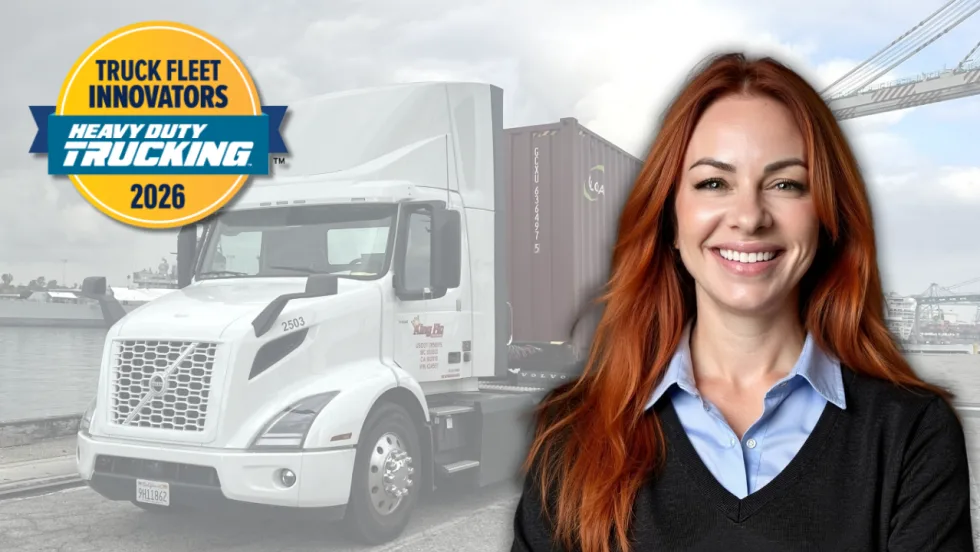
Jennie Abarca Is Proving Electric Trucks Can Do the Job
HDT Truck Fleet Innovator Jennie Abarca is building confidence in fleet electrification one load at a time while openly sharing the challenges she encounters along the way as a small-fleet owner.
Read More →