




Truck Makers, CARB Sign 'Unprecedented' Emissions Agreement
Truck and engine makers have struck a deal with the California Air Resources Board regarding the state's stringent zero-emissions targets.

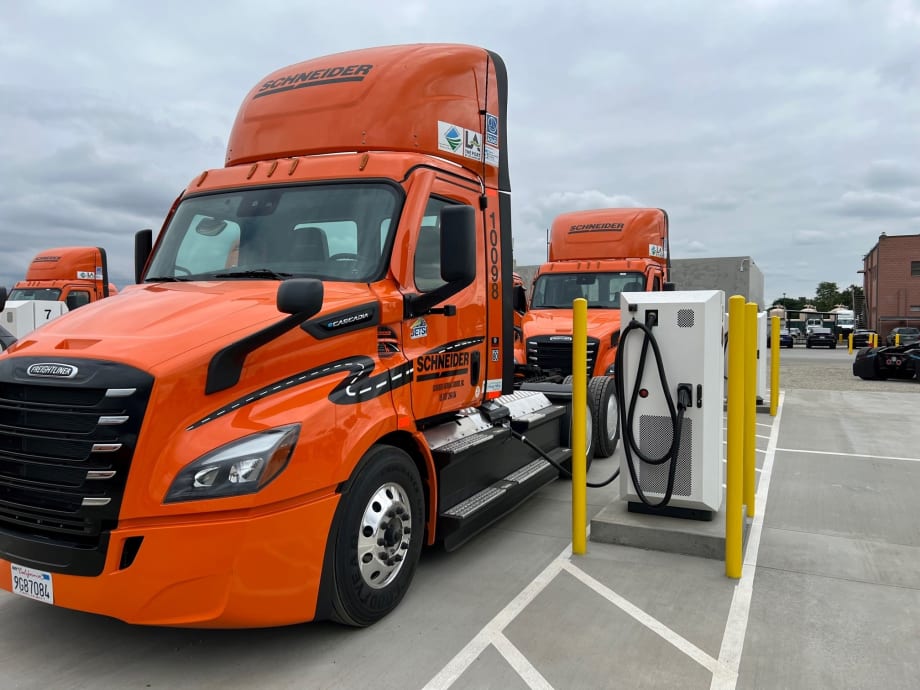
Even fleets that are ahead of the curve on ZEV adoption, such as Schneider, have discussed challenges such as charging infrastructure.
Photo: Martin Romjue
The Truck and Engine Manufacturers Association and key truck and engine makers have made a deal with the California Air Resources Board on the development of zero-emission vehicles for commercial trucking.
The agreement creating the Clean Truck Partnership includes flexibility for manufacturers to meet emissions requirements while still reaching the state’s climate and emission reduction goals, according to an announcement from CARB.
The agreement is a “commitment from the companies to meet California’s vehicle standards that will require the sale and adoption of zero-emissions technology in the state, regardless of whether any other entity challenges California’s authority to set more stringent emissions standards under the federal Clean Air Act," CARB said in a news release. "In turn, CARB has agreed to work collaboratively with manufacturers to provide reasonable lead time to meet CARB’s requirements and before imposing new regulations and to support the development of necessary ZEV infrastructure,”
The Clean Truck Partnership includes:
CARB
Truck and Engine Manufacturers Association
Cummins
Daimler Truck North America
Ford
General Motors
Hino Motors
Isuzu Technical Center of America
Navistar
Paccar
Stellantis
Volvo Group North America
The Terms of the Clean Truck Partnership Include:
CARB will align with EPA’s 2027 regulations for nitrogen oxide emissions. CARB also will modify elements of the 2024 NOx emission regulations for which manufacturers will provide offsets as necessary to maintain California’s emission targets.
CARB commits to providing no less than four years lead time and at least three years of regulatory stability before imposing new requirements.
Truck manufacturers commit to meeting CARB’s zero-emission and criteria pollutant regulations in the state regardless of any attempts by other entities to challenge California’s authority.
The Clean Truck Partnership comes as California prepares for implementation of its landmark rules that put in place a phased-in transition toward 100% sale and use of zero-emissions technology for medium- and-heavy duty vehicles under CARB’s Advanced Clean Trucks and Advanced Clean Fleets rule by 2045.
In March, the Biden administration approved California’s waiver under the federal Clean Air Act that allows the state to become the first in the world to require zero-emissions technology for trucks.
CARB chair Liane Randolph called the deal "unprecedented."
It represents "a new era in our zero-emission future, where we work together to address the needs of both the trucking industry and the Californians who deserve to breathe clean air,” Randolph said. “This agreement makes it clear that we have shared goals to tackle pollution and climate change and to ensure the success of the truck owners and operators who provide critical services to California’s economy.”
EMA President Jed Mandel said the agreement “reaffirms EMA’s and its members’ longstanding commitment to reducing emissions and to a zero-emissions commercial vehicle future, and it demonstrates how EMA and CARB can work together to achieve shared clean air goals.”
“Through this agreement, we have aligned on a single nationwide nitrogen oxide emissions standard, secured needed lead time and stability for manufacturers, and agreed on regulatory changes that will ensure continued availability of commercial vehicles," Mandel said. "We look forward to continuing to work constructively with CARB on future regulatory and infrastructure efforts designed to support a successful transition to ZEVs.
Remarks from Clean Truck Partership Members
Cummins
“Cummins continues to be committed to working collaboratively with CARB toward a zero emissions future. We appreciate CARB’s commitment to providing flexibilities as we transition to zero emissions, and for their efforts to align with EPA’s 2027 standards. We also welcome CARB’s commitment to collaborate in the further development of ZEV infrastructure needed for our customers to adopt these technologies. These actions will enable Cummins to improve product availability for our customers, while delivering significant emissions reductions,” said Shelley A. Knust, vice president of product compliance and regulatory affairs for Cummins Inc.
Daimler Truck
“At Daimler Truck we continue working towards achieving our goal of offering only carbon-neutral vehicles by 2039. For the overall industry transformation to become a reality, we believe the key to success is a close collaboration with all our stakeholders,” said Sean Waters, vice president of product compliance and regulatory affairs for Daimler Truck.
Ford
“Ford remains committed to working collaboratively with the California Air Resources Board and the Truck and Engine Manufacturers Association. During this extraordinary period of transition in the automotive industry, automakers need harmonization between programs to help meet our shared goal of lowering emissions from transportation to improve air quality, human health and the environment. This alignment between California and the Environmental Protection Agency’s national standards for model year 2027 and beyond will help us get more clean trucks on the road across the country,” said Cynthia Williams, global director sustainability, homologation and compliance at Ford Motor Company.
Navistar
“Navistar is committed to offering our customers products and services which support a sustainable future. This agreement enables the regulatory certainty we all need to prepare for a future which will include ever increasing volumes of low and zero-emissions technologies,” said Michael Noonan, director product certification and compliance for Navistar.
Paccar
“Paccar is committed to supporting the environmental goals of California and the nation as a whole and welcome the harmonization of future emissions regulation. This agreement provides regulatory certainty and supports a balanced transition to zero emissions by ensuring continued supply of product into California and opt-in states,” said John Rich, chief technology officer for Paccar.
Volvo Group
“The Volvo Group is pleased to support this joint agreement between the California Air Resources Board and the Truck and Engine Manufacturers Association. We believe this lays the foundation for our customers to have the greatest possible product availability consistent with California’s climate change and air quality goals. Through cooperative efforts such as this, the Volvo Group believes we can achieve the quickest and least disruptive transition to a commercial zero-emission vehicle future,” said Dawn Fenton, vice president, government relations and public affairs for Volvo Group North America.
More Fuel Smarts
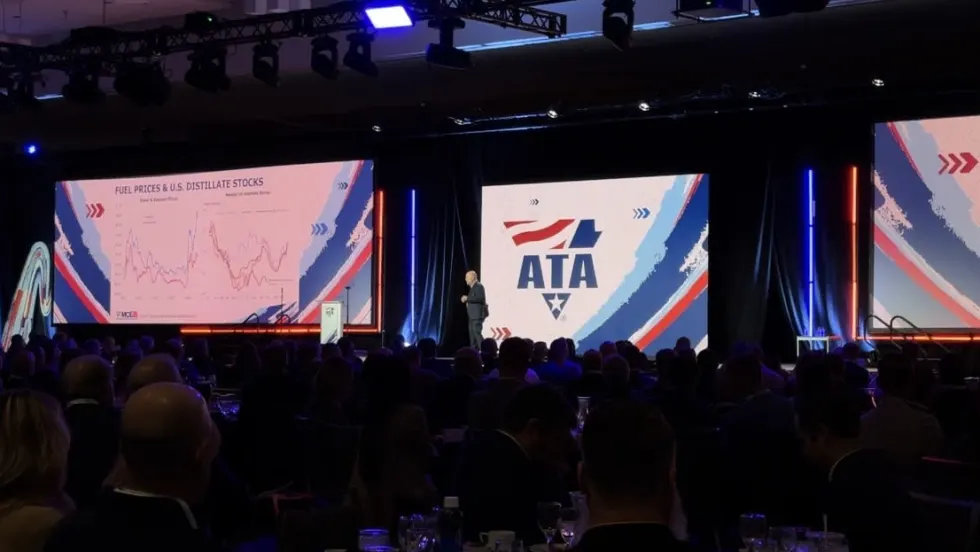
Trucking’s Diesel Squeeze Isn’t Letting Up
With diesel topping $6 a gallon nationally, ATA's Bob Costello explains why fleets should prepare for continued pressure at the pump.
Read More →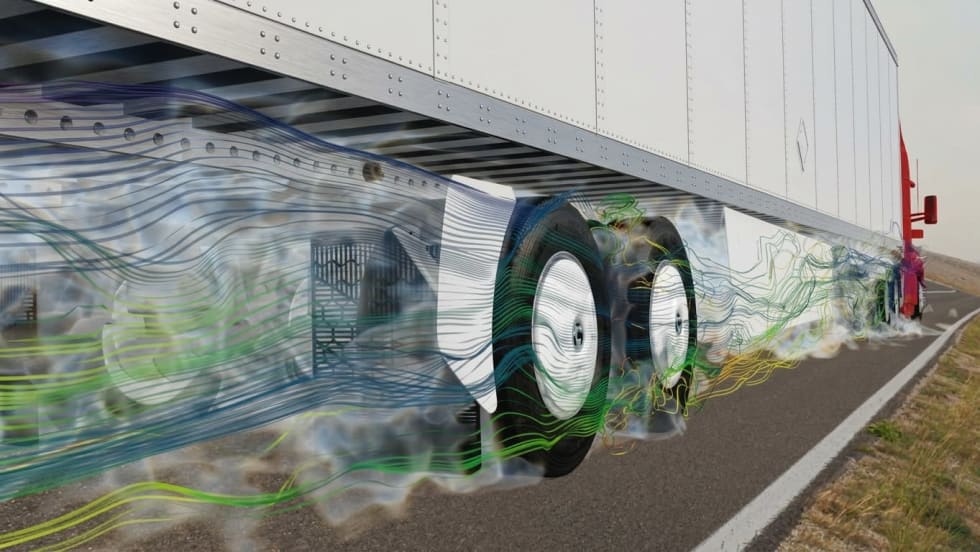
FlowBelow Redesigns Trailer AeroSlider to Cut Fuel Use
The lighter trailer aerodynamic system installs in less than 45 minutes, according to the company, with potential payback in under a year depending on fuel prices and trailer mileage.
Read More →
Why Diesel Price Relief Efforts May Fall Short
Diesel prices have eased from September’s record high, but doubts about additional Russian supply and limits on dyed-diesel tax relief mean trucking fleets still face expensive fuel. And prices could go higher.
Read More →
Why Small Fuel Savings Matter in Trucking
Can better fuel economy help pay for driver raises? In this podcast, GP Transco explains how small efficiency gains create room to reinvest in its people.
Read More →
How GP Transco Cuts Trucking Fuel Costs, a Tenth of a Gallon at a Time
What’s another tenth of a mile per gallon worth? GP Transco shares how equipment upgrades and driver coaching turn small gains into meaningful fuel savings.
Read More →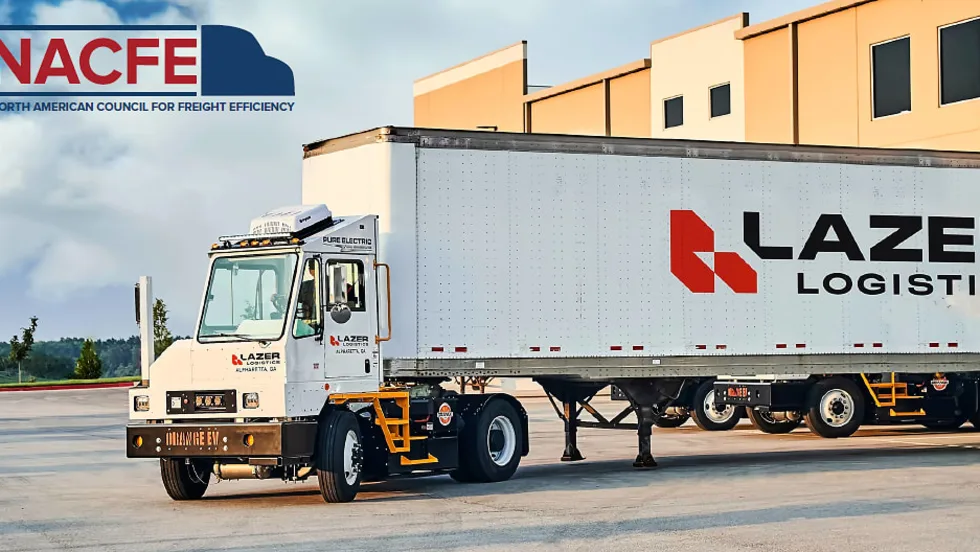
Electric Yard Tractors Move Beyond Pilots
Operating-cost savings have overtaken sustainability goals as the leading reason surveyed fleets are adopting battery-electric terminal tractors, according to new NACFE research.
Read More →
Geotab Links Fleet Card to Vehicle Data
The new card combines fuel discounts with telematics-based purchase controls. Geotab’s analysis also points to potential savings from choosing lower-priced fuel stops.
Read More →
Fleet Economics Shape Electric Truck Outlook
ACT Research expects costs, charging infrastructure, and technology improvements to drive zero-emission commercial vehicle adoption as federal regulations and incentives retreat.
Read More →
Wex Adds Cardless Fuel Payments for Over-the-Road Customers
A new fuel card feature for Wex customers offers convenience and security.
Read More →
New California Law Could Shed Light on Electric Truck Prices
Why do battery-electric Class 8 trucks remain so expensive? A California bill signed by Gov. Gavin Newsom would give fleets and state agencies more visibility into what manufacturers charge.
Read More →