





Dig Deeper: Is Collaboration the Answer to Trucking's Advancement?
Daimler Truck, Toyota Strike Deal to Advance Zero-Emissions Truck Tech
Mitsubishi Fuso and Hino will merge under a new deal struck by the two companies and their parent corporations, Daimler Truck and Toyota Motor Corp., respectively. The goal? Accelerate the development of advanced technologies such as zero-emissions and connected vehicles.
May 30, 2023
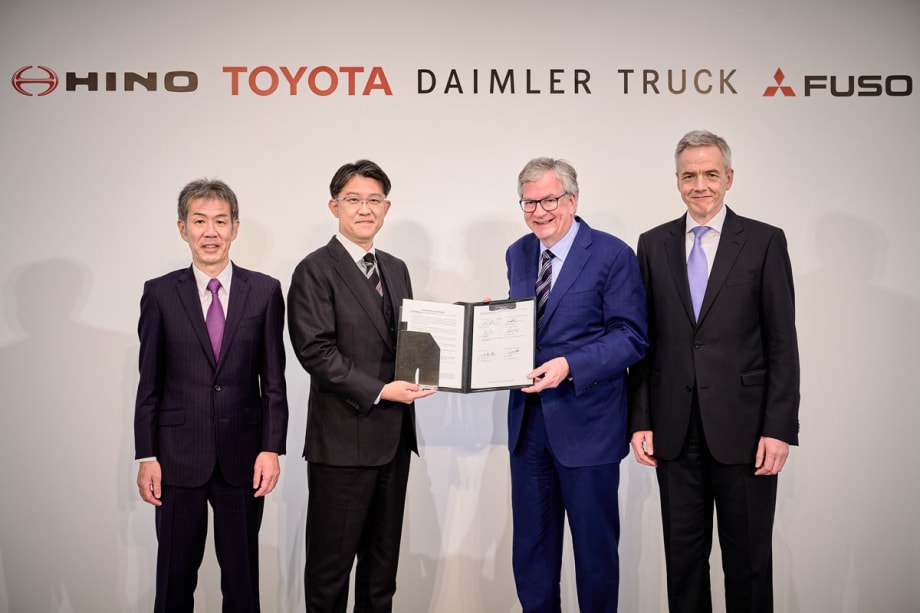
Daimler Truck, Mitsubishi Fuso, Hino, and Toyota signed a memorandum of understanding to merge Mitsubishi Fuso and Hino. Left to right, Satoshi Ogiso, president and CEO of Hino Motors; Koji Sato, president and CEO of Toyota Motor Corp.; Martin Daum, CEO of Daimler Truck AG; and Karl Deppen, CEO of Daimler Truck Asia.
Photo: Daimler Truck
2 min to read
Mitsubishi Fuso and Hino will merge under a new deal struck by the two companies and their parent corporations, Daimler Truck and Toyota Motor Corp., respectively. The goal? Accelerate the development of advanced technologies such as zero-emissions and connected vehicles.
MFTBC and Hino will merge on an equal footing and collaborate on commercial vehicle development, procurement and production, with the goal of building a globally competitive Japanese commercial vehicle manufacturer.
Daimler Truck and Toyota will equally invest in the holding company of the merged MFTBC and Hino. They will collaborate on the development of hydrogen and other CASE technologies (Connected/Autonomous & Automated/Shared/Electric), to support the competitiveness of the new company.
The deal is the latest in a trend of competitive truck makers teaming up in certain areas to advance zero-emissions technology. For instance, in 2021, Daimler Truck AG and Volvo Group formed a fuel-cell joint venture called Cellcentric.
More Details on Fuso-Hino Merger
By joining forces, MFTBC and Hino can enhance the competitiveness of Japanese truck manufacturers, according to the May 30 announcement. Both Daimler Truck and Toyota offer global lineups with diverse options based on local conditions and how their customers use vehicles.
Details on the scope and nature of the collaboration, including the name, location, shareholding ratio and corporate structure of the new holding company, will be decided over the course of the next 18 months.
The companies look to sign definitive agreements in the first quarter of 2024 and aim to close the transaction by the end of 2024.
What About North America?
The announcement did not mention how or if this announcement might affect the companies’ offerings in North America; HDT's editors are working to get more insight on that.
Comments provided in a news release focused on Japan and Southeast Asia. For instance, Martin Daum, CEO of Daimler Truck, said, "The planned new company will be a major force in Southeast Asia and an important associate of the Daimler Truck family."
Koji Sato, CEO of Toyota, called the collaboration between the four companies “a partnership for creating the future of commercial vehicles in Japan and the future of mobility society.”
Hino, which debuted heavy-duty trucks for North America a few years ago, recently announced it’s working with Hexagon Purus to offer a battery-electric version.
Daimler Truck North America dropped the Fuso brand in North America in 2020, but Daimler Truck recently introduced a new all-electric medium-duty Class 4-5 truck brand for North America, Rizon, which appears to be based on Fuso’s eCanter.
More Equipment
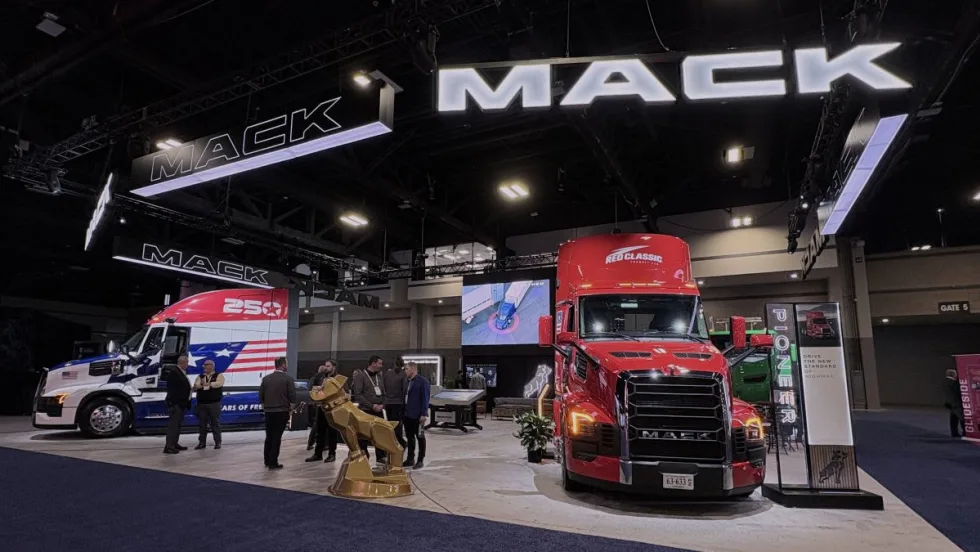
Trucks at ATA's 2026 MC&E in Charlotte, North Carolina [Photos]
From rigs decked out in patriotic America's 250 paint schemes to autonomous trucks and more, check out these photos from ATA's 2026 Management Conference & Exhibition.
Read More →
Help HDT Find Trucking’s Top Products
Have you come across a new product that could make a difference for trucking fleets? Nominate it for HDT’s 2027 Top 20 Products Awards by November 9.
Read More →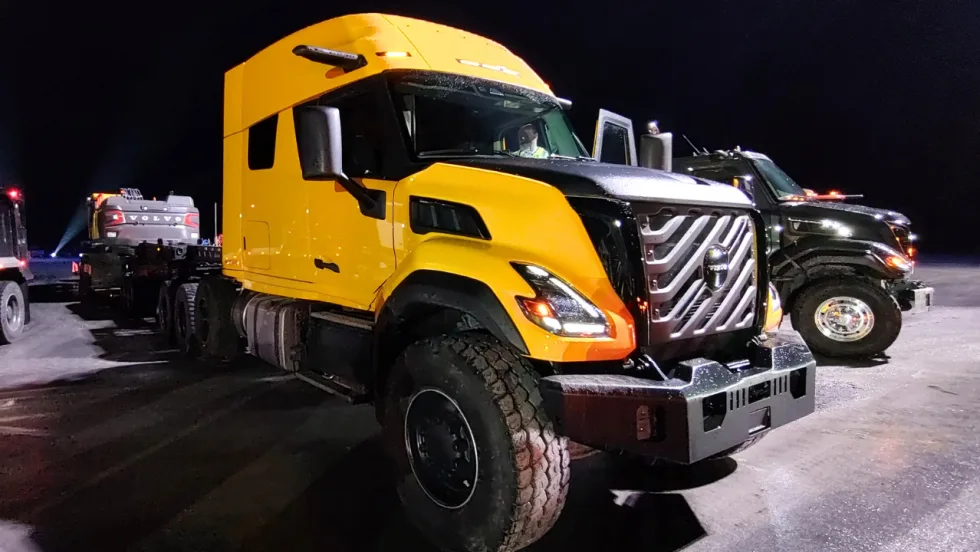
Volvo Unveils New VNX Heavy-Haul and Vocational Truck
Volvo Trucks has launched the VNX, a new vocational truck also available as a tractor in day cab and two sleeper configurations, with one heavy-haul model. The Volvo VNX is powered by Volvo's D13 platform, which delivers up to 540 horsepower and 1,950 pound-feet of torque and is EPA 2027-compliant.
Read More →
How GP Transco Cuts Trucking Fuel Costs, a Tenth of a Gallon at a Time
What’s another tenth of a mile per gallon worth? GP Transco shares how equipment upgrades and driver coaching turn small gains into meaningful fuel savings.
Read More →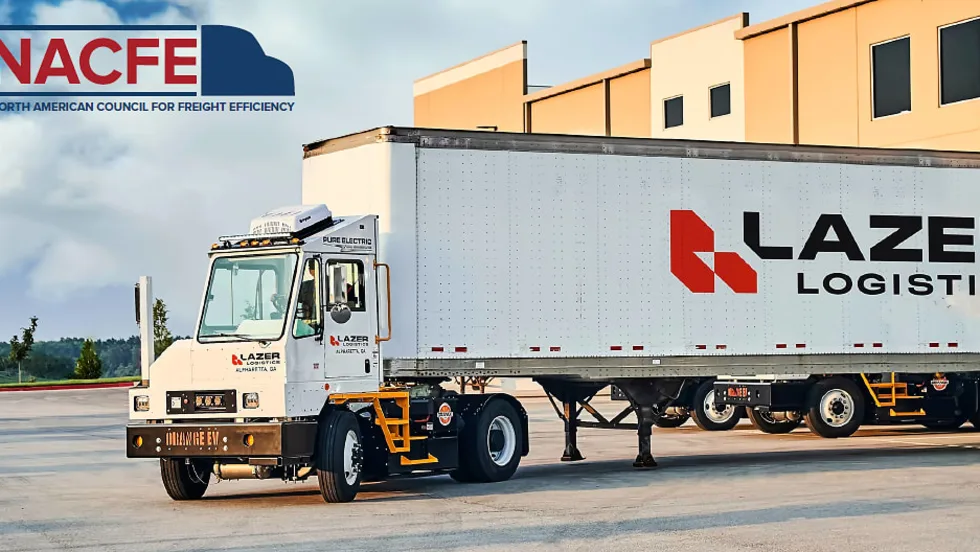
Electric Yard Tractors Move Beyond Pilots
Operating-cost savings have overtaken sustainability goals as the leading reason surveyed fleets are adopting battery-electric terminal tractors, according to new NACFE research.
Read More →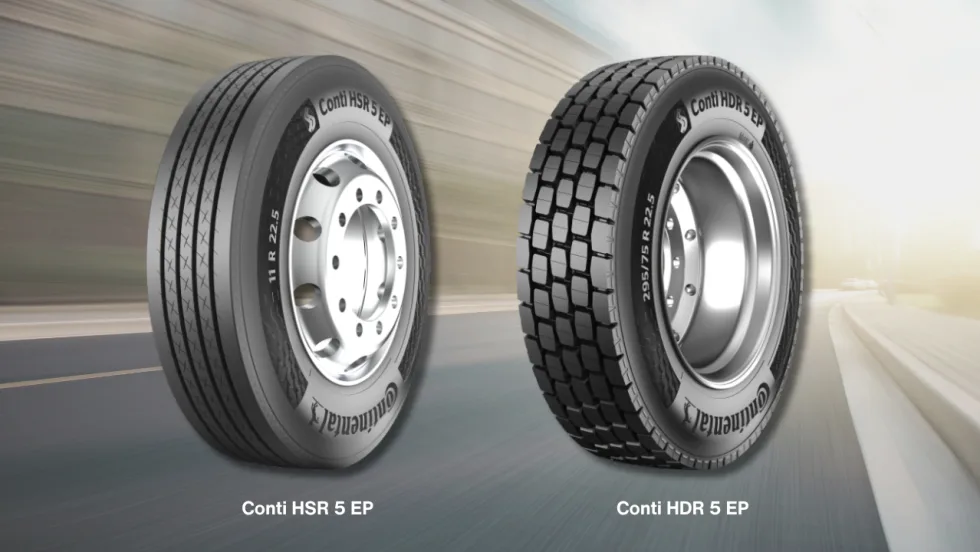
Continental Introduces New Regional Truck Tires
Continental says its new Generation 5 steer and drive tires for regional operations offer longer tread life, with estimated mileage gains of 22% and 19%, respectively.
Read More →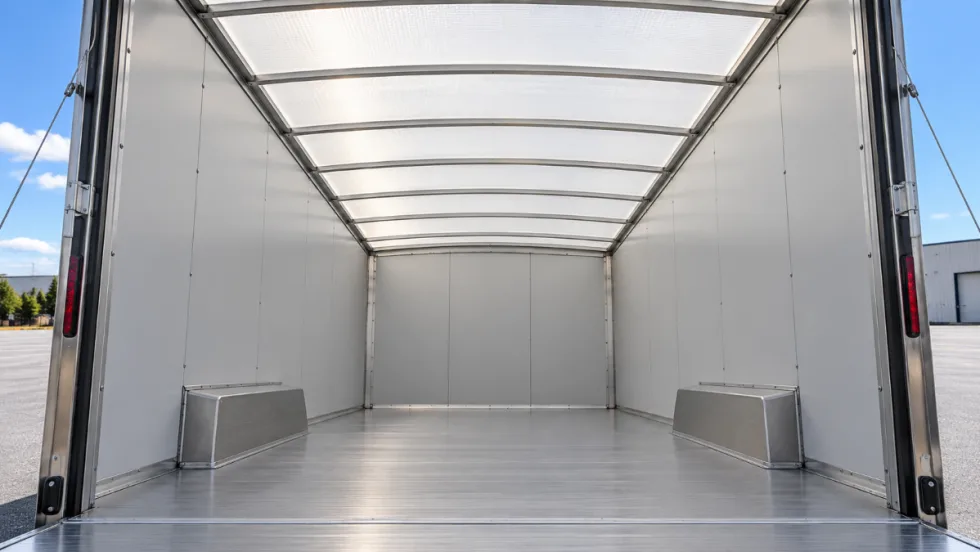
Tekmodo Introduces CargoBright Brand for Translucent Trailer Roofs
CargoBright is designed to diffuse daylight across the cargo area while performing as a working vehicle roof.
Read More →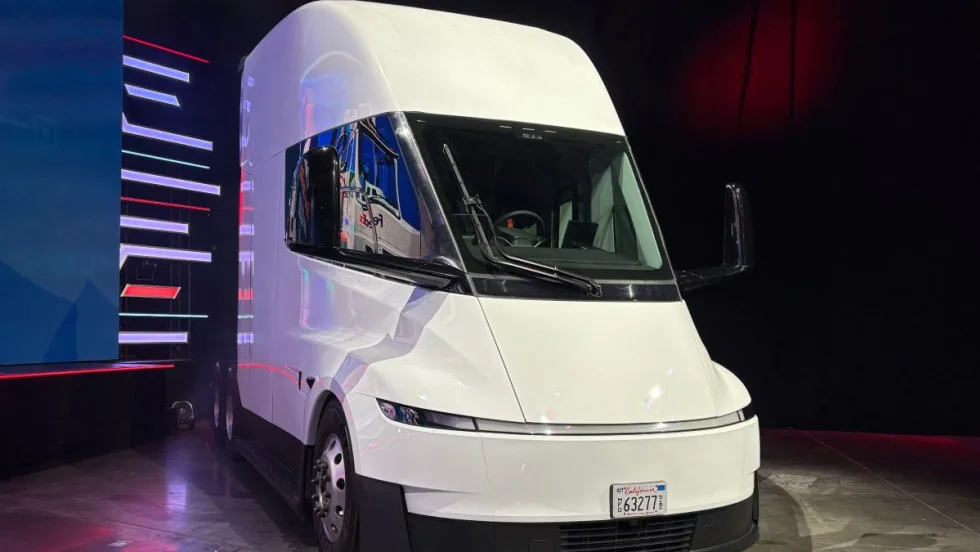
Fleet Economics Shape Electric Truck Outlook
ACT Research expects costs, charging infrastructure, and technology improvements to drive zero-emission commercial vehicle adoption as federal regulations and incentives retreat.
Read More →
Kodiak Targets Dallas–Houston for Driverless Trucks
The company says its autonomous trucks are completing the I-45 run without a safety observer taking control. It plans to remove the observer by the end of 2026.
Read More →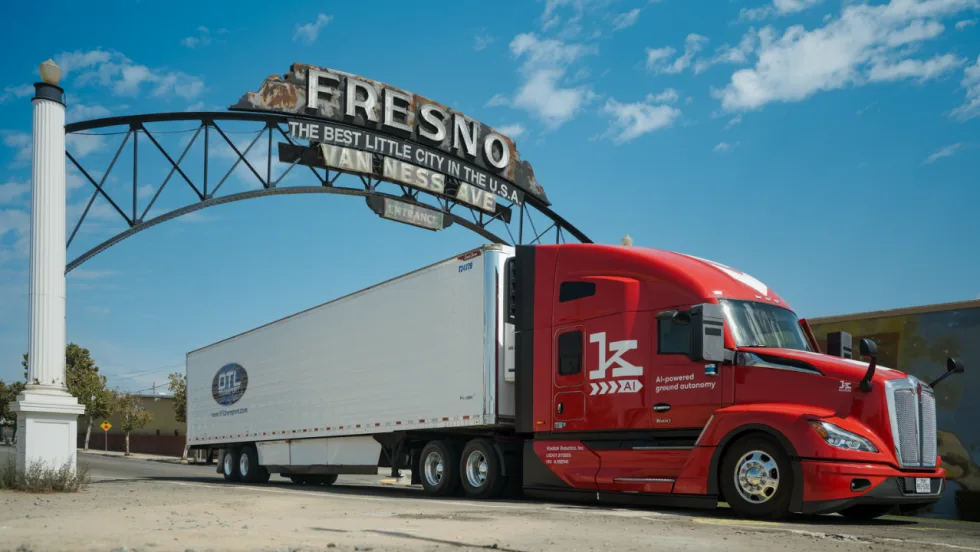
Kodiak Hauls Produce in California Autonomous Truck Pilot
Kodiak AI and DTL Transport have begun hauling produce between Fresno and Los Angeles under California’s new rules for testing heavy-duty autonomous trucks. A safety driver remains behind the wheel.
Read More →