




Daimler, Volvo Form Fuel-Cell Truck Joint Venture
The cellcentric joint venture will develop, produce and commercialize fuel-cell systems for long-haul trucking.

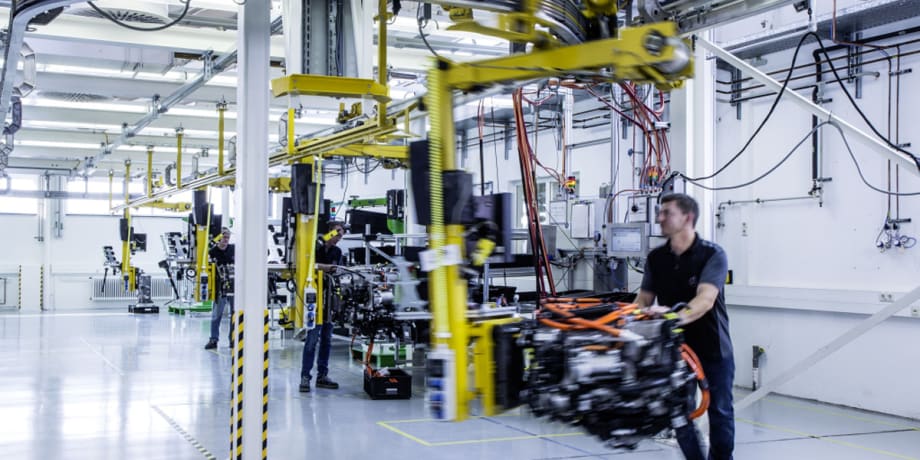
Shown, components being assembled into a finished fuel-cell system in Nabern, Germany.
Photo: Daimler
As part of a commitment to accelerate the use of hydrogen-based fuel cells for long-haul trucks, Daimler Truck AG and Volvo Group have outlined their roadmap for a new fuel-cell joint venture called cellcentric.
The joint venture will build one of Europe’s largest planned series production of fuel-cell systems, with operation planned to commence in 2025. Designed to help meet the 2050 targets of sustainable transport and a carbon-neutral Europe as part of the European Green Deal, cellcentric will develop, produce and commercialize fuel-cell systems for both long-haul trucking and other applications.
To accelerate the rollout of hydrogen-based fuel-cells, the two shareholders call for a harmonized EU hydrogen policy framework to support the technology in becoming a viable commercial solution, Volvo officials said in a press release.
Currently, cellcentric is conceptualizing the plans for its large-scale series production. More details and a decision on the location will be revealed over the course of 2022. As a significant step towards series production, preparations for pre-series production are taking place at a new site in Esslingen near Stuttgart.
Daimler and Volvo’s goal is to start with customer tests of fuel-cell trucks in about three years and to be in series production of fuel-cell trucks during the second half of this decade. All vehicle-related activities are carried out independently from each other, as both companies remain competitors in all vehicle and product ranges, and particularly in fuel-cell integration solutions for all products, Volvo officials said.
According to Daimler and Volvo, purely battery-electric and hydrogen-based fuel-cell trucks will complement each other depending on the individual customer use case. Battery power will be rather used for lower cargo weights and for shorter distances, while fuel-cell power will tend to be the preferred option for heavier loads and longer distances.
“Our united ambition is to meet the targets in the Paris agreement of becoming CO2-neutral by 2050 at the latest,” said Martin Lundstedt, CEO of Volvo Group. “We are convinced that hydrogen fuel-cell technology plays an essential role in helping us reach that milestone. But we know there is so much more to achieve than just the electrification of machines and vehicles. There needs to be greater cooperation between public and private stakeholders to develop the necessary technology and infrastructure, which is why we are calling for united action from policymakers and governments around the world in helping us make hydrogen fuel-cell technology a success.”
The major truck manufacturers in Europe, also backed by Daimler Truck AG and Volvo Group, are therefore calling for the setup of around 300 high-performance hydrogen refueling stations suitable for heavy-duty vehicles by 2025 and of around 1,000 hydrogen refueling stations no later than 2030 in Europe. This joint initiative, using hydrogen as a carrier of green electricity to power electric trucks in long-haul operations, is one important part of decarbonizing road transport.
As CO2-neutral trucks are currently significantly more expensive than conventional vehicles, a policy framework is needed to ensure demand and affordability. According to Daimler and Volvo, this should include incentives for CO2-neutral technologies and a taxation system based on carbon and energy content. An emissions trading system could be an additional option.
More Fuel Smarts

Trucking’s Diesel Squeeze Isn’t Letting Up
With diesel topping $6 a gallon nationally, ATA's Bob Costello explains why fleets should prepare for continued pressure at the pump.
Read More →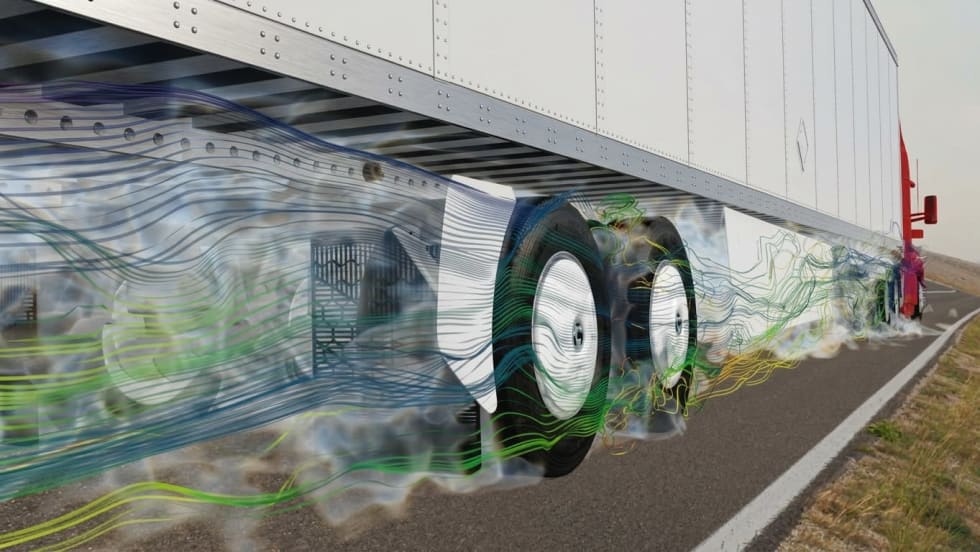
FlowBelow Redesigns Trailer AeroSlider to Cut Fuel Use
The lighter trailer aerodynamic system installs in less than 45 minutes, according to the company, with potential payback in under a year depending on fuel prices and trailer mileage.
Read More →
Why Diesel Price Relief Efforts May Fall Short
Diesel prices have eased from September’s record high, but doubts about additional Russian supply and limits on dyed-diesel tax relief mean trucking fleets still face expensive fuel. And prices could go higher.
Read More →
Why Small Fuel Savings Matter in Trucking
Can better fuel economy help pay for driver raises? In this podcast, GP Transco explains how small efficiency gains create room to reinvest in its people.
Read More →
How GP Transco Cuts Trucking Fuel Costs, a Tenth of a Gallon at a Time
What’s another tenth of a mile per gallon worth? GP Transco shares how equipment upgrades and driver coaching turn small gains into meaningful fuel savings.
Read More →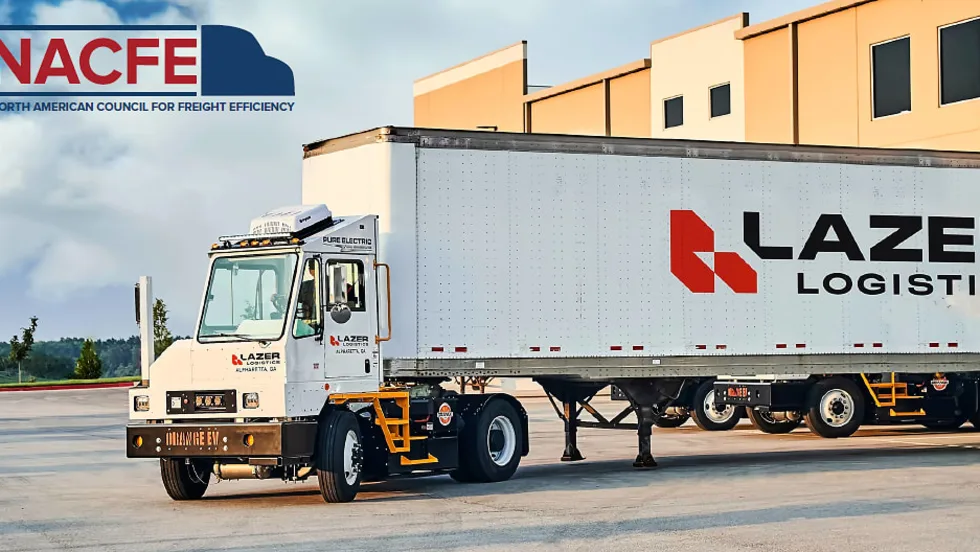
Electric Yard Tractors Move Beyond Pilots
Operating-cost savings have overtaken sustainability goals as the leading reason surveyed fleets are adopting battery-electric terminal tractors, according to new NACFE research.
Read More →
Geotab Links Fleet Card to Vehicle Data
The new card combines fuel discounts with telematics-based purchase controls. Geotab’s analysis also points to potential savings from choosing lower-priced fuel stops.
Read More →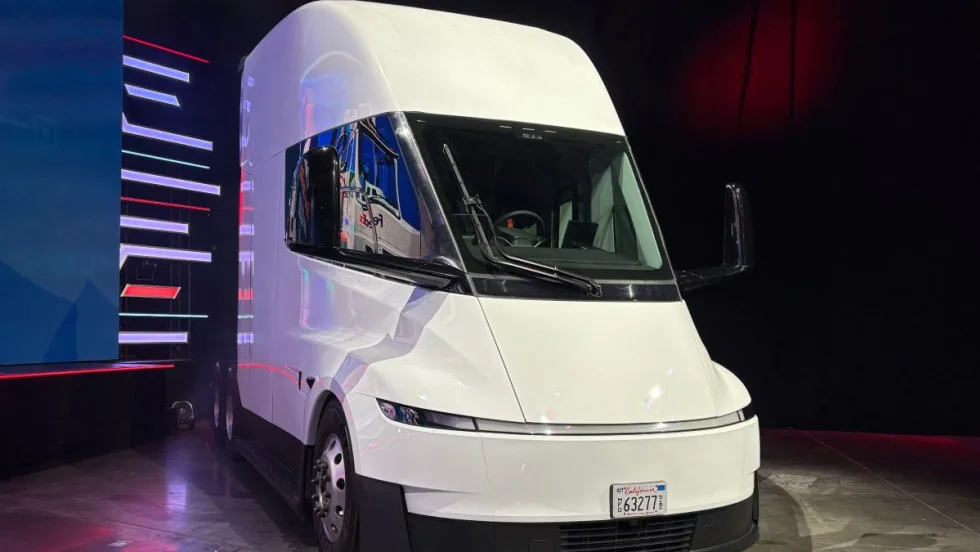
Fleet Economics Shape Electric Truck Outlook
ACT Research expects costs, charging infrastructure, and technology improvements to drive zero-emission commercial vehicle adoption as federal regulations and incentives retreat.
Read More →
Wex Adds Cardless Fuel Payments for Over-the-Road Customers
A new fuel card feature for Wex customers offers convenience and security.
Read More →
New California Law Could Shed Light on Electric Truck Prices
Why do battery-electric Class 8 trucks remain so expensive? A California bill signed by Gov. Gavin Newsom would give fleets and state agencies more visibility into what manufacturers charge.
Read More →