




Detroit Opens Orders for EPA 2027 Engines
Detroit isn’t starting from scratch to meet EPA 2027 diesel emissions standards. Its Gen 6 DD13 and DD15 engines keep much of today’s platform while updating the fuel and aftertreatment systems.

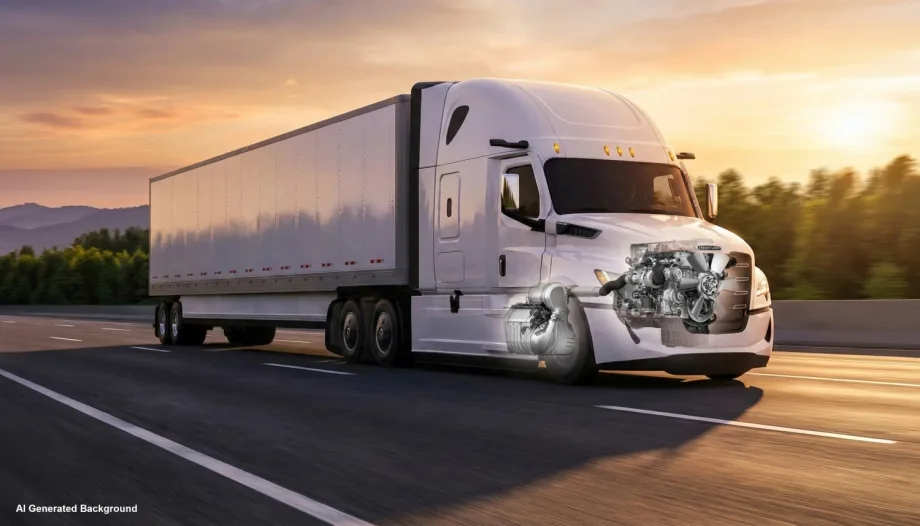
For on-highway applications, Detroit's EPA 2027 Gen 6 engines will be available in the Freightliner Cascadia.
Daimler Truck North America
- Detroit has opened orders for its new Gen 6 DD13 and DD15 engines.
- The engines retain much of the existing platform design but incorporate updates to the fuel system and aftertreatment.
- These changes are implemented to comply with the EPA's 2027 emissions standards.
*Summarized by AI
Daimler Truck North America customers will soon be able to order Detroit’s next-generation heavy-duty engines designed to meet EPA 2027 emissions requirements.
Starting September 1, customers can specify the Detroit Gen 6 DD13 and DD15 engines in Freightliner and Western Star trucks.
Rather than developing an entirely new engine architecture for 2027, Detroit updated its existing heavy-duty engine platform. About 75% of the Gen 6 engines’ core components carry over from the previous generation, according to Daimler Truck North America.
That approach is intended to give fleets a more familiar transition to the new emissions standards, with changes focused primarily on the fuel system, emissions controls and thermal management.
“Customers don't want to choose between proven performance and future-ready technology. With the Detroit Gen 6 engine platform, they don’t have to,” said David Carson, senior vice president of sales and marketing for DTNA.
“We’ve built on the foundation customers already know and trust while introducing targeted improvements that make the transition to EPA 2027 straightforward.”
Changing Regulations
There has been a lot of uncertainty surrounding the EPA 2027 regulations, which implement stringent new nitrogen oxide (NOx) emissions limits.
As we reported in July, the EPA proposed significant changes to its 2027 heavy-duty diesel emissions rule. The EPA proposed rule would leave in place the NOx emissions standard scheduled to take effect with 2027 model-year heavy-duty diesel engines.
However, it would delay some of the rule's costly implementation requirements, including longer useful-life requirements and expanded emissions warranties, while eliminating mandatory diesel exhaust fluid (DEF) engine derates.
The proposal also would give engine manufacturers more flexibility in how they transition to the new standards. Although comments close on that proposed rule on August 29, engine makers appear to be assuming that it is likely to become final substantially as is.
Detroit is moving ahead with its Gen 6 launch as engine makers take different approaches to EPA’s proposed flexibility for the 2027 transition. Daimler Truck North America has said it plans to move entirely to its EPA 2027-compliant Detroit lineup at the beginning of the year.
Cummins, however, announced it is changing the rollout of its EPA 2027 engines to phase in its new engines while continuing to offer current-generation models.
Paccar also has indicated it will offer pre-2027-standard engines during the transition, and International has said it's keeping its options open on the rollout of its EPA 2027 S13 engine.
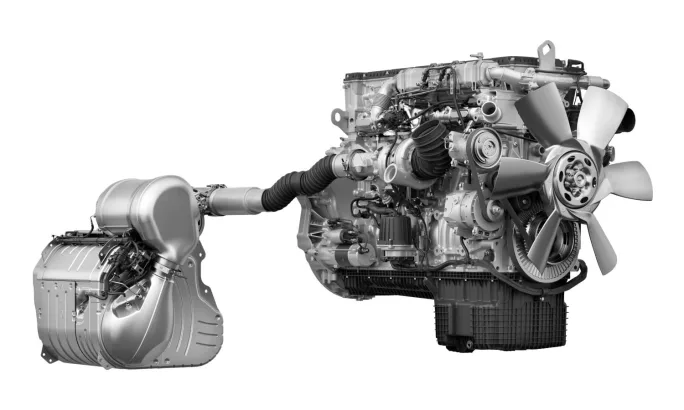
Detroit's approach to EPA 2027 compliance builds on decades of designing engines and aftertreatment systems to work together. By engineering both systems as one, Detroit has continuously evolved its heavy-duty engines through increasingly stringent emissions standards
Daimler Truck North America
What is Detroit Changing to Meet EPA 2027?
Detroit’s heavy-duty engine platform dates back to 2007, with more than 1.2 million engines sold for on-highway and vocational applications.
Rather than adding an unfamiliar emissions technology, the company emphasized that the new system builds on selective catalytic reduction technology already used in today’s trucks.
For the 2027 Gen 6 DD13 and DD15, Detroit redesigned the fuel system with a simplified architecture that provides more consistent fuel flow while maintaining fuel pressure for efficiency.
The emissions system adds a pre-SCR system along with an integrated thermal-management strategy that uses engine exhaust heat to bring the aftertreatment system up to operating temperature more quickly.
Detroit said the changes should reduce the need for parked regenerations while helping the engines meet EPA’s tougher 2027 emissions limits.
Company officials have said previously that the new EPA rule inevitably drives higher DEF consumption, but Detroit’s response is to offset that cost upstream. The Gen 6 engines will deliver approximately 3% improvement in driving fuel efficiency for a typical linehaul fleet, assuming proper thermal management and idle discipline.
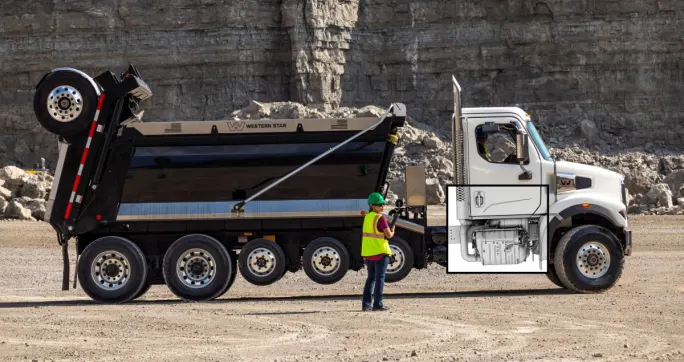
The Detroit Gen 6 aftertreatment system fits within the truck’s existing chassis space without requiring additional room behind the cab.
Damler Truck North America
Vocational Trucks Keep Existing Packaging
For vocational fleets, one potentially important change is what isn’t changing.
Detroit said the Gen 6 aftertreatment system fits within the truck’s existing chassis space without requiring additional room behind the cab.
That means body builders and truck equipment manufacturers should be able to continue installing vocational bodies and equipment without redesigning existing upfits around a larger emissions system.
For on-highway applications, the Gen 6 engines will be available in the Freightliner Cascadia.
Three Years and 8 Million Miles of Testing
Detroit said the Gen 6 platform underwent three years of testing, including more than 8 million miles of real-world validation.
Testing included extreme temperatures, high-altitude operation, and extended idling conditions.
The Gen 6 DD13 and DD15 engines are scheduled to become available for customer orders beginning September 1 in Freightliner and Western Star trucks.
More Equipment

How GP Transco Cuts Trucking Fuel Costs, a Tenth of a Gallon at a Time
What’s another tenth of a mile per gallon worth? GP Transco shares how equipment upgrades and driver coaching turn small gains into meaningful fuel savings.
Read More →
Electric Yard Tractors Move Beyond Pilots
Operating-cost savings have overtaken sustainability goals as the leading reason surveyed fleets are adopting battery-electric terminal tractors, according to new NACFE research.
Read More →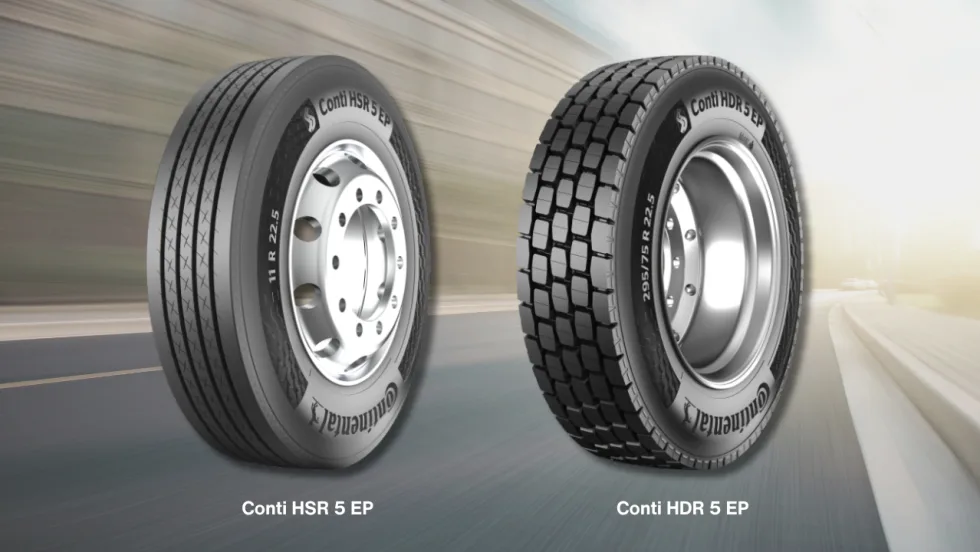
Continental Introduces New Regional Truck Tires
Continental says its new Generation 5 steer and drive tires for regional operations offer longer tread life, with estimated mileage gains of 22% and 19%, respectively.
Read More →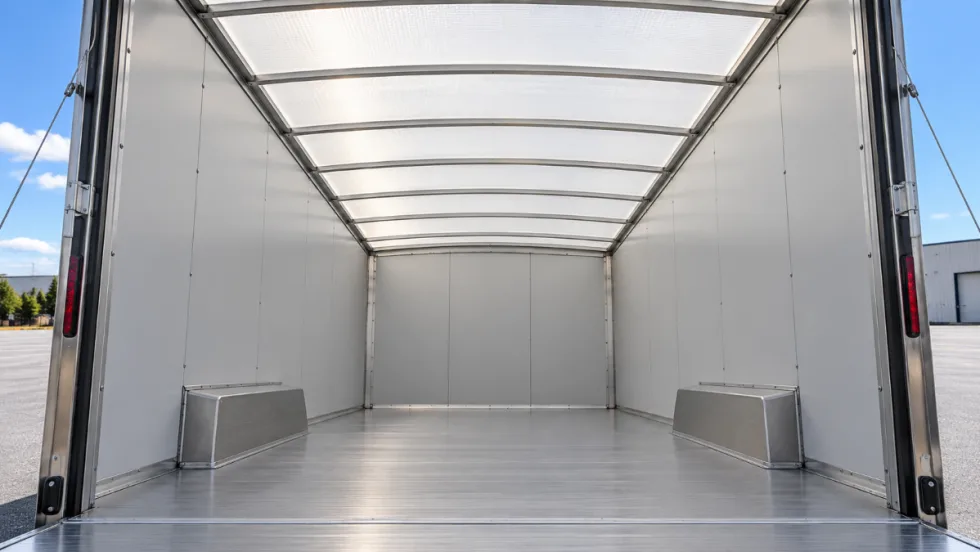
Tekmodo Introduces CargoBright Brand for Translucent Trailer Roofs
CargoBright is designed to diffuse daylight across the cargo area while performing as a working vehicle roof.
Read More →
Fleet Economics Shape Electric Truck Outlook
ACT Research expects costs, charging infrastructure, and technology improvements to drive zero-emission commercial vehicle adoption as federal regulations and incentives retreat.
Read More →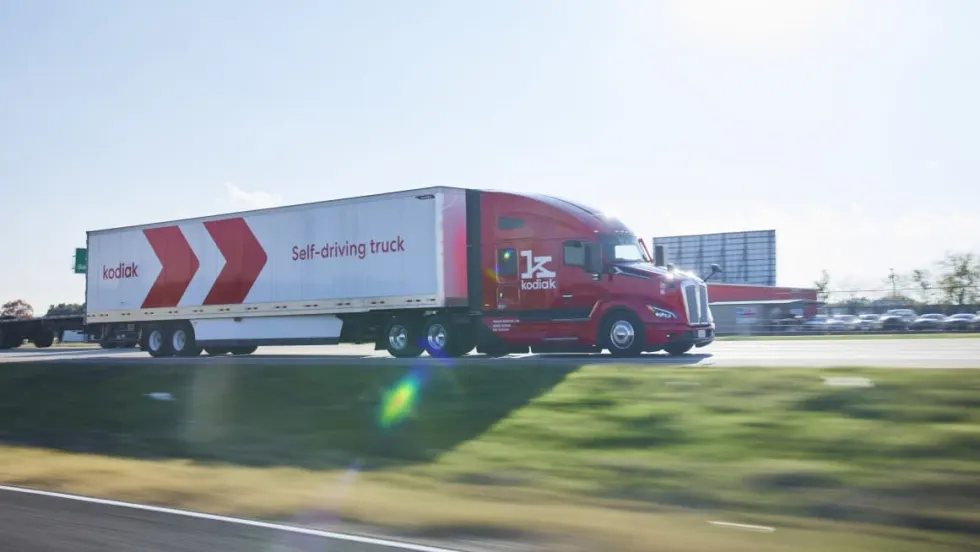
Kodiak Targets Dallas–Houston for Driverless Trucks
The company says its autonomous trucks are completing the I-45 run without a safety observer taking control. It plans to remove the observer by the end of 2026.
Read More →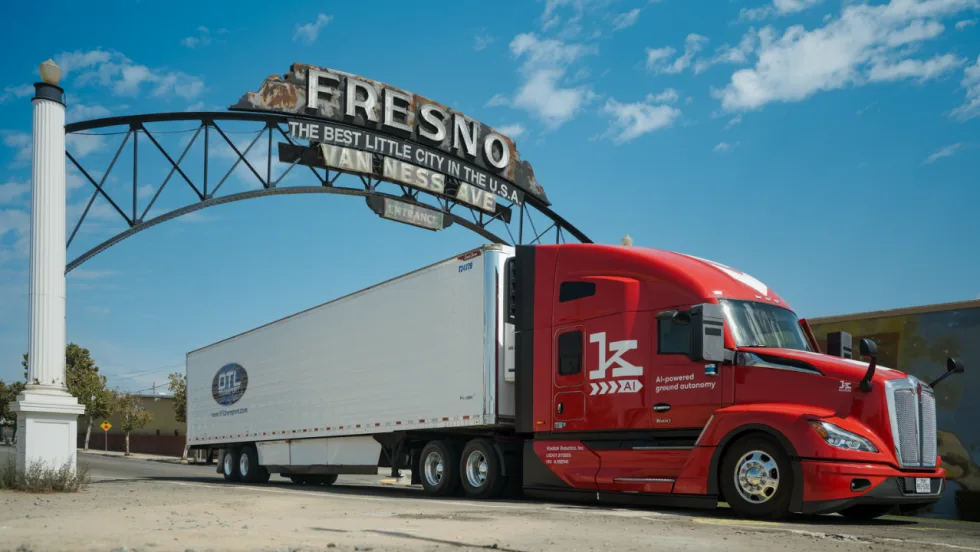
Kodiak Hauls Produce in California Autonomous Truck Pilot
Kodiak AI and DTL Transport have begun hauling produce between Fresno and Los Angeles under California’s new rules for testing heavy-duty autonomous trucks. A safety driver remains behind the wheel.
Read More →
Used-Truck Remarketing Math Is Changing
Used-truck value is no longer just a concern at trade-in. Decisions made throughout a truck’s first life can influence what it’s worth years later.
Read More →
How Volvo Updated Its D13 for EPA 2027 [Watch]
Volvo’s updated D13 promises lower emissions without sacrificing performance or fuel economy. Take a closer look at what changed inside the engine in this HDT Spotlight video.
Read More →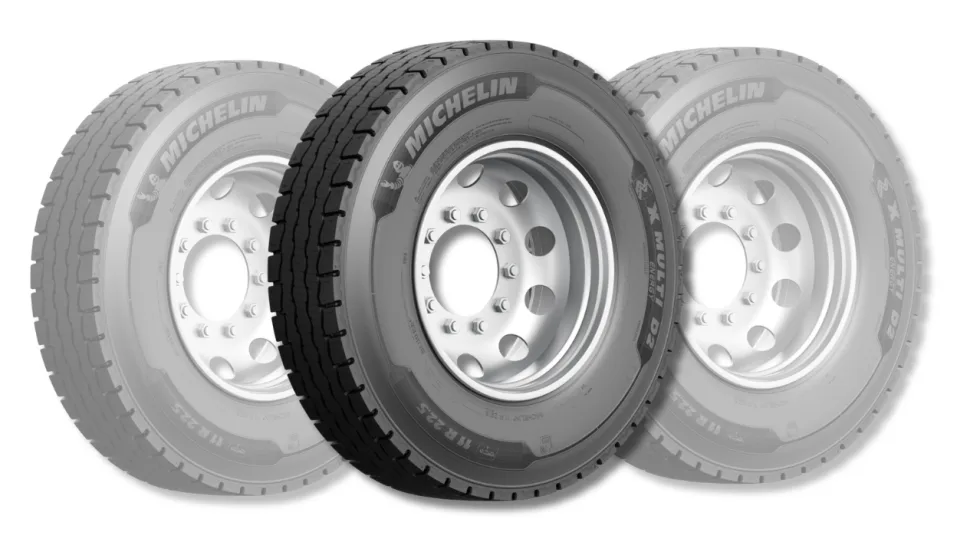
Michelin Tire Improves Efficiency and Durability for Regional Fleets
The Michelin X Multi Energy D2 is a regional haul drive tire engineered to help fleets improve fuel efficiency, durability and traction in demanding stop-and-go operations.
Read More →