





Lessons Learned About Alternative Fuels and EVs: Start Small, Stay Flexible
Fleet Economics Shape Electric Truck Outlook
ACT Research expects costs, charging infrastructure, and technology improvements to drive zero-emission commercial vehicle adoption as federal regulations and incentives retreat.
September 30, 2026
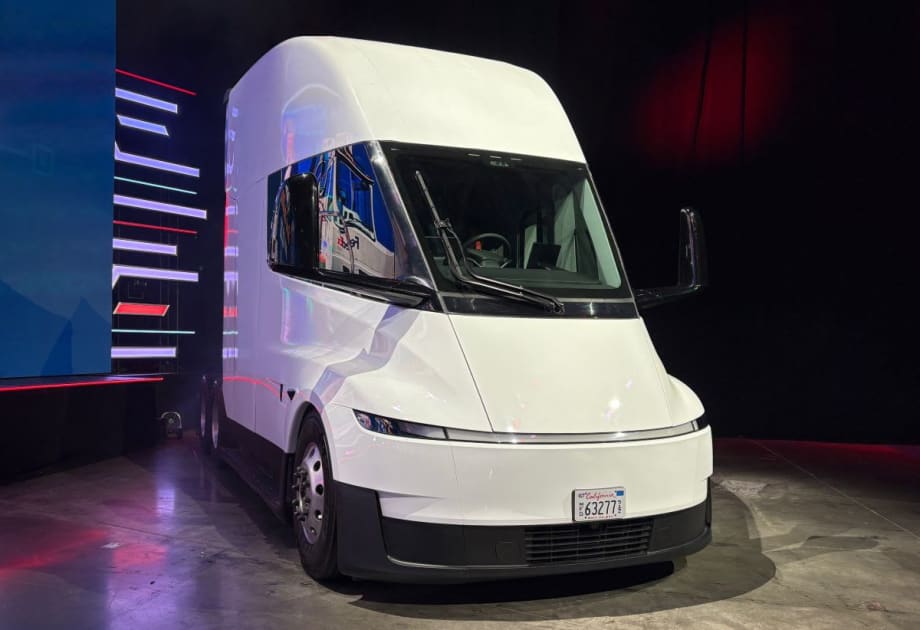
The Tesla Semi electric truck, shown here at ACT Expo earlier this year, is helping to drive interest in Class 8 battery-electric trucks despite the changes in the regulatory environment.
Credit:
Deborah Lockridge
3 min to read
- ACT Research forecasts that fleet economics will heavily influence the transition to electric trucks.
- Key factors driving this transition include the costs of adoption, availability of charging infrastructure, and continuous technology advancements.
- The role of federal regulations and incentives in supporting zero-emission vehicles may diminish over time.
*Summarized by AI
The business case for electric trucks is taking on greater importance as federal policy removes some of the regulatory pressure and financial incentives that encouraged fleets to adopt them.
That shift is reshaping ACT Research’s zero-emission vehicle forecast. The research firm says its projections now rely on financial viability and technology improvements — factors that influence fleet purchasing decisions regardless of emissions mandates.
ACT’s September 2026 Outlook Plus report points to continued, but gradual, adoption of zero-emission commercial vehicles. High upfront costs remain a barrier, with broader growth expected after 2030.
Federal Policy Changes the Forecast
In less than two years, ACT Research said, the tide has turned on legislation that would have driven greater adoption of CV decarbonization efforts.
ACT’s earlier forecasts were heavily influenced by emissions regulations, particularly California’s Advanced Clean Trucks rule, which required manufacturers to sell increasing percentages of zero-emission trucks.
In June 2025, Congress and President Trump used the Congressional Review Act to revoke federal waivers for that rule and California’s Heavy-Duty Omnibus emissions regulation.
In February 2026, EPA rescinded its 2009 greenhouse gas endangerment finding and repealed federal greenhouse gas emissions standards for vehicles and engines.
Federal tax incentives also ended earlier than originally scheduled. The One Big Beautiful Bill Act, enacted in July 2025, shortened the availability of two credits established by the Inflation Reduction Act:
- Commercial Clean Vehicle Credit: Offered up to $40,000 for qualifying commercial vehicles weighing at least 14,000 pounds. Vehicles acquired after Sept. 30, 2025, are ineligible.
- Alternative Fuel Vehicle Refueling Property Credit: Ended for qualifying charging and refueling equipment placed in service after June 30, 2026.
Although some state and local incentives remain available, ACT says its forecast generally does not assume subsidies will boost adoption.
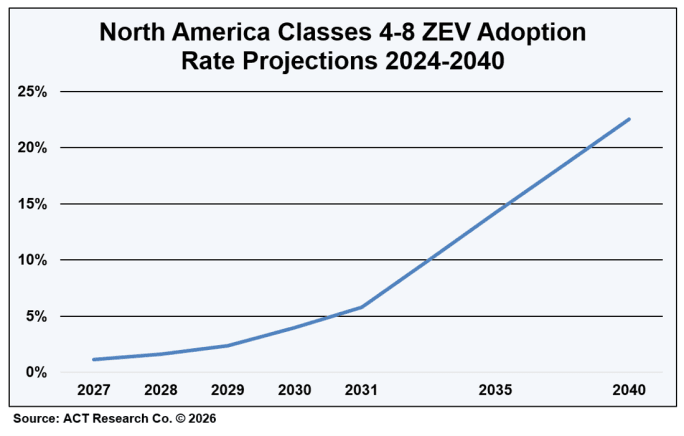
ACT Research expects ZEV truck adoption to accelerate after 2030 as powertrain efficiency improves, costs decline, charging becomes faster, and charging infrastructure expands.
Credit:
ACT Research
A Modest Increase for Class 8 Electric Trucks
ACT’s overall outlook for cumulative zero-emission vehicle adoption changed little from its June 2026 forecast. However, the firm made small upward adjustments to its Class 8 battery-electric truck projections.
In the near term, ACT cites orders indicating interest in the Tesla Semi. For the longer term, discussions with fleets already operating battery-electric trucks led the firm to revisit its assumptions about charging infrastructure utilization.
Those adjustments suggest opportunities for electric trucks even as the broader policy environment becomes less supportive.
Costs Still Limit Broader Adoption
ACT sees battery-electric vehicles as a workable option for some lighter commercial vehicles and duty cycles suited to an electric powertrain. Higher purchase prices, however, continue to limit the potential for widespread adoption over the next several years.
The firm expects adoption to accelerate after 2030 as powertrain efficiency improves, costs decline, charging becomes faster, and charging infrastructure expands.
Hydrogen fuel-cell vehicles are expected to play a smaller role, with deployments concentrated in specific applications rather than reaching the adoption levels projected for battery-electric vehicles.
By 2040, ACT analysts predict a 22% ZEV adoption rate (electric and hydrogen) across Classes 4-8.
For fleets evaluating electric trucks, ACT’s outlook places greater weight on whether equipment and charging investments can meet operational demands at a competitive cost.
Subscribe to Our Newsletter
More Equipment

Kodiak Targets Dallas–Houston for Driverless Trucks
The company says its autonomous trucks are completing the I-45 run without a safety observer taking control. It plans to remove the observer by the end of 2026.
Read More →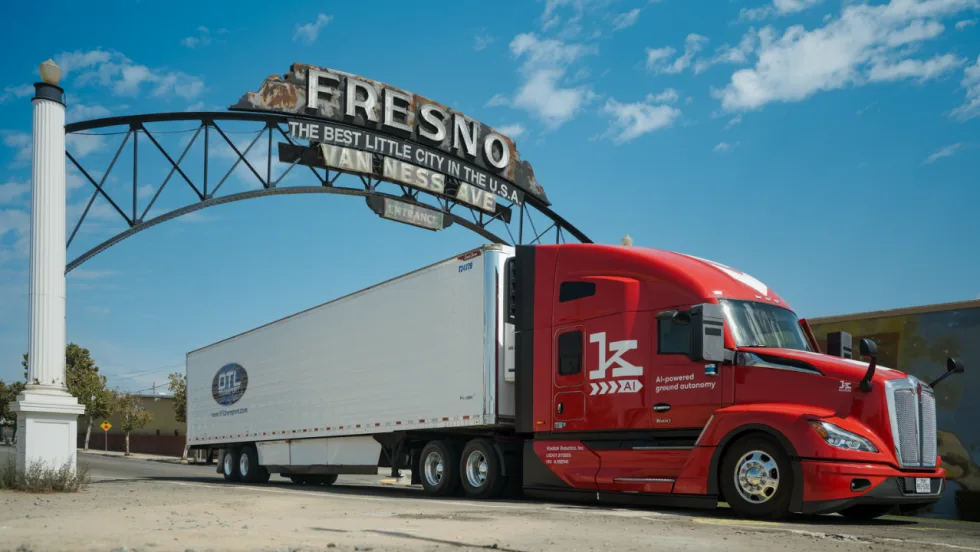
Kodiak Hauls Produce in California Autonomous Truck Pilot
Kodiak AI and DTL Transport have begun hauling produce between Fresno and Los Angeles under California’s new rules for testing heavy-duty autonomous trucks. A safety driver remains behind the wheel.
Read More →
Used-Truck Remarketing Math Is Changing
Used-truck value is no longer just a concern at trade-in. Decisions made throughout a truck’s first life can influence what it’s worth years later.
Read More →
How Volvo Updated Its D13 for EPA 2027 [Watch]
Volvo’s updated D13 promises lower emissions without sacrificing performance or fuel economy. Take a closer look at what changed inside the engine in this HDT Spotlight video.
Read More →
Michelin Tire Improves Efficiency and Durability for Regional Fleets
The Michelin X Multi Energy D2 is a regional haul drive tire engineered to help fleets improve fuel efficiency, durability and traction in demanding stop-and-go operations.
Read More →
ZF Expands Commercial Vehicle Push in North America
ZF is expanding its North American commercial-vehicle presence with new transmission applications, electrification, trailer technology and autonomous-driving systems.
Read More →
Tesla Wants a Self-Driving Semi. Are Cameras Enough?
Could Tesla’s camera-only autonomous driving technology work on an 80,000-pound Semi? In this commentary, HDT's Deborah Lockridge takes a look at Tesla, Cybercab, and how autonomous trucks see the road.
Read More →Kodiak: Driverless Long-Haul Truck Launch on Track for 2026
Kodiak AI says its driverless long-haul safety case is 93% complete and it remains on track to begin commercial operations by year-end 2026.
Read More →
What DOT’s Automated Vehicle Strategy Means for Trucking
The U.S. Department of Transportation issued a new automated-vehicle strategy that outlines plans for driverless-truck regulations, cross-state freight corridors, and federal safety standards.
Read More →
East Coast Port Launches $45M Electric Truck Push
The Port Authority of New York and New Jersey announced millions in incentives for zero-emission drayage trucks, yard tractors, and new charging hubs near the port.
Read More →