




Lawmakers, Industry Press for No FET Hikes on Trucks
Legislation has been introduced in the U.S. House to discourage any increase in the 12% Federal Excise Tax on the purchase of heavy-duty trucks and trailers, a measure that has been discussed as one way to raise more money for highways.
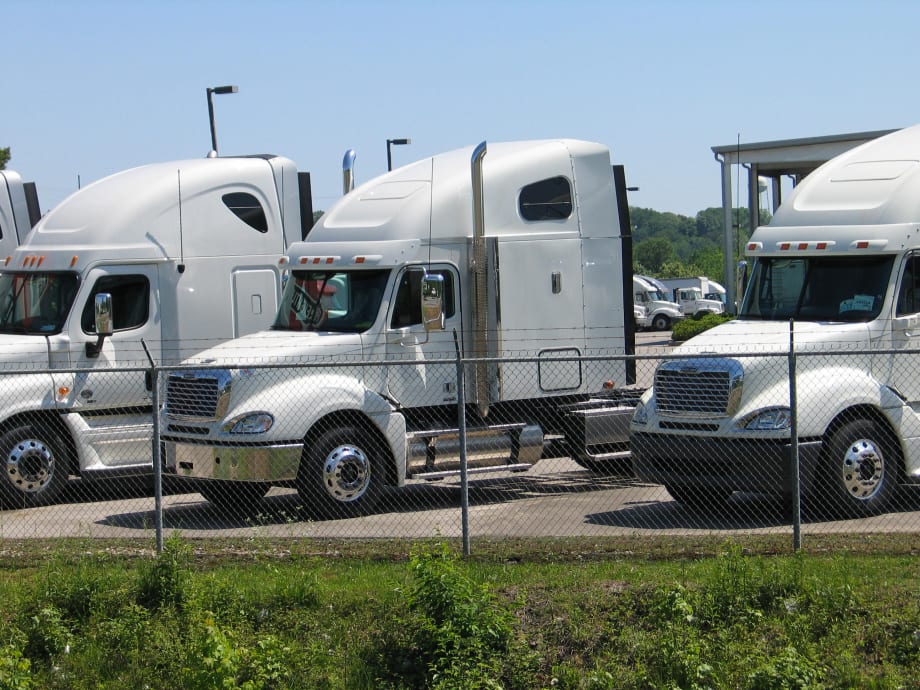
Legislation has been introduced in the U.S. House to discourage any increase in the 12% Federal Excise Tax on the purchase of heavy-duty trucks and trailers.
The bipartisan measure from Reps. Reid Ribble, R-Wis., and Tim Walz, D-Minn., comes as there has been talk on Capitol Hill about increasing the tax while Congress is looking at new ways to raise additional money for the Highway Trust Fund, which is used to pay for federal road building projects.
The resolution notes truck prices have increased dramatically in recent years due to various federal mandates and that future ones will increase prices even more, further increasing the FET on each vehicle. It claims any increase in the FET would add “uncertainity and volatility to the Highway Trust Fund.”
Several trucking groups have issued statements supporting the resolution, including the American Truck Dealers.
“The existing 12% levy on heavy duty trucks is already the highest excise tax imposed by Congress on a percentage basis,” said Dick Witcher, chairman of the American Truck Dealers and a Massachusetts International and Ford truck dealer.
“The FET adds thousands of dollars to a commercial truck that already costs well over $100,000. With a highway bill and comprehensive tax reform on the agenda in Washington, House Concurrent Resolution 52 sends a clear message to Congress that hiking the FET on commercial trucks should not be on the table,” he said. “Since all the heavy-duty trucks sold in the U.S. in 2012 were manufactured in North America, increasing the FET would hurt the 3.65 million Americans employed in the selling, servicing, manufacturing and operating of these vehicles."
Also supporting the resolution is the Truck Renting and Leasing Association.
In a statement it said, “While TRALA supports a robust, well-funded Highway Trust Fund, the FET on trucks and trailers is an ineffective and volatile means of funding the HTF. The availability of FET monies to fund the Highway Trust Fund is closely tied to the economy and cycles in truck and trailer purchasing.”
Additional supporters of the resolution include: American Highway Users Alliance, Mack Trucks, Meritor, Meritor WABCO, Motor and Equipment Manufacturers Association, National Trailer Dealers Association, National Truck Equipment Association, Navistar, Truck and Engine Manufacturers Association and Volvo Trucks North America.
The passage of House Concurrent Resolution 52 will not result in a statutory prohibition against raising the FET. However, supporters of it say its consideration and passage will send a strong message to Congress and the White House that raising the FET is not the right solution.
You can read the complete resolution on the TRALA website at: http://www.trala.org/Files/Legislative%20Bulletins/RIBBLE_022_xml.pdf
More Drivers

Truck Drivers Need More Than Another Alert
Fleets have more visibility into truck health, safety events, and driver activity than ever. The next challenge is turning all that information into useful guidance for the person who has to decide what to do next.
Read More →
FMCSA Removes 110 Truck Driver Training Schools from Certified ELDT List
Federal regulators also are targeting more than 160 additional training providers and launching a nationwide audit of third-party CDL skills testers as part of a broader crackdown on trucking fraud.
Read More →
Hours of Service Pilot Programs: FMCSA Readies for 2027 Rollout
Two pilot programs could eventually reshape hours-of-service rules, giving truck drivers options to pause their 14-hour clock or use longer split sleeper rest periods.
Read More →
Medical Cards, English Proficiency Reshape Roadcheck Violations
Medical-card violations jumped to the top of the driver out-of-service list during CVSA’s 2026 International Roadcheck, while English-language proficiency violations appeared among the leading violations for the first time.
Read More →
Driver Trust Can Make or Break the Success of Fleet Safety Technology
New Teletrac Navman research suggests that onboarding, transparency about driver data, and positive feedback can play a significant role in how commercial drivers respond to safety and coaching technology.
Read More →
EEOC Sues KLLM Over Alleged Sex Discrimination in Driver Training
KLLM is facing a federal sex-discrimination lawsuit over policies the EEOC alleges put female truck driver trainees at a disadvantage.
Read More →
FMCSA Moves to Codify English Language Requirements for Commercial Drivers
By changing regulations on English-language proficiency requirements for commercial drivers, rather than relying on a guidance memo, the FMCSA said future administrations won't be able to walk back the Trump administration's stricter enforcement with just a memo.
Read More →
Drivers Put Western Star Trucks to the Test at Star Nation Experience
Watch to get an inside look at the Western Star trucks, technology, and community behind the Star Nation Experience 2026!
Read More →
Trump Administration Looks to Put More Veterans Behind the Wheel
The Freedom Haulers program pulls together existing and expanded programs at several federal agencies to recruit veterans to drive commercial heavy-duty trucks and cut the red tape for them to get a CDL, training, and employment.
Read More →
Putting Mack’s Command Steer to the Test
A test drive of Mack’s Command Steer active steering system evaluates how it can make truck driving easier and less tiring.
Read More →