




Tech to Detect Pedestrians, Bicyclists, Shows Promise in Pilot
Data analyzed by U.S. DOT Volpe Center shows a reduction in speeding and increased awareness of vulnerable road users among drivers using a detection system.

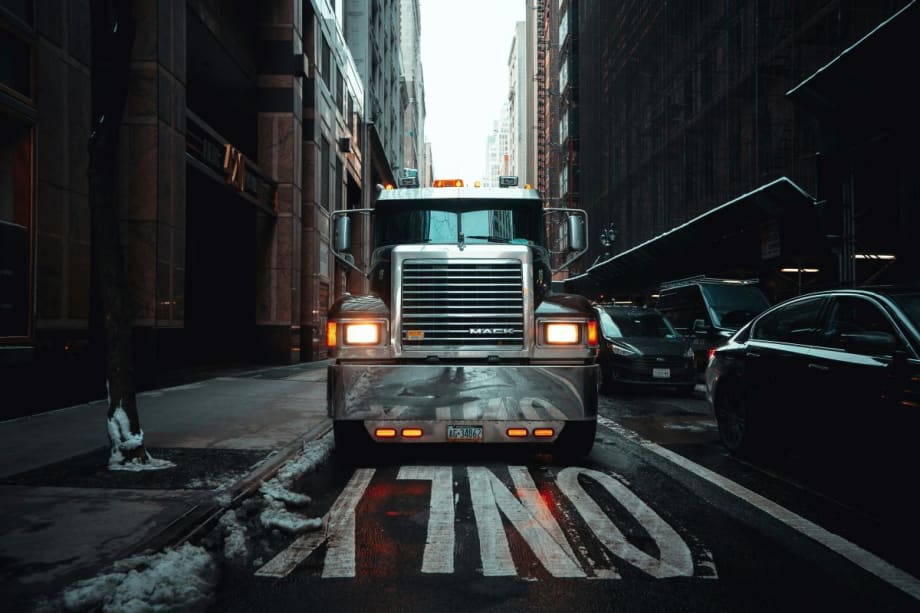
Drivers of trucks equipped with advanced safety systems tend to drive slower in urban settings without alerts or prompts, a new study has found.
Photo: Roberto Lee Cortes
There’s less speeding taking place on American city streets. That’s according to Together for Safer Roads, an organization that works with public and private sector parnters on promoting road safety.
The group's Truck of the Future pilot program has been looking for ways to make roads safer for "vulnerable road users" (such as pedestrians and bicyclists) in urban areas.
In 2021, 84% of the 7,388 pedestrian fatalities recorded occurred in urban areas, according to the Insurance Institute for Highway Safety.
"The findings from the Truck of the Future pilot program underscore the transformative potential of innovative technologies to make roads safer for vulnerable road users and fleet vehicle drivers alike,” said Peter Goldwasser, executive director of Together for Safer Roads.
Detecting Vulnerable Road Users
The pilot, conducted throughout 2023, showcased promising results in using innovative aftermarket technologies to mitigate potential conflicts between large fleet vehicles and vulnerable road users, the group said.
The Truck of the Future pilot program, a public-private partnership, sought to address this challenge by installing vulnerable road user detection systems on fleet vehicles, giving drivers enhanced visibility and real-time feedback on potential near misses.
The technology, developed by TSR member VisionTrack, uses AI-powered cameras to detect pedestrians, bicyclists, motorcyclists, and scooter users around the vehicle.
Fleets participating in the pilot include The City of New York, with 10 vehicles each from two separate city departments, and AB InBev’s subsidiary in Mexico City, which had 10 vehicles participate in the pilot.
A total of 67,732 alerts were recorded over the course of the pilot program amongst the three participating fleets. Only vulnerable road user detected within 0.8 meters of the vehicle (about 2.6 feet) were flagged to the driver.
This volume of close proximity vulnerable road user alerts underscores the challenges faced by drivers on today’s roads, according to Together for Safer Roads.
A technology that provides drivers with a 360-degree view of vision around the vehicle and alerts on imminent risks is valuable.
“Video telematics are a vital component of a comprehensive fleet safety plan, especially as it relates to after-market vehicle modifications,” said Matthew Ison, vice president of sales - North America at VisionTrack.
Key Findings from the Pilot Program
Reduction in Speeding
Installation of the vulnerable road user detection system was associated with a decrease in speeding over time, particularly in the most severe “red” category and among outlier speeders, according to TSR. The organization said this finding was surprising, because the system did not directly alert drivers when they were speeding.
The reduction in speeding suggests the system's benefits may go beyond providing indirect vision and detection alerts, to creating positive behavioral shifts among drivers toward safer practices.
Increased Awareness of Vulnerable Road Users
Drivers in the pilot program demonstrated greater awareness of vulnerable road users over time.
In one fleet, the proportion of VRU alerts that occurred while the driver was speeding decreased over time, suggesting that drivers consciously slowed down in areas where a VRU was likely to be detected.
Meanwhile, a NYC department saw more alerts during warmer months, when more people were out, showing the system's importance in busy areas.
AB InBev’s fleet saw an approximately 50% reduction in the number of VRU alerts over the first three months of the pilot, possibly due to changes in driver behavior.
These results highlight how the system could help drivers be more aware and avoid incidents, making roads safer overall, according to TSR.
Positive Feedback
Both drivers and managers provided positive qualitative feedback on the effectiveness of the VRU detection system. Nine out of 10 drivers surveyed thought the alerts would help prevent a crash.
In a survey of managers/admin users post-pilot, both NYC (with a rating of 5 out of 5) and AB InBev managers (with a rating of 4.8 out of 5) felt that the cameras and alert systems were very helpful in making the roads safer.
“These findings reaffirm our dedication to implementing cutting-edge solutions to protect pedestrians and cyclists on our streets," said Keith Kerman, NYC chief fleet officer, "while also aligning with other key actions the city is undertaking, including the recent mayoral executive order that addresses visual obstructions for truck operators in New York City."
"As a corporate participant with one of the larger global fleets, and as a founding member of Together for Safer Roads, we are encouraged by the positive outcomes of the Truck of the Future pilot program,” said Catalina Garcia Gomez, global director of corporate affairs at AB InBev. “This initiative aligns with our commitment to promoting responsible and safe driving practices among our drivers."
More Safety & Compliance

FMCSA Pauses Biennial-Update Enforcement Amid Motus Transition
Carriers whose updates were due on or after June 1 have more time, while FMCSA works to stabilize its new registration system and warns of phishing sites impersonating its new carrier registration system, Motus.
Read More →
ZF Expands Commercial Vehicle Push in North America
ZF is expanding its North American commercial-vehicle presence with new transmission applications, electrification, trailer technology and autonomous-driving systems.
Read More →
Truck Drivers Need More Than Another Alert
Fleets have more visibility into truck health, safety events, and driver activity than ever. The next challenge is turning all that information into useful guidance for the person who has to decide what to do next.
Read More →
Tesla Wants a Self-Driving Semi. Are Cameras Enough?
Could Tesla’s camera-only autonomous driving technology work on an 80,000-pound Semi? In this commentary, HDT's Deborah Lockridge takes a look at Tesla, Cybercab, and how autonomous trucks see the road.
Read More →
What DOT’s Automated Vehicle Strategy Means for Trucking
The U.S. Department of Transportation issued a new automated-vehicle strategy that outlines plans for driverless-truck regulations, cross-state freight corridors, and federal safety standards.
Read More →
NYC Expands Speed, Pedestrian Safety Tech Across Fleet
New York City is expanding intelligent speed assistance and pedestrian-alert systems across its municipal fleet, moving the technologies from pilot programs into vehicle procurement and retrofit requirements.
Read More →
FMCSA Removes 110 Truck Driver Training Schools from Certified ELDT List
Federal regulators also are targeting more than 160 additional training providers and launching a nationwide audit of third-party CDL skills testers as part of a broader crackdown on trucking fraud.
Read More →
Beyond DOT Compliance: What Makes a Trucking Fleet Truly Safe?
A trucking fleet can follow every rule and still make unsafe decisions. The real test comes when safety conflicts with freight, productivity, or cost.
Read More →
Hours of Service Pilot Programs: FMCSA Readies for 2027 Rollout
Two pilot programs could eventually reshape hours-of-service rules, giving truck drivers options to pause their 14-hour clock or use longer split sleeper rest periods.
Read More →
New Guide Offers Pet Safety Tips for Truck Drivers
Hundreds of thousands of pets travel in truck cabs. A new safety guide from Volvo Trucks and the Center for Pet Safety offers practical advice for truck drivers who bring dogs and cats along for the ride.
Read More →