





Volvo Autonomous Solutions and Aurora Begin Dallas - Oklahoma City Route
What DOT’s Automated Vehicle Strategy Means for Trucking
The U.S. Department of Transportation issued a new automated-vehicle strategy that outlines plans for driverless-truck regulations, cross-state freight corridors, and federal safety standards.
September 8, 2026
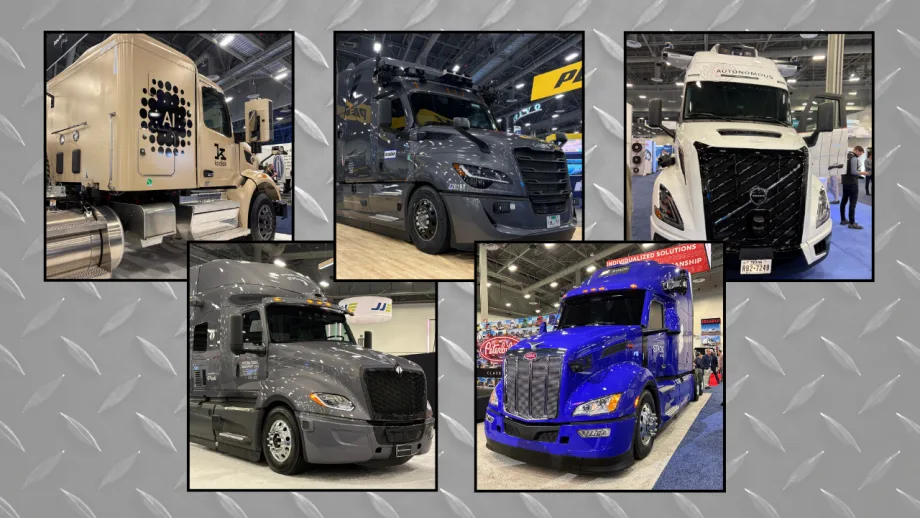
Autonomous vehicles were part of the show floor at ACT Expo. As truck makers and their autonomous-tech partners push toward commercialization, the Department of Transportation is trying to set a roadmap for regulations.
Credit:
HDT Graphic/Deborah Lockridge photos
5 min to read
The U.S. Department of Transportation has laid out a national strategy for automated vehicles that, among other things, could help clear some of the regulatory obstacles facing autonomous trucks operating across state lines.
The Automated Vehicles National Strategy, released September 3, outlines DOT priorities for fiscal years 2026 through 2030 for all automated vehicles.
Those include developing safety standards for automated driving systems, modernizing regulations written for human drivers, and making it easier for automated vehicles to operate across state borders.
For trucking, perhaps the most significant item is a long-awaited Federal Motor Carrier Safety Administration rulemaking on how the Federal Motor Carrier Safety Regulations should apply to commercial vehicles equipped with automated-driving systems.
The strategy itself does not change any regulations or give autonomous trucks blanket authority to operate nationwide. It is largely a roadmap for rulemakings, research, and guidance already underway or planned over the next several years.
FMCSA Plans Operating Rules for Autonomous Trucks
FMCSA is developing proposed regulations to address the operation, inspection, repair, and maintenance of automated commercial motor vehicles.
Current motor carrier safety regulations were written based on the assumption that a human driver would be behind the wheel. Applying those regulations to driverless trucks raises questions about driver qualifications, hours of service, roadside inspections, vehicle maintenance, and responsibility for complying with operational rules.
The rulemaking listed in the federal Unified Agenda could amend regulations covering:
- Commercial driver’s licenses and driver qualifications
- Drug and alcohol testing
- Driving and operational requirements
- Vehicle parts and accessories
- Inspection, repair and maintenance
FMCSA says the changes are intended to recognize the differences between human drivers and automated-driving systems while maintaining federal oversight of the motor carriers operating the vehicles.
The proposed rule was scheduled for publication in August 2026, according to the Unified Agenda, but had not been published when the AV strategy was released. The new strategy document does not give an updated publication date or details on what FMCSA will propose.
It's not the first time the DOT has tried to address the complexities of regulating self-driving trucks, as we reported in 2019.
One challenge has been that autonomous vehicle technology has been changing faster than regulators can keep up with.
FMCSA began formally seeking public input on automated-truck regulations in 2018 and published its most recent advance notice of proposed rulemaking in 2023.
Who Regulates Driverless Commercial Vehicles?
The strategy also tries to clarify the roles of different federal agencies as automated vehicles move from testing into commercial service.
The National Highway Traffic Safety Administration will continue to regulate automated-driving systems as motor vehicle equipment, including through defect investigations, recalls, crash reporting, and future performance standards.
FMCSA will oversee the motor carriers operating automated trucks and buses, including regulatory compliance, vehicle maintenance, and inspections.
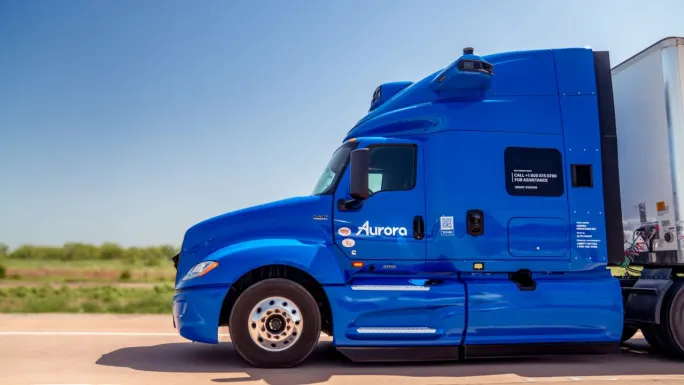
Aurora recently unveiled its second-generation autonomous truck.
Credit:
Aurora Innovation
The Federal Highway Administration will remain responsible for national standards governing signs, pavement markings, and signals, as well as truck size and weight regulations.
The Pipeline and Hazardous Materials Safety Administration will oversee hazmat transportation by automated vehicles.
States and local governments, meanwhile, will retain authority over licensing, traffic laws, and enforcement.
That division leaves room for different state operating requirements — one of the biggest challenges for autonomous-truck developers trying to establish multistate freight routes. DOT said it will work to encourage more consistent approaches among states rather than preempting traditional state authority over rules of the road.
DOT Seeks Interstate Consistency for Autonomous Trucks
The strategy calls for developing more interoperable highway corridors where data can be exchanged across state lines.
DOT plans to work with states and industry stakeholders on common data structures and communication protocols. Potential uses include distributing real-time information about emergency road closures, work zones and temporary lane shifts.
However, DOT stressed that automated vehicles must be capable of operating safely with infrastructure as it exists today. Smart highways, vehicle-to-everything communications and other digital infrastructure will not be prerequisites for deployment.
The department also said it does not expect state or local agencies to make AV-specific infrastructure investments as a condition of deployment in the foreseeable future.
Hazmat Rules Must Adapt to Driverless Trucks
The strategy identifies hazardous-materials transportation as another area where regulations built around human drivers may need to change.
PHMSA is reviewing requirements involving shipping papers, emergency-response information, placarding, training, security plans, and loading and unloading when no person is aboard the vehicle.
For instance, first responders arriving at a crash involving a driverless hazmat truck would still need immediate access to information about its cargo. An automated system also may need to notify responders and provide the vehicle’s location, cargo information, and other details.
PHMSA sought public input on those questions through a December 2025 advance notice of proposed rulemaking.
Emergency Response Procedures for Automated CMVs
FMCSA also is developing an emergency-response framework specifically for automated commercial vehicles.
The goal is to establish consistent procedures for police, firefighters, towing operators, and other responders interacting with a truck that may not have a driver in the cab.
That work could address practical questions such as how responders identify the vehicle’s operating status, communicate with a remote operator, disable the automated-driving system, or safely move the truck.
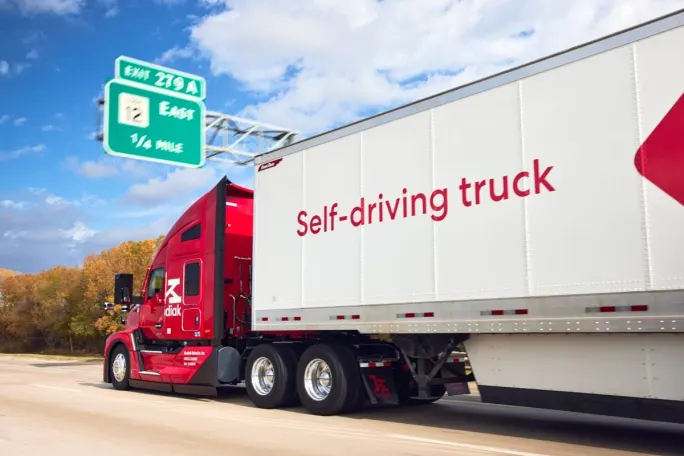
Kodiak AI says it's on track to launch driverless long-haul commercial service using its autonomous technology by the end of 2026.
Photo: Kodiak
NHTSA Developing Automated-Driving Safety Standards
NHTSA plans to begin developing what DOT described as the first objective performance standards for automated-driving-system competency.
Those standards ultimately could establish minimum requirements for how an automated vehicle performs the driving task before deployment on public roads. The agency is preparing an advance notice of proposed rulemaking, meaning specific requirements are still a long way from becoming final.
NHTSA also is updating voluntary guidance first issued in 2017 and updated in 2018.
The new guidance is expected to address remote assistance and operations, software updates, safety management systems, and interactions between automated vehicles and emergency responders.
DOT said it expects adoption of automated vehicles to be gradual and acknowledged that human-driven and automated vehicles will share the roads for the foreseeable future.
The department also pledged to work with industry and public-sector stakeholders on workforce changes created by automation, although the strategy offers few details on what that effort would entail.
More Safety & Compliance
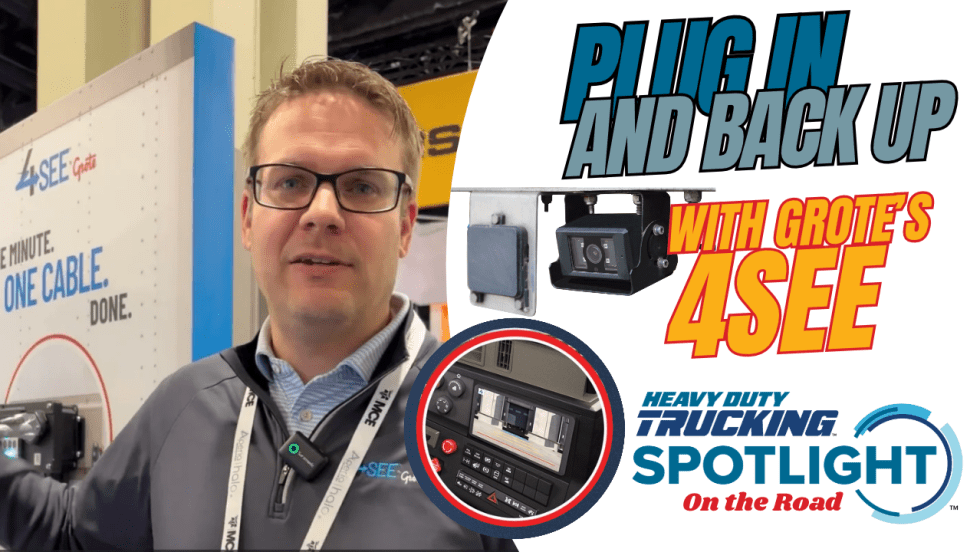
More Trailer Data Through the Same Seven-Way [Video]
Can trucking’s standard seven-way connector handle more cameras and trailer data? Grote’s Adam Slade shows HDT how the company is using new technology with its 4See trailer system, not only to add a new backup camera but also to expand other capabilities — without adding another connection.
Read More →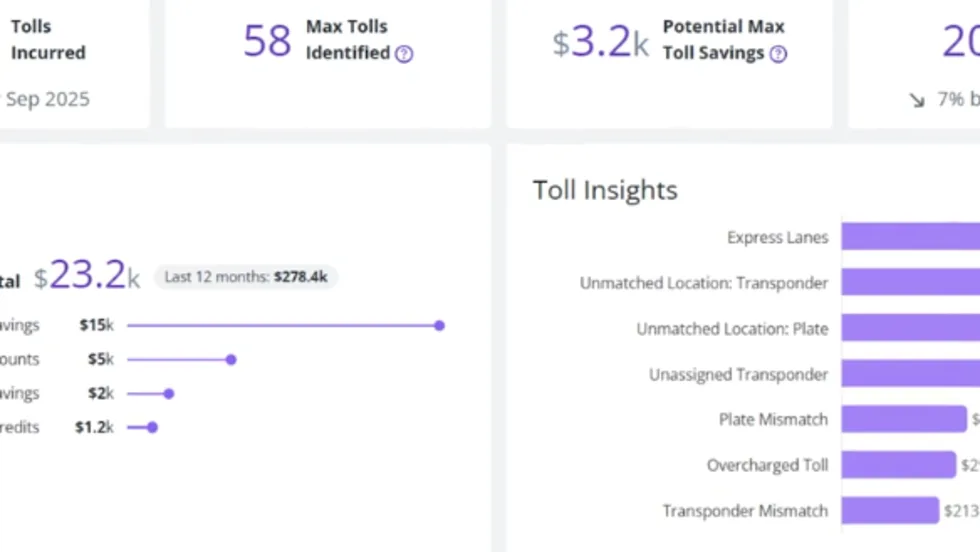
PrePass Intelligence Mines Fleet Bypass, Toll and Safety Data
PrePass Intelligence helps fleets measure bypass savings, flag potential toll overcharges, and spot suspicious transactions by combining data from separate systems.
Read More →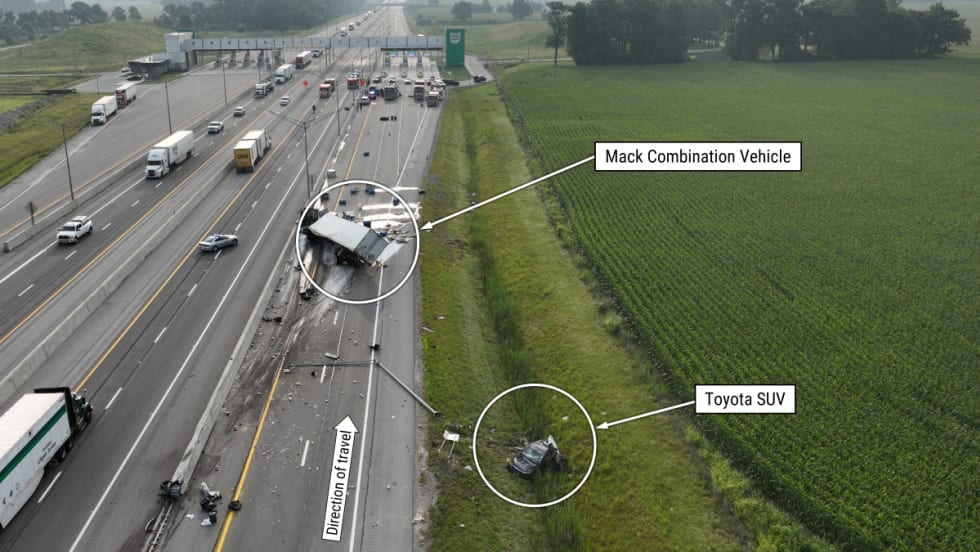
Fatal Crash Exposes Toll Plaza Risks
An NTSB investigation found that last-minute lane changes and large speed differences at an Ohio toll plaza created a hazard the truck driver couldn't avoid in time.
Read More →
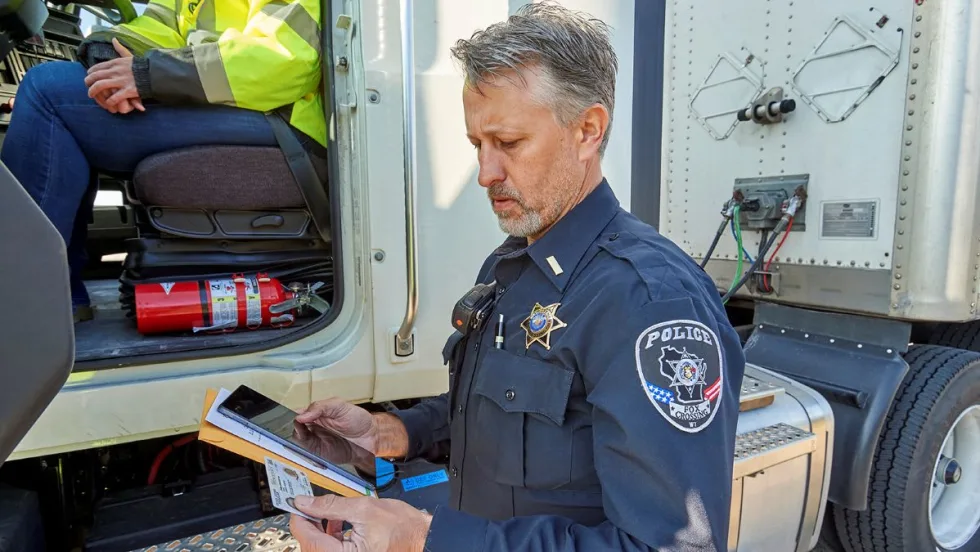
When Language Stops the Truck: The Return of ELP Out-of-Service Orders
English language proficiency rules for commercial drivers aren’t new, but renewed out-of-service enforcement has raised the stakes. Here’s what carriers need to know before a driver reaches a roadside inspection.
Read More →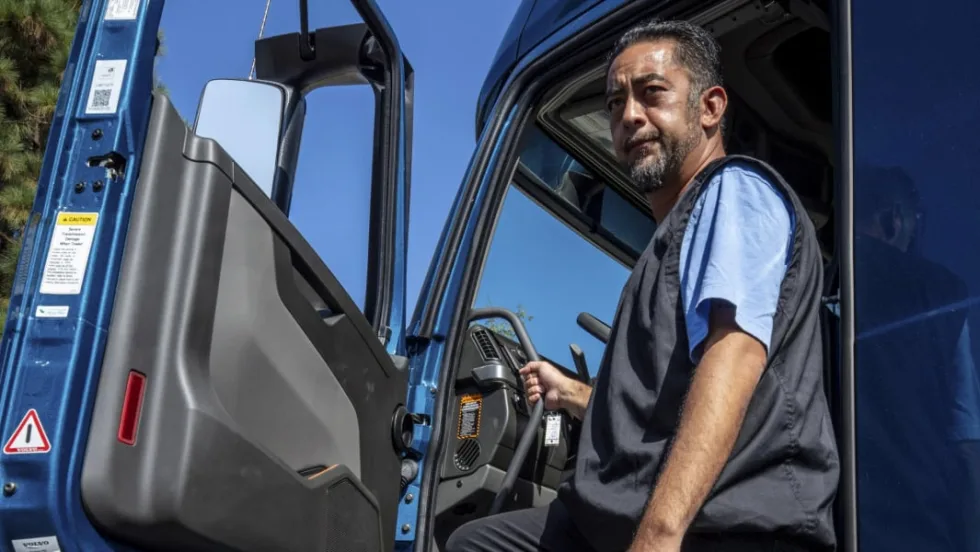
Sponsored•October 6, 2026
A Camera Isn't a Safety Program. Here's What Brokers Are Screening for Now
Footage alone may not be enough to pass broker vetting processes. Here's what counts as a defensible safety program now.
Read More →
Marijuana and Trucking’s Drug-Testing Dilemma
Marijuana is getting stronger, laws are changing, and drug tests still can’t reliably establish impairment. What does that mean for truck drivers and the fleets that employ them?
Read More →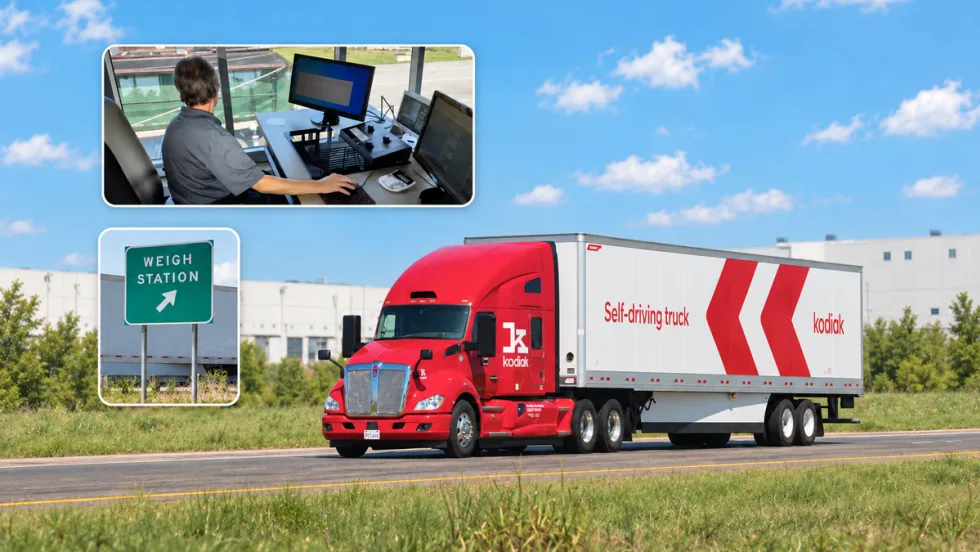
PrePass, Kodiak Connect Driverless Trucks to Roadside Enforcement
The system will allow enforcement agencies to verify Enhanced Inspection information and decide whether Kodiak’s autonomous trucks can bypass roadside screening sites.
Read More →
From One Generation to the Next: How Mentorship Builds Safer Truck Drivers
After three decades in trucking, Harold Perry shares what he's learned about driver safety, mentorship, and helping the next generation build confidence behind the wheel.
Read More →
FMCSA Pauses Biennial-Update Enforcement Amid Motus Transition
Carriers whose updates were due on or after June 1 have more time, while FMCSA works to stabilize its new registration system and warns of phishing sites impersonating its new carrier registration system, Motus.
Read More →
ZF Expands Commercial Vehicle Push in North America
ZF is expanding its North American commercial-vehicle presence with new transmission applications, electrification, trailer technology and autonomous-driving systems.
Read More →