




New Duron Engine Oils Target Fleet Operating Costs
Petro-Canada's next-generation heavy-duty engine oils promise better wear protection, longer oil life and potential fuel savings as the industry prepares for new oil specifications in 2027.

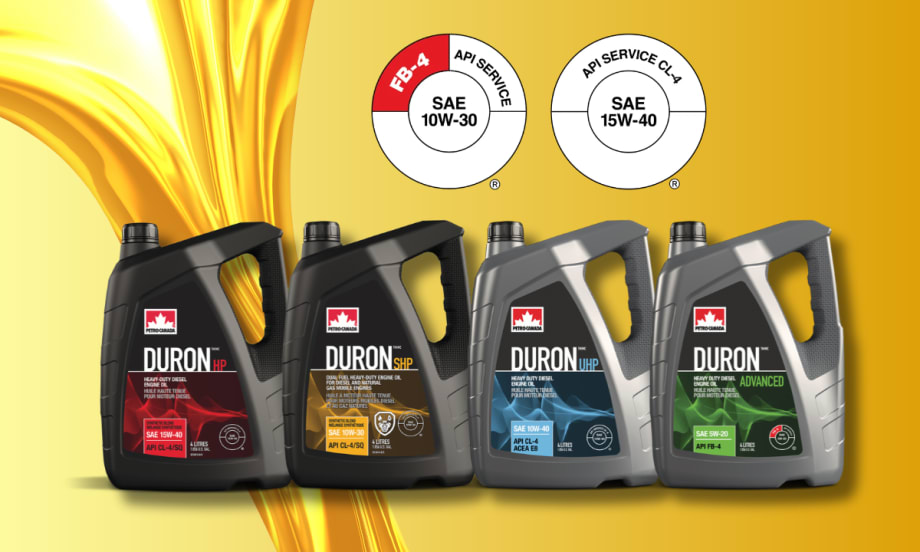
Petro-Canada's next-generation line of Duron heavy duty engine oils meeting new PC-12 specifications.
HDT | Petro-Canada
Petro-Canada Lubricants is rolling out a new generation of its Duron heavy-duty engine oils designed to meet the upcoming API PC-12 specifications, with claims of improved wear protection, greater oxidation resistance, and the potential for better fuel economy and longer oil drain intervals.
The new oils, available starting Jan. 1, 2027, are designed to meet or exceed the requirements of the new API CL-4 and FB-4 categories, which replace the current CK-4 and FA-4 specifications.
During a virtual press conference announcing the new products, Petro-Canada Lubricants, an HF Sinclair brand, highlighted laboratory test results showing how its formulations exceed several of the new performance requirements.
The company says those improvements could help fleets lower their total cost of ownership through reduced engine wear, improved aftertreatment protection, potentially longer oil drains, and improved fuel efficiency.
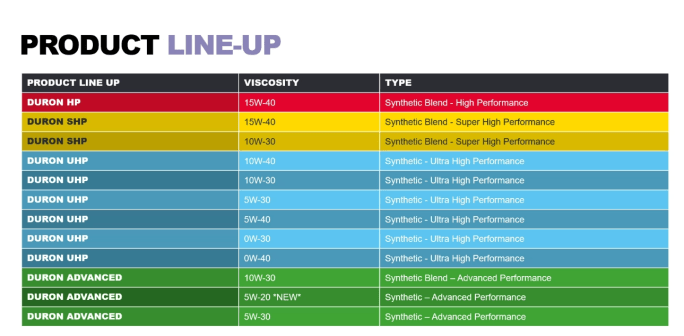
Petro-Canada Lubriants
Better Wear Protection, Longer Oil Life
One of the key challenges in developing the new PC-12 oils has been improving engine protection while reducing the amounts of certain additives that can affect emissions aftertreatment systems.
Oxidation resistance is particularly important as fleets look to extend oil drain intervals. Oil degrades over time as it is exposed to heat and contaminants, eventually reducing its ability to protect engine components.
Better oxidation resistance could allow fleets to keep oil in service longer, reducing maintenance costs and downtime. The company said the next generation of Duron has more than 50% better oxidation control than the PC-12 requirement after 300 hours in the OM471 Engine Cleanliness Test, giving fleets the potential to extend oil drain intervals and help reduce downtime and operating costs.
However, Petro-Canada representatives emphasized that fleets shouldn't automatically extend drain intervals simply because they're switching to a new oil.
Company officials said they expect the industry to keep extending drain intervals, potentially even further, but stressed the importance of following engine manufacturer recommendations, working with lubricant technical advisors, and using oil-analysis programs.
They also recommended that fleets switching to the new formulations take a sample of the fresh oil and have it analyzed to establish a baseline for interpreting future used-oil analysis results.
As HDT previously reported in Could New Engine Oils Mean Longer Drain Intervals?, fleets such as Foodliner are interested in whether the new oils could allow them to stretch maintenance intervals, but want to see results from their own trucks before making changes.
Can Lower-Viscosity Oils Save Fuel?
Another potential benefit of the new PC-12 category is improved fuel economy, especially with lower-viscosity oils.
Petro-Canada cited industry research showing that moving from a conventional SAE 15W-40 oil with a high-temperature, high-shear viscosity of 4.1 centipoise to a 10W-30 oil with an HTHS viscosity of 3.5 centipoise can improve fuel economy by up to 1%.
Switching from a CL-4 to a lower-viscosity FB-4 oil could provide an additional 0.5% improvement, according to the company, provided the engine manufacturer approves its use.
During the presentation, Petro-Canada also showed projected fuel-economy improvements ranging from 1.2% to 2.8% for the new lower-viscosity FB-4 xW-20 oils.
Those figures were extrapolated from previous research on viscosity and fuel economy rather than results from fleet testing of the new Duron products.
While a percentage point or two may not sound like much, even a small improvement in fuel economy can translate into significant savings for fleets operating hundreds or thousands of trucks.
However, FB-4 won't be suitable for every engine. Like today's FA-4 oils, the new lower-viscosity category is intended for engines specifically approved to use it.
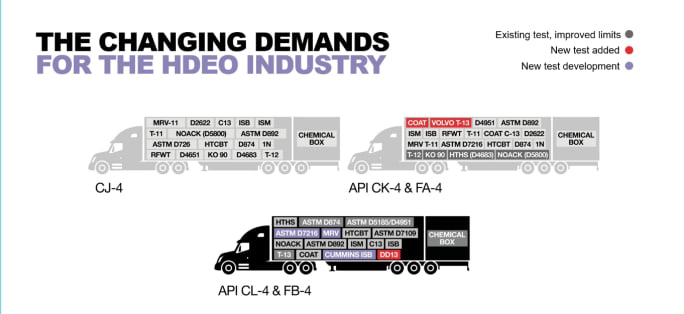
With PC-12, lubricant makers have more performance requirements to meet but a smaller “chemical box” to work with, as limits on ingredients such as phosphorus, sulfur and sulfated ash get tighter.
Petro-Canada
Less Phosphorus, Better Protection?
One of the more significant changes with PC-12 is a reduction in the allowable levels of sulfated ash, phosphorus, and sulfur, commonly referred to as SAPS. These substances have traditionally played important roles in engine oil formulations, but they can also create problems for exhaust aftertreatment systems.
For example, phosphorus-containing additives help protect engine components against wear, while metallic additives can contribute to ash accumulation in diesel particulate filters.
Under PC-12, the maximum phosphorus content drops from 0.12% to 0.08%, while sulfated ash decreases from 1.0% to 0.9% and sulfur from 0.4% to 0.3%.
That presents a challenge for lubricant manufacturers: How do you maintain or improve engine protection while reducing some of the chemicals traditionally used to provide it?
Petro-Canada officials addressed concerns that lower phosphorus levels could mean reduced wear protection.
They pointed to European heavy-duty engine oils, which have used lower-SAPS formulations for years, and emphasized that the new CL-4 oils must meet durability requirements to maintain backward compatibility with CK-4.
The company's own test results, it says, demonstrate that lower phosphorus levels don't necessarily mean sacrificing wear protection.
Lower-SAPS formulations can also help reduce ash accumulation in diesel particulate filters, potentially reducing maintenance requirements and helping aftertreatment systems perform more efficiently.
Simplifying Oil Inventories
Petro-Canada also announced plans to consolidate some products in its Duron lineup.
Its Duron GEO natural gas engine oil products will transition to Duron SHP products formulated to meet natural gas engine requirements.
The company also is replacing its Duron E8-X products with Duron UHP 10W-40 and 5W-30 formulations offering expanded European engine manufacturer specifications.
That could help some fleets simplify their lubricant inventories, depending on their equipment and engine manufacturer requirements.
For fleets operating a mix of older and newer trucks, however, selecting the proper oil will remain important.
CL-4 oils are designed to be backward compatible with engines using earlier API C-category oils, while FB-4 oils are intended for engines approved for lower-viscosity formulations.
Petro-Canada officials emphasized that fleet maintenance managers and owner-operators should work closely with their engine manufacturers and lubricant suppliers during the transition to avoid using the wrong oil in the wrong application.
The new Duron products are scheduled to become available Jan. 1, 2027, when API licensing for the CL-4 and FB-4 categories begins.
More Maintenance
Daimler, Paccar Recall Trucks Over Driveline Defect
Nearly 4,900 Freightliner, Western Star, and Kenworth trucks are being recalled because a missing snap ring could allow the driveline to separate from the truck.
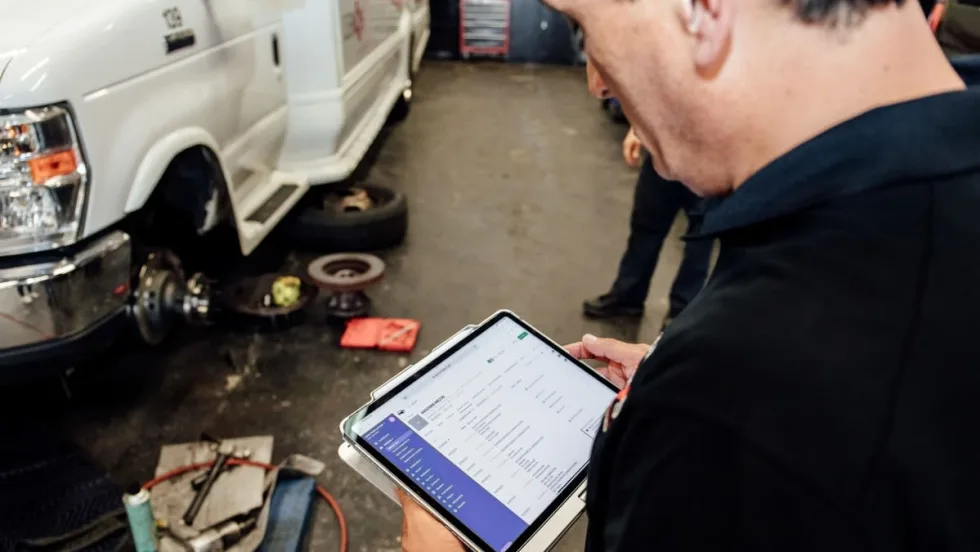
What to Look for in Fleet Maintenance Software
Choosing the right maintenance technology starts with identifying the problems you need to solve. Here's what trucking fleets should look for — and what to ask potential providers.

Bendix Upgrades Trailer ABS With Smarter Diagnostics
The new iTABS X system replaces Bendix's TABS-6 Standard trailer ABS, adding faster diagnostics and connectivity that could help fleets identify brake-system problems before they lead to downtime.

CVSA Sets 2027 International Roadcheck Dates
The annual 72-hour truck inspection blitz will take place May 11–13 across North America. Here's what fleets can expect and what inspectors found during the 2026 event.
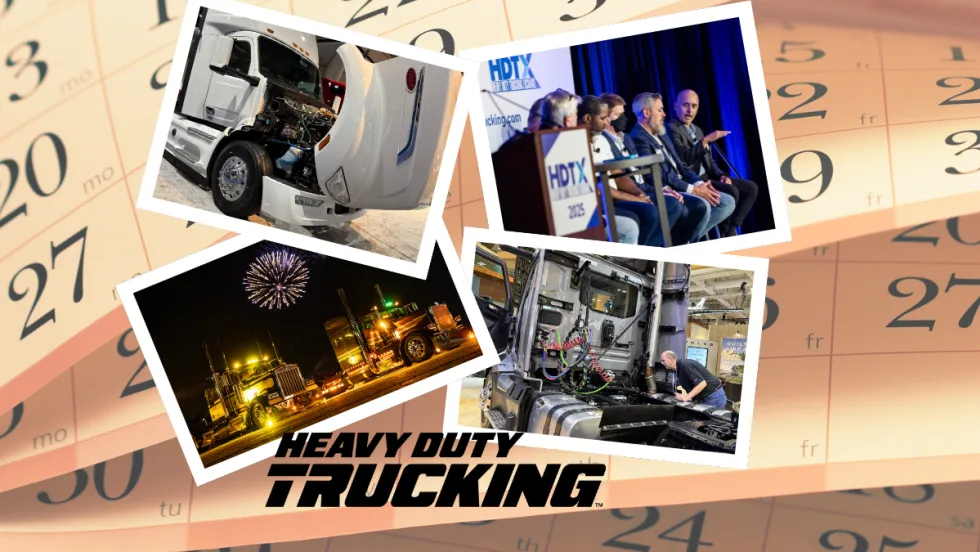
What Trucking Events are Happening in 2027?
Looking for trucking-related conventions, expos, and other events? Heavy Duty Trucking has developed this list of national and larger regional trucking shows and events.
Brake Problems Sideline 15% of Inspected Trucks
During CVSA's 2026 Brake Safety Week, inspectors placed nearly 2,400 commercial vehicles out of service for brake violations, including problems with defective brakes, hoses, drums and rotors.
Unlocking the performance advantages of PC-12
2027 will mark the arrival of a new generation of heavy-duty engine oils. PC-12 reflects how far engine design has advanced and the demands that progress places on heavy-duty lubricants. Here’s what the transition means to your fleet.
6 Tips for Troubleshooting Cold-Weather Truck Problem: Don't Guess, Diagnose it
Cold weather can expose hidden truck problems. Discover six practical troubleshooting tips to pinpoint the cause, avoid unnecessary repairs and keep trucks on the road.

How GP Transco Builds Fuel Savings a Fraction at a Time
Aerodynamic specs, solar panels, and driver incentives help GP Transco turn small efficiency gains into savings it can reinvest in its people.
Oil Crisis Squeezes Trucking Lubricant Supplies
Fleets report higher lubricant costs as Middle East disruptions tighten supplies of ingredients used in synthetic engine oils and some driveline lubricants.