




How Tucker Freight Lines Modernized Its TMS and Integrated Its Fleet Systems
What to Look for in Fleet Maintenance Software
Choosing the right maintenance technology starts with identifying the problems you need to solve. Here's what trucking fleets should look for — and what to ask potential providers.
by Rachel Plant, Fleetio
November 16, 2026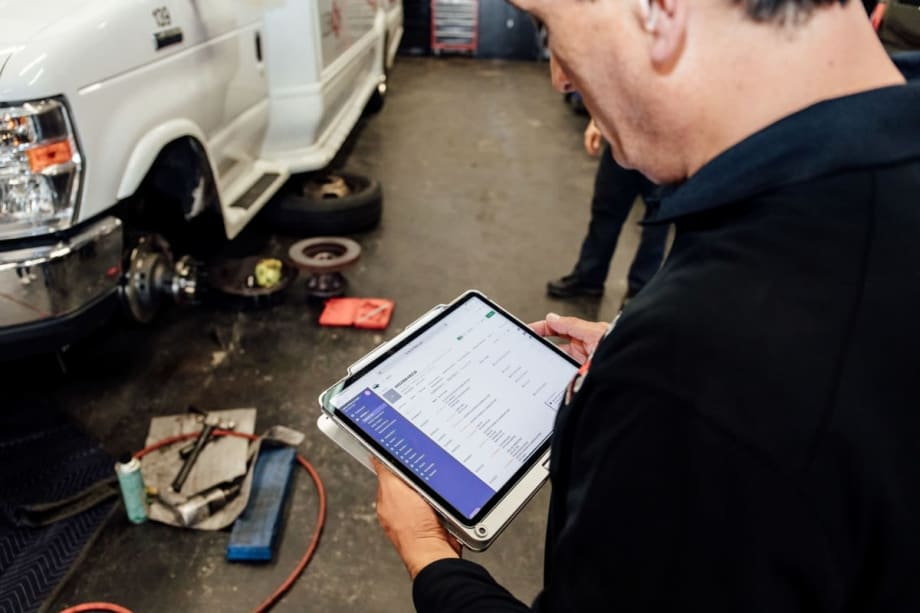
With standardized service records, the maintenance team has a better chance of recognizing that the same component is failing repeatedly.
Credit:
Fleetio
8 min to read
There's no shortage of fleet technology available these days. From fleet management software and telematics to dedicated maintenance platforms, the options can seem overwhelming. Many systems offer similar capabilities, but various features and functions make some a better fit for certain operations than others.
For a heavy-duty trucking fleet manager juggling preventive maintenance schedules, driver vehicle inspection report defects, parts availability, outside repair shops, warranty claims, and emergency repairs across multiple locations, the technology needs to fit the operation rather than force the fleet to change how it works.
That's why evaluating fleet technology should start with the problems you're trying to solve.
For Jill Perry, fleet administration manager at California-based fuel distribution and transportation company Ramos Oil, those problems included limited maintenance visibility, too many manual processes, and demanding regulatory requirements.
By focusing on those challenges, Perry was able to choose technology that improved maintenance workflows and visibility. For example, the company can now coordinate PM with required inspections so technicians can handle multiple services during a single shop visit, reducing unnecessary downtime while helping maintain compliance.
According to a Fleetio case study, Ramos Oil achieved 100% maintenance and inspection compliance for its primary truck and trailer division over a recent 30-day period.
Start With the Problems You Need to Solve
Before comparing providers or sitting through demos, take some time to define what needs to improve in your operation.
If your goal is to move from reactive maintenance toward a more preventive approach, start by asking why so much work is reactive today.
Maybe PM compliance is low because odometer readings aren't reaching the maintenance team quickly enough. Or maybe scheduled services are identified on time, but trucks aren't getting into the shop because dispatch and maintenance aren't coordinating.
Different problems may require different technology capabilities.
The same applies to roadside breakdowns. Knowing that you had more breakdowns last quarter is useful, but a maintenance manager also needs to know what failed.
If several tractors of the same model are experiencing similar aftertreatment problems at roughly the same mileage, the maintenance team should be able to spot that pattern in its records. That information can help guide PM practices, technician training, conversations with the OEM, and future equipment purchases.
Go into the evaluation process with a short list of specific problems. Then ask providers to show how their technology would address them using workflows that resemble your operation.
Make Sure Maintenance Records Are Useful
A maintenance-focused system should make it easy to understand what's happened to a truck throughout its service life.
That means more than knowing Unit 417 was in the shop on Tuesday. You should be able to determine why it was there, what work was performed, which components were repaired or replaced, parts and labor costs, how long the truck was unavailable, and whether the repair was related to a previous problem.
That last detail becomes especially useful when you're trying to identify patterns across equipment.
Consider a fleet that sees repeated starter failures across a group of tractors. If repair descriptions are inconsistent or previous work is difficult to find, those failures may look like unrelated shop visits.
With standardized service records, the maintenance team has a better chance of recognizing that the same component is failing repeatedly and determining whether the issue is tied to a particular make, model, component, location, or operating condition.
Good records can also support warranty recovery. When a component fails within its warranty period, the maintenance team should be able to quickly pull the truck's repair history and supporting documentation instead of searching through invoices, spreadsheets, and emails.
Across a large fleet, consistently identifying repairs that may be covered under warranty can prevent significant costs from slipping through the cracks.
When evaluating providers, ask them to demonstrate these scenarios.
Look at How the System Supports PM Compliance
One of the most practical tests of maintenance technology is whether it helps get trucks serviced when they're supposed to be.
That requires accurate meter data, configurable service intervals, and a clear way to see what's coming due. It also requires workflows that match how the fleet actually schedules service.
If a tractor is approaching a B service based on mileage, the maintenance team needs enough notice to coordinate with operations and route that truck through a terminal or shop without unnecessarily disrupting a load.
When evaluating a provider, ask how service schedules are triggered, how often meter readings are updated, and what happens when a truck approaches or passes its PM threshold.
Also ask how overdue PMs are reported across terminals, asset classes, and responsible teams.
The goal is to give the maintenance team enough useful information to get the work done on time.
Can the Data Help Control Costs?

Ask a potential software vendor about how service schedules are triggered.
Credit:
Fleetio
A maintenance manager needs to know how much the fleet is spending, with enough detail to understand where that money is going.
For example, if maintenance cost per mile is increasing for a group of tractors, can you determine whether the increase comes from tires, brakes, aftertreatment systems, cooling systems, or unscheduled repairs? Can you separate preventive work from unexpected repairs?
Those questions can uncover problems that fleet-wide averages may hide.
Suppose one tractor specification consistently requires more brake work than comparable units running similar routes. Or one terminal experiences substantially more repeat repairs after a particular service.
Those findings give the maintenance manager something specific to investigate.
Cost data can also improve replacement decisions. Instead of relying primarily on asset age or mileage, the fleet can examine maintenance cost trends, downtime, and recurring repairs to determine whether keeping a truck for another year makes financial sense.
Judge Technology by Its Effect on Uptime
Uptime is ultimately where maintenance technology proves its value.
That doesn't mean software can prevent every roadside failure. But it should help your team address the factors it can control, such as completing PMs on time, acting on inspection defects, identifying repeat failures, and getting trucks through the shop efficiently.
Think about a tractor that experiences a roadside failure caused by a component repaired twice in the previous six months. Could the maintenance team have easily seen that history before the third failure? Could a technician have spotted the pattern during the previous shop visit?
These questions connect technology directly to the maintenance manager's daily responsibilities.
Also consider what happens while a truck is already down. Can the shop quickly see its open issues and repair history? Can the maintenance team distinguish between downtime spent waiting for diagnosis, waiting for parts, and performing repairs?
Reducing avoidable downtime often comes from improving these basic processes rather than adding another dashboard.
Questions to Ask Fleet Technology Providers
A product demonstration can make almost any system look straightforward. Bring your own scenarios and ask providers to show how their products would handle them.
Here are some questions worth taking into the evaluation process.
Preventive maintenance
- How are PM schedules created for different asset types and duty cycles?
- Can services be triggered by mileage, engine hours, time, or multiple criteria?
- Where does meter data come from, and how frequently is it updated?
- How does the system identify upcoming and overdue PMs?
- Can we measure PM compliance by location, asset type, or team?
Inspections and repairs
- What happens after a driver reports a defect? Can inspection defects flow directly into maintenance workflows?
- Can technicians see previous repairs for the same problem or component?
- How are repeat repairs identified?
- Can we track downtime from the initial issue through return to service?
Costs and warranty
- Can we see parts and labor costs at the asset and component level?
- Can we compare maintenance cost per mile across makes, models, and asset groups?
- How does the system help identify repairs that may be covered by warranty?
- Can we easily retrieve the records and documentation needed to support warranty claims?
Outside shops and other systems
- How are repairs performed by dealers and third-party shops captured?
- Which of our existing telematics, fuel, accounting, and parts systems can the platform connect with?
- What information moves through those integrations?
- Will employees have to re-enter information between systems?
Data and long-term fit
- Can we export our maintenance and repair data in a usable format?
- Can the system accommodate changes to our PM program without extensive custom work?
- What happens if we add terminals, asset types, or maintenance providers?
- Can we access the data we need if our technology systems change later?
Ask providers to demonstrate the answers whenever possible. "Yes, we support that" is less useful than seeing exactly how a maintenance manager, technician, or fleet administrator would accomplish the task.
Choose Technology That Fits Your Fleet
No one-size-fits-all approach works for fleet maintenance technology.
A fleet running its own shops across multiple terminals will have different requirements from an operation that outsources most repairs. And a long-haul carrier may approach PM scheduling differently from a vocational fleet with high engine hours and relatively low mileage.
The important thing is knowing what your maintenance operation needs before choosing the technology.
Start with a few measurable goals, then evaluate providers based on their ability to help your team accomplish those goals using the systems, people, and processes you already have.
The best fleet technology is the one that helps your maintenance team answer practical questions faster, complete the right work at the right time, and keep more trucks available for the job.

Photo: Fleetio
About the Author: Rachael Plant is a senior content marketing specialist for Fleetio, a fleet maintenance and optimization platform that helps organizations run, repair, and optimize their fleet operations.
This article was authored and edited according to Heavy Duty Trucking’s editorial standards and style to provide useful information to our readers. Opinions expressed may not reflect those of HDT.
Subscribe to Our Newsletter
More Maintenance
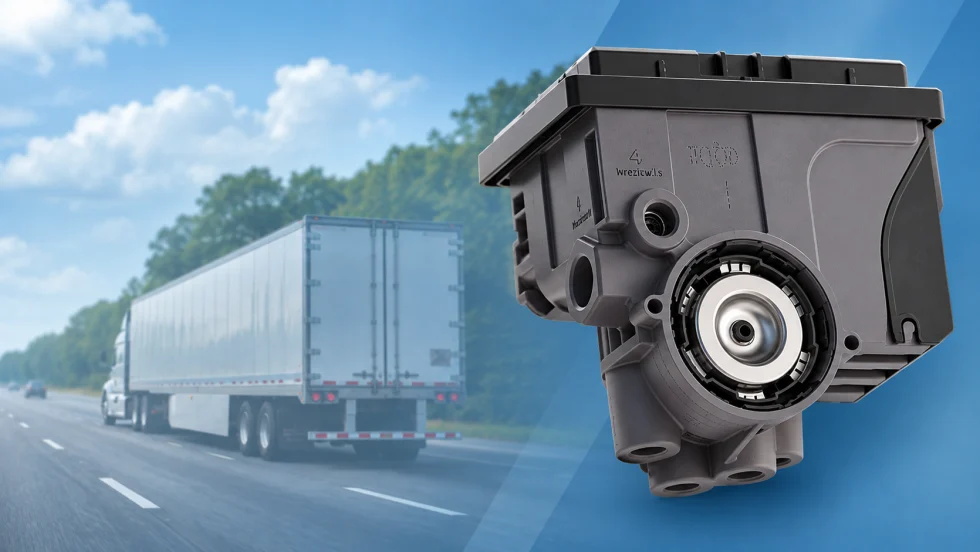
Bendix Upgrades Trailer ABS With Smarter Diagnostics
The new iTABS X system replaces Bendix's TABS-6 Standard trailer ABS, adding faster diagnostics and connectivity that could help fleets identify brake-system problems before they lead to downtime.
Read More →
CVSA Sets 2027 International Roadcheck Dates
The annual 72-hour truck inspection blitz will take place May 11–13 across North America. Here's what fleets can expect and what inspectors found during the 2026 event.
Read More →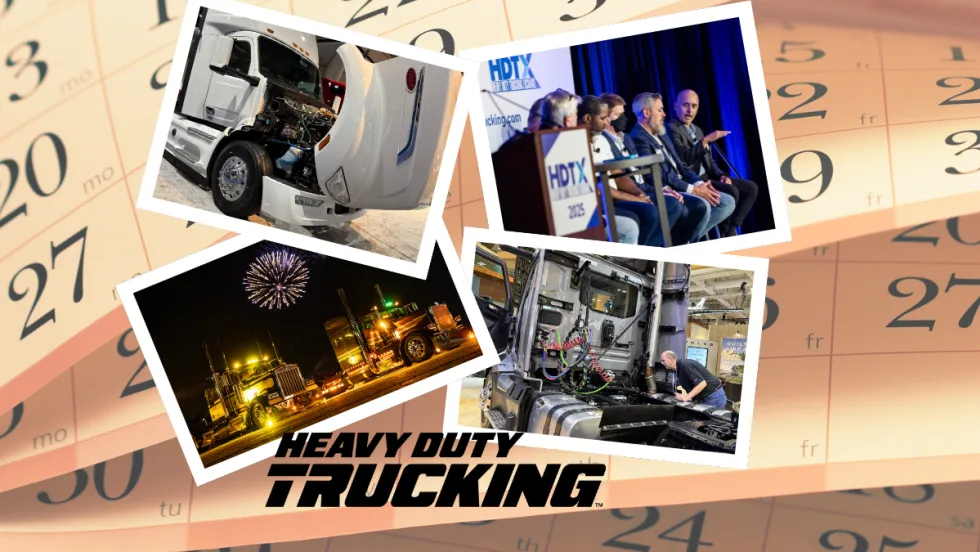
What Trucking Events are Happening in 2027?
Looking for trucking-related conventions, expos, and other events? Heavy Duty Trucking has developed this list of national and larger regional trucking shows and events.
Read More →
Brake Problems Sideline 15% of Inspected Trucks
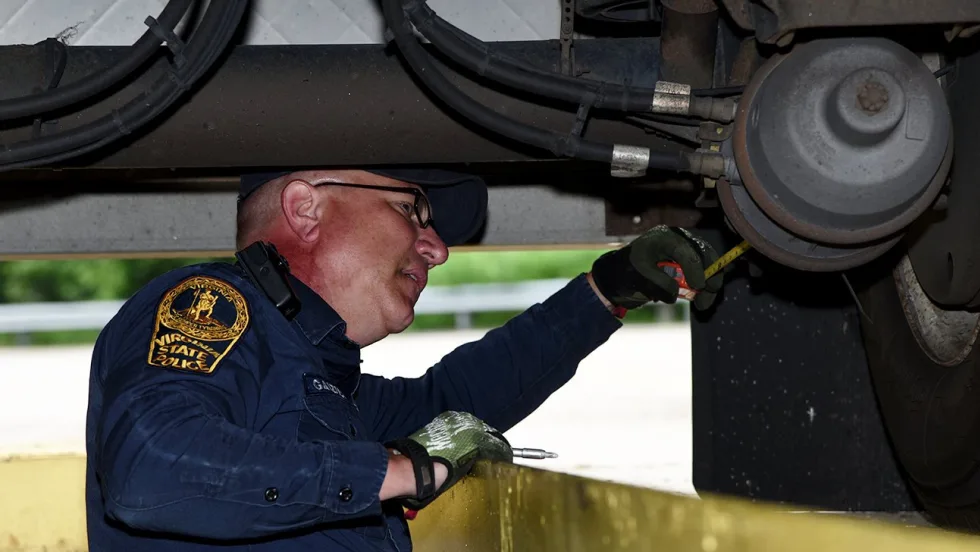
During CVSA's 2026 Brake Safety Week, inspectors placed nearly 2,400 commercial vehicles out of service for brake violations, including problems with defective brakes, hoses, drums and rotors.
Read More →
Sponsored•November 6, 2026
Unlocking the performance advantages of PC-12
2027 will mark the arrival of a new generation of heavy-duty engine oils. PC-12 reflects how far engine design has advanced and the demands that progress places on heavy-duty lubricants. Here’s what the transition means to your fleet.
Read More →
Sponsored•November 3, 2026
6 Tips for Troubleshooting Cold-Weather Truck Problem: Don't Guess, Diagnose it
Cold weather can expose hidden truck problems. Discover six practical troubleshooting tips to pinpoint the cause, avoid unnecessary repairs and keep trucks on the road.
Read More →
How GP Transco Builds Fuel Savings a Fraction at a Time
Aerodynamic specs, solar panels, and driver incentives help GP Transco turn small efficiency gains into savings it can reinvest in its people.
Read More →
Oil Crisis Squeezes Trucking Lubricant Supplies
Fleets report higher lubricant costs as Middle East disruptions tighten supplies of ingredients used in synthetic engine oils and some driveline lubricants.
Read More →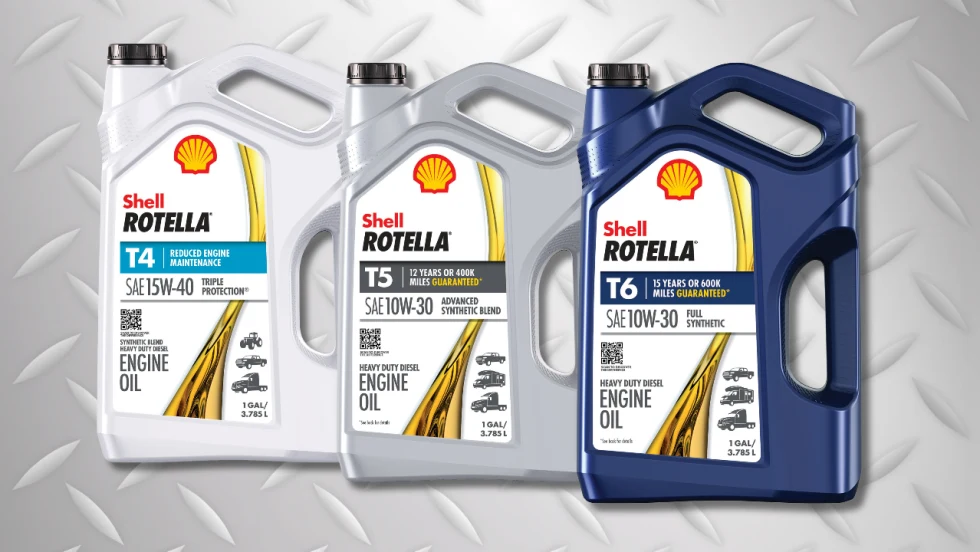
Shell Prepares Rotella Oils for 2027
New CL-4 and FB-4 formulations will begin arriving in early 2027, with improved protection against oil breakdown, wear and deposits, according to Shell.
Read More →
Mack Expands Extended Coverage With Four Chassis System Plans
Mack Trucks' new system-specific coverage options allow heavy-duty fleets to select protection for driveline, cab, HVAC, electronics, and advanced safety components.
Read More →