




Unlocking the performance advantages of PC-12
2027 will mark the arrival of a new generation of heavy-duty engine oils. PC-12 reflects how far engine design has advanced and the demands that progress places on heavy-duty lubricants. Here’s what the transition means to your fleet.
Petro-Canada Lubricants
- PC-12 introduces a new generation of heavy-duty engine oils set to arrive by 2027.
- Advances in engine design have elevated the performance demands on heavy-duty lubricants.
- The transition to PC-12 has significant implications for fleet maintenance and efficiency.
*Summarized by AI
For commercial fleets, engine oil has a demanding job: protecting your engine, helping equipment perform reliably and supporting efficient operation for many years to come.
But engines continue to evolve. As tighter emissions requirements and the drive for greater efficiency increase the demands placed on lubricants, they must evolve also. That's why PC-12 matters.
The next generation of heavy-duty engine oil standards will come into effect January 1, 2027. For fleet managers and maintenance teams, it’s key to understand what is changing – and what those changes will mean for your lubricant selection, inventory and maintenance.
What is PC-12?
Proposed Category 12 – better known as PC-12 – was developed in response to the changing requirements of heavy-duty diesel engines and to meet tighter emissions standards. PC-12 consists of two new categories of lubricants – API CL-4 and FB-4 – which succeed today’s API CK-4 and FA-4 oils respectively.
These new categories continue the industry’s move toward lower-viscosity lubricants. By reducing pumping and rotational losses and viscous drag inside the engine, lower-viscosity oils can help improve efficiency and fuel economy while still providing essential protection.
For fleets, it means that PC-12 is more than just a new label. It’s an opportunity to review which lubricants are being used across the operation and ensure they remain matched to the engines they protect.
Why is PC-12 important?
Fleet performance depends on asset productivity. Trucks need to stay on the road, engines need to perform reliably, and maintenance decisions need to support long equipment life.
PC-12 raises performance expectations in three key important areas: wear protection, oxidation control and emissions aftertreatment system protection.
API CL-4 will replace CK-4 and cover higher high temperature high shear (HTHS) oils, including XW-40 grades and selected XW-30 products. It will be backwards-compatible with engines requiring API CK-4.
API FB-4 replaces FA-4 and is intended for specific engine architectures designed to benefit from lower HTHS viscosity oils, including XW-30 and XW-20 grades.
With two distinct categories of oils, following the original equipment manufacturer's recommendations is essential. Fleets should work with OEMs and lubricant technical advisors to determine the correct products for each engine.
Enhanced performance across three core areas
PC-12 will continue advancing oil technology with three key performance enhancing upgrades:
1. Robust wear protection
Heavy-duty trucks operate under high loads and demanding duty cycles. PC-12 oils are designed to provide enhanced wear protection for critical engine components throughout the drain interval, helping fleets protect engines and support longer asset life.
2. Improved oxidation control
Heat, time and severe operating conditions can cause engine oil to oxidize, thicken and decrease performance.
PC-12 introduces improved oxidation performance to help oils maintain their protective properties under the most demanding conditions. For fleets, this greater oxidation stability means the oil can continue performing as intended throughout the drain intervals leading to longer uptime and ultimately lower total cost of ownership.
3. Enhanced aftertreatment system protection
Modern diesel engines rely on emissions technologies including diesel particulate filters and selective catalytic reduction systems.
PC-12 tightens requirements around sulfated ash, phosphorus and sulfur – commonly known as SAPS. Controlling these components helps protect critical aftertreatment hardware and supports longer system life.
Preparing for PC-12
January 1, 2027 shouldn’t be the date you start thinking about PC-12.
If you’re running a fleet, this is a great time to review the vehicles and engines in operation and identify each OEM’s recommended lubricant specification. Assess bulk tanks and packaged oil inventories and consider how product changeovers will be managed across locations.
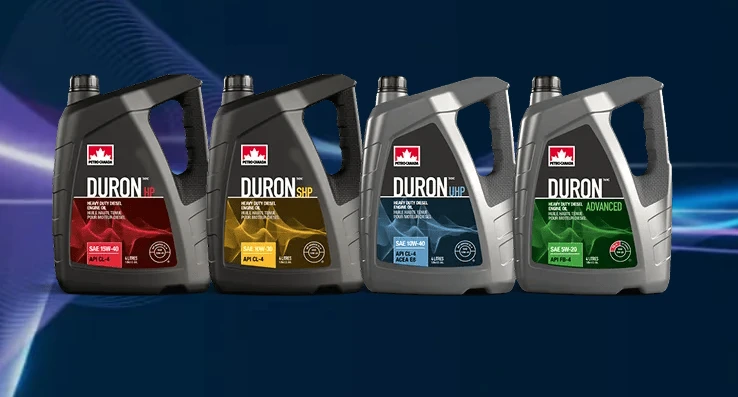
At Petro-Canada Lubricants, we’ve been preparing for PC-12 by contributing technical expertise to the development of the standard and creating the next generation of DURON™ heavy-duty engine oils.
We’ve engineered DURON to meet and exceed API CL-4 requirements across key areas including wear protection, deposit control, oxidation resistance, aftertreatment device protection and cold-temperature performance.
As specifications change, our priority stays the same: helping fleets protect equipment, improve performance and keep operations moving. As specifications change, our priority stays the same: supporting fleets to lower total cost of ownership by protecting equipment, improving performance and keeping operations moving.
For more information on PC-12 and preparing your operation for the transition, visit DURONPC12.com.
This article reflects the views of Petro-Canada Lubricants and does not necessarily represent the views of Heavy Duty Trucking or Bobit Business Media.
Quick Answers
PC-12 refers to the upcoming generation of heavy-duty engine oils designed to meet the advanced demands of modern engine technology.
*Summarized by AI
More Maintenance

6 Tips for Troubleshooting Cold-Weather Truck Problem: Don't Guess, Diagnose it
Cold weather can expose hidden truck problems. Discover six practical troubleshooting tips to pinpoint the cause, avoid unnecessary repairs and keep trucks on the road.
Read More →
How GP Transco Builds Fuel Savings a Fraction at a Time
Aerodynamic specs, solar panels, and driver incentives help GP Transco turn small efficiency gains into savings it can reinvest in its people.
Read More →
Oil Crisis Squeezes Trucking Lubricant Supplies
Fleets report higher lubricant costs as Middle East disruptions tighten supplies of ingredients used in synthetic engine oils and some driveline lubricants.
Read More →
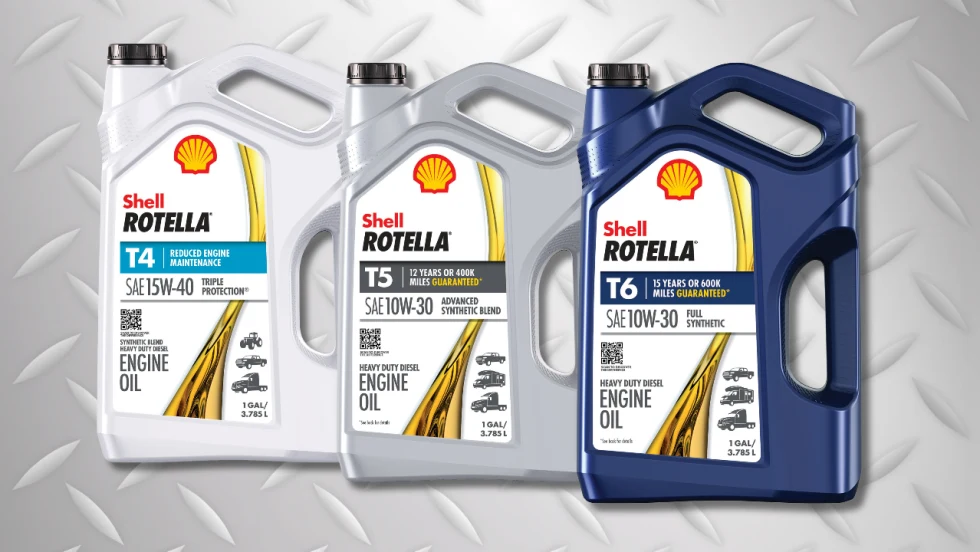
Shell Prepares Rotella Oils for 2027
New CL-4 and FB-4 formulations will begin arriving in early 2027, with improved protection against oil breakdown, wear and deposits, according to Shell.
Read More →
Mack Expands Extended Coverage With Four Chassis System Plans
Mack Trucks' new system-specific coverage options allow heavy-duty fleets to select protection for driveline, cab, HVAC, electronics, and advanced safety components.
Read More →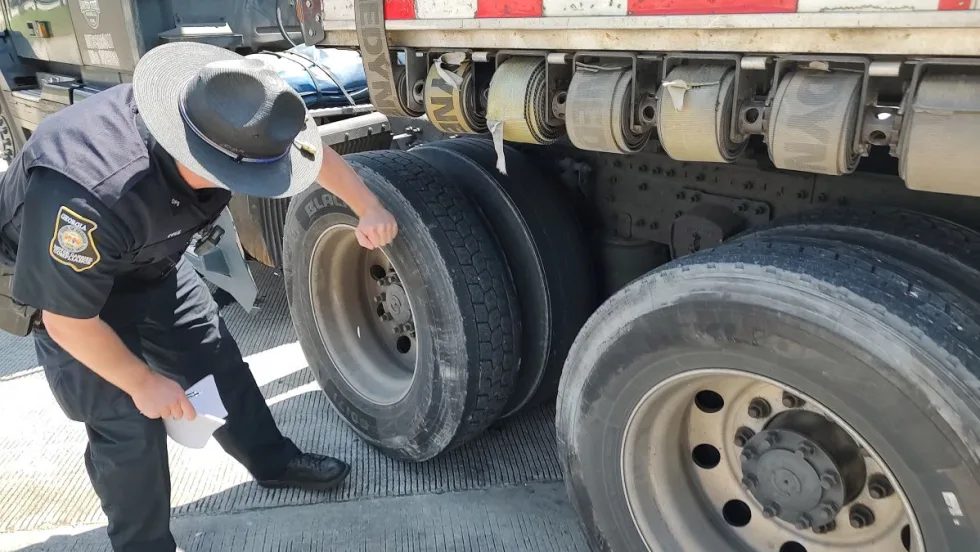
What an Out-of-Service Order Really Costs, and How to Plan for One
The repair invoice is the first number you see — and often one of the smallest. Here’s what else an out-of-service order can cost a fleet, and how planning can reduce the damage.
Read More →
International Launches Online Truck Parts Store
Fleetrite.com lets fleets and repair shops find OEM and all-makes parts, check prices and availability, and order without calling a parts counter.
Read More →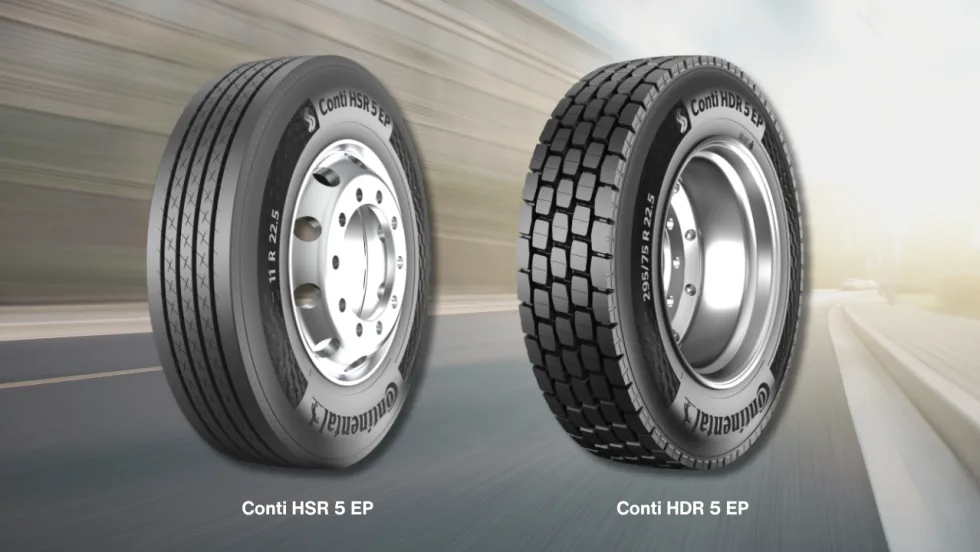
Continental Introduces New Regional Truck Tires
Continental says its new Generation 5 steer and drive tires for regional operations offer longer tread life, with estimated mileage gains of 22% and 19%, respectively.
Read More →
Color Match Smarter: Tools That Restore & Perform
For fleet managers and collision repair professionals keeping heavy-duty trucks on the road, getting the color right the first time isn't just about appearance — it's about efficiency, turnaround time, and bottom-line results. Discover how today's digital color tools are transforming the repair process from guesswork to precision.
Read More →
Wrong Repair Prompts Recall of Freightliner, Western Star 4x2 Trucks
DTNA is recalling more than 2,400 trucks that received an incompatible software fix instead of the hardware repair required to address brake valve corrosion.
Read More →