




Oil Crisis Squeezes Trucking Lubricant Supplies
Fleets report higher lubricant costs as Middle East disruptions tighten supplies of ingredients used in synthetic engine oils and some driveline lubricants.

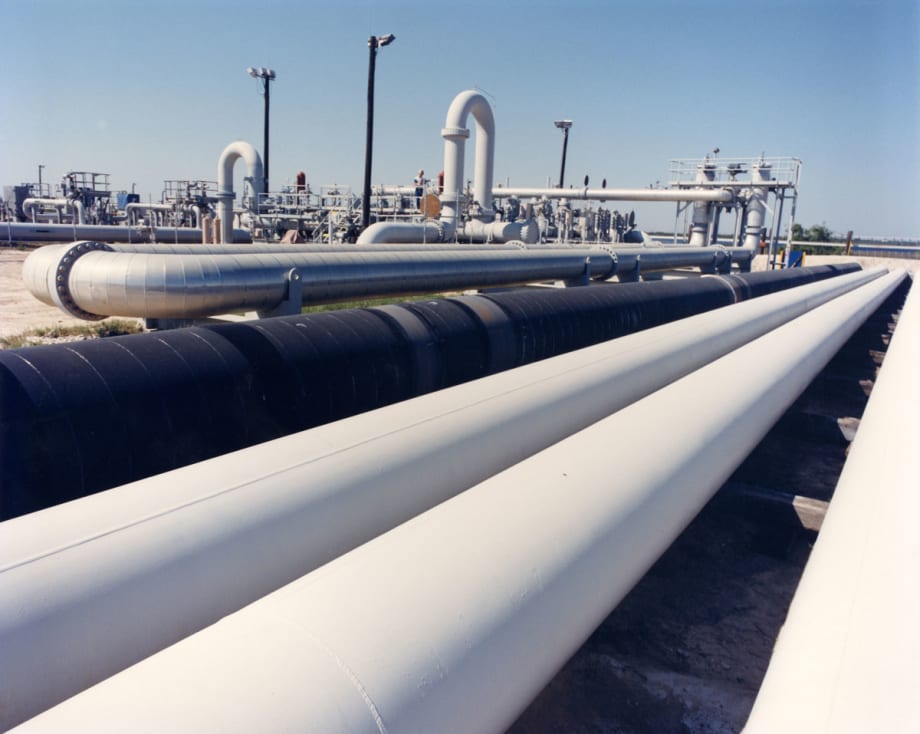
Disruptions in crude oil supplies not only affect diesel prices, but also have an impact on the supply of stocks needed for engine oils and other lubricants.
Photo: Department of Energy
- Trucking fleets are experiencing increased costs for lubricants essential for their operations.
- Disruptions in the Middle East are impacting the availability of key ingredients for synthetic engine oils and driveline lubricants.
- This should not affect next year's rollout of new-category engine oils.
*Summarized by AI
Diesel fuel isn’t the only oil-related expense pressuring trucking fleets.
Some fleets tell HDT that while fuel surcharges help offset soaring diesel prices, they’re also paying more for engine oil and other lubricants as the war involving Iran disrupts global oil supplies.
Responses from Shell and the American Petroleum Institute point to a particular problem: shortages of certain base oils used to make finished lubricants, especially premium synthetic engine oils.
Neither provided figures showing how much finished lubricant prices have increased. But both described supply constraints, and API has extended emergency provisions allowing engine oil marketers to change approved formulations when ingredients become unavailable.
Why Synthetic Oils Are Feeling the Squeeze
The supply pressure is particularly acute for Group III base oils, which are used in many synthetic engine oil formulations.
“There is a tighter availability of certain Group III base oils, which impacts the ability to formulate premium full synthetic low-viscosity formulations,” Shell said in written responses to HDT.
Shell attributed price pressure primarily to a broader shortage of key base oils, especially Group III. The company said it is managing effects on production of select engine oils and drawing on its supply network to address the problem.
The impact extends beyond engine oil. Shell said some driveline lubricants also are affected.
API said the Group III supply chain has tightened further since August. Some marketers may need to switch base oil sources because they cannot obtain the ingredients used in their approved formulations, according to Bill O’Ryan, API’s director of Engine Oil Licensing and Certification System/DEF.
“As inventories tighten and supply disruptions continue, lubricant marketers may face challenges obtaining the specific base oils used in their approved formulations,” O’Ryan said.
That has raised concerns about product shortages, supply continuity and the availability of certain low-viscosity motor oils, he said.
More Than a Crude Oil Price Problem
The lubricant supply squeeze involves production capacity, shipping and the availability of replacement supplies.
In a June explanation of the crisis, the Independent Lubricant Manufacturers Association said damage to Middle East production facilities, depleted inventories and limited alternative supplies would complicate recovery even if shipping conditions improved.
Refinery economics also play a role. Stronger returns from diesel and jet fuel can make those products more attractive to refiners than base oils, potentially limiting replacement production, the association explained.
That helps explain why relief at the fuel pump would not necessarily mean immediate relief on a fleet’s lubricant bill.
API Extends Emergency Formulation Flexibility
The supply disruptions have prompted API to invoke Emergency Provisional Licensing under API 1509, the standard governing its engine oil licensing program.
The provision allows licensed engine oil marketers to temporarily modify formulations when extraordinary disruptions prevent them from obtaining required raw materials.
API extended that authorization for another 90 days beginning October 1, citing disruptions at multiple Middle East base oil refineries and severe global base oil supply shortages.
The flexibility comes with testing, technical review, traceability and accountability requirements, O’Ryan said.
The Independent Lubricant Manufacturers Association, which requested activation of the emergency program, said participating marketers must provide technical information demonstrating that substitutions will not adversely affect the performance standards claimed for their licensed products.
New Heavy-Duty Oil Categories Remain on Schedule
Despite the supply challenges, API and Shell said the new API CL-4 and FB-4 heavy-duty engine oil categories remain on schedule for first licensing Jan. 1, 2027.
Shell said it is finalizing its Rotella formulations to meet that date.
How much fleets ultimately pay for those products remains unclear. API said it does not set or predict lubricant prices. Shell declined to discuss price movements, citing antitrust rules.
More Maintenance
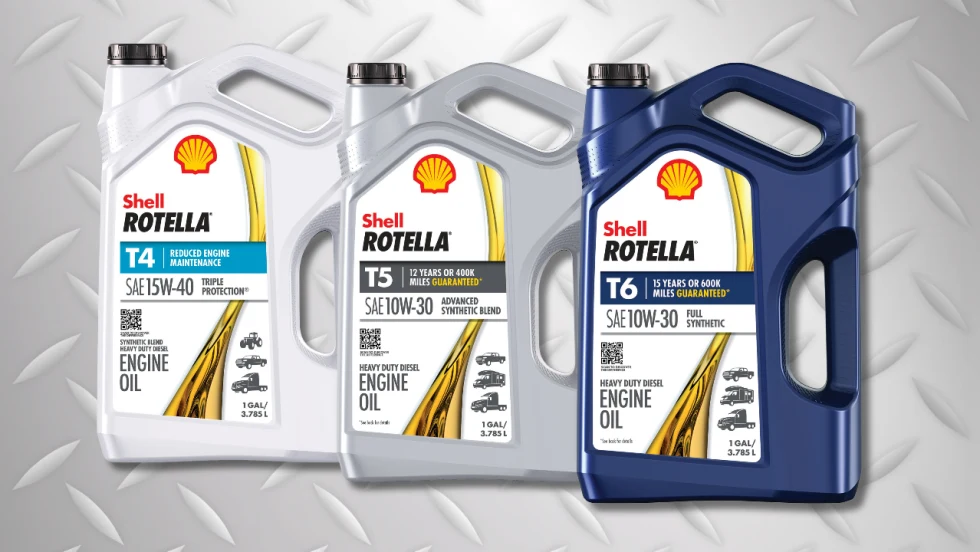
Shell Prepares Rotella Oils for 2027
New CL-4 and FB-4 formulations will begin arriving in early 2027, with improved protection against oil breakdown, wear and deposits, according to Shell.
Read More →
Mack Expands Extended Coverage With Four Chassis System Plans
Mack Trucks' new system-specific coverage options allow heavy-duty fleets to select protection for driveline, cab, HVAC, electronics, and advanced safety components.
Read More →
What an Out-of-Service Order Really Costs, and How to Plan for One
The repair invoice is the first number you see — and often one of the smallest. Here’s what else an out-of-service order can cost a fleet, and how planning can reduce the damage.
Read More →
International Launches Online Truck Parts Store
Fleetrite.com lets fleets and repair shops find OEM and all-makes parts, check prices and availability, and order without calling a parts counter.
Read More →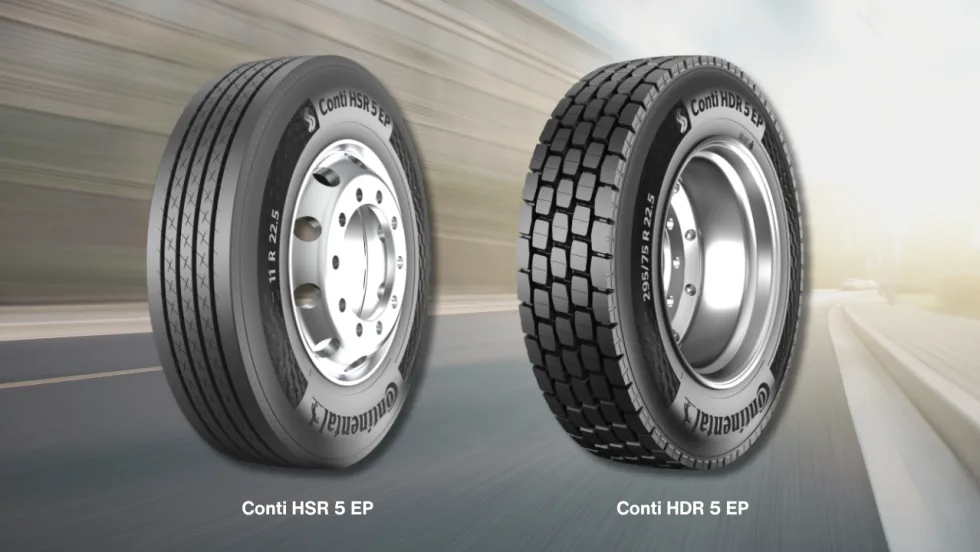
Continental Introduces New Regional Truck Tires
Continental says its new Generation 5 steer and drive tires for regional operations offer longer tread life, with estimated mileage gains of 22% and 19%, respectively.
Read More →
How AI Can Help Your Techs’ Efficiency
The technician shortage isn't going away, and no single fix can close the gap on its own. Trent Broberg makes the case that AI's real job in the shop is protecting the billable hours and job satisfaction of the techs you already have, not asking them to work faster.
Read More →
Color Match Smarter: Tools That Restore & Perform
For fleet managers and collision repair professionals keeping heavy-duty trucks on the road, getting the color right the first time isn't just about appearance — it's about efficiency, turnaround time, and bottom-line results. Discover how today's digital color tools are transforming the repair process from guesswork to precision.
Read More →
Wrong Repair Prompts Recall of Freightliner, Western Star 4x2 Trucks
DTNA is recalling more than 2,400 trucks that received an incompatible software fix instead of the hardware repair required to address brake valve corrosion.
Read More →
Truck Drivers Need More Than Another Alert
Fleets have more visibility into truck health, safety events, and driver activity than ever. The next challenge is turning all that information into useful guidance for the person who has to decide what to do next.
Read More →
The Maintenance Checks Trucking Fleets Should Prioritize Before Fall Freight Picks Up
Making it through August isn’t the same as being ready for the next several months of operation. Find out what systems may have suffered from summer heat and need to be checked out before fall.
Read More →