




6 Tips for Troubleshooting Cold-Weather Truck Problem: Don't Guess, Diagnose it
Cold weather can expose hidden truck problems. Discover six practical troubleshooting tips to pinpoint the cause, avoid unnecessary repairs and keep trucks on the road.

Mitchell 1

Cold weather has a way of bringing out the worst in a truck. A vehicle that ran fine last week suddenly won't start, throws an unexpected fault code or develops an intermittent electrical problem.
I've seen how frustrating these situations can be, especially when you can't pinpoint the problem and the clock keeps ticking. But here's the thing: Cold weather doesn't necessarily cause the problem. Often, it exposes a weakness that's been there all along.
Good diagnostics starts with understanding the problem, not guessing which part to replace. Drawing on my experience as a heavy-duty truck technician, here are six tips to help pinpoint common cold-weather problems.
1. Check the Basics Before Replacing Parts
What's the most common mistake technicians make when diagnosing a cold-weather no-start? They forget to check the basics before replacing parts.
When a truck won't start on a freezing morning, it's easy to blame the battery or starter. Sometimes that's the problem. But poor grounds, corroded terminals, loose connections or excessive voltage drop can create the same symptoms.
Before replacing anything, check the battery's condition, connections, charging system and starter circuit. You'd be surprised how often a few basic checks can save hours of unnecessary troubleshooting.
My advice: Start with the simple stuff. Don't let an assumption send you down the wrong path.
2. Know What Sensor Readings Should Be at That Temperature
One of the trickiest parts of winter diagnostics is knowing whether sensor readings are actually correct. Here's an example: What might be an out-of-range reading in 75-degree weather could be perfectly normal at 20 degrees.
If you're looking at a sensor value or voltage without considering temperature, you could mistake normal operation for a failed component. That's why I recommend checking the correct sensor ranges and specifications in the repair information. It's the only way to know whether the readings are appropriate for the conditions.
A fault code can point you in the right direction, but it doesn't necessarily mean the sensor itself is bad.
The takeaway: Before replacing a sensor, know what the reading should be at the current temperature.
3. Test the Truck in the Temperature Where It Failed
If I could give technicians one piece of advice about intermittent cold-weather problems, it would be this: Do your testing at the temperature where the problem occurred.
A driver reports that a truck won't start on a freezing morning. The truck comes into a heated shop, sits overnight and starts right up the next day.
Now you're trying to diagnose a problem that isn't there anymore. If the truck only acts up in the cold, you may need to leave it outside overnight and test it before everything warms up. Electrical connections, sensors and other components can behave differently as temperatures change. A problem that's obvious at 20 degrees might disappear at 70 degrees.
The takeaway: Recreate the conditions that caused the failure. Sometimes the best place to diagnose a cold-weather problem is outside the shop.
4. Don't Overlook the Fuel System
When a diesel truck struggles to start in cold weather, it's easy to suspect the battery or starter. But the fuel system could be the real culprit. Diesel fuel can wax or gel as temperatures drop, restricting flow through the fuel filter. Water contamination, restricted filters and fuel-heating problems can also make starting difficult.
These symptoms can resemble electrical or starting-system failures. Before replacing parts, check the fuel condition, filters and fuel delivery. Depending on the engine, inspect the intake air heaters, grid heaters or glow plugs. If these components aren't working properly, they can cause hard starting, rough running or excessive smoke during startup.
The takeaway: Look at the whole system, not just the first component that comes to mind.
5. Remember that Moisture and Freezing Temperatures Don't Mix
Cold weather can cause problems in unexpected places, including a truck’s air brake system. Moisture can build up in air lines, valves and other components. When temperatures drop below freezing, that moisture can turn to ice and interfere with brake operation.
A driver might report slow air-pressure buildup or a sticking valve. Before assuming a component has failed, consider whether frozen moisture is contributing to the problem. Check the air dryer, inspect for moisture, and follow the manufacturer's maintenance and troubleshooting procedures.
The takeaway: Understanding the conditions surrounding a complaint is just as important as understanding the symptom.
6. Let the Repair Information Guide You
Today's commercial trucks have sophisticated electrical, electronic and emissions systems. Even experienced technicians can't remember every diagnostic procedure, sensor specification or wiring configuration.
Take diesel exhaust fluid (DEF), for example. DEF freezes at about 12°F, so trucks have systems designed to thaw it. Frozen DEF alone doesn’t mean something has failed. The question is whether the thawing system is working as intended. If it isn’t, the cause could involve a heater, sensor or related circuit.
I encourage technicians to use OEM-level diagnostic procedures, wiring diagrams, component locations and specifications to verify what they're seeing instead of relying on a hunch. Mitchell 1's TruckSeries brings this repair information together for Class 4-8 trucks, helping technicians find answers quickly and diagnose with confidence.
The takeaway: The right repair information helps you make the right repair the first time.
The Bottom Line: Don't Bet Your Reputation on an Assumption
Cold-weather diagnostics shouldn't become a guessing game. Start with the basics, know what the readings should be and test the truck under the conditions that caused the failure.
Most importantly, don't bet your reputation on an assumption. Finding the real cause helps avoid unnecessary parts replacement, prevent comebacks, and keep trucks on the road when they're needed most.
ABOUT TRUCKSERIES:
TruckSeries is a comprehensive repair information suite for Class 4-8 trucks, delivering a one-stop, all-makes data resource with scalable wiring diagrams, DTC-to-diagnostics, mechanical labor time estimating and more, all delivered in seconds.
Tommy Southward is Director of Content Engineering at Mitchell 1. He is an ASE World Class Technician, ASE Master Medium/Heavy Truck Technician, ASE Master Automobile Technician and ASE Advanced Level Specialist (L1 and L2).
This article reflects the views of Mitchell 1 and does not necessarily represent the views of Heavy Duty Trucking or Bobit Business Media.
More Maintenance

How GP Transco Builds Fuel Savings a Fraction at a Time
Aerodynamic specs, solar panels, and driver incentives help GP Transco turn small efficiency gains into savings it can reinvest in its people.
Read More →
Oil Crisis Squeezes Trucking Lubricant Supplies
Fleets report higher lubricant costs as Middle East disruptions tighten supplies of ingredients used in synthetic engine oils and some driveline lubricants.
Read More →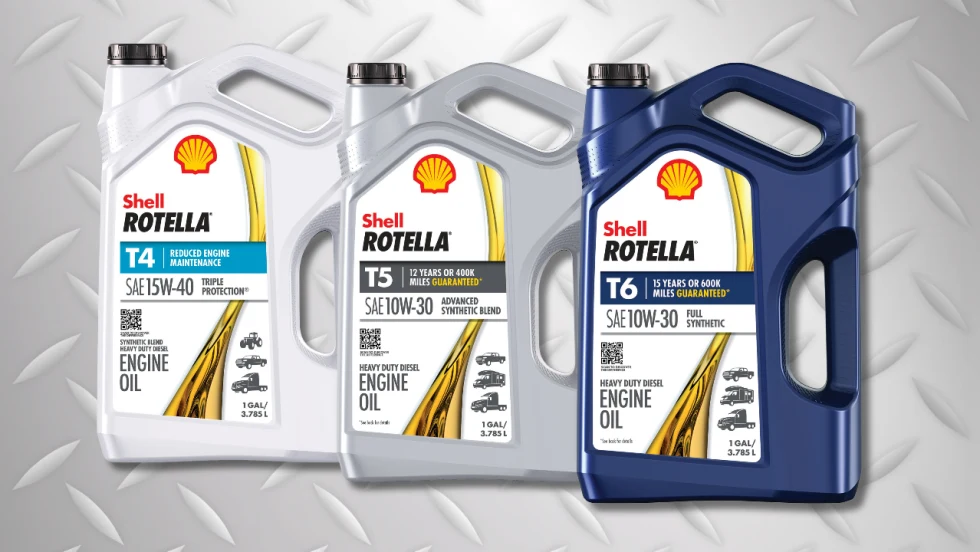
Shell Prepares Rotella Oils for 2027
New CL-4 and FB-4 formulations will begin arriving in early 2027, with improved protection against oil breakdown, wear and deposits, according to Shell.
Read More →

Mack Expands Extended Coverage With Four Chassis System Plans
Mack Trucks' new system-specific coverage options allow heavy-duty fleets to select protection for driveline, cab, HVAC, electronics, and advanced safety components.
Read More →
What an Out-of-Service Order Really Costs, and How to Plan for One
The repair invoice is the first number you see — and often one of the smallest. Here’s what else an out-of-service order can cost a fleet, and how planning can reduce the damage.
Read More →
International Launches Online Truck Parts Store
Fleetrite.com lets fleets and repair shops find OEM and all-makes parts, check prices and availability, and order without calling a parts counter.
Read More →
Continental Introduces New Regional Truck Tires
Continental says its new Generation 5 steer and drive tires for regional operations offer longer tread life, with estimated mileage gains of 22% and 19%, respectively.
Read More →
Color Match Smarter: Tools That Restore & Perform
For fleet managers and collision repair professionals keeping heavy-duty trucks on the road, getting the color right the first time isn't just about appearance — it's about efficiency, turnaround time, and bottom-line results. Discover how today's digital color tools are transforming the repair process from guesswork to precision.
Read More →
Wrong Repair Prompts Recall of Freightliner, Western Star 4x2 Trucks
DTNA is recalling more than 2,400 trucks that received an incompatible software fix instead of the hardware repair required to address brake valve corrosion.
Read More →
Truck Drivers Need More Than Another Alert
Fleets have more visibility into truck health, safety events, and driver activity than ever. The next challenge is turning all that information into useful guidance for the person who has to decide what to do next.
Read More →