




Talking Diesel Aftertreatment Maintenance
Diesel aftertreatment systems remain the source of much confusion and frustration for fleets and drivers alike.
May 17, 2021

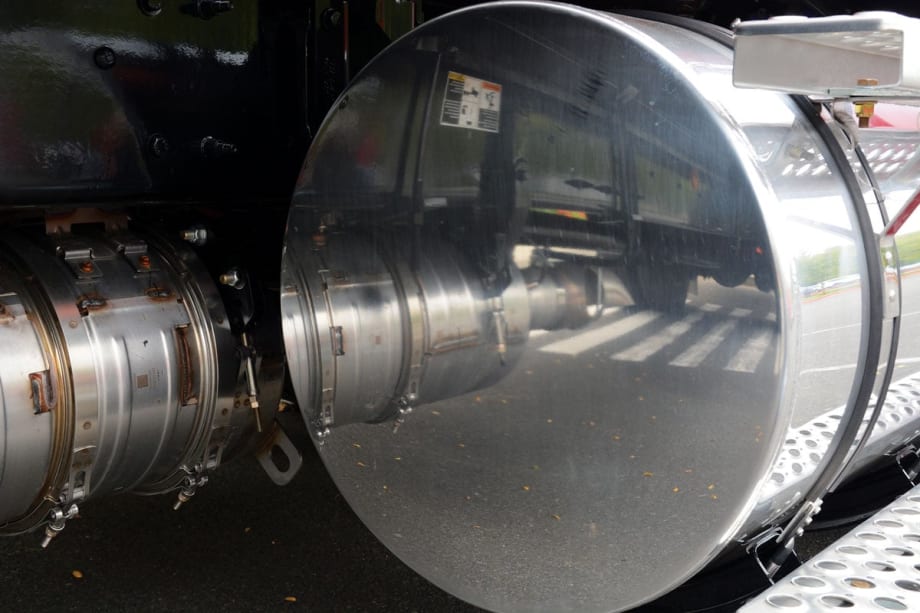
We’ve had some 15 years to figure it out, yet diesel particulate filter maintenance remains a nightmare for many fleets.
Photo: Jim Park
3 min to read
When working properly, aftertreatment systems clean exhaust gases to ensure diesel engines meet emission regulations. But aftertreatment systems remain the source of much confusion and frustration for fleets and drivers alike.
Like most everything else on a truck, these systems require regular inspection and maintenance for optimum performance.
To get the nitty-gritty on aftertreatment, the HDT Talks Trucking podcast brought on two experts: Steve Hoke, president of Redding, California-based Diesel Emissions Service, and Steve "Junior" Stratton, warranty and training manager at DES.
With nearly three decades of combined experience cleaning and servicing aftertreatment systems, Hoke and Stratton offered their thoughts on what can go wrong with these systems and how to maintain them for the best results.
Why is Diesel Aftertreatment Such a Headache?
Why do aftertreatment systems still seem to be causing grief for fleet managers?
“We believe that it's a lack of training and support from the OEMs, mainly because they want the vehicle brought back to the dealer for work,” Hoke told HDT Talks Trucking host Jim Park.
“With the 2007 and newer vehicles, mechanics had to become technicians and really learn and understand the new aftertreatment technology to be able to diagnose the systems,” he continued. “As far as the DPF or aftertreatment, in 2007, fleets were kind of thrown into a tailspin with downtime and costs attributed to the aftertreatment system.”
Hoke also said there was an unrealistic expectation of the expected performance of these systems.
“In 2007, almost every truck/engine manufacturer basically said, ‘Look, the aftertreatment systems are going to last 500,000 to 600,000 miles. Don't worry about them.’ But we found out over the years that things were a lot more complicated than that.”
He added that duty cycles for vocational trucks make it more difficult on the aftertreatment system to operate properly, compared to the steady-state operation of engines in long-haul, over-the-road trucks.
Even in on-highway trucks, however, things can go bad seemingly very quickly with an aftertreatment system, including causing roadside breakdowns.
“It's a culmination of things,” Stratton said. “It's a combination of duty cycle, lack of maintenance, and neglect. And then there are the rare occasions where there's an actual aftertreatment system failure.”
Dig Into the Causes of Aftertreatment System Problems
Hoke said that if he had a fleet of trucks that was having the types of downtime issues many fleets have reported, “I would be digging into the diagnostic side to find out why. Yep, I have opacity issues on the engine. Do I see temperatures that are not conducive to create a passive regen? Do I have a DPF that is plugged? No good. Do I have an SCR [selective catalytic reduction] system issue? Because theoretically, unless you are stopping, in the normal use of that vehicle it should be able to support either passive or active regens without your knowledge.”
In discussing some of the big picture around aftertreatment maintenance, Stratton invoked the tried and true “pay me now or pay me later” scenario.
“Fleets don't want to spend $350 to have a DPF cleaned, but do they want to spend $1,500 on a tow bill and three days in the shop? If they schedule the DPF cleaning on their own time with their own machines, they’re going to potentially save exponentially on the other end.”
Subscribe to Our Newsletter
More Maintenance

Sponsored•September 16, 2026
Color Match Smarter: Tools That Restore & Perform
For fleet managers and collision repair professionals keeping heavy-duty trucks on the road, getting the color right the first time isn't just about appearance — it's about efficiency, turnaround time, and bottom-line results. Discover how today's digital color tools are transforming the repair process from guesswork to precision.
Read More →
Wrong Repair Prompts Recall of Freightliner, Western Star 4x2 Trucks
DTNA is recalling more than 2,400 trucks that received an incompatible software fix instead of the hardware repair required to address brake valve corrosion.
Read More →
Truck Drivers Need More Than Another Alert
Fleets have more visibility into truck health, safety events, and driver activity than ever. The next challenge is turning all that information into useful guidance for the person who has to decide what to do next.
Read More →
The Maintenance Checks Trucking Fleets Should Prioritize Before Fall Freight Picks Up
Making it through August isn’t the same as being ready for the next several months of operation. Find out what systems may have suffered from summer heat and need to be checked out before fall.
Read More →
What Three Fleets Are Doing Differently When Buying Truck Parts in 2026
With freight improving but costs still climbing, fleet maintenance executives explain how they're balancing price, quality, and supplier relationships.
Read More →
Paccar Recalls 2027 Trucks Built This Summer for Possible Electrical Problem
The nearly 6,000 Kenworth and Peterbilt trucks in the recall could potentially lose engine power, among other things.
Read More →
Will API PC-12 Oil Change Trucking Fleet Maintenance?
The new API PC-12 heavy-duty engine oil category reflects the changing demands of modern diesel engines. But fleets like Foodliner are looking to getting their own data before making decisions on adopting the new oils and questions such as extending oil drain intervals.
Read More →
Brake Safety Week to Focus on Drums and Rotors
Commercial vehicle inspectors are focusing on truck brakes during CVSA's Brake Safety Week, August 23-29.
Read More →Possible Battery-Cable Fires Prompt Recall of 15,000+ International MV and HV Trucks
On the recalled vehicles, manufacturing variations can cause the battery interconnect cable to contact the auxiliary stud and hold down the bracket.
Read More →
Rush, MCT Team Up to Grow Refrigeration Service Network
The joint venture will operate MCT's network of Carrier Transicold dealerships and mobile service locations, with the companies promising greater service capacity and uptime for refrigerated fleets.
Read More →