




50 Ways Fleets Can Cut Fuel Costs Now — Without Buying New Trucks
Fuel savings don’t come from one big change. They come from dozens of small ones. Here’s how leading fleets are stacking gains across drivers, routing, maintenance, and more.

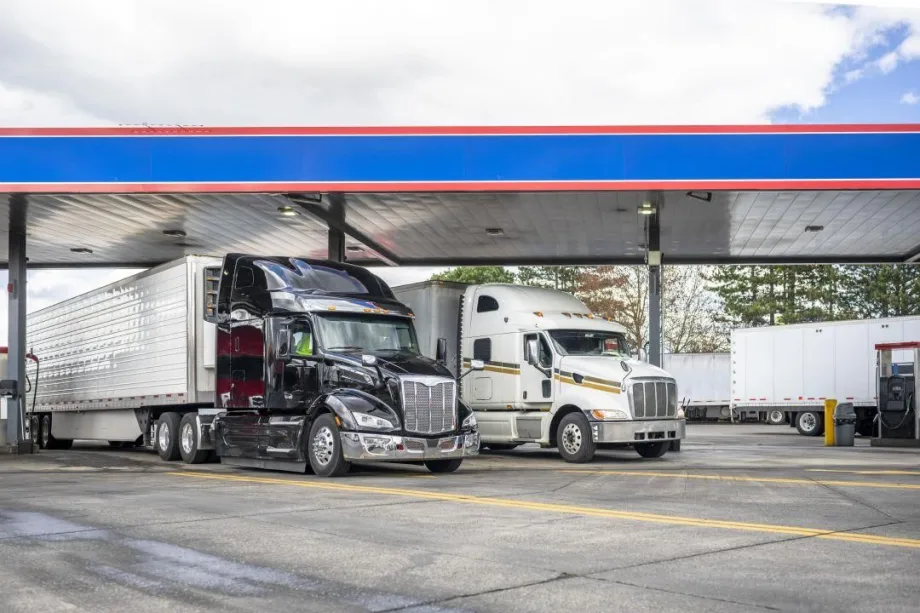
Some of the biggest fuel savings come by tightening up routing, reducing empty miles, and improving load planning.
Getty Images/vitpho
- Fuel savings are achieved with a series of small changes rather than a single major change.
- Leading fleets focus on optimizing driver behavior, route planning, and vehicle maintenance to improve fuel efficiency.
- Trucking fleets can use data and telematics to identify fuel-saving opportunities
*Summarized by AI
When diesel fuel prices spike, fleets don’t have time to wait for new equipment to improve efficiency. They must find savings in the trucks, drivers, and operations they already have. The good news is, there are a lot of other proven ways to improve fuel efficiency right now in areas such as driver behavior, routing, maintenance, and technology.
Nussbaum Transportation, which has consistently been honored as an HDT Top Green Fleet, averaged more than 9 mpg across its fleet last year. But running the newest fuel-efficient tractors was only part of the story. It comes from data-driven decisions, driver coaching, cutting idle time, and more.
And diesel prices don’t have to double to create a problem. A smaller spike can still take a bite out of margins, especially if fuel efficiency has been allowed to drift.
We’ve compiled 50 ways trucking fleets are saving on their fuel spend. Some may seem obvious, but others might give you ideas you hadn’t previously considered.
Drivers: The Biggest Lever for Improving Fuel Economy
Truck drivers can impact a tractor-trailer's fuel efficiency by more than 20%, according to the North American Council for Freight Efficiency. Driver training and incentives, it says, are a crucial, high-impact tool for unlocking these fuel savings.
1. Slow Down. One of the first things many fleets did when fuel prices spiked was to reduce speeds, whether through driver incentives or reprogramming top speeds on engines (something easier to do remotely than ever before).
A simplified rule of thumb is that every mile per hour driven over 60 mph reduces fuel economy by one-tenth of a mile per gallon, NACFE reports. A truck traveling at 65 mph will see a fuel efficiency increase of about 27% compared to a truck traveling at 75 mph.
2. Push cruise control usage higher. Cruise control smooths out throttle input and keeps trucks in a more efficient operating range. When you accelerate, you burn more fuel. Continually slowing down and speeding up wastes fuel. Adaptive cruise is even better, if your trucks are equipped with it. Nussbaum Transportation’s 72%+ cruise control usage is a big reason the company consistently outperforms industry mpg averages.
3. Cut out hard braking and aggressive acceleration. Every time momentum is lost, it has to be rebuilt with fuel. Keeping enough following distance behind the vehicle in front of you helps cut down on harsh braking.
4. Make mpg part of the conversation. Drivers tend to focus on what they hear about consistently. Fleets that discuss fuel economy with drivers often, not just when there’s a problem, see better engagement. Scorecards for drivers keep it front of mind.
5. Use in-cab feedback or telematics to connect actions to fuel use. Drivers are more likely to change behavior when they can see the impact immediately.
6. Make coaching (and rewards) specific to the job. A driver hauling heavy loads through hills isn’t going to hit the same mpg as a lighter route.
7. Create a little competition. Whether it’s terminal vs. terminal or driver vs. driver, people pay attention when rankings are visible. Tie it to incentives, and behavior tends to follow. Knight-Swift, for instance, ties driver incentives directly to fuel performance and uses telematics to flag underperformers.
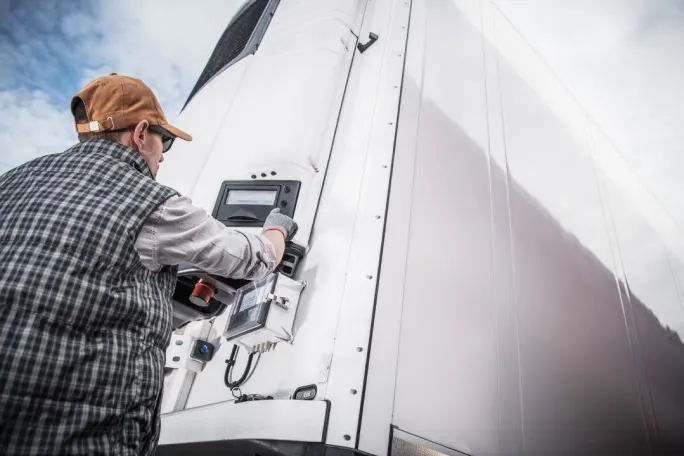
Driver training and incentives are a crucial, high-impact tool for unlocking fuel savings.
Getty Images/welcomia
Increasingly, fleets are using data to reinforce these habits and identify where improvements are needed – and in fact to identify improvements across all aspects of the company.
Using Data and Telematics to Improve Fuel Economy
Multi-year HDT Top Green Fleet honorees such as NFI, Nussbaum, and Paper Transport rely on real-time dashboards and analytics to track mpg, idle time, and out-of-route miles across their operations. That lets them quickly identify what’s working, correct what isn’t, and implement best practices across the fleet.
8. Track fuel economy by both driver and unit, not just fleet average. A single fleet-wide number hides a lot of variation. Breaking it down helps identify where gains—or losses—are really happening, and whether the issue is equipment, operation, or driver behavior.
9. Use dashboards and scorecards to make performance visible. Data only drives change when it’s easy to understand. Clear visuals help managers and drivers see trends, compare performance, and spot outliers quickly.
10. Use that data for coaching, not just reporting. Fuel data is most valuable when it leads to conversations about what’s working, what isn’t, and what needs to change.
11. Integrate fuel data with routing, dispatch, and maintenance systems. Fuel performance isn’t driven by one factor. Bringing data together helps fleets see the bigger picture.
12. Use what you learn to fine-tune operations. That might mean adjusting ECM settings, correcting route plans, or addressing underperforming trucks. The key is to keep refining based on what the data shows.
Idle Reduction: Cutting Fuel Waste While Trucks Are Parked
Idle time is one of the most visible sources of fuel waste. The challenge isn’t identifying the problem; it’s balancing fuel savings with driver comfort and operational realities. But addressing it can yield big results. B-H Transfer, for instance, reduced idle time by about 30% across its fleet, contributing to a 1.1 mpg improvement.
13. Shut off engines when trucks are stopped outside of traffic. Even short periods of unnecessary idling add up quickly. Making engine shutdown the default behavior is one of the simplest ways to reduce fuel use.
14. Set clear idle targets and track them by driver. Like mpg,idle time drops when it’s measured and shared. Fleets that monitor idling at the driver level can quickly identify outliers that need coaching.
15. Use idle shutdown timers. Automatic shutdown systems remove the guesswork and help standardize behavior across the fleet, especially when combined with clear policies.
16. Give drivers realistic alternatives to idling. If drivers need heating, cooling, or electrical power, they’ll idle unless there’s another option, such as auxiliary power and HVAC units.
17. Supplement onboard power with charging systems where practical. Solar and other charging technologies can extend battery life and reduce the frequency of engine restarts. The latest solar panels designed for trucks are thinner, more flexible, and vibration-resistant.
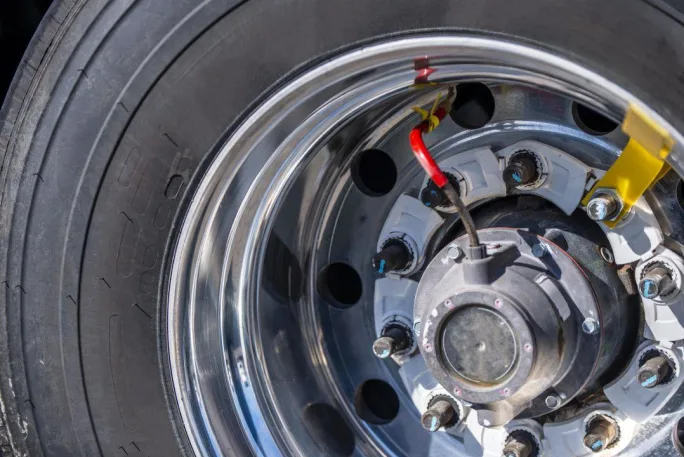
Problems with tire pressure, alignment, or imbalance increase rolling resistance and use more fuel. But they can easily be prevented.
Getty Images/vitpho
Nussbaum Transportation has driven idle down to roughly 11% fleetwide, using a combination of driver coaching, solar-assisted power, and analytics to reinforce behavior.
Routing & Network Optimization: Reducing Miles and Fuel Use
Some of the biggest fuel savings come from reducing the number of miles you drive in the first place by tightening up routing, reducing empty miles, and improving load planning. Averitt Express, for instance, said it reduced total mileage by about 15.5% and fuel usage by 15.9% through smarter routing and network design.
And artificial intelligence is quickly making it easier to optimize routing for your operations. Modern routing systems can factor in traffic, terrain, stops, driver preferences, and hours of service data.
18. Design routes for flow, not just distance. Routes with fewer stops and smoother traffic patterns often use less fuel than shorter, stop-heavy alternatives. Frequent braking and accelerating due to traffic congestion quickly erode fuel economy, making route timing just as important as route selection.
19. Cut empty miles. Every empty mile burns fuel without generating revenue, so reducing deadhead is one of the most direct ways to improve efficiency. Treating pickups and deliveries as separate operations often leads to extra miles that could be avoided with better coordination. Better coordination between outbound and return loads helps eliminate unnecessary repositioning and improves utilization. System Freight cut empty miles by roughly 1.6 million miles, improving fuel efficiency without changing equipment.
20. Look for opportunities to increase load density. Moving more freight per trip reduces fuel consumed per unit hauled, even if mpg stays the same. Investigate decking options for trailers where it makes sense, or use software that can crunch the numbers on loading.
21. Keep drivers on the planned route unless there’s a clear reason to deviate.
Even small route deviations can add significant mileage across a fleet, especially when repeated day after day. But traffic, weather, and delays can quickly erode a well-planned route, so dynamic adjustments help preserve efficiency.
22. Track out-of-route miles and address the root causes. Whether it’s driver behavior, poor directions, or customer changes, understanding why deviations happen is key to reducing them.
23. Use turn-by-turn navigation designed for trucks.
Missing turns, backtracking, or getting routed onto restricted roads wastes both time and fuel.
Tires: One of the Fastest Ways to Cut Fuel Costs
Tires are one of the few areas where fleets can see almost immediate fuel savings. Problems with pressure, alignment, or imbalance increase rolling resistance, using more fuel. But they can be prevented.
NFI Industries, which owns and operates a fleet of 5,100 tractors and 13,000 trailers, tested automatic tire inflation systems on a small group of trucks. It saw about a 0.4 mpg improvement, enough to justify rolling the technology out across the fleet.
24. Choose low-rolling-resistance tires and retreads. Even though the upfront costs of low-rolling-resistance tires may be higher, the fuel cost attributable to their rolling resistance is five times the tire's initial purchase price, according to a 2020 NACFE report.
25. Find the right tire pressure based on load and operating conditions. Many fleets default to a “safe” pressure, but optimal pressure depends on weight, speed, and temperature. Dialing this in improves both fuel economy and tire life.
26. Maintain proper tire pressure at all times. Even small drops in pressure increase rolling resistance, forcing the engine to work harder. Underinflation wastes fuel and shortens tire life. Tire pressure and temperature monitoring systems give fleets visibility they didn’t have before, allowing them to fix issues before they affect fuel economy. And automatic tire inflation systems ensure tires stay within the correct range, even as conditions change.
27. Make it easy for drivers. Something as simple as working air lines at terminals can make a big difference. If it’s hard to air up a tire, it often won’t get done.
28. Check alignment regularly to prevent tire scrub. Misalignment creates constant drag, essentially forcing tires to fight against the direction of travel. That resistance comes straight out of the fuel tank.
29. Balance tires and wheel assemblies. An unbalanced tire wastes energy through vibration and uneven rotation. Over time, that translates into both fuel loss and premature wear.
30. Keep tires in service long enough to reach peak efficiency. Tires actually roll more efficiently as the tread wears down. Pulling them early due to irregular wear means fleets miss out on their most fuel-efficient phase.
Aerodynamics: Still One of the Most Reliable Fuel Savers
Aerodynamics isn’t new, but it remains one of the most dependable ways to reduce fuel consumption, especially for trucks spending a lot of time at highway speeds. And there are ways to improve it without buying the latest aerodynamic trucks. For instance, Averitt Express reports saving about 6.4 million gallons of diesel through widespread use of trailer skirts across its fleet.
31. Reduce the gap between the tractor and trailer to improve airflow. That open space causes turbulence that increases drag. Even modest reductions in the gap can translate into measurable fuel savings.
32. Install trailer side skirts. These smooth airflow along the length of the trailer and are one of the most widely adopted aerodynamic upgrades.
33. Add aerodynamic wheel covers or hub devices to clean up airflow around rotating components. The wheels are a major source of turbulence. Reducing that disruption helps improve overall efficiency.
34. Use aerodynamic mud flaps. Standard mud flaps can act like sails at highway speeds, while aero designs reduce drag and may reduce splash and spray as well.
35. Make sure add-on devices are installed correctly and securely. Poor installation can reduce effectiveness or even cause more drag.
36. Combine multiple aerodynamic devices where they work together. Each component may deliver a small gain individually, but together they can produce meaningful improvements in fuel economy. Look beyond the trailer sides to the front, underside, and rear.
37. Use tarps or coverings on open or irregular loads. Smoothing airflow over the load can reduce drag, particularly for bulk or flatbed operations.
Maintenance: Protect the MPG You Already Have
Fuel economy doesn’t just come from adding new technology. It also comes from making sure everything on the truck is working the way it should. Small mechanical issues can quietly chip away at fuel efficiency over time.
38. Don’t skip preventive maintenance. Skipping routine service may save time in the short term, but it often results in higher fuel costs and more downtime later. If you want to stretch your PM intervals, look into the latest predictive maintenance systems.
39. Maintain the air flow. Repair damaged fairings and panels as soon as possible. A cracked or missing component can disrupt airflow enough to negate the benefit of other aerodynamic features.
40. Fix inefficiencies before they become expensive problems. Check for charge air cooler leaks, whichreduce engine efficiency by disrupting airflow. Replace worn fuel injectors before fuel atomization degrades and leads to less efficient combustion and higher fuel consumption.
41. Watch for dragging brakes during inspections and driver walkarounds. A brake that isn’t fully releasing creates constant resistance, making the engine work harder.
42. Replace clogged or restricted filters that increase engine load. Air, fuel, and oil restrictions all force the engine to work harder, reducing overall efficiency.
43. Keep electrical systems in good condition to avoid unnecessary idling. Weak batteries, poor connections, or charging issues can lead drivers to idle longer just to ensure the truck will restart.
44. Manage DPF regenerations. Allow DPF regenerations to complete rather than interrupt them.Incomplete regens increase the frequency and duration of future cycles, which adds fuel consumption over time. Track regeneration events to spot underlying issues early. Frequent or prolonged regens can signal problems that are quietly hurting fuel economy.
45. Reduce internal friction. Use lower-viscosity engine oils to reduce internal engine resistance. The oil flows more easily, reducing the energy needed to move internal components and potentially resulting in measurable fuel savings.
Reefer Operations: Don’t Let the Trailer Burn the Fuel Budget
Refrigeration units don’t always get the same scrutiny as the tractor, but they can be an overlooked source of fuel consumption.
46. Monitor reefer performance. Today’s telematics make it possible to monitor reefer fuel use and runtime, as well as temperature performance. A unit can hold temp and still run more than necessary, especially on multi-stop routes.
47. Reduce unnecessary runtime during operations. Shut down refrigeration units during loading and unloading when appropriate. Running a unit with the trailer doors open can actually draw in warm air, increasing the load rather than reducing it. Pre-cool trailers to help them maintain temperature more efficiently. Work to minimize door-open time during loading and unloading.
48. Use electric standby power at docks whenever possible. Plugging in instead of running the unit can significantly reduce fuel use.
49. Fine-tune temperature and operating settings based on the load. Modern refrigeration units allow fleets to adjust performance based on product type, outside temperature, and delivery requirements.
50. Train drivers on proper reefer operation. Many fuel-saving features only work if drivers understand how and when to use them.
South Dakota-based K&J Trucking saw a noticeable drop in refrigeration fuel use after adding monitoring and control systems, particularly by shutting down units during loading and unloading. The company found that a pre-cooled trailer often holds temperature better without the unit running, especially on multi-stop routes.
The Bottom Line on Fuel Savings
Of course, how much fuel you burn is only part of the equation. But it’s where fleets have the most control day-to-day.
If there’s a common thread among fleets that are doing this well, it’s that they’re not relying on any single strategy or solution. They’re paying attention to the details that can add up: a few mph off the top speed. A little less idle time. Fewer empty miles. Tires properly inflated. Drivers who understand how their habits affect fuel use. It all adds up.
None of these changes is complicated. But they do take consistency. The fleets seeing results are the ones that treat fuel economy as something they manage every day, not just when fuel prices spike.
More Fuel Smarts

Electric Yard Tractors Move Beyond Pilots
Operating-cost savings have overtaken sustainability goals as the leading reason surveyed fleets are adopting battery-electric terminal tractors, according to new NACFE research.
Read More →
Geotab Links Fleet Card to Vehicle Data
The new card combines fuel discounts with telematics-based purchase controls. Geotab’s analysis also points to potential savings from choosing lower-priced fuel stops.
Read More →
Fleet Economics Shape Electric Truck Outlook
ACT Research expects costs, charging infrastructure, and technology improvements to drive zero-emission commercial vehicle adoption as federal regulations and incentives retreat.
Read More →
Wex Adds Cardless Fuel Payments for Over-the-Road Customers
A new fuel card feature for Wex customers offers convenience and security.
Read More →
New California Law Could Shed Light on Electric Truck Prices
Why do battery-electric Class 8 trucks remain so expensive? A California bill signed by Gov. Gavin Newsom would give fleets and state agencies more visibility into what manufacturers charge.
Read More →
How Volvo Updated Its D13 for EPA 2027 [Watch]
Volvo’s updated D13 promises lower emissions without sacrificing performance or fuel economy. Take a closer look at what changed inside the engine in this HDT Spotlight video.
Read More →
Diesel Price Spike Shortens Payback for Natural Gas Trucks, Report Says
Energy Vision estimates fleets could recover the higher purchase price of an RNG-fueled Class 8 tractor in 1.3 to 2.8 years under current fuel-price scenarios.
Read More →
Calstart Becomes Catalyst Mobility, Reflecting Broader Focus
Calstart is now Catalyst Mobility, reflecting the nonprofit’s growing national role in clean transportation, including zero-emission trucks, infrastructure and incentive programs.
Read More →
Record Diesel Prices Squeeze Trucking Fleets
Average U.S. diesel prices have climbed to nearly $6 a gallon, surpassing the 2022 record as tight refinery capacity and Middle East disruptions keep fuel costs elevated.
Read More →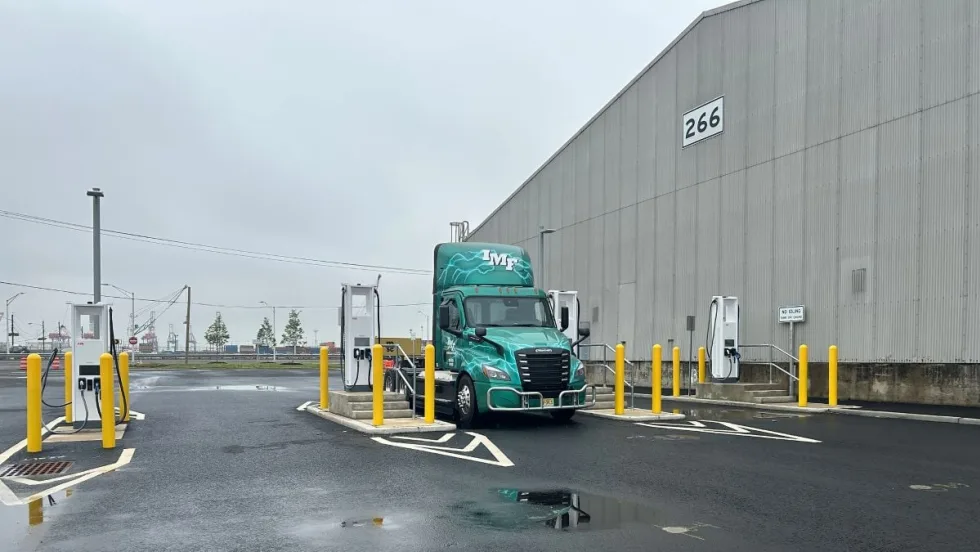
East Coast Port Launches $45M Electric Truck Push
The Port Authority of New York and New Jersey announced millions in incentives for zero-emission drayage trucks, yard tractors, and new charging hubs near the port.
Read More →