




Range Energy Confirms eTrailer Performance in Winter Testing as Commercial Rollout Nears
Range Energy said its production-ready eTrailer system proved it can boost stability, safety, and efficiency in sub-zero winter conditions as the company moves toward scaled deployment.

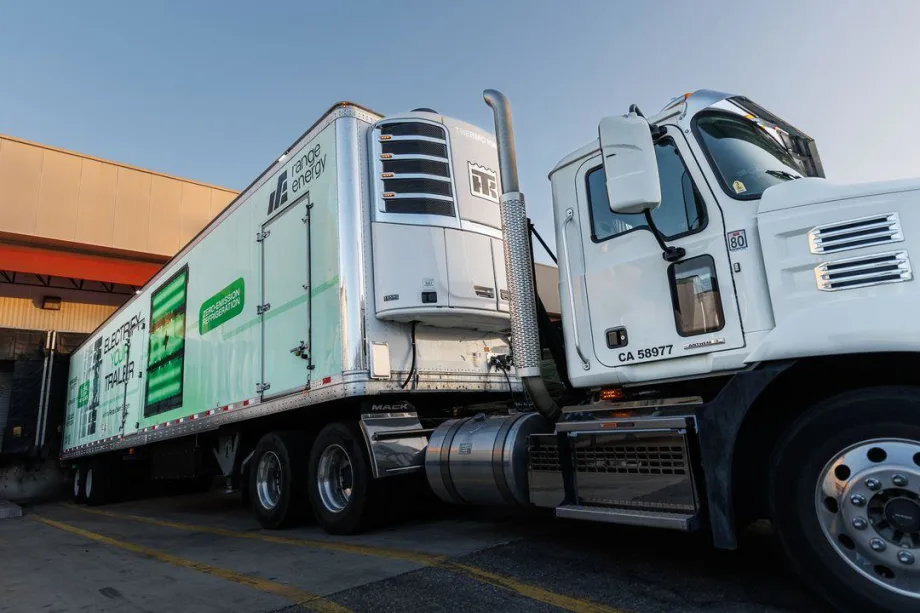
Range Energy's winter testing campaign evaluated key performance areas including traction control, regenerative braking, thermal management, and overall vehicle handling.
Range Energy
Range Energy has completed a multi-year winter testing program, confirming that its production-ready electrified trailer system performs reliably in extreme cold and hazardous road conditions.
The latest round of testing took place at the Smithers Winter Proving Ground in Michigan’s Upper Peninsula. The facility is widely used by major automakers and commercial vehicle manufacturers for cold-weather validation.
The milestone marks a key step as Range transitions from prototype development to full commercial deployment of its eTrailer platform, the company said.
From Prototype to Production-Ready Platform
The company first conducted winter testing in 2025 using a prototype system to validate core safety and performance capabilities. This year’s program builds on that foundation, focusing on a production-ready version of the technology.
Range said the results demonstrate that its integrated electric powertrain can maintain consistent performance in real-world operating environments, including extreme weather. The company said that is an important consideration as fleets evaluate new technologies for year-round use.
“Completing this second testing program on a production-ready system is a critical milestone for Range as it shows our system can maintain top performance in real-world operations,” said Collin MacGregor, VP of product, safety, and systems at Range. “We’ve demonstrated not only that our technology delivers meaningful performance improvements, but that it does so reliably even in the toughest environments that fleets face.”
Improved Stability, Control in Snow and Ice
The winter testing campaign evaluated key performance areas including traction control, regenerative braking, thermal management, and overall vehicle handling.
Engineers subjected the system to demanding real-world maneuvers such as emergency stops, sharp turns, and rapid lane changes on snow- and ice-covered surfaces. According to Range, the eTrailer-equipped setups showed improved stability and smoother handling compared to standard trailers operating under the same conditions.
The company reported that conventional trailers were more prone to instability during these tests, while the electrified system enhanced control. That’s an outcome that could have positive implications for safety in harsh winter operations.
Electrification Approach Targets Fuel Savings, Reefer Efficiency
Range’s eTrailer system is designed to bolt onto standard semi-trailers. The integrated electric powertrain includes a 250-kW motor, inverter, gearbox, suspension system, regenerative braking, and battery packs ranging from 200 kWh to 300 kWh.
The system provides propulsion assistance to the tractor while also supplying power for onboard trailer systems. That enables fleets to reduce fuel consumption and eliminate diesel use for refrigerated units without requiring changes to driver workflows or charging infrastructure.
Range says real-world fleet deployments across the U.S. and Canada have already covered tens of thousands of miles. Those tests have demonstrated 50% to 70% improvements in fuel economy and full replacement of diesel for reefers, along with strong driver acceptance, according to the company.
Scaling Toward Commercial Deployment
With winter validation complete, Range is positioning its eTrailer system for broader manufacturing and deployment.
The company emphasized that cold-weather performance remains a critical benchmark as fleets demand technologies that deliver consistent results across all operating conditions.
The successful testing program reinforces Range’s push to establish trailer electrification as a scalable, high-impact solution for improving efficiency and reducing emissions in freight operations.
More Fuel Smarts
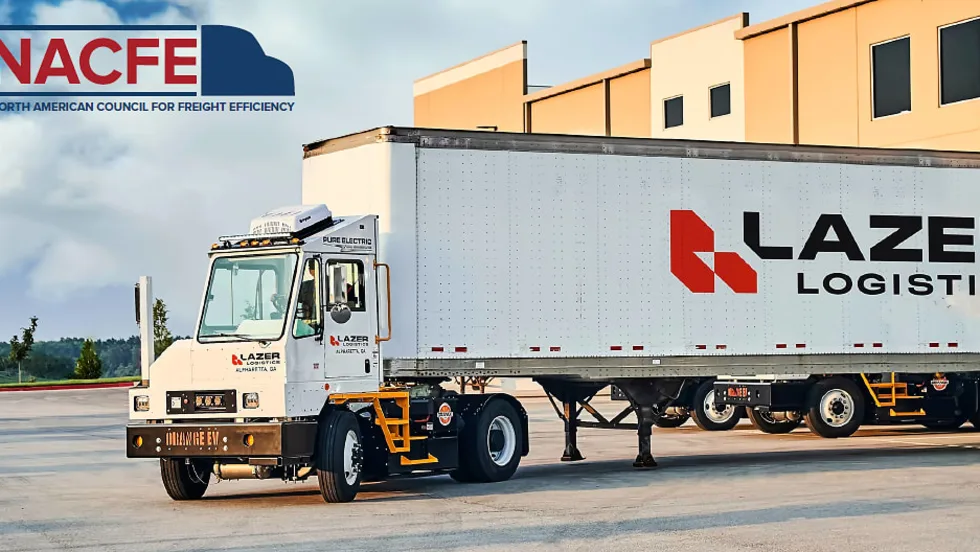
Electric Yard Tractors Move Beyond Pilots
Operating-cost savings have overtaken sustainability goals as the leading reason surveyed fleets are adopting battery-electric terminal tractors, according to new NACFE research.
Read More →
Geotab Links Fleet Card to Vehicle Data
The new card combines fuel discounts with telematics-based purchase controls. Geotab’s analysis also points to potential savings from choosing lower-priced fuel stops.
Read More →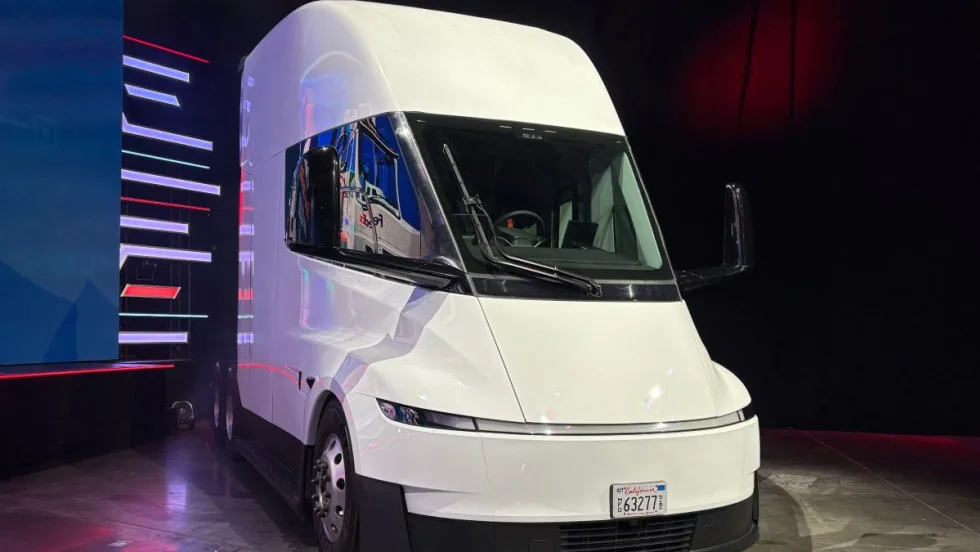
Fleet Economics Shape Electric Truck Outlook
ACT Research expects costs, charging infrastructure, and technology improvements to drive zero-emission commercial vehicle adoption as federal regulations and incentives retreat.
Read More →
Wex Adds Cardless Fuel Payments for Over-the-Road Customers
A new fuel card feature for Wex customers offers convenience and security.
Read More →
New California Law Could Shed Light on Electric Truck Prices
Why do battery-electric Class 8 trucks remain so expensive? A California bill signed by Gov. Gavin Newsom would give fleets and state agencies more visibility into what manufacturers charge.
Read More →
How Volvo Updated Its D13 for EPA 2027 [Watch]
Volvo’s updated D13 promises lower emissions without sacrificing performance or fuel economy. Take a closer look at what changed inside the engine in this HDT Spotlight video.
Read More →
Diesel Price Spike Shortens Payback for Natural Gas Trucks, Report Says
Energy Vision estimates fleets could recover the higher purchase price of an RNG-fueled Class 8 tractor in 1.3 to 2.8 years under current fuel-price scenarios.
Read More →
Calstart Becomes Catalyst Mobility, Reflecting Broader Focus
Calstart is now Catalyst Mobility, reflecting the nonprofit’s growing national role in clean transportation, including zero-emission trucks, infrastructure and incentive programs.
Read More →
Record Diesel Prices Squeeze Trucking Fleets
Average U.S. diesel prices have climbed to nearly $6 a gallon, surpassing the 2022 record as tight refinery capacity and Middle East disruptions keep fuel costs elevated.
Read More →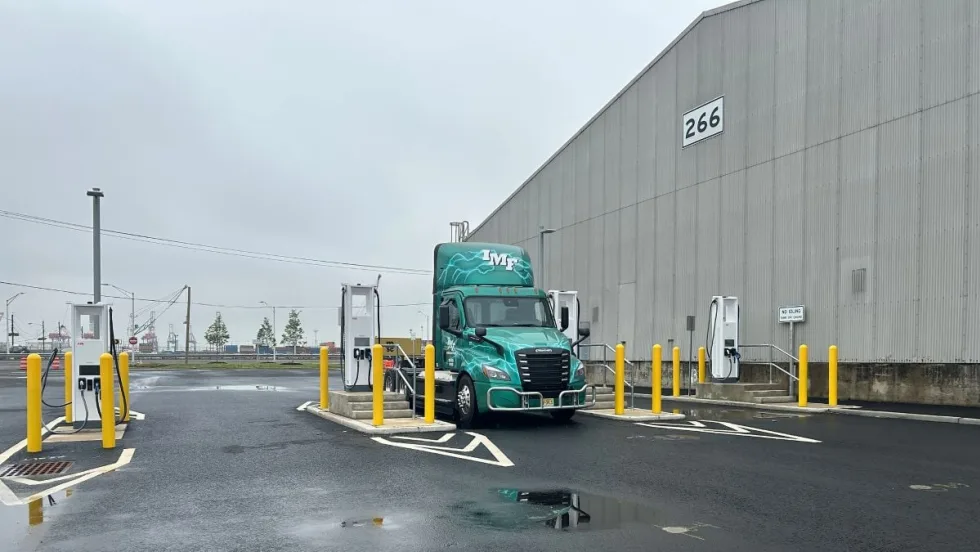
East Coast Port Launches $45M Electric Truck Push
The Port Authority of New York and New Jersey announced millions in incentives for zero-emission drayage trucks, yard tractors, and new charging hubs near the port.
Read More →