




Navistar Narrows Losses, Hits Income Milestone for First Time Since 2011
Although its market share is not increasing as rapidly as it had expected, Navistar has made significant progress in cutting its warranty spend and other costs, and as a result posted a positive income number in its fiscal third quarter, despite lower sales than anticipated.

Although its market share is not increasing as rapidly as it had expected, Navistar has made significant progress in cutting its warranty spend and other costs, and as a result posted a positive income number in its fiscal third quarter, despite lower sales than anticipated.
The company reported a net loss of $2 million, or 2 cents per share, on revenues of $2.8 billion. That compares to a loss of $247 million, or $3.06 per share, a year ago.
However, company officials are emphasizing the fact that the company achieved quarterly income from continuing operations before income taxes for the first time since 2011, reporting $21 million – that compares to a $211 million loss in the same period last year.
This is on revenue that was essentially flat compared to the third quarter last year. Although the company is seeing higher sales in traditional markets such as Class 8 on-highway, it's offset by lower military revenues here in North America, as well as the global market, especially Brazil.
The company has upped its industry forecast for truck sales, even as it remains behind in its market share targets. The company's initial prediction for Class 6-8 and bus industry sales in the U.S. and Canada for 2014 was 300,000-335,000, but now it's projecting that number to be 330,000-340,000.
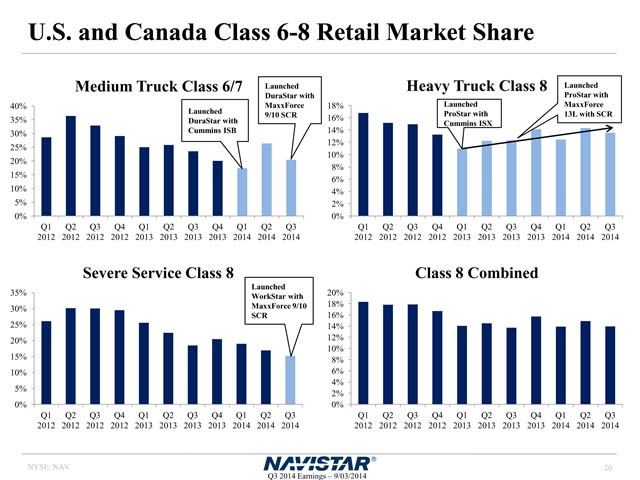
Officials just would like to have a bigger part of that pie. The company initially projected a 21% Class 6-8 market share for this year, up from 2013's 18%.
The actual numbers were 20% for Class 6 and 7 and 14% for Class 8. Medium-duty was down from 24% a year ago and Class 8 remained the same year over year.
"The lower than expected market share gain in the last two quarters is behind plan," said Troy Clarke, president and CEO, in a conference call Wednesday morning with investors. "We continue to drive our breakeven point even lower, and as time progresses, we are recovering market share as customers experience our SCR products."
Navistar officials emphasized that the addition of selective-catalytic reduction engines to its products is reversing its fortunes when it comes to truck sales.
"We've made considerable strides in improving our relationships with customers," said Jack Allen, executive vice president and chief operating officer.
The severe service line was the last to get SCR, in July, so Navistar now offers SCR engines all across its business and says it will continue to introduce more variations in 2015.
"It's important to note the product line where we've had SCR product the longest, Class 8 on highway, is growing the fastest," Allen said. "Our market share for Class 8 in the third quarter was 14%. Therefore we expect to see a similar growth story in medium and severe service (which got SCR later) in coming quarters."
"Clearly we're not where we had anticipated being," Allen said. "I think a lot of that has to do with customers wanting to gain experience with our new products before they increase the percentage of their buy in our favor."
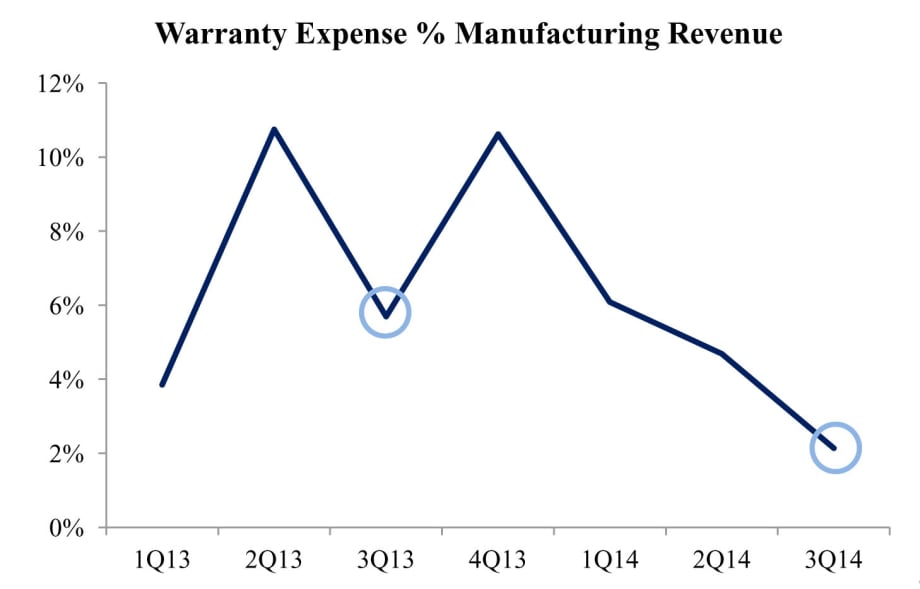
One of the major keys to the better results is reduced warranty expense.
During the first nine months of this year, warranty costs as a percentage of manufacturing revenue were 4.2%, compared to 7.7% for all of last year. Warranty spend was down 14% in the third quarter from the second quarter and down 22% compared to a year ago.
The company has developed better engineering and procedures to fix problems with its older exhaust-gas-recirculation (EGR) vehicles, which are resulting in lower cost per repair.
"Warranty spending is coming down, and it is coming down for the right reasons," Clarke said. "The trucks we have fixed are staying fixed."
Two years ago, Navistar reversed course on using EGR to meet 2010 EPA emissions regulations and switched to the SCR technology being used by the rest of the industry.
Warranty costs also are being reduced as the new SCR engines experience fewer problems and some of the oldest EGR engines fall out of their warranty period. The company's new OnCommand Connection telematics and remote diagnostics system will further help it reduce warranty expense, Allen noted.
Although officials believe they are past the peak of what they view as their warranty expense period, the vast majority of EGR big-bore engines, over 90% of them, are still under a standard or extended warranty period.
Not addressed during the discussion of the company's financial results are a number of lawsuits filed this summer against Navistar over its problematic EGR engines, claiming that the company knowingly sold a defecive emissions system.
One strategy the company is using to deal with problem trucks is apparently a buy-back program. Navistar is working through a used-truck "bubble" as it continues to try to transition customers out of the less-reliable older trucks and into new SCR product. It has $265 million in used-truck inventories at the end of July.
"We manage this very closely, but the timing is good because the market is so strong," Allen said. "We're sure we'll move through this used-truck bubble in an efficient manner."
It was a good quarter for used truck sales, up 29% year over year, he noted, adding that the Diamond Renewed program Navistar launched in Q3 "has created a lot of interest." The program offers a comprehensive inspection and mechanical reconditioning process for 2010 or newer models powered by MaxxForce EGR engines and a two-year/200,000-mile warranty that includes EGR components. "We believe Diamond Renewed is an industry game changer and will set us apart from the competition."
In addition to cutting warranty spend, the company reduced its year-over-year structural costs in the third quarter by an additional $86 million, including $67 million in savings from selling, general, and administrative (SG&A) expense and $19 million in reduced engineering costs. Year-to-date, Navistar has reduced structural costs by $245 million. It expects to finish up the year with $300 million in structural cost savings.
More Equipment
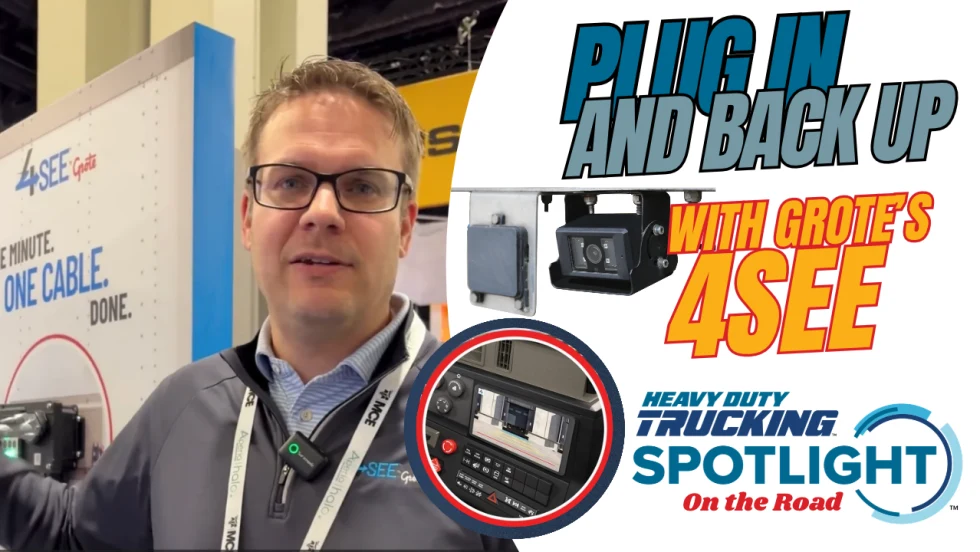
More Trailer Data Through the Same Seven-Way [Video]
Can trucking’s standard seven-way connector handle more cameras and trailer data? Grote’s Adam Slade shows HDT how the company is using new technology with its 4See trailer system, not only to add a new backup camera but also to expand other capabilities — without adding another connection.
Read More →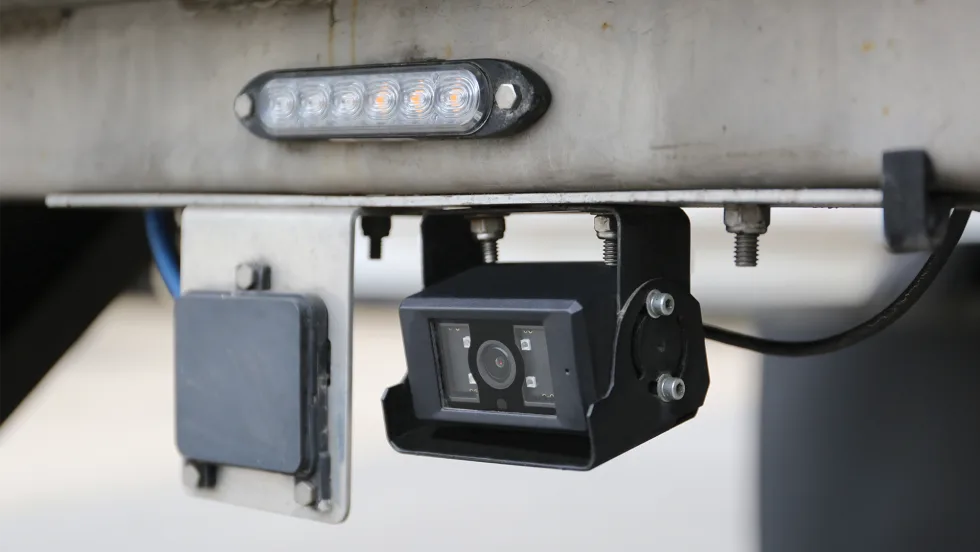
Grote: More Cameras, Same Seven-Way Connector
The next-generation 4See rear-view backup camera from Grote uses the standard seven-way connector and supports additional cameras and other trailer data.
Read More →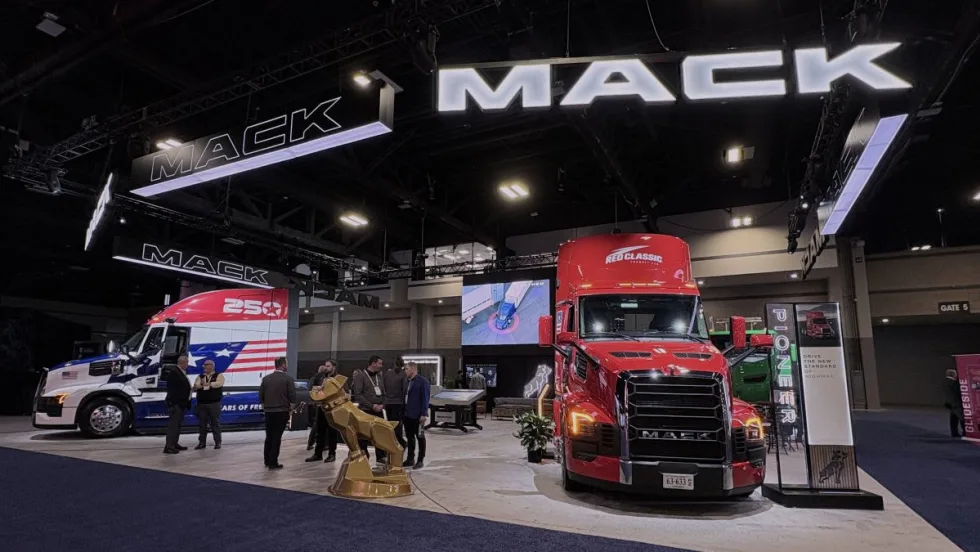
Trucks at ATA's 2026 MC&E in Charlotte, North Carolina [Photos]
From rigs decked out in patriotic America's 250 paint schemes to autonomous trucks and more, check out these photos from ATA's 2026 Management Conference & Exhibition.
Read More →
Help HDT Find Trucking’s Top Products
Have you come across a new product that could make a difference for trucking fleets? Nominate it for HDT’s 2027 Top 20 Products Awards by November 9.
Read More →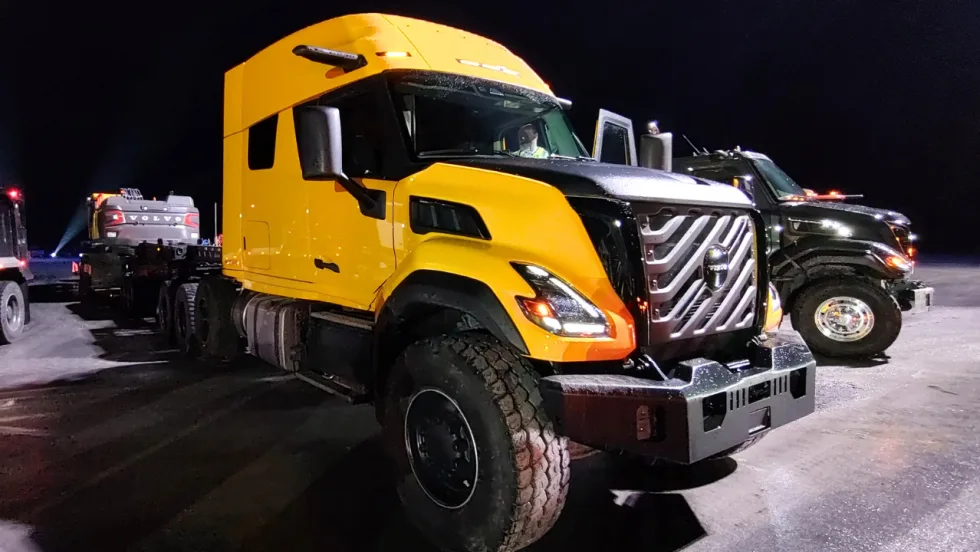
Volvo Unveils New VNX Heavy-Haul and Vocational Truck
Volvo Trucks has launched the VNX, a new vocational truck also available as a tractor in day cab and two sleeper configurations, with one heavy-haul model. The Volvo VNX is powered by Volvo's D13 platform, which delivers up to 540 horsepower and 1,950 pound-feet of torque and is EPA 2027-compliant.
Read More →
How GP Transco Cuts Trucking Fuel Costs, a Tenth of a Gallon at a Time
What’s another tenth of a mile per gallon worth? GP Transco shares how equipment upgrades and driver coaching turn small gains into meaningful fuel savings.
Read More →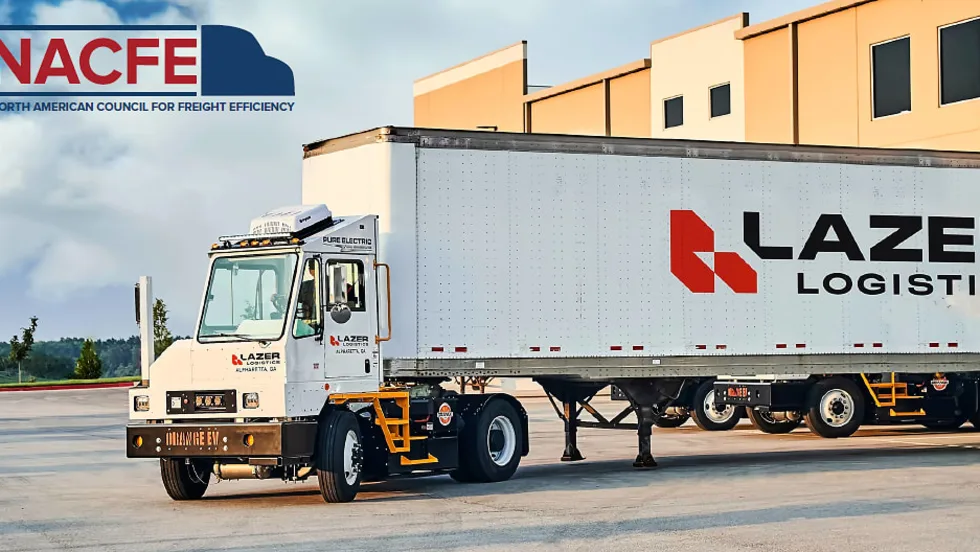
Electric Yard Tractors Move Beyond Pilots
Operating-cost savings have overtaken sustainability goals as the leading reason surveyed fleets are adopting battery-electric terminal tractors, according to new NACFE research.
Read More →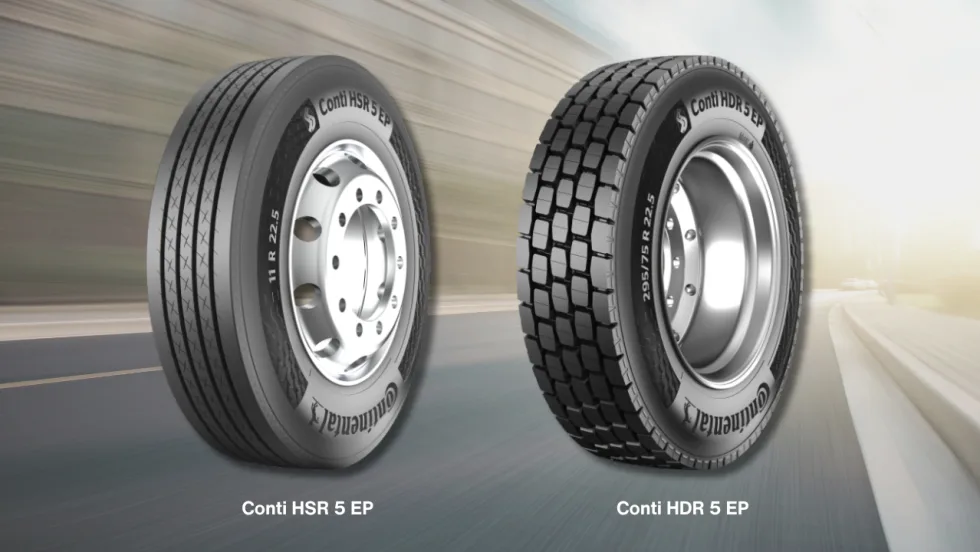
Continental Introduces New Regional Truck Tires
Continental says its new Generation 5 steer and drive tires for regional operations offer longer tread life, with estimated mileage gains of 22% and 19%, respectively.
Read More →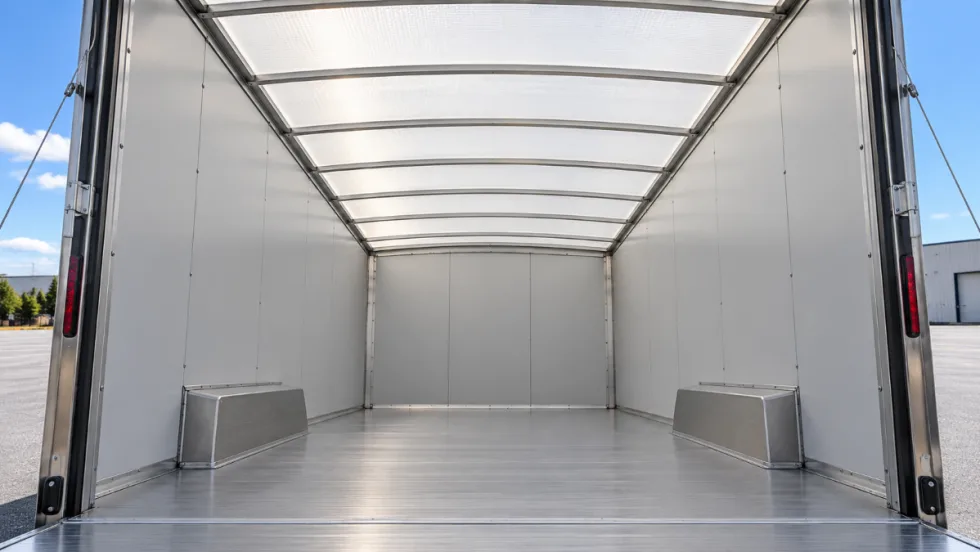
Tekmodo Introduces CargoBright Brand for Translucent Trailer Roofs
CargoBright is designed to diffuse daylight across the cargo area while performing as a working vehicle roof.
Read More →
Fleet Economics Shape Electric Truck Outlook
ACT Research expects costs, charging infrastructure, and technology improvements to drive zero-emission commercial vehicle adoption as federal regulations and incentives retreat.
Read More →