




FTR: Class 8 Orders Stay Hot in March Despite Monthly Dip
Fuel prices aside, Class 8 demand remains elevated as freight fundamentals improve and fleets regain confidence in long-term investments.

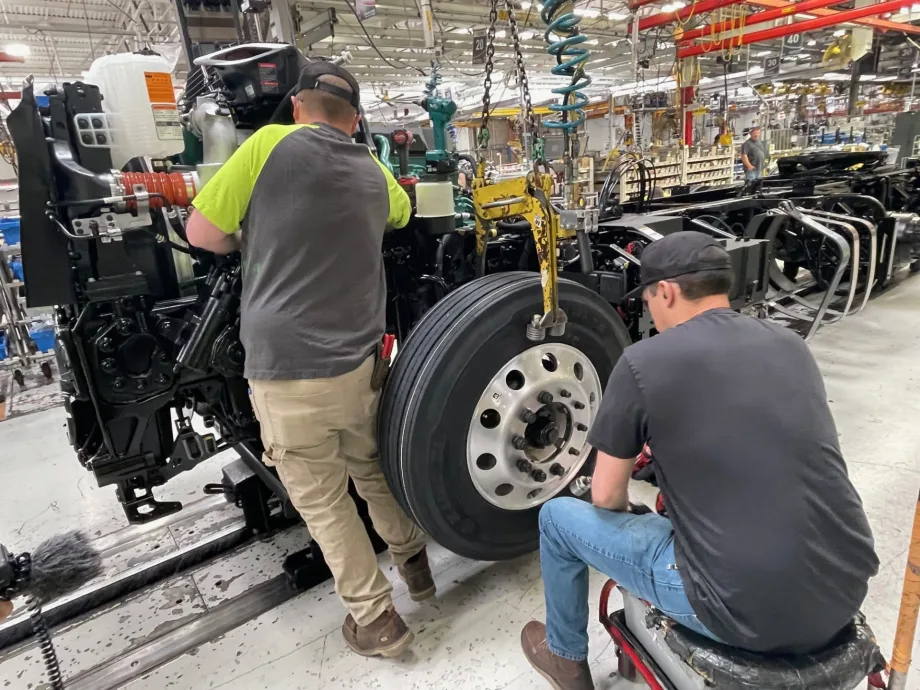
According to FTR, over the past 12 months, total Class 8 orders reached 280,457 units, underscoring a sustained rebound in demand.
Jack Roberts
North American Class 8 truck orders cooled in March from February’s surge but remained exceptionally strong, according to preliminary data from FTR.
FTR reported 38,200 net orders for March, down 19% month over month but up a striking 137% year over year.
The result marks the fourth straight month of more than 20% annual growth and the second consecutive month exceeding 135% over year gains.
Over the past 12 months, total Class 8 orders reached 280,457 units, underscoring a sustained rebound in demand.
Market Momentum Supported by Freight Recovery
Despite the monthly decline, FTR said March activity continues to reflect a market on “very solid footing,” supported by improving freight conditions.
The sequential drop was largely attributed to typical seasonality and volatility following February’s unusually strong performance.
Still, orders came in above expectations and remain sharply elevated.
Since demand began rebounding in December, cumulative orders are up 69% year over year, with 2026 year-to-date orders rising 96%.
FTR noted that while some activity is tied to deferred replacement demand, a growing share appears driven by improving freight volumes, higher equipment utilization, and firmer rate expectations.
Tightening capacity is also reinforcing pricing power and boosting fleet confidence, according to FTR.
Vocational Gains Offset Highway Softness
March data showed a shift in order composition.
- Vocational truck demand increased sequentially
- On-highway orders declined month over month
Even with this mix shift, both segments contributed meaningfully to the strong year-over-year growth, FTR said.
FTR pointed to increased clarity around tariff-adjusted pricing and concerns about upcoming EPA 2027 NOx regulations as factors reducing uncertainty and encouraging fleets to move forward with equipment purchases.
These dynamics are helping fleets adopt more structured capital planning strategies after a period of hesitation.
Industry Enters Early Recovery Phase
Dan Moyer, FTR senior analyst for commercial vehicles, said the latest data signals a turning point for the industry.
“The 2026 order season from September 2025 through March 2026 is now up 15% year over year, representing a clear inflection from the double-digit declines seen earlier in the cycle,” Moyer said. “That reinforces the view that the industry has entered the early stages of recovery.”
He added that while monthly swings are likely, improving cumulative trends suggest demand is becoming more durable and less dependent on short-term catch-up buying.
Risks Include Costs, Capacity, and Overordering
FTR cautioned that several risks could affect the outlook, including:
- The pace of freight recovery
- Elevated financing costs
- Policy and geopolitical uncertainty, especially around fuel prices
The surge in orders itself may also introduce new challenges. Moyer warned of a potential “FOMO” effect, where fleets rush to secure production slots, potentially inflating backlogs and increasing the risk of cancellations later in the year.
Additionally, if demand remains strong, the industry could face production constraints tied to labor and supply chain limitations.
FTR noted that March figures are preliminary and subject to revision when final data is released later this month as part of its North American Commercial Truck & Trailer Outlook service.
More Equipment
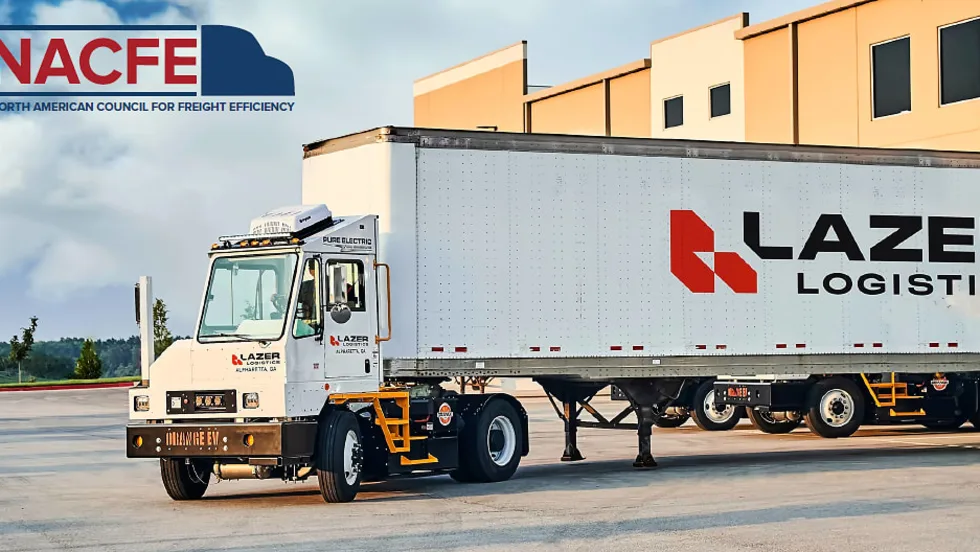
Electric Yard Tractors Move Beyond Pilots
Operating-cost savings have overtaken sustainability goals as the leading reason surveyed fleets are adopting battery-electric terminal tractors, according to new NACFE research.
Read More →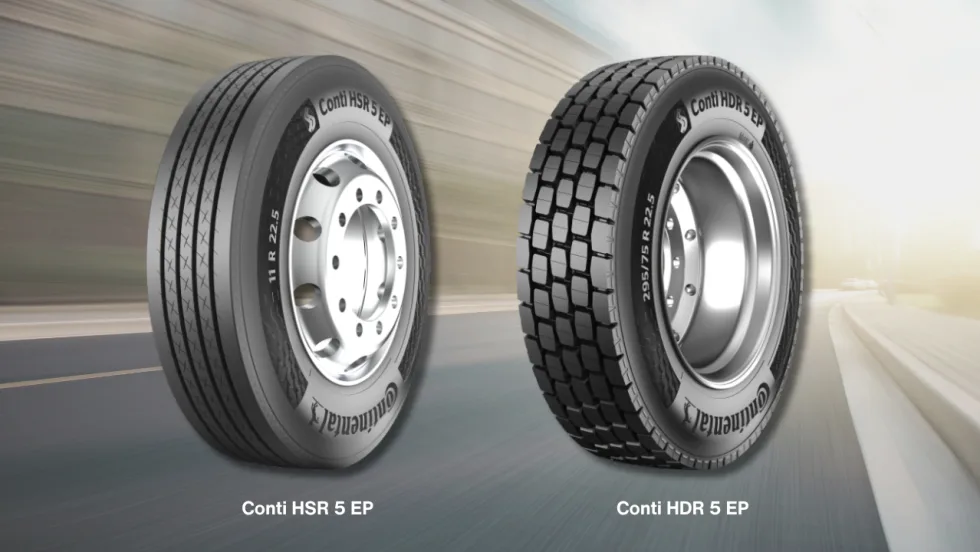
Continental Introduces New Regional Truck Tires
Continental says its new Generation 5 steer and drive tires for regional operations offer longer tread life, with estimated mileage gains of 22% and 19%, respectively.
Read More →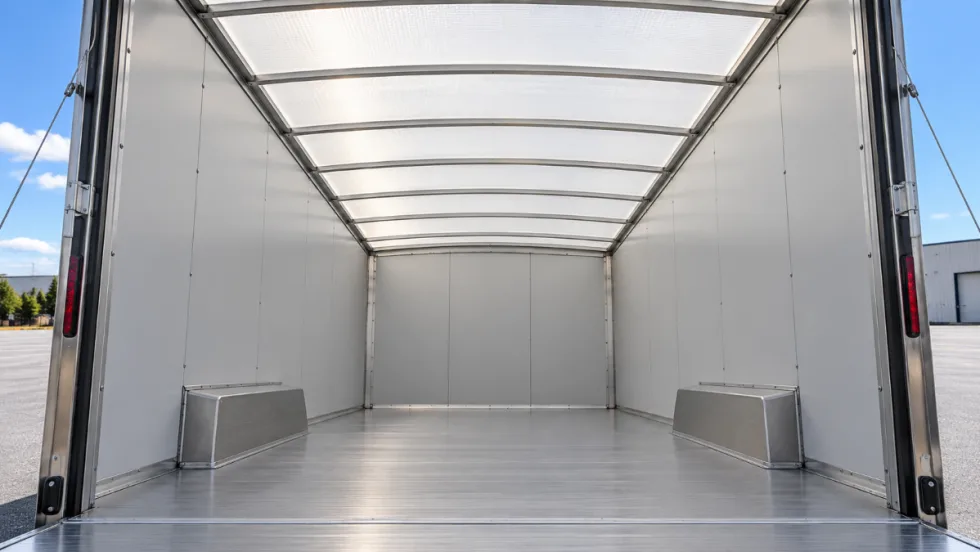
Tekmodo Introduces CargoBright Brand for Translucent Trailer Roofs
CargoBright is designed to diffuse daylight across the cargo area while performing as a working vehicle roof.
Read More →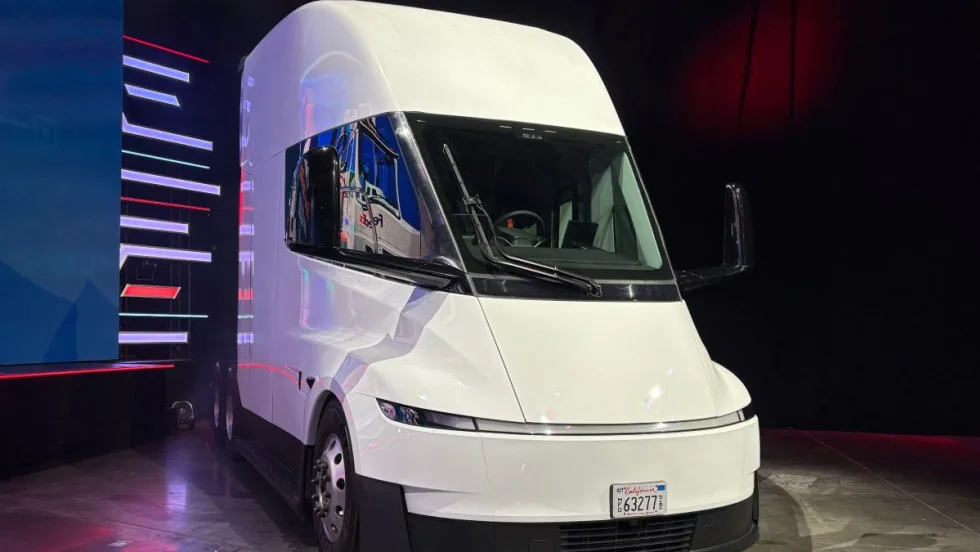
Fleet Economics Shape Electric Truck Outlook
ACT Research expects costs, charging infrastructure, and technology improvements to drive zero-emission commercial vehicle adoption as federal regulations and incentives retreat.
Read More →
Kodiak Targets Dallas–Houston for Driverless Trucks
The company says its autonomous trucks are completing the I-45 run without a safety observer taking control. It plans to remove the observer by the end of 2026.
Read More →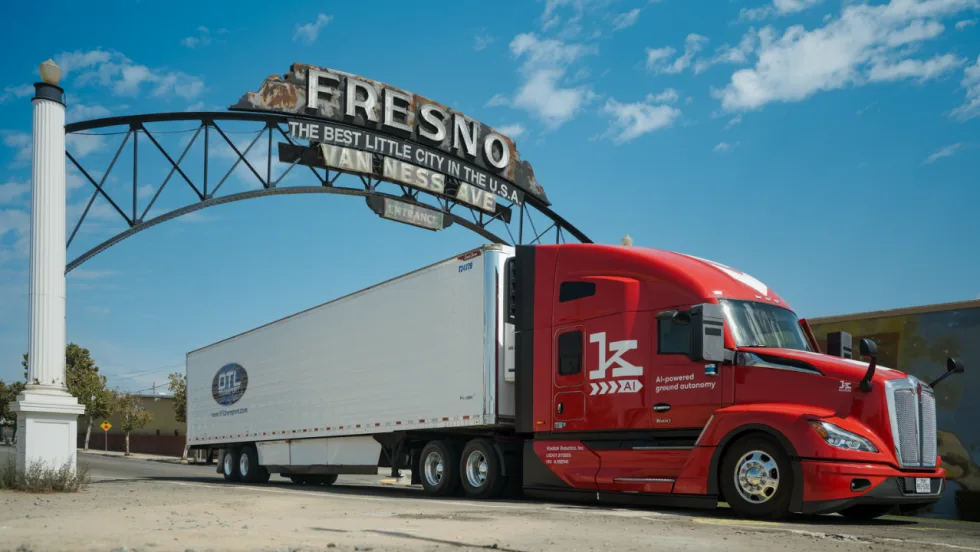
Kodiak Hauls Produce in California Autonomous Truck Pilot
Kodiak AI and DTL Transport have begun hauling produce between Fresno and Los Angeles under California’s new rules for testing heavy-duty autonomous trucks. A safety driver remains behind the wheel.
Read More →
Used-Truck Remarketing Math Is Changing
Used-truck value is no longer just a concern at trade-in. Decisions made throughout a truck’s first life can influence what it’s worth years later.
Read More →
How Volvo Updated Its D13 for EPA 2027 [Watch]
Volvo’s updated D13 promises lower emissions without sacrificing performance or fuel economy. Take a closer look at what changed inside the engine in this HDT Spotlight video.
Read More →
Michelin Tire Improves Efficiency and Durability for Regional Fleets
The Michelin X Multi Energy D2 is a regional haul drive tire engineered to help fleets improve fuel efficiency, durability and traction in demanding stop-and-go operations.
Read More →
ZF Expands Commercial Vehicle Push in North America
ZF is expanding its North American commercial-vehicle presence with new transmission applications, electrification, trailer technology and autonomous-driving systems.
Read More →