





Autonomous Trucks Could Reshape How We Think About Insurance
California Autonomous Truck Ban Vetoed by Governor
California Gov. Gavin Newsom vetoed a Teamsters-backed bill that would have effectively banned autonomous trucks in the state.
September 30, 2024

California debates the best way to ensure autonomous trucks are safe and don't take jobs.
Image: HDT Graphic with Kodiak photo
3 min to read
California Gov. Gavin Newsom vetoed a Teamsters-backed bill that would have effectively banned autonomous trucks in the state.
Assembly Bill 2286 would have prohibited the operation of autonomous vehicles weighing 10,000 pounds or more on public roads for testing, transporting goods, or carrying passengers without a human safety operator physically present in the vehicle.
Newsom noted in his veto statement that he vetoed a nearly identical bill last year, but that his administration wants to work with the bill's author, sponsors, and stakeholders "to meet the needs of traffic safety, worker protections, and jobs as this evolving technology progresses in California.
“It is important to note that 35 jurisdictions — including Arizona, Nevada, Texas, Washington, and the District of Columbia — have already authorized the testing of heavy-duty autonomous vehicles," Newsom said.
"California remains the only state to actively prohibit these vehicles.”
In fact, Texas seems to be a hotbed of autonomous-truck development, home to companies such as Waabi, Kodiak, Aurora, Volvo Autonomous Solutions, and a new company founded by TuSimple co-founder, Bot Auto.
Regulating Autonomous Vehicles in California
Critics of the bill also said it sought to bypass the regulatory process. The California DMV recently released new draft regulations for autonomous truck safety and for other autonomous vehicles.
Open for public input until Oct. 14, the draft regulations propose strict guidelines for heavy-duty AV operations, including:
Limiting operations to roads with speed limits of 50 mph or higher
A phased permitting process
More robust reporting from companies testing or deploying AVs
Provide additional enforcement tools to place restrictions on permits
Jobs vs. Technological Innovation
The Teamsters union issued a statement criticizing Newsom’s veto.
“The vast majority of Californians oppose unregulated, unaccountable driverless cars and trucks on our roads," it said.
"A regulatory framework that ignores this reality does not benefit the people of California — the millions who want good middle-class jobs and safe streets, the people that our state government is bound by duty to serve. Such a framework only benefits a handful of billionaires in the tech industry.”
The Teamsters said it's not giving up and is currently exploring all options at its disposal.
Newsom, however, said this shouldn’t be framed as a jobs-vs-tech issue.
“Recognizing that our workforce is the foundation of our economic success, California leads the nation with some of the strongest worker protection laws,” Newsom said in his veto statement.
“Our state also is renowned globally as a leader in technological innovation. We reject that one aim must yield to the other, and our success disproves this false binary," he added.
"Advancing both priorities requires creativity, collaboration, and a willingness to work together to identify pragmatic solutions. Toward that end, my office offered multiple rounds of suggested amendments, which were unfortunately not accepted.”
More Safety & Compliance

NYC Expands Speed, Pedestrian Safety Tech Across Fleet
New York City is expanding intelligent speed assistance and pedestrian-alert systems across its municipal fleet, moving the technologies from pilot programs into vehicle procurement and retrofit requirements.
Read More →
FMCSA Removes 110 Truck Driver Training Schools from Certified ELDT List
Federal regulators also are targeting more than 160 additional training providers and launching a nationwide audit of third-party CDL skills testers as part of a broader crackdown on trucking fraud.
Read More →
Beyond DOT Compliance: What Makes a Trucking Fleet Truly Safe?
A trucking fleet can follow every rule and still make unsafe decisions. The real test comes when safety conflicts with freight, productivity, or cost.
Read More →
Hours of Service Pilot Programs: FMCSA Readies for 2027 Rollout
Two pilot programs could eventually reshape hours-of-service rules, giving truck drivers options to pause their 14-hour clock or use longer split sleeper rest periods.
Read More →
New Guide Offers Pet Safety Tips for Truck Drivers
Hundreds of thousands of pets travel in truck cabs. A new safety guide from Volvo Trucks and the Center for Pet Safety offers practical advice for truck drivers who bring dogs and cats along for the ride.
Read More →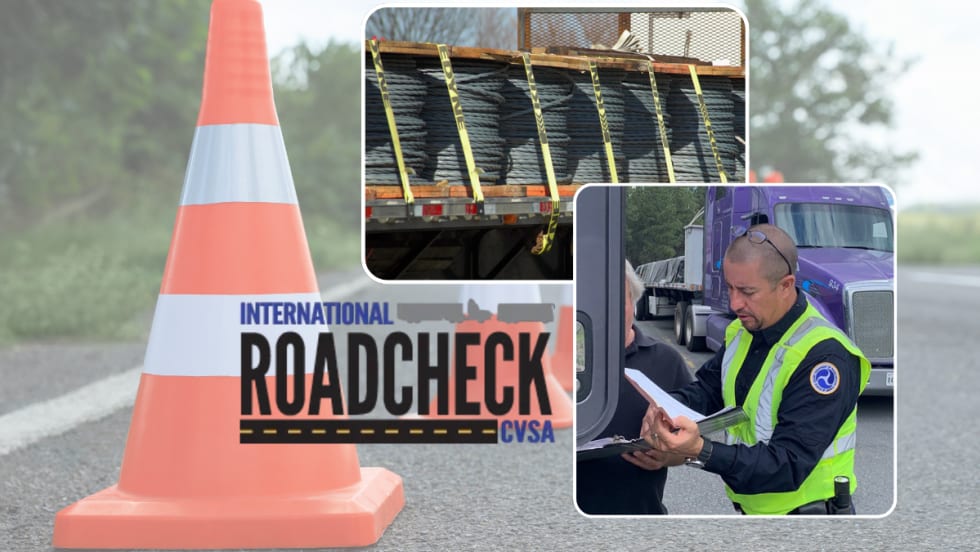
Medical Cards, English Proficiency Reshape Roadcheck Violations
Medical-card violations jumped to the top of the driver out-of-service list during CVSA’s 2026 International Roadcheck, while English-language proficiency violations appeared among the leading violations for the first time.
Read More →
How Lance Evans Turns Enforcement Experience Into Better Fleet Safety
HDT Truck Fleet Innovator Lance Evans brings lessons from law enforcement to K&B Transportation’s approach to safety technology, data, driver coaching, and compliance.
Read More →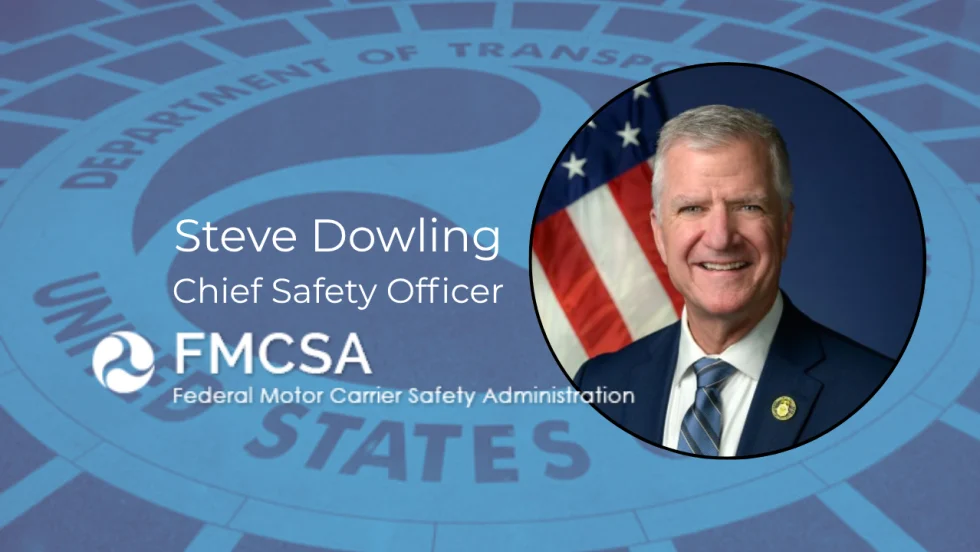
New FMCSA Chief Safety Officer Has Trucking Industry and Law Enforcement Experience
Steve Dowling joins FMCSA after serving as senior director of safety at Covenant Logistics and in leadership roles in commercial motor vehicle industry organizations.
Read More →
Driver Trust Can Make or Break the Success of Fleet Safety Technology
New Teletrac Navman research suggests that onboarding, transparency about driver data, and positive feedback can play a significant role in how commercial drivers respond to safety and coaching technology.
Read More →
FMCSA: Stop Using These 15 Electronic Logging Devices
Fleets and drivers must replace the revoked ELDs with ones on the FMCSA's registered device list of electronic logging devices.
Read More →