





How Lance Evans Turns Enforcement Experience Into Better Fleet Safety
NYC Expands Speed, Pedestrian Safety Tech Across Fleet
New York City is expanding intelligent speed assistance and pedestrian-alert systems across its municipal fleet, moving the technologies from pilot programs into vehicle procurement and retrofit requirements.
September 4, 2026

New York City's fleet is being equipped with intelligent speed assistance technology.
Credit:
HDT
2 min to read
- New York City is integrating intelligent speed assistance into its municipal vehicle fleet.
- The city is adopting pedestrian-alert systems to enhance safety within its fleet vehicles.
- These technologies are shifting from pilot programs to standard vehicle procurement and retrofit practices.
*Summarized by AI
New York City is expanding the use of speed-management and pedestrian-warning technologies across its municipal fleet, making systems it has been testing a requirement for future vehicle purchases.
Under Executive Order 19, signed in July by Mayor Zohran Mamdani, contracts for the purchase or lease of new civilian city fleet vehicles must include intelligent speed assistance technology, which can detect the local road speed and physically prevent a vehicle from exceeding that limit.
Contracts for new city fleet trucks also must include pedestrian-alert systems.
The order also directs the New York City Department of Citywide Administrative Services to retrofit all existing city fleet trucks with pedestrian alerts by June 30, 2029.
NYC Expands Intelligent Speed Assistance
New York City has already installed intelligent speed assistance, or ISA, on 1,000 vehicles representing 23 different vehicle types.
ISA uses vehicle-location and speed-limit information to prevent drivers from exceeding posted speeds. According to DCAS, dangerous speeding has fallen 64% among NYC's fleet vehicles equipped with the technology.
The city also has installed pedestrian-alert systems on approximately 800 trucks. Those systems give audible warnings to pedestrians, bicyclists, and other road users when trucks are turning.
The executive order represents a shift from testing the technologies to incorporating them into the city's fleet procurement and operating practices.
“What is particularly significant is the progression from testing safety interventions, to measuring their performance, to incorporating them into how a major fleet purchases and operates vehicles,” said Peter Goldwasser, executive director of Together for Safer Roads.
From Fleet Pilots to Procurement
Together for Safer Roads has worked with New York City and DCAS on fleet-safety projects, including its Truck of the Future program, which has explored technologies and vehicle designs to improve visibility and reduce conflicts between trucks and vulnerable road users.
The organization said New York City's approach could offer lessons for other public and private fleets looking to expand safety technologies beyond limited pilot programs.
“The challenge in fleet safety is increasingly not whether effective technologies and practices exist,” Goldwasser said.
“It is how fleets can adopt them consistently, incorporate them into procurement and operations, measure their impact, and implement proven solutions at scale.”
More Safety & Compliance
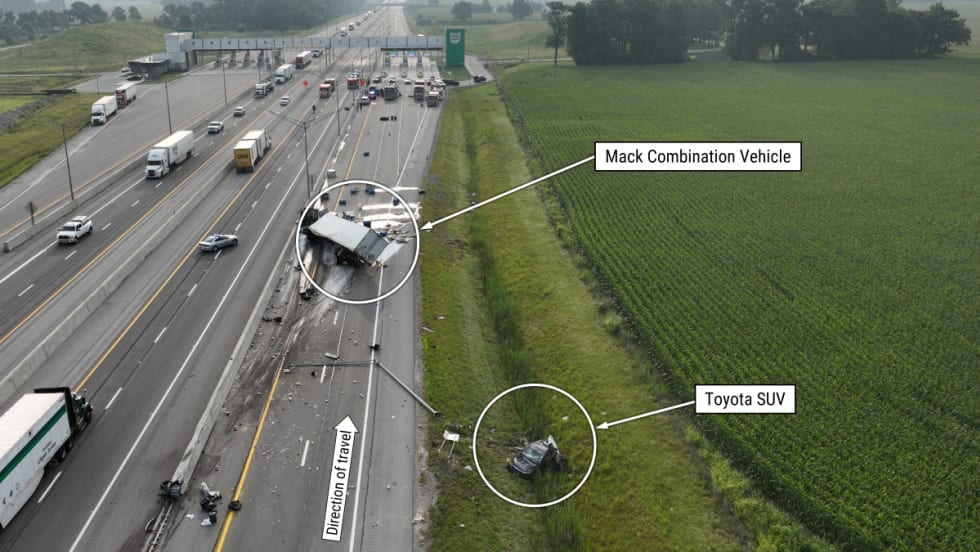
Fatal Crash Exposes Toll Plaza Risks
An NTSB investigation found that last-minute lane changes and large speed differences at an Ohio toll plaza created a hazard the truck driver couldn't avoid in time.
Read More →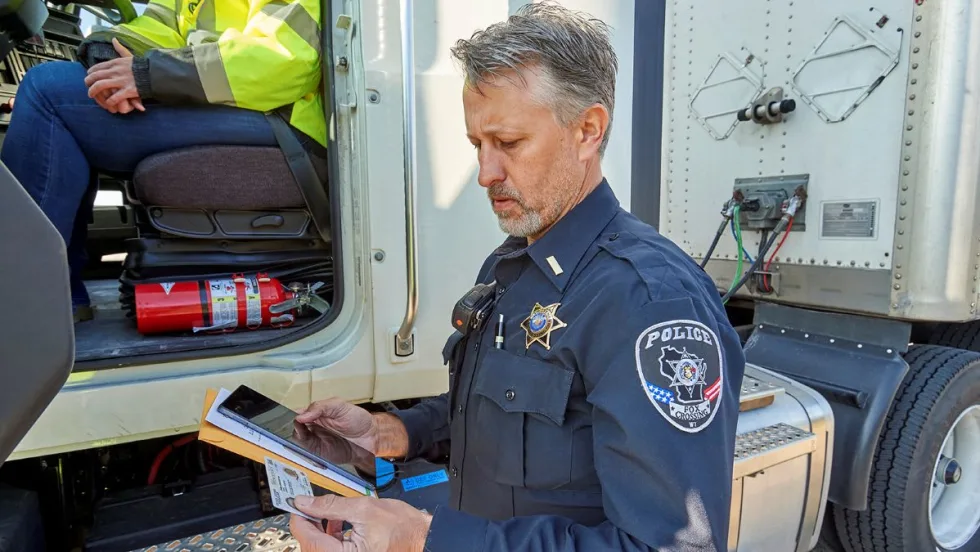
When Language Stops the Truck: The Return of ELP Out-of-Service Orders
English language proficiency rules for commercial drivers aren’t new, but renewed out-of-service enforcement has raised the stakes. Here’s what carriers need to know before a driver reaches a roadside inspection.
Read More →
Sponsored•October 6, 2026
A Camera Isn't a Safety Program. Here's What Brokers Are Screening for Now
Footage alone may not be enough to pass broker vetting processes. Here's what counts as a defensible safety program now.
Read More →

Marijuana and Trucking’s Drug-Testing Dilemma
Marijuana is getting stronger, laws are changing, and drug tests still can’t reliably establish impairment. What does that mean for truck drivers and the fleets that employ them?
Read More →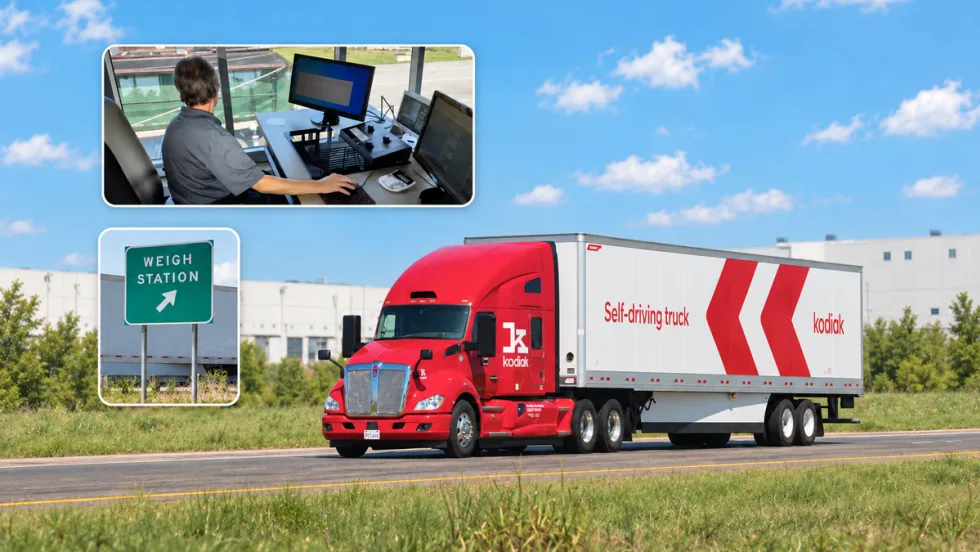
PrePass, Kodiak Connect Driverless Trucks to Roadside Enforcement
The system will allow enforcement agencies to verify Enhanced Inspection information and decide whether Kodiak’s autonomous trucks can bypass roadside screening sites.
Read More →
From One Generation to the Next: How Mentorship Builds Safer Truck Drivers
After three decades in trucking, Harold Perry shares what he's learned about driver safety, mentorship, and helping the next generation build confidence behind the wheel.
Read More →
FMCSA Pauses Biennial-Update Enforcement Amid Motus Transition
Carriers whose updates were due on or after June 1 have more time, while FMCSA works to stabilize its new registration system and warns of phishing sites impersonating its new carrier registration system, Motus.
Read More →
ZF Expands Commercial Vehicle Push in North America
ZF is expanding its North American commercial-vehicle presence with new transmission applications, electrification, trailer technology and autonomous-driving systems.
Read More →
Truck Drivers Need More Than Another Alert
Fleets have more visibility into truck health, safety events, and driver activity than ever. The next challenge is turning all that information into useful guidance for the person who has to decide what to do next.
Read More →
Tesla Wants a Self-Driving Semi. Are Cameras Enough?
Could Tesla’s camera-only autonomous driving technology work on an 80,000-pound Semi? In this commentary, HDT's Deborah Lockridge takes a look at Tesla, Cybercab, and how autonomous trucks see the road.
Read More →