





Q&A: AEye’s Andrew Nelson on Lidar’s Role in Autonomous Trucking
Tesla Wants a Self-Driving Semi. Are Cameras Enough?
Could Tesla’s camera-only autonomous driving technology work on an 80,000-pound Semi? In this commentary, HDT's Deborah Lockridge takes a look at Tesla, Cybercab, and how autonomous trucks see the road.
September 8, 2026
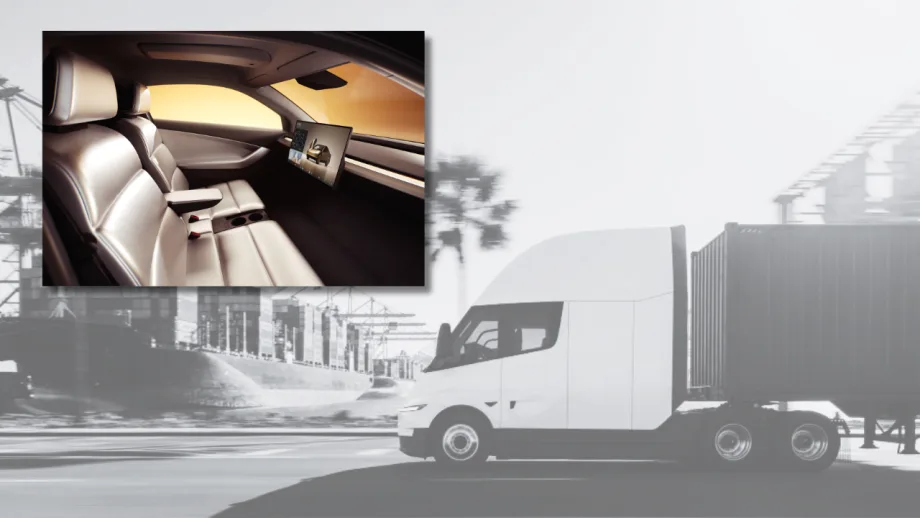
Tesla's new Cybercab is a self driving robotaxi with no steering wheel or pillars. What will at autonomous Tesa Semi look like?
Credit:
Tesla Photos / HDT Graphic
5 min to read
Elon Musk has talked about an autonomous Tesla Semi almost as long as he has talked about the electric truck itself.
Now that Tesla is finally ramping up Semi production, that idea is moving closer to reality. In July, Musk said Tesla expects to have a self-driving Semi by late this year or early 2027.
But Tesla’s launch last week of its Cybercab raises another question for trucking: Will the same camera-only approach Tesla is betting on for autonomous cars work for an 80,000-pound truck operating at highway speeds?
What Cybercab Could Tell Us About Tesla Semi
Tesla just put its self-driving Cybercab into commercial robotaxi service in Austin.
The Cybercab is a purpose-built robotaxi, a two-seat electric car with no steering wheel or pedals, designed to run entirely on Tesla’s camera-based Full Self-Driving Software.
The launch immediately attracted scrutiny from the National Highway Traffic Safety Administration.
The day after the Cybercab launch, NHTSA opened an Audit Query to investigate Tesla’s certification that it meets Federal Motor Vehicle Safety Standards.
Although NHTSA is in the process of overhauling these standards to update them for automated vehicles (both cars and heavy-duty trucks), Tesla seems to have jumped the gun. Until that work is completed, NHTSA said, the existing standards remain in force.
Including ones that require steering wheels and pedals.
When Will We See a Self-Driving Tesla Semi?
According to media reports, multiple Semi prototypes have been spotted carrying roof-mounted “ground truthing” validation equipment. This equipment collects environmental data and measurements to compare real-world sensor data with what Tesla Vision perceives.
In July, during an earnings call, Musk said the company expected to get its Full Self Driving technology, or FSD, working on the Semi around the end of this year or early 2027.
On social media, that led to comments predicting it would be at least 2030, referencing the way Musk kept pushing out the date of the electric Semi after it was first announced in 2017.
Are Cameras Enough for Self-Driving Vehicles?
The Cybercab launch also highlighted the debate over whether cameras alone are enough for autonomous vehicle operation.
Musk has repeatedly argued that cameras and AI can accomplish autonomous driving without the cost and complexity of lidar and other sensors. Tesla uses a camera-based approach that's cheaper than its rivals'.
Tesla is hardly alone in developing autonomous vehicles. But its cameras-only philosophy is definitely not the industry consensus.
Waymo, for instance, uses a more extensive sensor suite. Waymo’s Srikanth Thirumalai says that combining inputs from cameras, lidar, and radar creates “a rich, redundant world view that no single sensor can replicate.”
Whether cameras alone are enough is one thing when you’re talking about a robotaxi. It becomes a different question when the vehicle weighs up to 80,000 pounds and is traveling at highway speeds.
What About Cameras and Sensors in Autonomous Trucks?
Aurora, one of the companies already operating driverless trucks, has taken a different approach.
Its autonomous-driving system uses cameras, radar and lidar, including proprietary lidar that can detect objects more than 1,000 meters (more than half a mile) ahead. That gives it more than 34 seconds to detect, plan, and respond, according to the company.
“When we operate in more challenging environments, whether it's in the rain or whether it's in dust, having a complementary set of sensors is very powerful because they could each see through different conditions,” said Chris Urmson, co-founder and CEO of Aurora. “They each give different kinds of data.”
Tim Daly, co-Founder and chief architect of PlusAI, has also weighed in on this, in a blog titled, "Why Camera-Only Autonomy Hits a Wall for Trucks."
Daly contends that the physics gets worse, not better, at truck scale. "A self-driving truck should live within its comfort zone, not at the edge of its capability," he said.
- A Class 8 truck at highway speed needs roughly 200 meters to stop (double the ~100m a passenger car needs).
- Camera-based depth estimation error grows quadratically with distance, so a system that’s accurate to within 8 meters at 100 m can be off by 30+ meters at 200 m.
- Lidar’s error only grows linearly over that same range, so a few centimeters at 100 m, a few more at 200 m.
- That gap is why PlusAI doesn't think camera-only clears the bar for an 80,000-pound vehicle, even if it can work for a robotaxi.

What will the future of autonomous vehicles look like?
Credit:
Tesla
Driving Toward Commercialization of Self-Driving Trucks
These are important questions to consider, as existing autonomous-truck developers say they expect 2027 to be the year they can scale commercial operations.
Aurora is already hauling freight without drivers, and in July it unveiled its next-generation Aurora Driver, featuring lower-cost hardware designed for a million miles as the company expands commercial driverless freight operations across the Sun Belt.
So far, Aurora has been operating in a Transportation as a Service model, where Aurora owns and operates the trucks on behalf of its customers, who pay for dedicated capacity. It expects to offer trucks for customers to own and operate next year.
PlusAI is targeting a 2027 launch of factory-built autonomous trucks, and Kodiak is expanding its driverless operations with Atlas Energy Solutions.
A truck that can’t operate safely in rain, dust, or snow doesn’t do real-world trucking operations much good. The question is whether Tesla can make its camera-only approach handle those conditions — at 80,000 pounds and highway speeds.
Editor's Note: Updated 9/14/2026 to add comments from PlusAI.
Subscribe to Our Newsletter
More Equipment
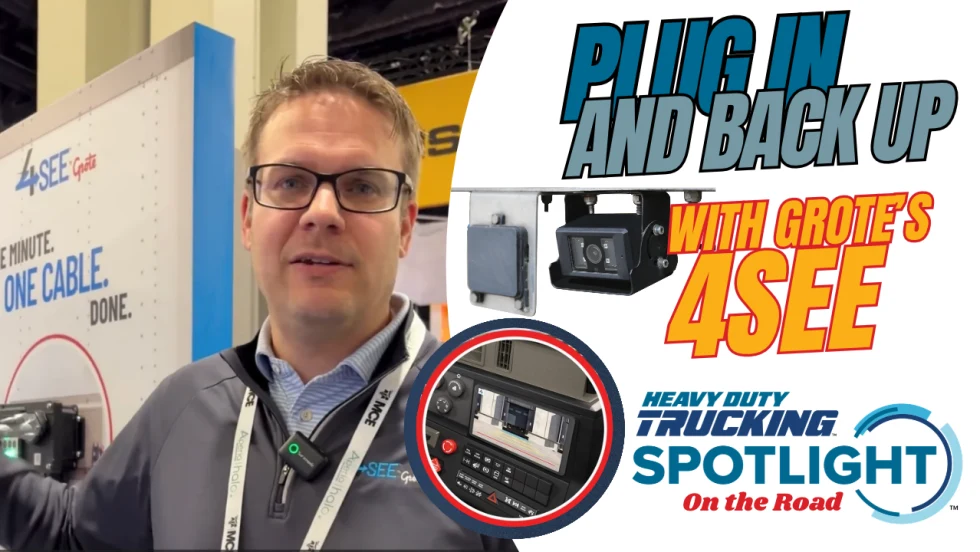
More Trailer Data Through the Same Seven-Way [Video]
Can trucking’s standard seven-way connector handle more cameras and trailer data? Grote’s Adam Slade shows HDT how the company is using new technology with its 4See trailer system, not only to add a new backup camera but also to expand other capabilities — without adding another connection.
Read More →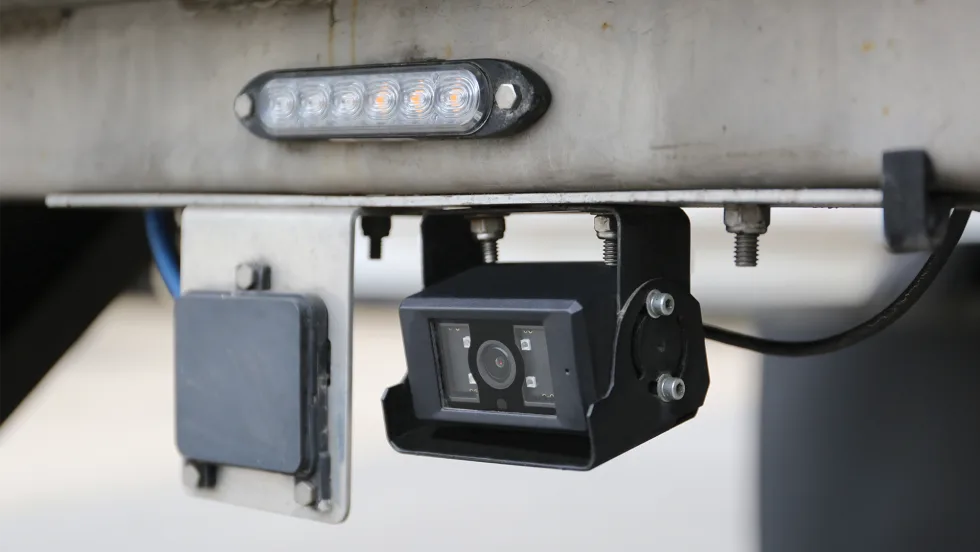
Grote: More Cameras, Same Seven-Way Connector
The next-generation 4See rear-view backup camera from Grote uses the standard seven-way connector and supports additional cameras and other trailer data.
Read More →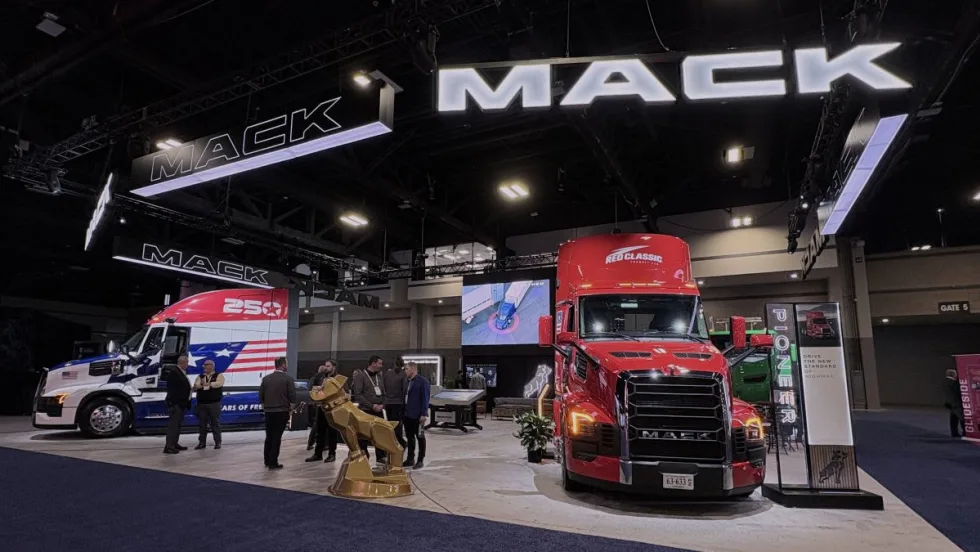
Trucks at ATA's 2026 MC&E in Charlotte, North Carolina [Photos]
From rigs decked out in patriotic America's 250 paint schemes to autonomous trucks and more, check out these photos from ATA's 2026 Management Conference & Exhibition.
Read More →
Help HDT Find Trucking’s Top Products
Have you come across a new product that could make a difference for trucking fleets? Nominate it for HDT’s 2027 Top 20 Products Awards by November 9.
Read More →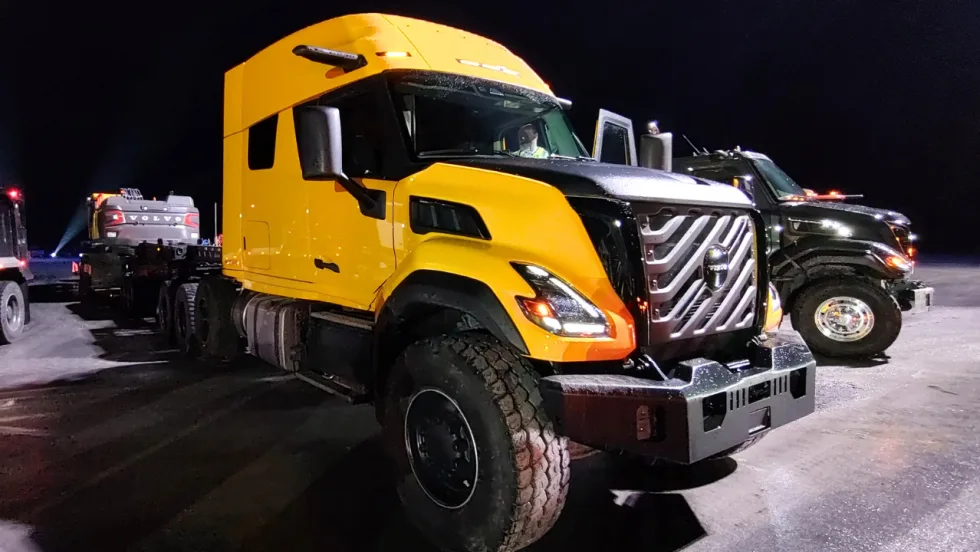
Volvo Unveils New VNX Heavy-Haul and Vocational Truck
Volvo Trucks has launched the VNX, a new vocational truck also available as a tractor in day cab and two sleeper configurations, with one heavy-haul model. The Volvo VNX is powered by Volvo's D13 platform, which delivers up to 540 horsepower and 1,950 pound-feet of torque and is EPA 2027-compliant.
Read More →
How GP Transco Cuts Trucking Fuel Costs, a Tenth of a Gallon at a Time
What’s another tenth of a mile per gallon worth? GP Transco shares how equipment upgrades and driver coaching turn small gains into meaningful fuel savings.
Read More →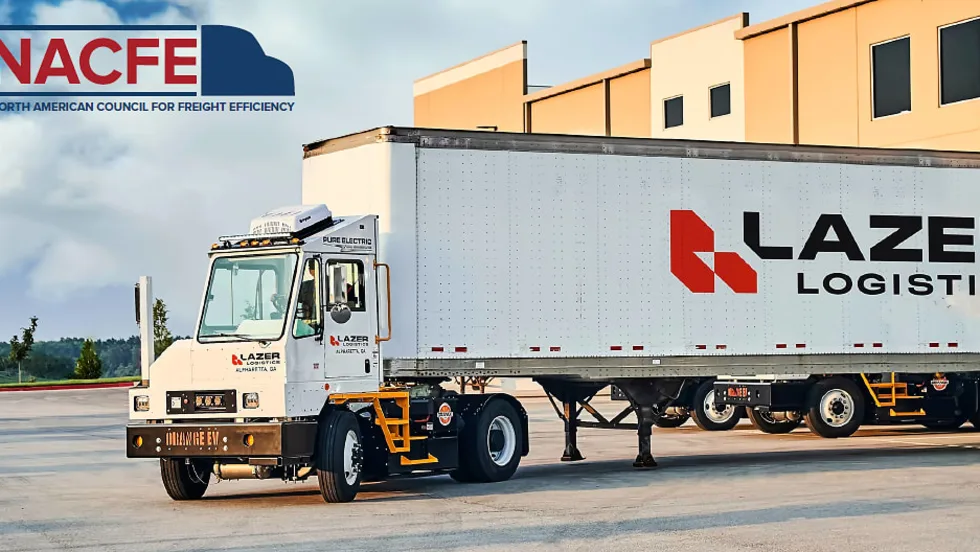
Electric Yard Tractors Move Beyond Pilots
Operating-cost savings have overtaken sustainability goals as the leading reason surveyed fleets are adopting battery-electric terminal tractors, according to new NACFE research.
Read More →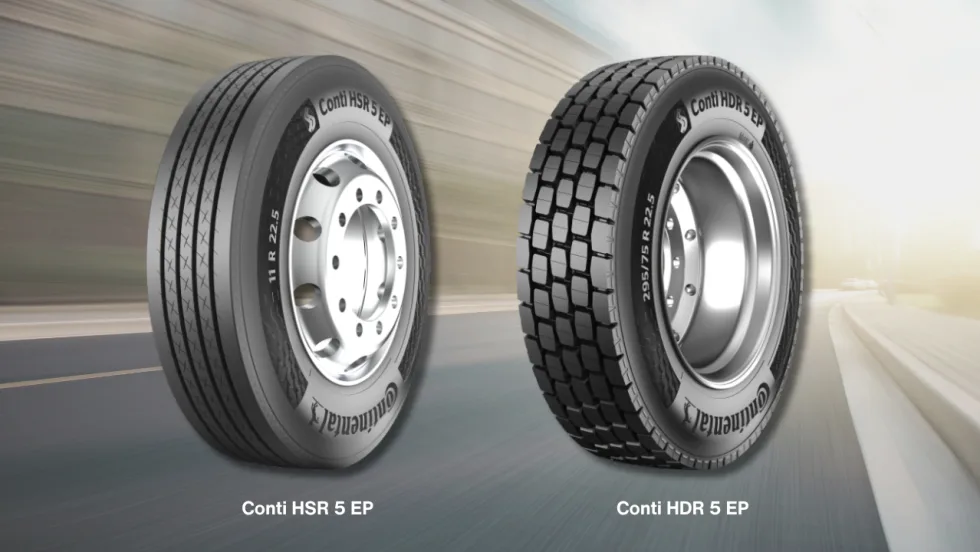
Continental Introduces New Regional Truck Tires
Continental says its new Generation 5 steer and drive tires for regional operations offer longer tread life, with estimated mileage gains of 22% and 19%, respectively.
Read More →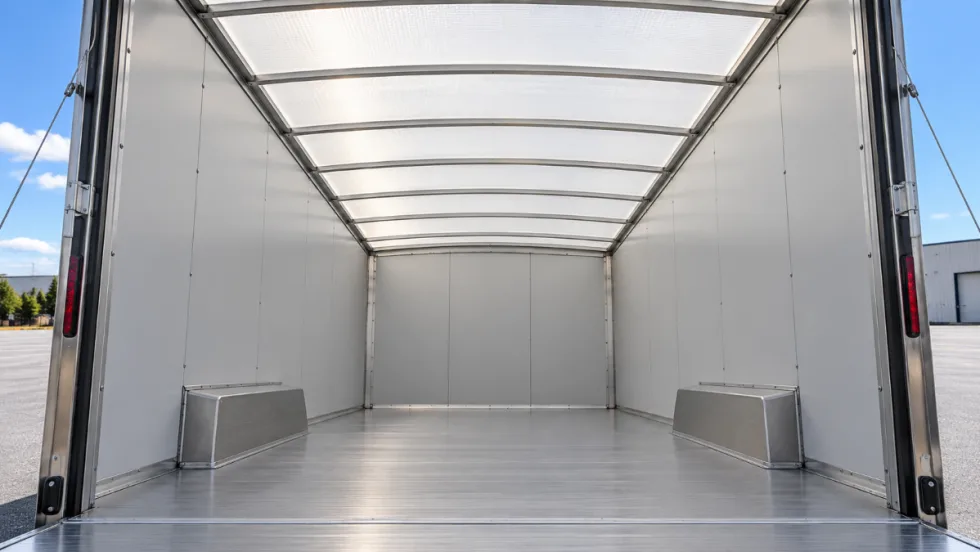
Tekmodo Introduces CargoBright Brand for Translucent Trailer Roofs
CargoBright is designed to diffuse daylight across the cargo area while performing as a working vehicle roof.
Read More →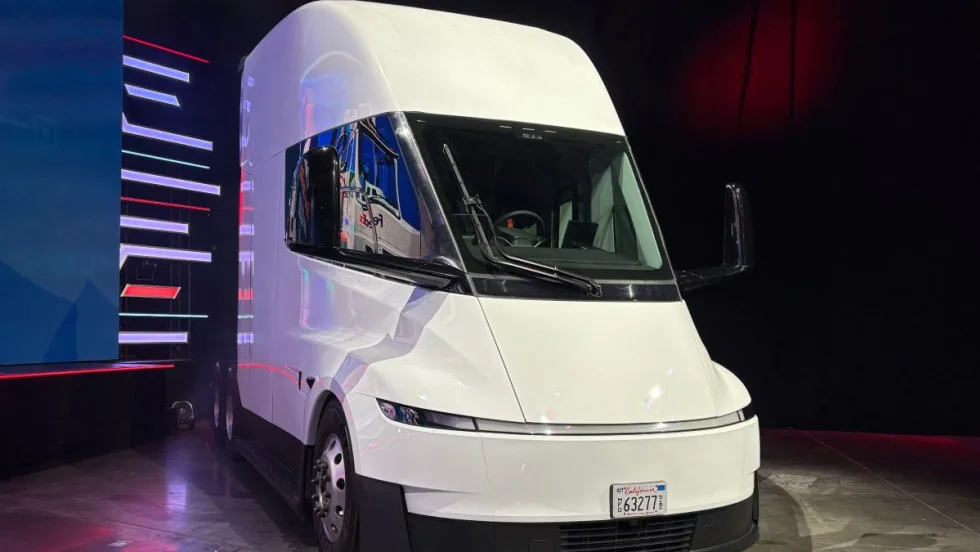
Fleet Economics Shape Electric Truck Outlook
ACT Research expects costs, charging infrastructure, and technology improvements to drive zero-emission commercial vehicle adoption as federal regulations and incentives retreat.
Read More →