




Where Electric Trucks Can Charge Now
New depots and truck-stop chargers gave electric trucks more places to plug in in 2026. Here’s where fleets can charge today, how megawatt charging works, and which freight routes to watch in 2027.

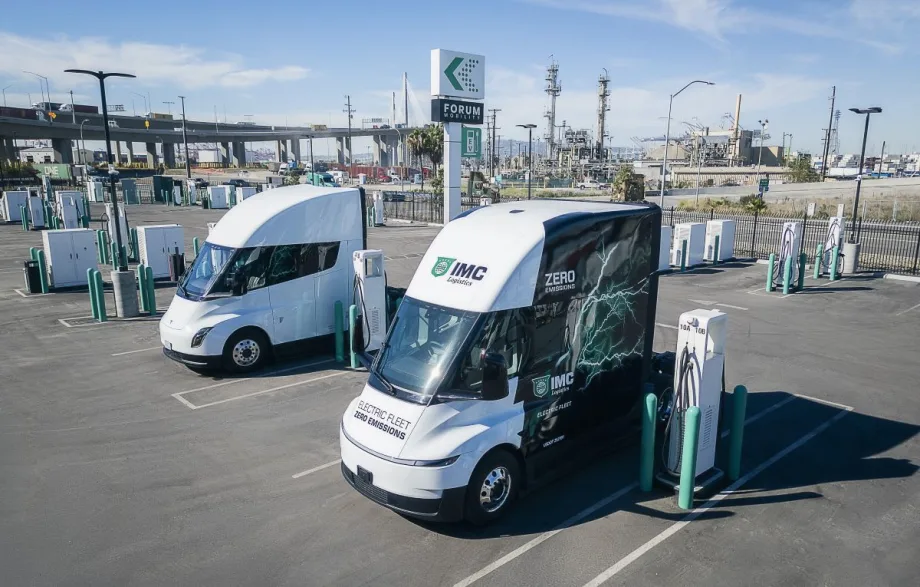
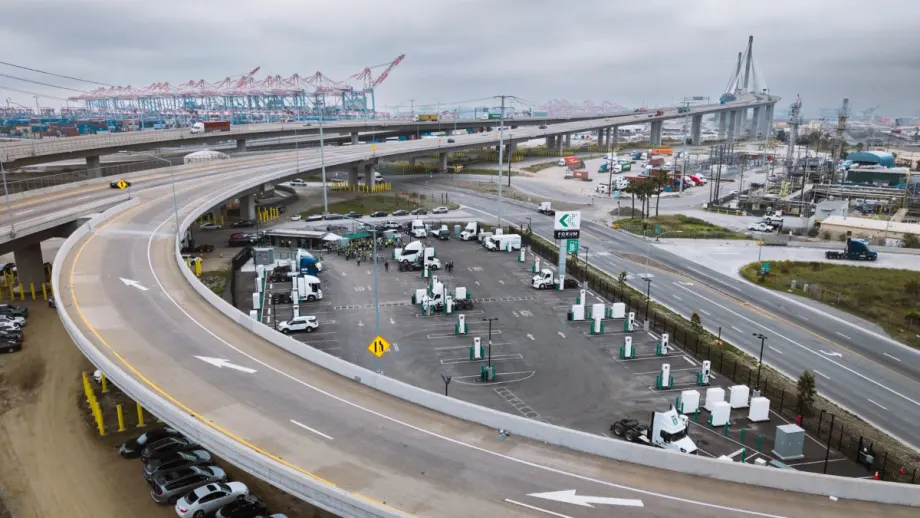
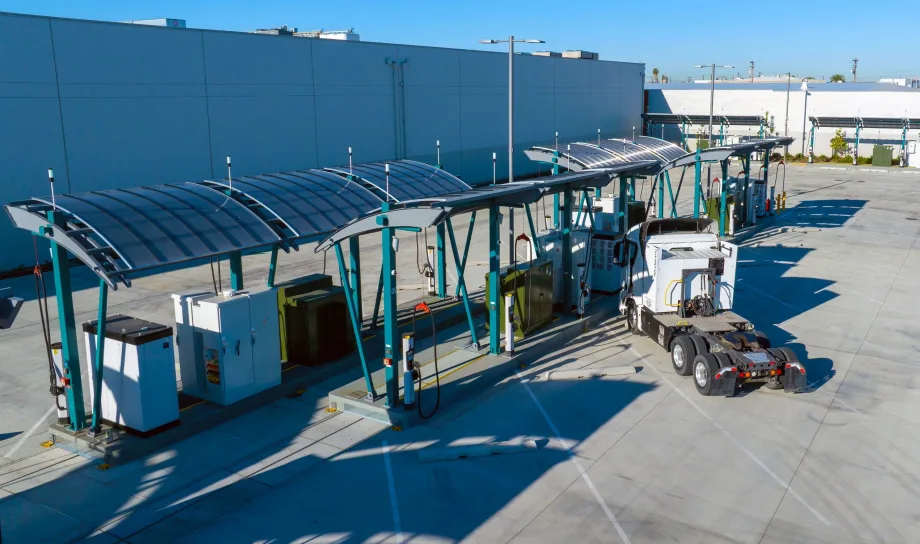
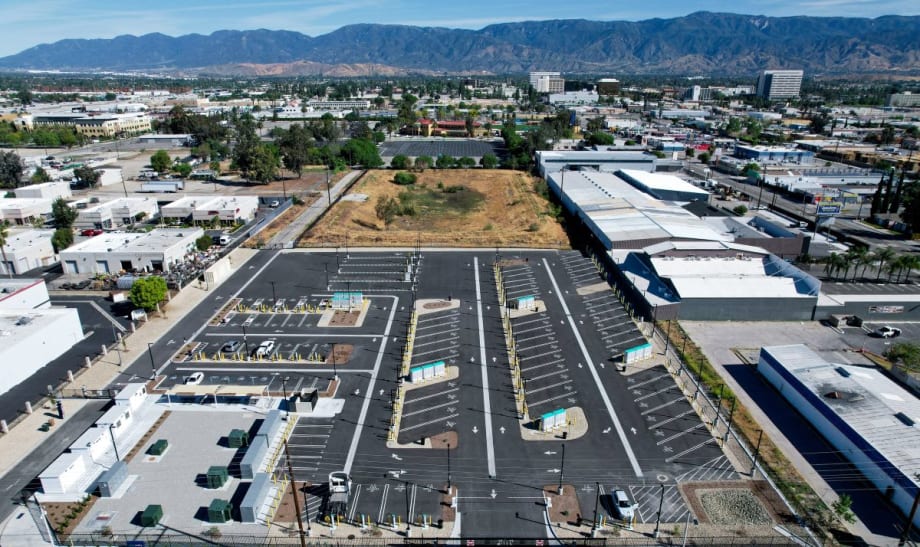
Forum Mobility has added two Tesla MCS Megachargers to FM Harbor, its depot in the Port of Long Beach that has been operational since December 2024 (with 44 CCS charging ports and 9 MW of overall capacity).
Forum Mobility
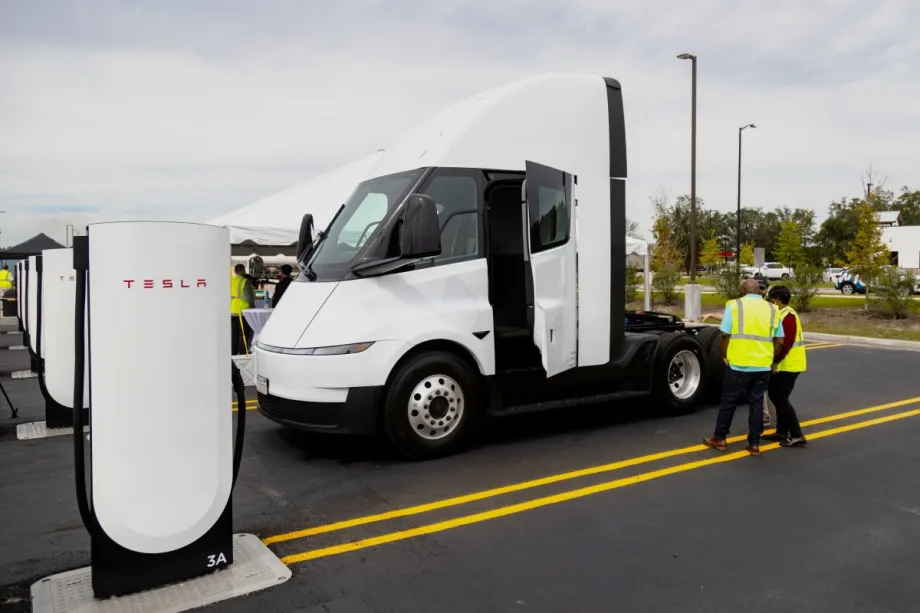
An electric truck can now pull into a Pilot near Savannah, Georgia, or a Flying J in California’s Central Valley and charge at up to 1.2 megawatts — although for now, it has to be a Tesla Semi.
That’s a good example of where heavy-duty truck charging stands at the end of 2026. There’s been a lot of progress. Fleets have more places to plug in if they don't have their own behind-the-fence charging facilities, and some can charge a truck much faster.
But using those chargers is heavily dependent on where a fleet runs and what makes of trucks it operates.
Much of the year’s progress was in California, where new depots opened around ports and warehouse hubs. In 2027, at least two projects will put charging to the test farther afield, on the Houston–Dallas and Southern California–Phoenix freight lanes.
Where Truck Charging Expanded in 2026
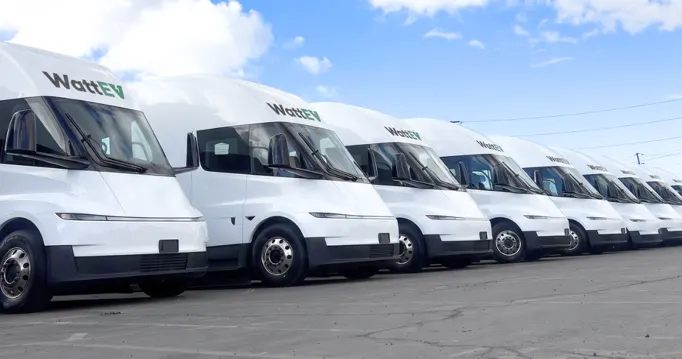
WattEV opened its eighth California charging depot in November at the Port of Oakland, which followed a June opening in Fresno. Add the company’s existing Bakersfield and Southern California locations, and fleets have more places to charge as they move freight between the Bay Area, the Central Valley and the southern part of the state. WattEV also introduced the first trucks in a planned deployment of more than 300 Tesla Semis tied to the Oakland project.
In Southern California, EV Realty opened a 76-port, 9-megawatt hub in San Bernardino in April.
Prologis opened a 32-port hub in Vernon in June near Interstate 710, a major route for trucks serving the Los Angeles and Long Beach ports. The Vernon site is open to all fleets and offers reservations through a subscription
Greenlane, which opened its Colton site in 2025, started serving select customers farther east along I-10 in Blythe.
Truck stops are part of the picture, too. In addition to the Pilot and Flying J sites, bp pulse brought charging to the TravelCenters of America location in Ontario, California, with four 400-kilowatt pull-through bays using the Combined Charging System, or CCS, and two 750-kW bays using Tesla’s version of the Megawatt Charging System, or MCS.
Tesla also expanded its own network in November to Hodgkins, Illinois, near Chicago, and Mesquite, Texas, near Dallas.
How Megawatt Truck Charging Works
So what’s a megawatt and why is it important for electric-truck adoption?
A megawatt is 1,000 kilowatts. In truck charging, that’s the rate at which power can flow into the battery. A truck that can accept a full megawatt can take on energy two and a half times as fast as it would at 400 kW. That’s makes megawatt charging attractive for a quick top-up between runs.
The Megawatt Charging System (MCS) is the connector and charging standard designed for that kind of power. The plug alone doesn’t tell you how fast the truck will charge. The MCS bays in Ontario, California, are rated at 750 kW, while Pilot’s Megachargers can deliver up to 1.2 MW to one truck. And when EV Realty says its San Bernardino hub has 9 MW of capacity, that’s the power available across the whole site
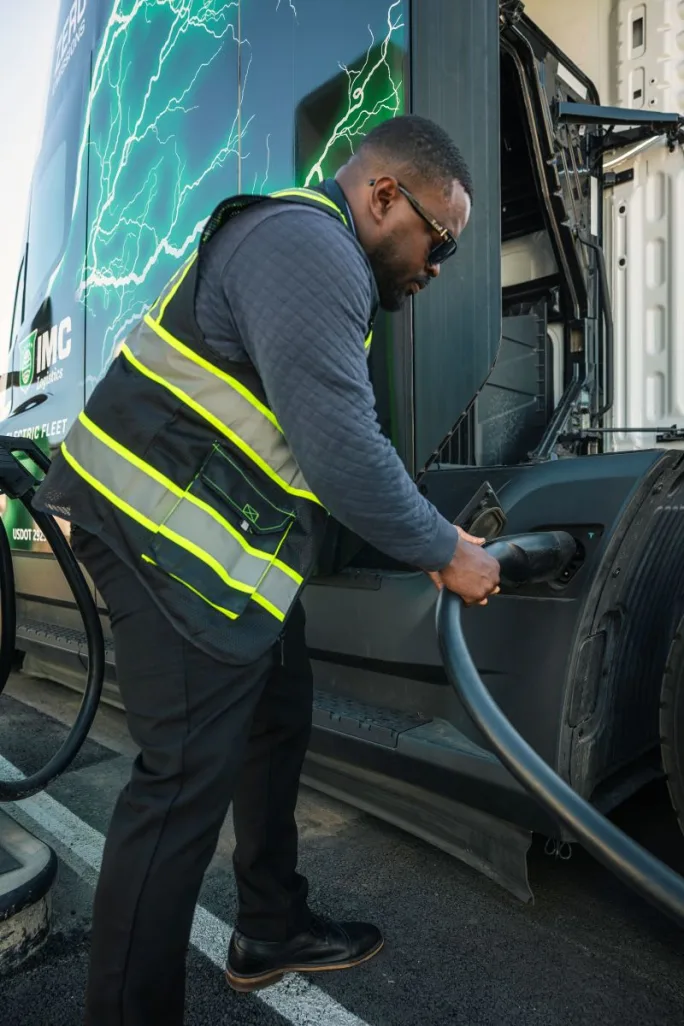
Charging a Tesla Semi with MCS charger at Forum Mobility charging site.
Forum Mobility
Tesla says its 1.2-MW Megachargers can restore up to 60% of a Semi’s range in 30 minutes. How fast a truck actually charges depends on factors such as battery temperature, state of charge, and whether another truck is sharing the power.
Two charging sessions this year showed how the equipment is being used. In March, a Windrose truck plugged into Kempower’s MCS equipment at EV Realty’s San Bernardino hub. In November, Forum Mobility charged a customer’s production Tesla Semi on one of two new MCS dispensers at its Port of Long Beach depot.
How much power the utility can deliver also matters. At Oakland, WattEV is using a Pacific Gas and Electric program that can get sites connected sooner if they can cut power use when the local grid is strained.
RMI modeled what would happen if fleets could shift charging by four hours at peak times. It found that about 60% of the PG&E distribution circuits it studied could support charging for 10 additional regional-haul trucks per day. For a fleet counting on a midday top-up, the question is how much power the depot can deliver when the truck pulls in.
What Charging Speed Means for Fleet Costs
Faster electric truck charging has been seen as a key factor in electric-truck adoption for longer routes.
In the North American Council for Freight Efficiency’s Run on Less – Messy Middle demonstration, participating battery-electric tractors logged 350 to more than 500 miles a day. Fleets used short charging stops to stretch a shift or keep a truck running across shifts.
Then there’s the price of the electricity. WattEV says the Semis tied to its Oakland opening can cost less per mile to power than comparable diesel trucks at prevailing diesel prices. For a fleet running its own numbers, that comparison starts with what it will pay for electricity and how many kilowatt-hours the truck will use on the route.
The full ownership calculation also includes the cost of the truck and charging infrastructure, along with how much work the truck can do. NACFE’s separate cost analysis found the strongest near-term cases for electrification in drayage and regional routes that return to base. In its long-haul model, diesel remained the lowest-cost option through 2028.
Truck Charging Projects to Watch in 2027
California has some of the firmest opening targets for new truck-charging facilities in 2027.
Zeem is aiming for the first quarter at its Terminal Island depot at the Port of Long Beach, where it has secured 15 MW of power. The initial opening is expected to include 84 CCS ports, with another 24 MCS ports in the full buildout.
Forum Mobility is targeting the first half for four depots in Rancho Dominguez, Ontario, and Oakland.
EV Realty has started construction in Torrance, where it expects to open 30 DC fast-charging ports and 20 MCS stalls around midyear.
In Texas, the plan starts with a carrier, a route and a sizable group of trucks. Nevoya aims to begin running between Houston and Dallas in early 2027, with 63 Class 8 electric trucks planned for the operation. Greenlane is developing sites with pull-through CCS and MCS charging at both ends of the route.
Nevoya also expects a 25-truck operation backed by Meta to start running between San Bernardino and Phoenix in 2027. Meta says the charging stations will serve other commercial fleets, though the announcement didn’t specify where the stations would be or when they would open.
A separate I-10 project would go farther east. The coalition working with Terawatt Infrastructure announced a 2027 target for a Los Angeles–El Paso pilot using six charging hubs for participating shippers and carriers.
On the East Coast, as in California, ports are driving electrification. In September, the Port Authority of New York and New Jersey announced $45 million in incentives for zero-emission drayage trucks, yard tractors and charging infrastructure.
Farther inland, the work is largely about figuring out where to build. RMI screened 140 potential locations across nine Northeastern states and identified 39 priorities based on factors including truck parking, grid readiness and projected demand.
ACT Research expects electric truck adoption to grow gradually over the next several years. In its September outlook, the firm nudged up its Class 8 battery-electric projections, citing near-term interest in the Tesla Semi.
Conversations with fleets already running electric trucks also led ACT to revisit its longer-term assumptions about how much fleets would use charging infrastructure. It expects broader zero-emission truck adoption to pick up after 2030 as costs fall, charging gets faster, and more sites open.
More Fuel Smarts
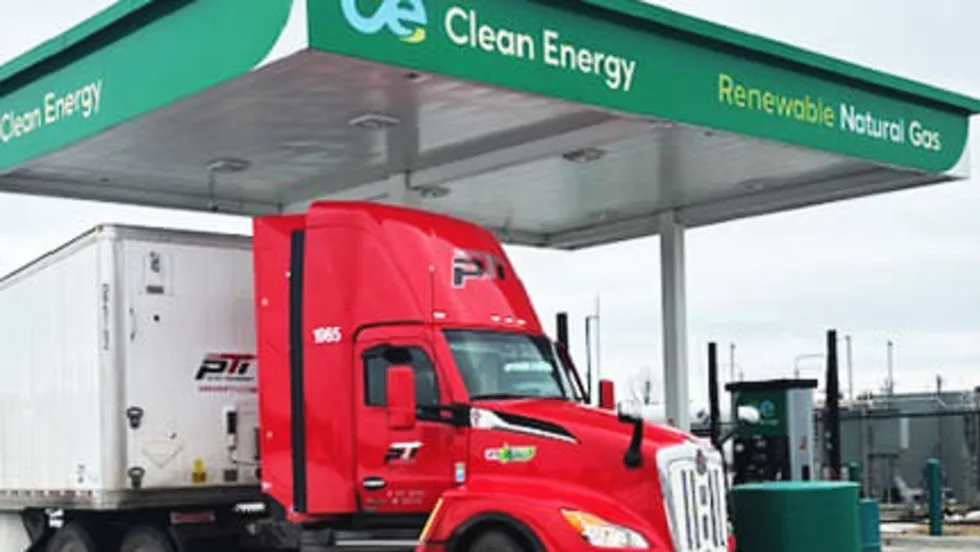
Paper Transport Puts RNG to Work for Shipper
Eight renewable natural gas trucks are hauling freight for Graphic Packaging, part of Paper Transport’s growing mix of alternative-fuel transportation options that also includes a Tesla Semi pilot.
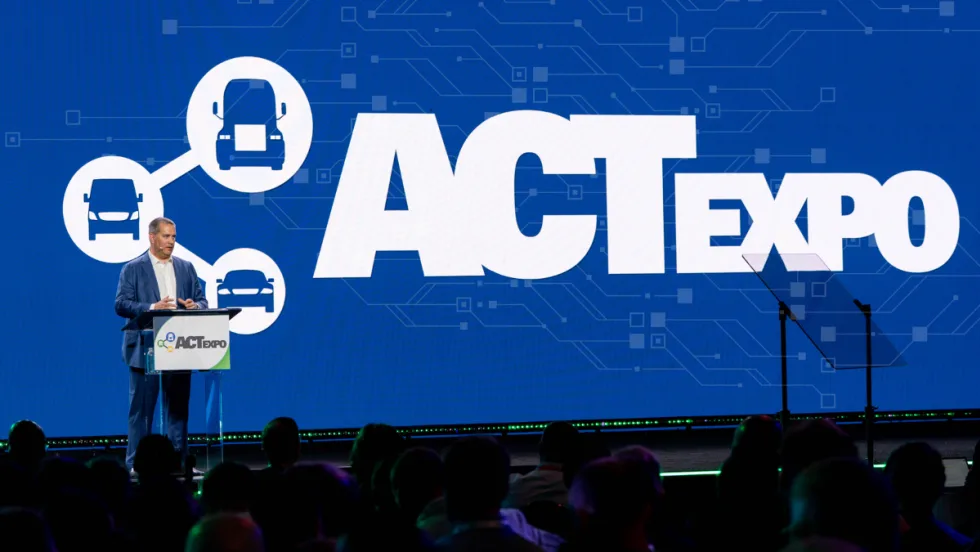
Fleet Costs Shape ACT Expo 2027 Agenda
With diesel prices high and operating expenses under pressure, ACT Expo's 2027 agenda emphasizes fuel efficiency, AI, safety and the return on fleet technology investments.
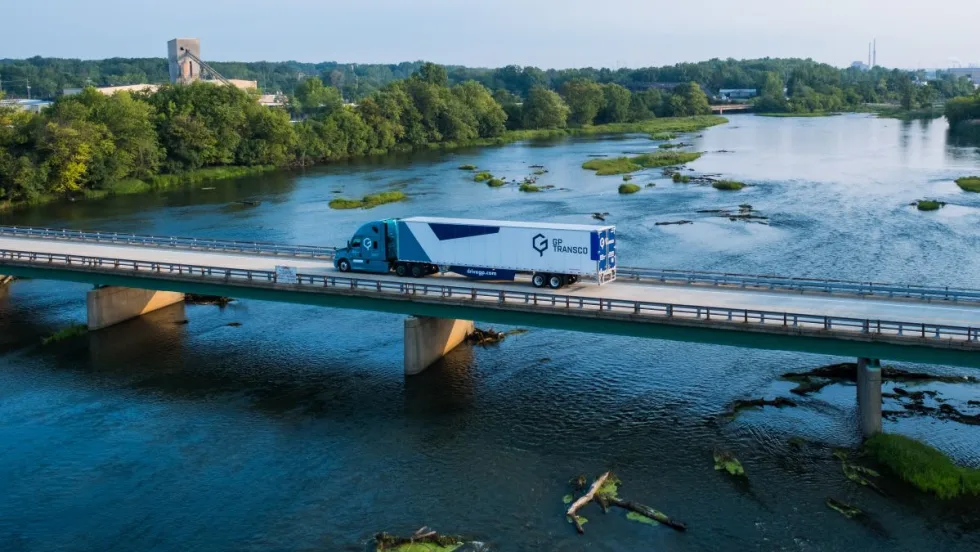
How GP Transco Builds Fuel Savings a Fraction at a Time
Aerodynamic specs, solar panels, and driver incentives help GP Transco turn small efficiency gains into savings it can reinvest in its people.

Trucking’s Diesel Squeeze Isn’t Letting Up
With diesel topping $6 a gallon nationally, ATA's Bob Costello explains why fleets should prepare for continued pressure at the pump.
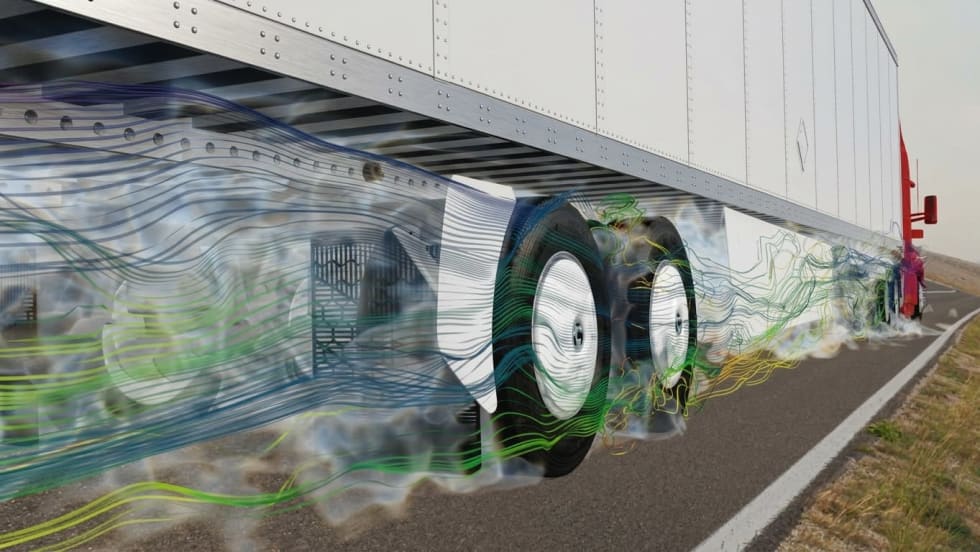
FlowBelow Redesigns Trailer AeroSlider to Cut Fuel Use
The lighter trailer aerodynamic system installs in less than 45 minutes, according to the company, with potential payback in under a year depending on fuel prices and trailer mileage.

Why Diesel Price Relief Efforts May Fall Short
Diesel prices have eased from September’s record high, but doubts about additional Russian supply and limits on dyed-diesel tax relief mean trucking fleets still face expensive fuel. And prices could go higher.

Why Small Fuel Savings Matter in Trucking [Podcast]
Can better fuel economy help pay for driver raises? In this episode of the HDT Talks Trucking podcast, GP Transco explains how small efficiency gains create room to reinvest in its people.

How GP Transco Cuts Trucking Fuel Costs, a Tenth of a Gallon at a Time
What’s another tenth of a mile per gallon worth? GP Transco shares how equipment upgrades and driver coaching turn small gains into meaningful fuel savings.
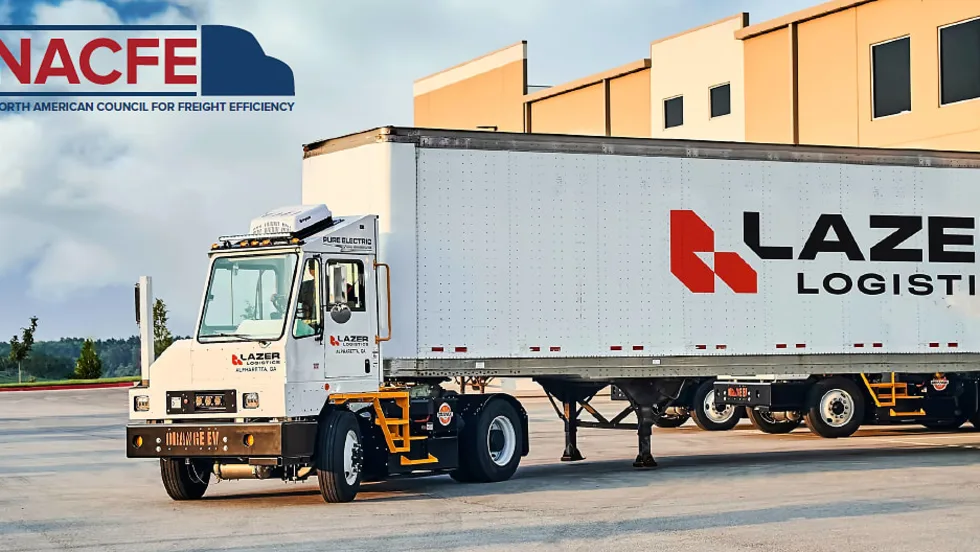
Electric Yard Tractors Move Beyond Pilots
Operating-cost savings have overtaken sustainability goals as the leading reason surveyed fleets are adopting battery-electric terminal tractors, according to new NACFE research.
Geotab Links Fleet Card to Vehicle Data
The new card combines fuel discounts with telematics-based purchase controls. Geotab’s analysis also points to potential savings from choosing lower-priced fuel stops.