





How GP Transco Cuts Trucking Fuel Costs, a Tenth of a Gallon at a Time [Video]
FlowBelow Redesigns Trailer AeroSlider to Cut Fuel Use
The lighter trailer aerodynamic system installs in less than 45 minutes, according to the company, with potential payback in under a year depending on fuel prices and trailer mileage.
October 18, 2026
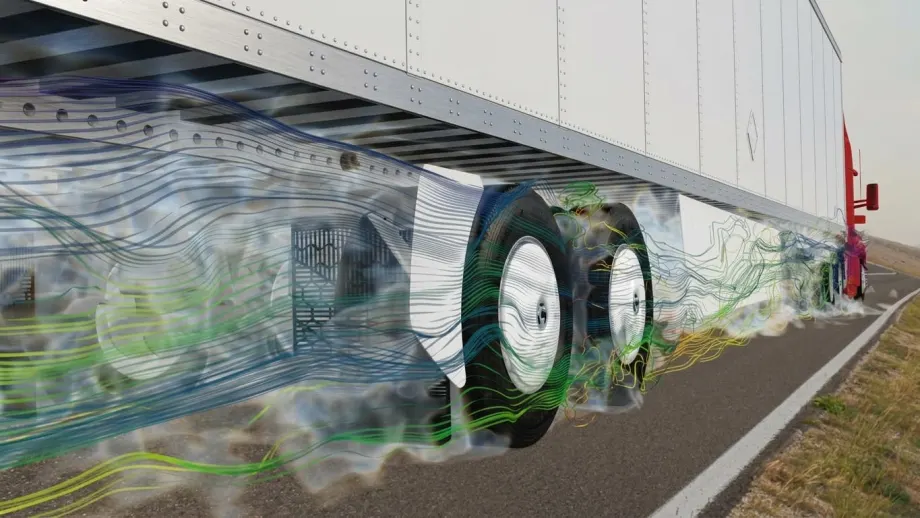
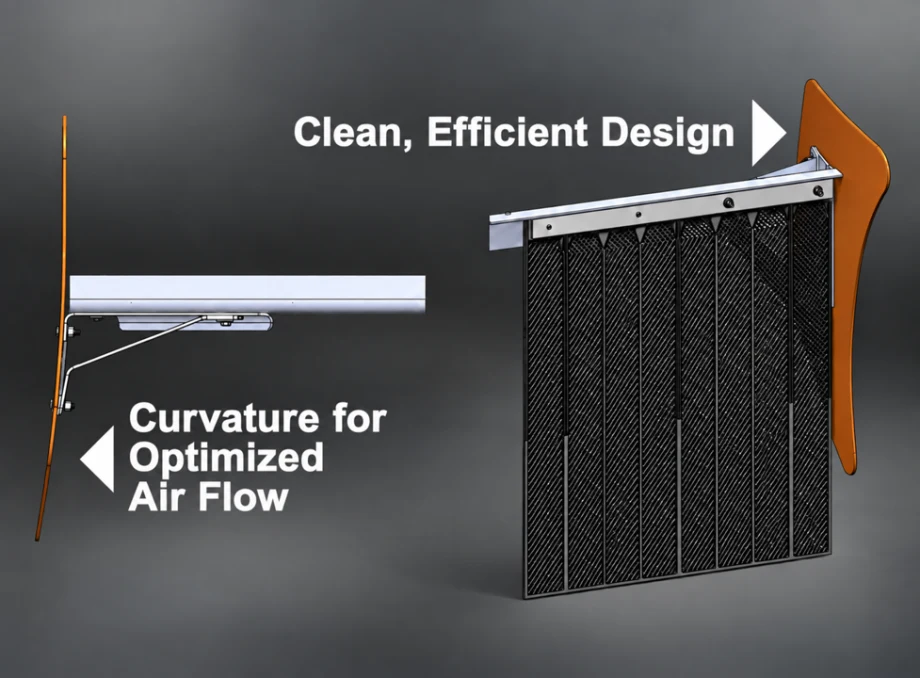
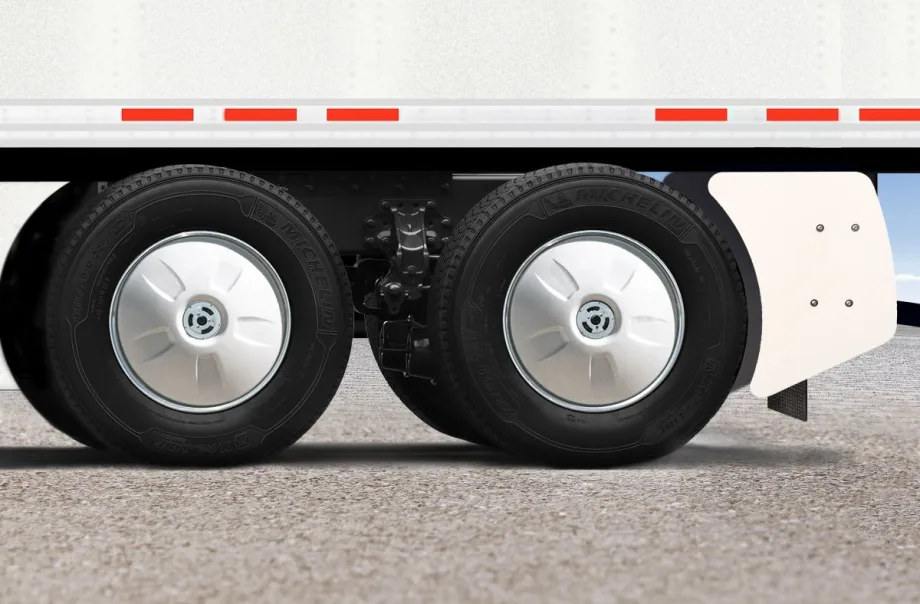
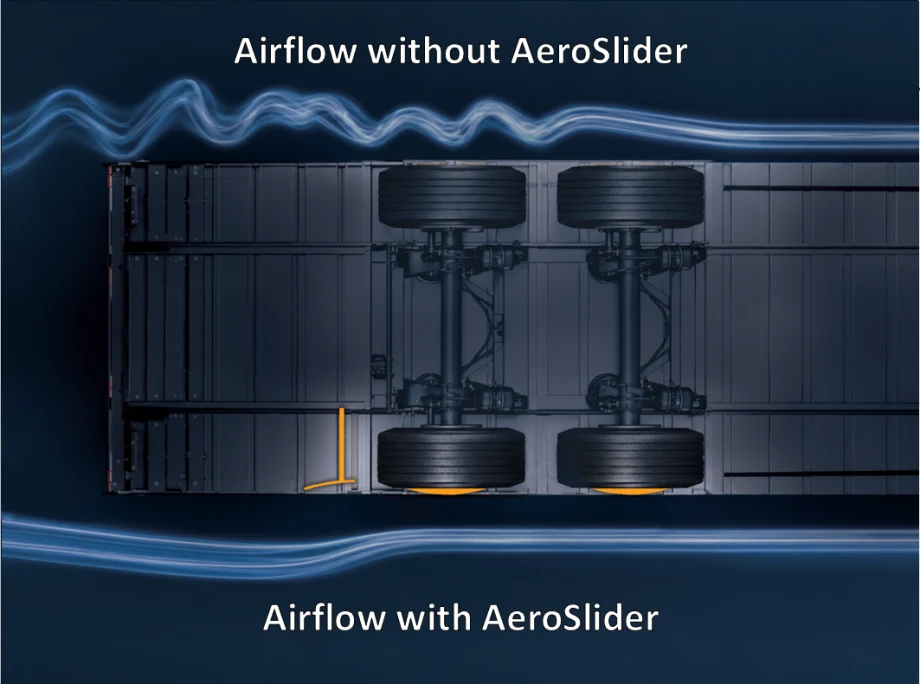
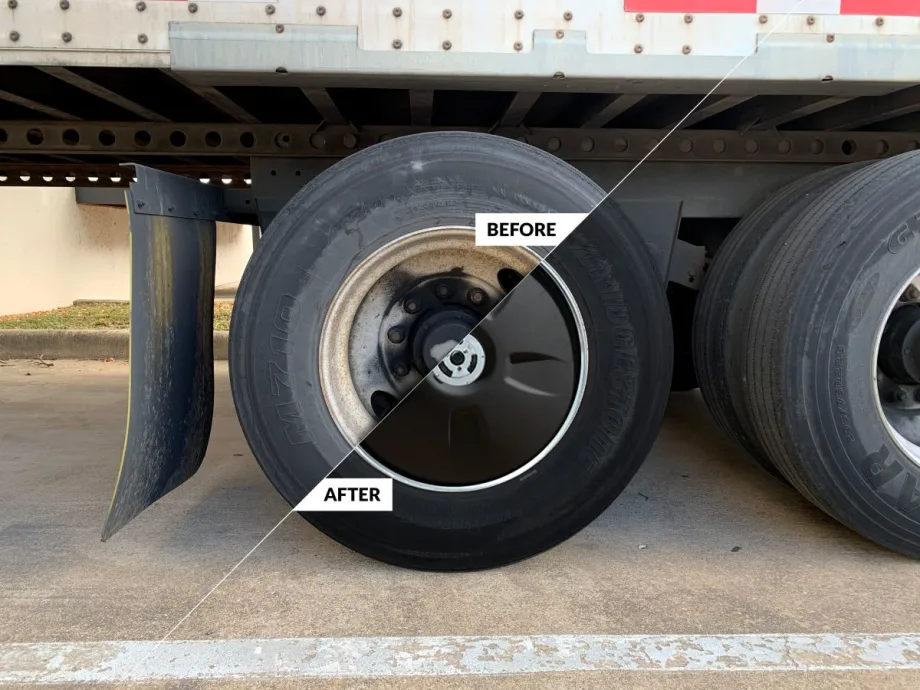
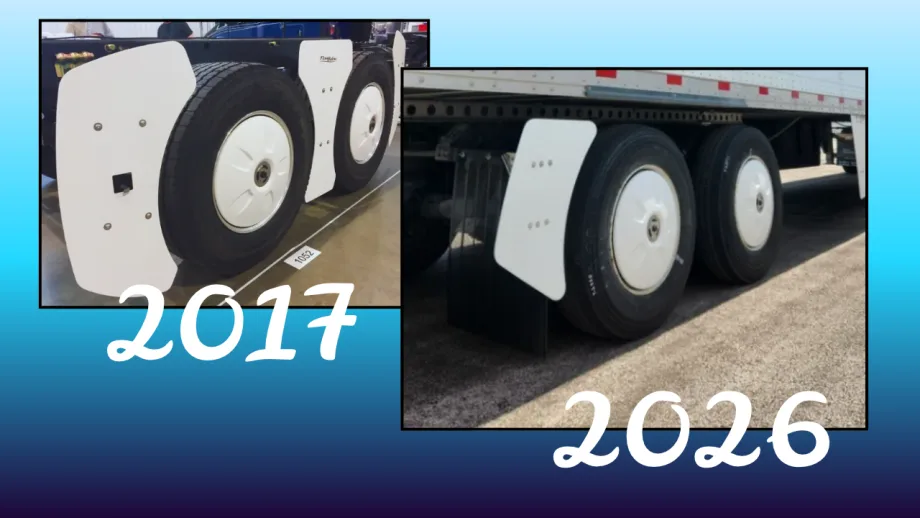
FlowBelow used computer airflow modeling to develop the redesigned AeroSlider, which targets drag around the trailer’s wheels and suspension. The system moves with the sliding tandems when fleets adjust axle positions.
Credit:
FlowBelow
1/6
4 min to read
FlowBelow has redesigned its Trailer AeroSlider aerodynamic system to help fleets save more fuel with a smaller, more durable package than its predecessor.
The company introduced the updated system at the American Trucking Associations’ Management Conference & Exhibition in Charlotte, North Carolina.
The AeroSlider combines trailer wheel covers, flow-through mud flaps and rear fairings. Together, those components can save an estimated 3 gallons of diesel per 1,000 miles, according to FlowBelow, based on results from separate independent fuel economy tests.
At a diesel price of $6.18 a gallon, that would translate to about $18.54 per 1,000 miles, or roughly $556 annually for a trailer traveling 30,000 miles.
How the Trailer AeroSlider Works
The system addresses drag around the trailer’s exposed wheels, suspension, and underbody. Its rear fairings direct air slightly outward and rearward as it leaves the tandem, helping reduce turbulence around the running gear and in the trailer’s wake, according to FlowBelow.
The AeroSlider mounts to the sliding suspension and moves with it when the tandems are repositioned to meet axle-weight requirements.
installs in 15 minutes to the mudflap hanger and weighs only 9 pounds.
FlowBelow first introduced the AeroSlider in 2017. However, the company pulled the product from the market after several years when the center panel design proved problematic.
The redesigned version replaces the previous system’s separate center and rear fairings with a single fairing design that the company says delivers greater fuel savings.
The complete system weighs less than 30 pounds and can be retrofitted in less than 45 minutes, according to FlowBelow. It is designed to fit most dry van and refrigerated trailers and requires no driver involvement once installed.
What the Fuel Economy Tests Found
FlowBelow developed the system using computer airflow modeling, wind-tunnel testing, and track testing.
In June 2026, MVT Solutions tested the rear fairings and flow-through mud flaps using 2019 International LT tractors pulling loaded 53-foot dry van trailers.
The baseline trailers already had side skirts and trailer wheel covers. Adding the fairings and mud flaps reduced fuel consumption by 1.77 gallons per 1,000 miles compared with that baseline.
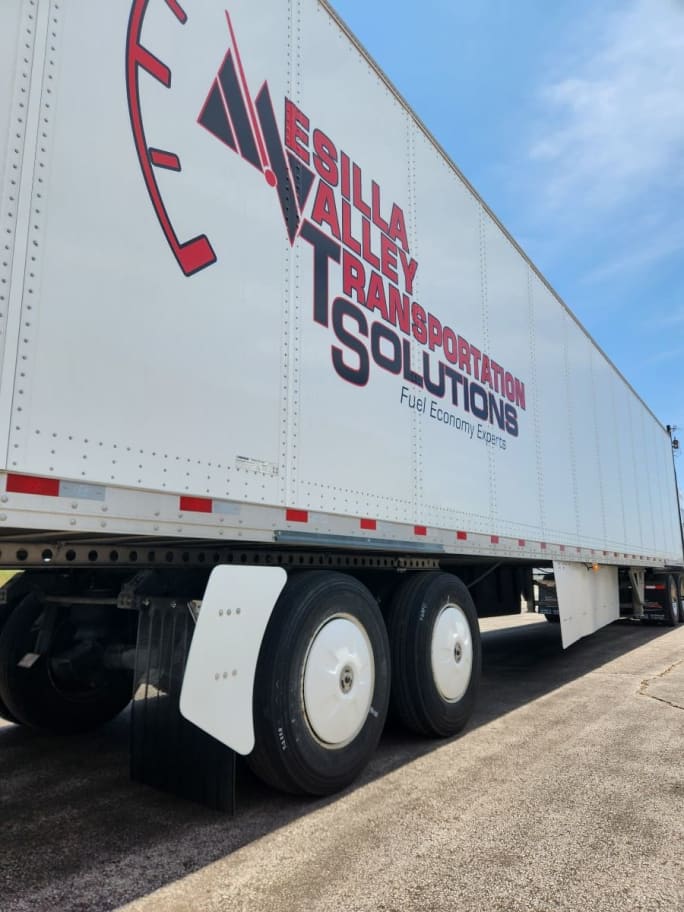
MVT Solutions testing measured fuel savings of 1.77 gallons per 1,000 miles from AeroSlider rear fairings and flow-through mud flaps on trailers already equipped with side skirts and wheel covers.
Credit:
FlowBelow
Separate MVT Solutions testing measured savings of 1.23 gallons per 1,000 miles from FlowBelow’s trailer wheel covers. FlowBelow added those two results to estimate the complete system’s savings at 3 gallons per 1,000 miles.
For fleets already using trailer wheel covers, the fairing and mud flap test provides the more relevant measure of potential additional savings.
Payback Depends on Trailer Mileage
“Our goal with the AeroSlider was to develop an aerodynamic system that could pay for itself in less than 18 months for a typical regional or long-haul fleet at $3.00 per gallon diesel,” said Josh Butler, FlowBelow president and chief technology officer.
At current fuel prices, Butler said, payback could fall below 12 months even for trailers traveling only 30,000 miles annually.
"Certain aerodynamic products such as trailer side skirts deliver exceptional fuel savings for the cost incurred, which has helped them to achieve widespread adoption. We believe the AeroSlider has the potential to become the next practical steps fleets can take to reduce trailer drag without adding meaningful weight, maintenance, or driver involvement."
The AeroSlider is available directly from FlowBelow for retrofit installation and can be specified on new trailers through participating trailer manufacturers.
Other New Products from FlowBelow
Earlier this year, FlowBelow introduced wheel covers with easy air access. The new design makes checking tire pressure easier with wheel covers than without, making it more likely drivers will check their pressure, while maintaining proven fuel savings of 1.74%.
Even without wheel covers, physically checking inner and outer tire pressures often requires stooping, kneeling, and straining to access cumbersome valve stems, sometimes lodged deep inside wheel rims.
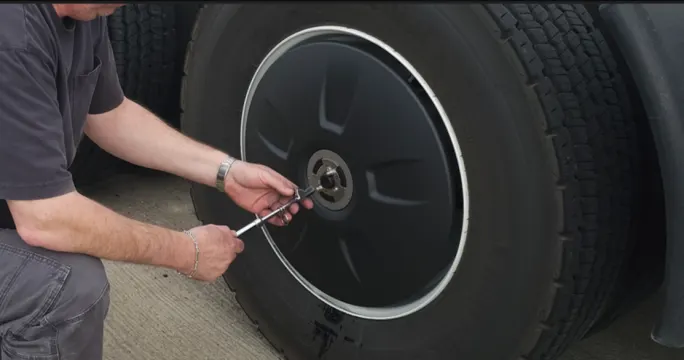
FlowBelow's new wheel covers make it easier to check the tire pressure with the cover on than with it off, incentivizing more regular pressure checks.
Credit:
FlowBelow
With both inflation valves ergonomically located in the center surface of FlowBelow’s new wheel covers, drivers and technicians can check tire pressure and inflate tires in seconds, without kneeling or removing wheel covers, eliminating a common excuse for skipping critical pre-trip inspections.
FlowBelow engineers partnered with Pressure Systems International to develop and supply the air line components required for the Easy Air Access system. Optional auxiliary valves allow for installation of tire pressure monitoring systems, and FlowBelow is offering P.S.I.’s TireView Live TPMS as an additional upgrade.
“Our wheel covers are very easy to take on and off, but our Easy Air Access version makes it safer and faster to check tire pressure with wheel covers than without them,” said Katie Breitschopf, executive vice president of business operations for FlowBelow.
FlowBelow also recently introduced a new chain hanger option for trucks with limited space. This reduces the time and effort required to remove and hang the chains. It is available with or without a rear fairing.
More Fuel Smarts
Why Diesel Price Relief Efforts May Fall Short
Diesel prices have eased from September’s record high, but doubts about additional Russian supply and limits on dyed-diesel tax relief mean trucking fleets still face expensive fuel. And prices could go higher.
Read More →
Why Small Fuel Savings Matter in Trucking
Can better fuel economy help pay for driver raises? In this podcast, GP Transco explains how small efficiency gains create room to reinvest in its people.
Read More →
How GP Transco Cuts Trucking Fuel Costs, a Tenth of a Gallon at a Time
What’s another tenth of a mile per gallon worth? GP Transco shares how equipment upgrades and driver coaching turn small gains into meaningful fuel savings.
Read More →
Electric Yard Tractors Move Beyond Pilots
Operating-cost savings have overtaken sustainability goals as the leading reason surveyed fleets are adopting battery-electric terminal tractors, according to new NACFE research.
Read More →
Geotab Links Fleet Card to Vehicle Data
The new card combines fuel discounts with telematics-based purchase controls. Geotab’s analysis also points to potential savings from choosing lower-priced fuel stops.
Read More →
Fleet Economics Shape Electric Truck Outlook
ACT Research expects costs, charging infrastructure, and technology improvements to drive zero-emission commercial vehicle adoption as federal regulations and incentives retreat.
Read More →
Wex Adds Cardless Fuel Payments for Over-the-Road Customers
A new fuel card feature for Wex customers offers convenience and security.
Read More →
New California Law Could Shed Light on Electric Truck Prices
Why do battery-electric Class 8 trucks remain so expensive? A California bill signed by Gov. Gavin Newsom would give fleets and state agencies more visibility into what manufacturers charge.
Read More →
How Volvo Updated Its D13 for EPA 2027 [Watch]
Volvo’s updated D13 promises lower emissions without sacrificing performance or fuel economy. Take a closer look at what changed inside the engine in this HDT Spotlight video.
Read More →
Diesel Price Spike Shortens Payback for Natural Gas Trucks, Report Says
Energy Vision estimates fleets could recover the higher purchase price of an RNG-fueled Class 8 tractor in 1.3 to 2.8 years under current fuel-price scenarios.
Read More →