





Related: FTR: COVID-19 Crisis to Take Toll on Trucking, Economy
Interactive FTR Heatmap Shows COVID-19 Impacts on Truck Rates by State
FTR has released the COVID-19 Impact Heatmap, which assesses the state-level rate impacts by four trucking equipment types – dry van, refrigerated, flatbed, and specialized – using Truckstop.com spot market data.
April 2, 2020
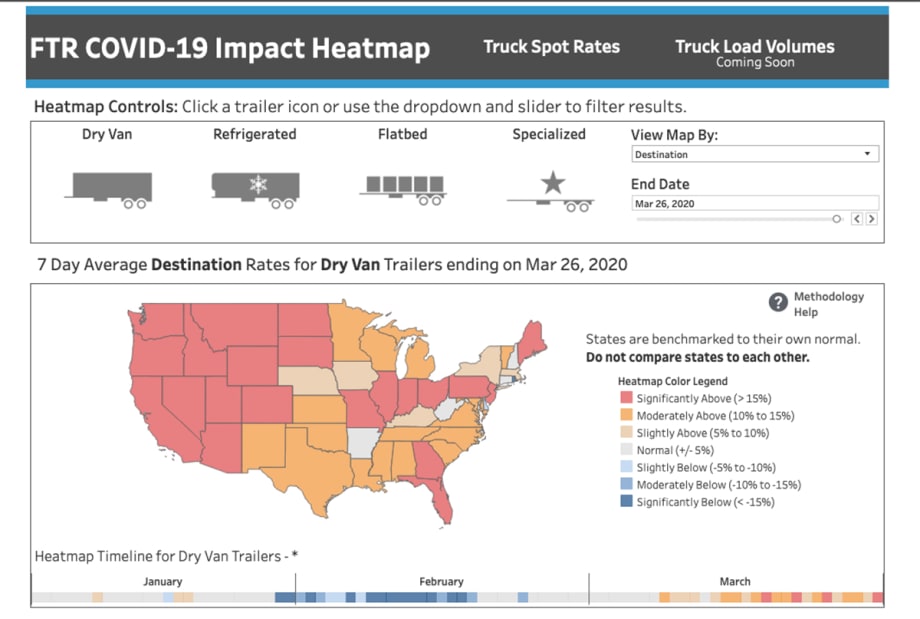
Image: FTR
2 min to read
FTR has released the COVID-19 Impact Heatmap, which assesses the state-level rate impacts by four trucking equipment types – dry van, refrigerated, flatbed, and specialized – using Truckstop.com spot market data.
Each combination of states and equipment type reflects rate trends for the states both as origins and destinations using the most recent seven days from the date selected. This publicly available map can be viewed now on the FTR website.
“Truck drivers and the companies that employ them are on the front lines of America’s response to the coronavirus crisis,” said Avery Vise, FTR vice president of trucking. “Trying to keep up with the myriad state and local restrictions and fluctuating conditions can be overwhelming, but as markets often do, truck spot rates naturally reflect these stresses. By showing how rates in individual states deviate from what FTR assesses to be the norm absent the COVID-19 crisis, we believe we are providing a valuable analytical tool to shippers, brokers, and carriers and even to those who simply want to understand how the crisis is affecting U.S. commerce.”
FTR’s analysis examines historical seasonal behavior regarding rates in each state and normalizes the data to represent how the trucking environment would look in a typical growth economy. By comparing that norm to the current rate environment, the industry can understand how COVID-19 is affecting rates on a state-by-state basis.
The data used to create the heatmaps compare the most recent seven days to the same seven days over the last five years. This data is then compared to the last month – January – during which COVID-19 had no significant impact on U.S. transportation. Because of inherent data variations, “normal” is defined as a range rather than a specific number. The maps’ color variations indicate the degree to which rates deviate – higher or lower – from that normal range over the most recent seven days. A slider function allows the user to change the snapshot for any date to provide a seven-day lookback for any date going back to early January. This feature provides insights into how the COVID-19 impacts have changed over time.
It is important to understand that the heatmaps reflect the status of a given state’s rates compared to its own normal range. It does not indicate anything about the relative level of actual spot rate levels among states.
Following this release, FTR is scheduled to develop additional dashboards to provide greater visibility into how COVID-19 is affecting transportation. The next feature to be added to this map will show truck load volumes.
More Fleet Management
Can You Beat Our Trucking Trivia Challenge?
Test your truck knowledge with 19 trivia questions from Heavy Duty Trucking Exchange. Can you keep up with the fleet pros?
Read More →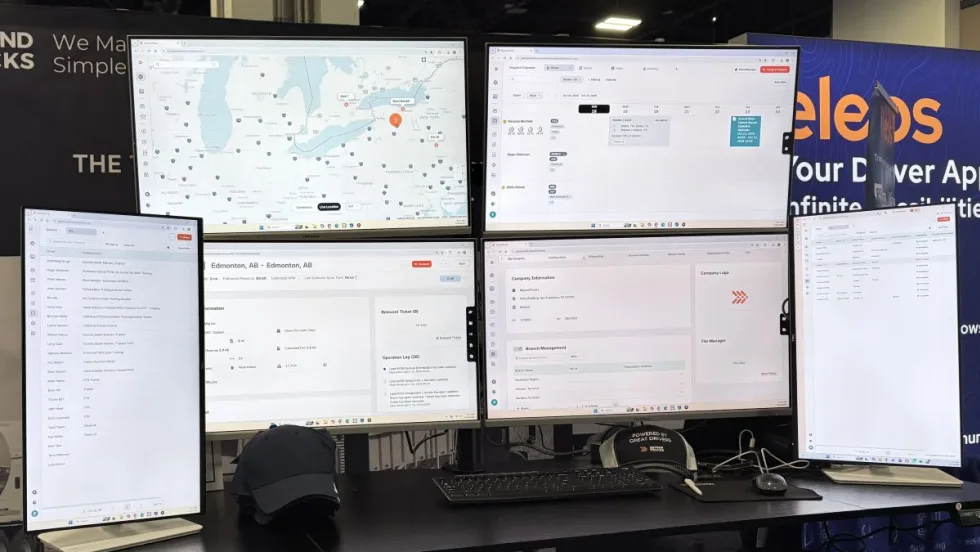
BeyondTrucks Adds Rules Checks to Dispatch
New Compatibility Engine checks driver qualifications, equipment requirements and fleet policies before loads are dispatched.
Read More →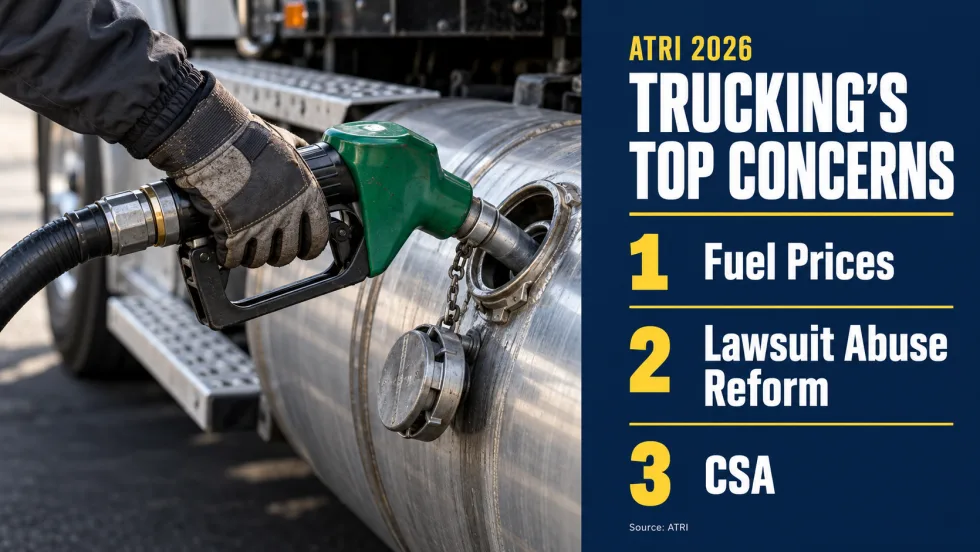
Diesel Prices Hijack Trucking’s Worry List
ATRI’s annual survey finds cautious optimism about freight, but diesel costs, litigation, and insurance continue to squeeze fleets. Drivers have different priorities on several issues.
Read More →
Nomination Deadline Extended for HDT Emerging Leaders
Just a few more days to nominate accomplished trucking fleet professionals under 40 who are making an impact and helping lead the industry forward for the HDT Emerging Leaders award. Deadline extended to October 20!
Read More →
What Will ATA’s New Leader Bring to Trucking's Table?
Incoming President and CEO Mark Colson’s record in Alabama offers clues about his priorities and approach following Chris Spear’s abrupt departure as the head of the American Trucking Associations.
Read More →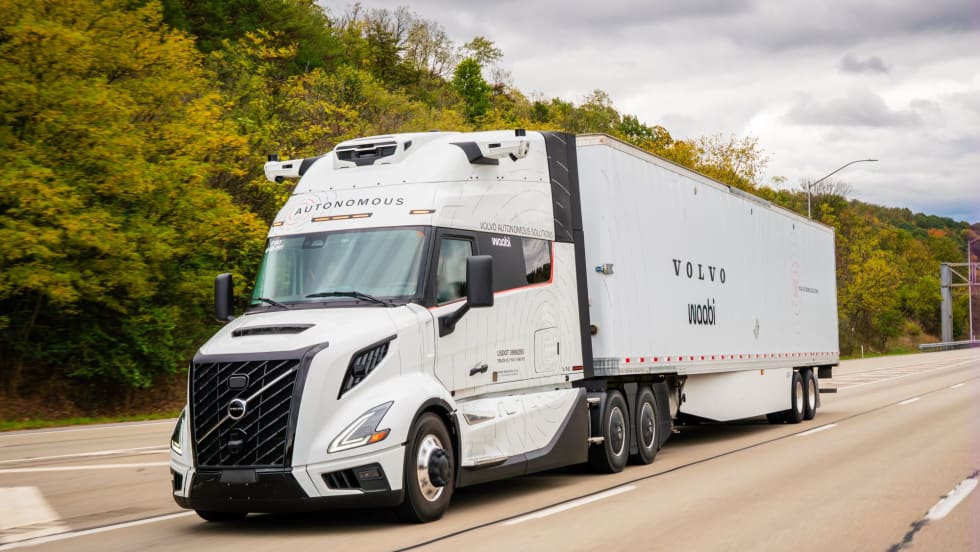
Volvo, Waabi Start Commercial Autonomous Operations in Texas
Volvo VNL Autonomous trucks, powered by the Waabi Driver, are hauling freight directly to third-party facilities for a customer in Texas.
Read More →
Samsara Launches Custom AI Agent Builder
Agent Studio lets fleets create AI tools for hours-of-service monitoring, reporting and driver support, including agents that communicate by phone.
Read More →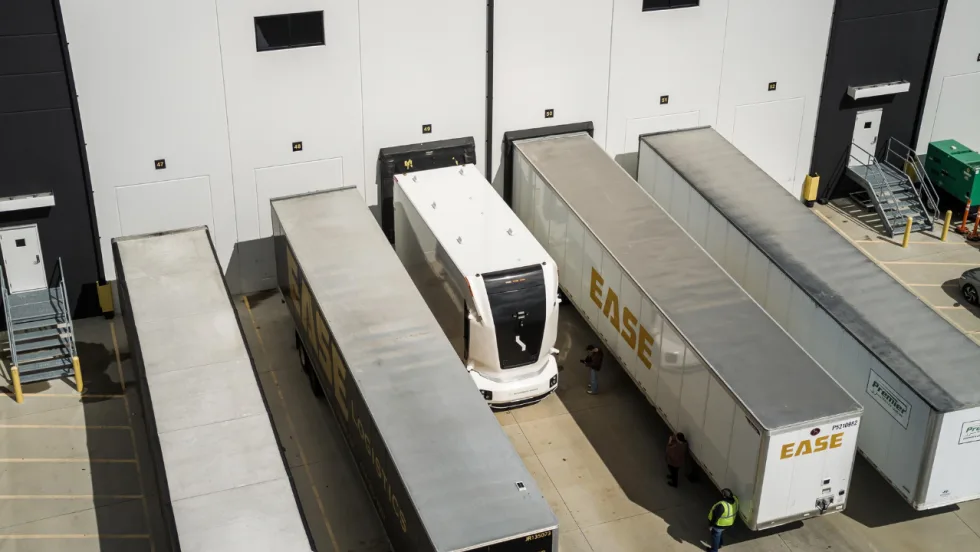
Einride Driverless Electric Trucks Begin Daily Freight Operations in Ohio
Two cabless electric trucks are hauling freight between EASE Logistics facilities in Marysville, Ohio, as part of a multi-state truck automation project.
Read More →
Geotab Links Fleet Card to Vehicle Data
The new card combines fuel discounts with telematics-based purchase controls. Geotab’s analysis also points to potential savings from choosing lower-priced fuel stops.
Read More →
How MFA Helps Protect Trucking Fleets
Multi-factor authentication adds protection when passwords are stolen. Here’s how it works and where fleets should start.
Read More →