





Related: DOT Preempts California Meal and Rest Break Rules, Citing Impact on Interstate Commerce
California Meal and Rest Break Suit Dismissed on Basis of FMCSA Preemption Stance
A federal court has determined it lacks jurisdiction to rule on a class-action suit brought against U.S. Xpress that alleges the motor carrier violated California's rules governing meal and rest breaks for commercial vehicle drivers.
May 7, 2019

Court ruling was not on the merits of the lawsuit, but on the basis of whether the court had jurisdiction.
Photo: FMCSA
2 min to read
A federal district court in California has determined that it lacks jurisdiction to rule on a class-action suit brought against U.S. Xpress that alleges the motor carrier violated State of California rules governing meal and rest breaks for commercial vehicle drivers.
Since FMCSA declared on December 21, 2018, that federal law pertaining to interstate commerce preempts state regulations, such as California’s distinct meal and rest break rules, the court determined it did not have the authority to rule on the plaintiffs’ claims.
The U.S. Central District of California (9th Cir.) on May 3 entered an order dismissing the meal and rest break claims of the plaintiff and absent class, presented in Ayala v. U.S. Xpress Enterprises, Inc. et al., based on the decision late last year by the Federal Motor Carrier Administration to preempt the state’s meal and rest break rules as they apply to drivers operating in interstate commerce, according to the defendant’s law firm, Scopelitis, Garvin, Light, Hanson & Feary, PC.
FMCSA's preemption action, approved by Secretary of Transportation Elaine Chao, came “in response to widespread concern from drivers, concerned citizens, and industry stakeholders. In 1996, the agency noted, Congress preempted states from enacting or enforcing policies “related to a price, route, or service of any motor carrier.”
At the time, the Department of Transportation stated that it had determined that California’s law is “incompatible with federal regulations and causes a disruption in interstate commerce. In addition, the confusing and conflicting requirements are overly burdensome for drivers and reduce productivity, increasing costs for consumers. Additionally, safety issues have likely resulted from the lack of adequate parking solutions for trucks in the state.”
“There have been four different appeals filed with the 9th Circuit challenging the FMCSA’s decision [on preemption,” the law firm noted in a news release. “The district court explicitly conditioned the dismissal on the plaintiff’s right to seek reconsideration should the 9th Circuit reverse or possibly stay the FMCSA’s decision on the appeal.”
“Despite the plaintiff’s challenges to the FMCSA’s decision, the district court reasoned that it lacked authority to make any determination regarding the merits of the FMCSA’s decision,” Scopelitis stated. “It could only enforce it.”
The law firm contended that this is “an important precedent for transportation companies facing meal and rest break claims in California. It provides a means to stop the litigation, including discovery on those claims, while the appeal is pending.
“It is important, however, to maintain California-compliant meal and rest break policies and practices for drivers working in California until the appeal is concluded,” Scopelitis cautioned.
More Drivers

New Independent Contractor Rule Gives Trucking More Clarity
The Labor Department is once again changing how it determines who's an independent contractor. This time, the rule includes specific examples addressing trucking safety requirements, CDLs, and lease-purchase agreements.

Sponsored•November 18, 2026
Catching Driver Fatigue is One Thing. What You Do Next Matters Just as Much
Fleets are getting better at detecting driver drowsiness. Few have figured out what should happen next, and that gap is where the real risk still lives.
133 ELDs Revoked as ATA Pushes Certification Reform
FMCSA just removed a record number of electronic logging devices from its registry. ATA says it's time to rethink how ELDs get approved in the first place.

CVSA Sets 2027 International Roadcheck Dates
The annual 72-hour truck inspection blitz will take place May 11–13 across North America. Here's what fleets can expect and what inspectors found during the 2026 event.

FDA Eases Path for Oral-Fluid Testing
Federal actions could advance oral-fluid drug testing for truck drivers, but lab certification delays and marijuana rescheduling questions remain.

Why Hiring Truck Drivers Is Getting Harder
Higher recruiting costs, a shrinking driver pool, and renewed pay competition are raising the stakes for fleets heading into 2027.
Roehl Offers Truck Drivers $10,000 Retention Incentive
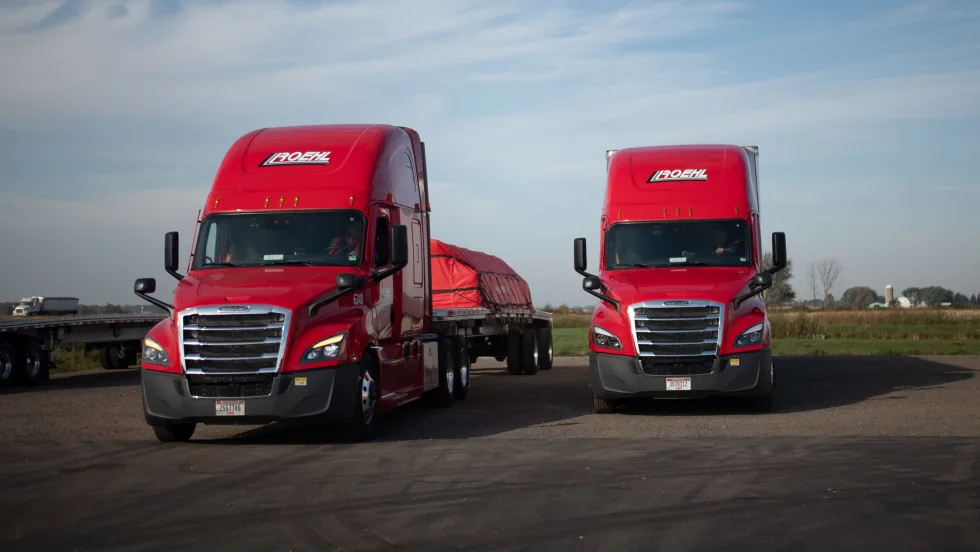
Payments begin after the first load and continue in mileage-based installments for eligible experienced drivers joining the fleet.
Platform Science Adds Dispatch and Safety Tools
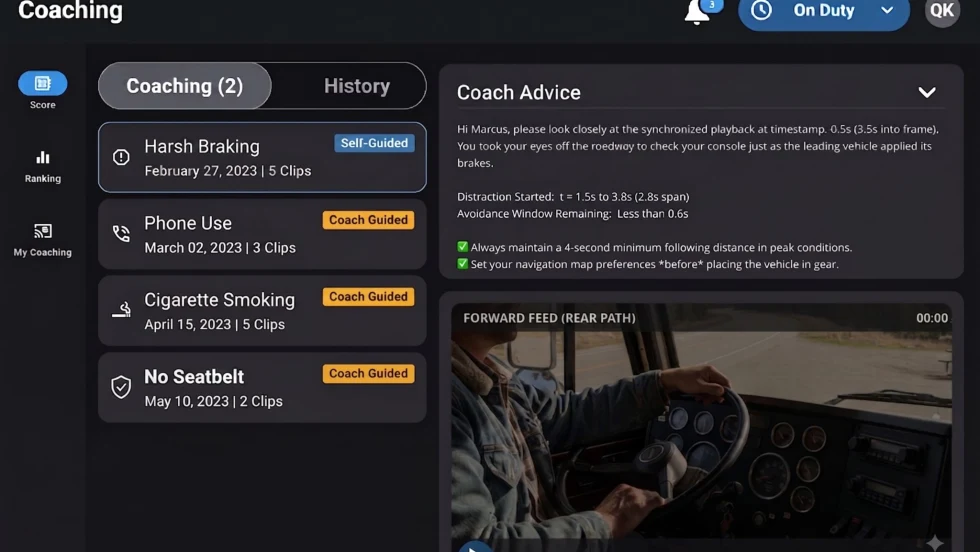
Four additions to PS Fleet help fleets monitor loads, manage driver coaching, share truck locations and adjust video system settings.
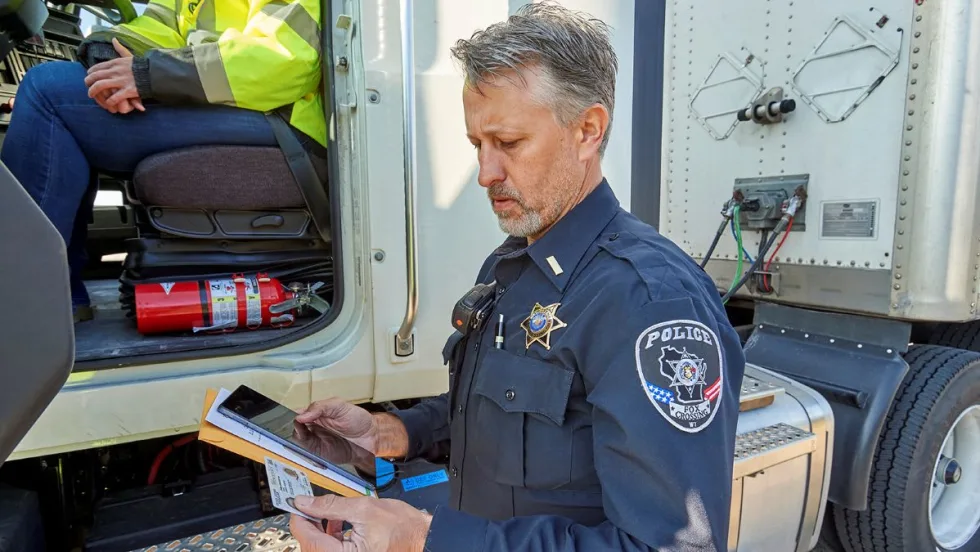
When Language Stops the Truck: The Return of ELP Out-of-Service Orders
English language proficiency rules for commercial drivers aren’t new, but renewed out-of-service enforcement has raised the stakes. Here’s what carriers need to know before a driver reaches a roadside inspection.

Samsara Launches Custom AI Agent Builder
Agent Studio lets fleets create AI tools for hours-of-service monitoring, reporting and driver support, including agents that communicate by phone.