




Coalition of Trade Groups Throw Support Behind Younger Truck Driver Bill
A coalition of nearly 70 trade organizations has sent a letter to Congress in support of a bipartisan bill that would allow drivers as young as 18 to drive heavy-duty trucks in interstate commerce.


A coalition of nearly 70 trade organizations has sent a letter to Congress in support of a bipartisan bill that would allow drivers as young as 18 to drive heavy-duty trucks in interstate commerce.
Photo: File
A coalition of nearly 70 trade organizations has sent a letter to Congress in support of a bipartisan bill that would allow drivers as young as 18 to drive heavy-duty trucks in interstate commerce.
The Developing Responsible Individuals for a Vibrant Economy (DRIVE-Safe) Act was reintroduced to the U.S. Senate and House of Representatives in February and is aimed at changing federal law to allow CDL holders under the age of 21 to participate in interstate trucking. While all 48 states in the continental U.S. currently allow 18-year-olds to obtain a CDL, until federal law is changed, they cannot drive a truck across state lines until they are 21.
The coalition of nearly 70 trucking industry groups supporting the DRIVE-Safe Act includes the International Foodservice Distributors Association (IFDA), American Trucking Associations (ATA), National Restaurant Association (NRA), National Retail Federation (NRF), the National Association of Manufacturers (NAM), the American Beverage Association (ABA), and UPS.
In the letter, the coalition wrote in support of the DRIVE-Safe Act saying that it would provide a boost in available truck drivers that are badly needed in many sectors of the industry.
“According to a recent estimate, the nation needs an additional 50,000 truck drivers immediately, a shortage that is expected to grow to more than 174,000 by 2026. In many supply chains, companies are being forced to increase prices to account for higher transportation costs. This will ultimately result in higher prices for consumers on everything from electronics to food,” the letter stated.
The groups also touted the safety measures included in the bill which would would require younger drivers to participate in an apprenticeship program. The program requires drivers to be accompanied by experienced drivers for a total of 400 hours of on-duty time with at least 240 hours of driving time.
It also requires the apprentice drivers to use trucks that have been outfitted with the latest safety technologies including active braking collision mitigation systems, forward-facing event recording cameras, speed limiters set at 65 miles per hour or less and automatic or automatic manual transmissions.
“The DRIVE-Safe Act will help our nation’s freight continue to move while preserving the safety of our highway system. It will help fill desperately needed jobs and provide younger Americans with the opportunity to enter a profession where they can earn an average of $53,000 with full benefits. We look forward to working with you to enact this important legislation,” the letter stated.
The full letter is available to read online here.
Not everyone in the trucking industry is in support of the DRIVE-Safe Act. The Owner-Operator Independent Drivers Association reiterated its stance against the change with its own letter to Congress.
In it, the group stated that it believes that bringing in younger drivers would not only be less safe, but also negatively affect driver wages and working conditions - and possibly open the young drivers up to predatory practices.
OOIDA also stated that it would fail to address the real problem with trucking, according to the group, which is high turnover at large fleets. "Without addressing the underlying circumstances that have led to excessive churn, we anticipate turnover rates will remain precariously high or even increase – no matter the age of the driver,” OOIDA said it its letter.
More Drivers
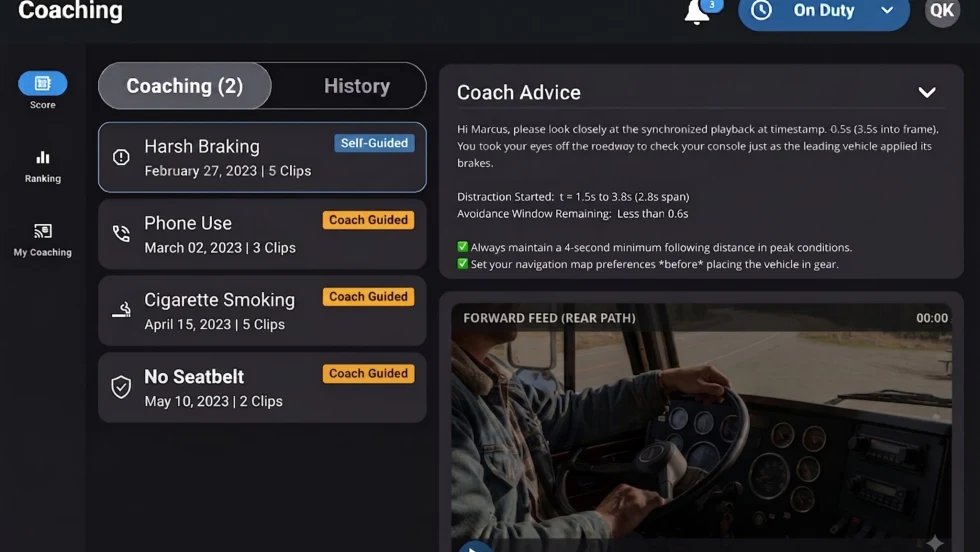
Platform Science Adds Dispatch and Safety Tools
Four additions to PS Fleet help fleets monitor loads, manage driver coaching, share truck locations and adjust video system settings.
Read More →
When Language Stops the Truck: The Return of ELP Out-of-Service Orders
English language proficiency rules for commercial drivers aren’t new, but renewed out-of-service enforcement has raised the stakes. Here’s what carriers need to know before a driver reaches a roadside inspection.
Read More →
Samsara Launches Custom AI Agent Builder
Agent Studio lets fleets create AI tools for hours-of-service monitoring, reporting and driver support, including agents that communicate by phone.
Read More →
Trucker Path Expands Reserved Parking Network
Trucker Path has added close to 6,000 more truck parking spaces to its Trucker Path Reserved Parking Network with the addition of Safe Truck Parking.
Read More →
EEOC Sues Texas Trucking Company Over Driver Age Limits
The agency says Trancasa USA rejected applicants over 65 and applied tougher driving-record standards to those over 60.
Read More →
Nussbaum, Roehl Announce Second Driver Pay Increase This Year
This year has seen a swath of major truck driver pay increases as freight capacity has tightened.
Read More →
From One Generation to the Next: How Mentorship Builds Safer Truck Drivers
After three decades in trucking, Harold Perry shares what he's learned about driver safety, mentorship, and helping the next generation build confidence behind the wheel.
Read More →
Truck Drivers Need More Than Another Alert
Fleets have more visibility into truck health, safety events, and driver activity than ever. The next challenge is turning all that information into useful guidance for the person who has to decide what to do next.
Read More →
FMCSA Removes 110 Truck Driver Training Schools from Certified ELDT List
Federal regulators also are targeting more than 160 additional training providers and launching a nationwide audit of third-party CDL skills testers as part of a broader crackdown on trucking fraud.
Read More →
Hours of Service Pilot Programs: FMCSA Readies for 2027 Rollout
Two pilot programs could eventually reshape hours-of-service rules, giving truck drivers options to pause their 14-hour clock or use longer split sleeper rest periods.
Read More →