





Related: Freightliner Says New Cascadia Has First Level 2 Automation in North America
AeroX Package Boosts Freightliner Cascadia Fuel Efficiency by 5%
With new aerodynamic options and upgrades, the New Cascadia tractor is now 35% more fuel-efficient than the first-generation Cascadia rolled out in 2007.
February 15, 2019
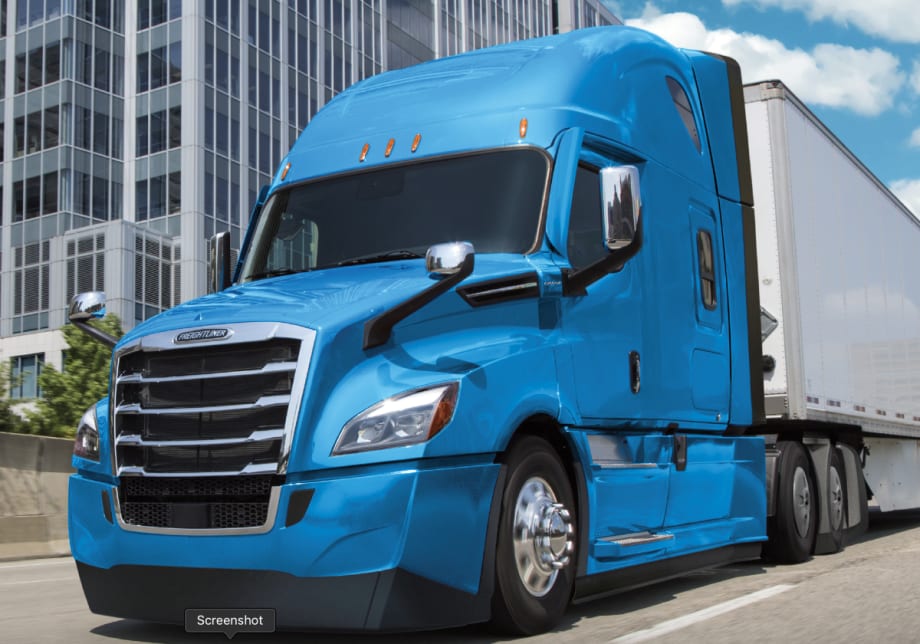
Freightliner’s 2020 model year New Cascadia is 5% more fuel efficient than the 2017 version of the truck. With the new aerodynamic options and upgrades, it's now 35% more fuel-efficient than the first-generation Cascadia, which was rolled out in 2007.
Photo: DTNA
3 min to read
When Daimler Trucks North America told the world last month at CES that it had taken the Freightliner New Cascadiato Level 2 autonomy, the announcement kind of overshadowed some of the more mundane upgrades to the truck, like a 5% fuel-efficiency improvement over the 2017 version of the New Cascadia. With its new aerodynamic options and upgrades, this latest model is 35% more fuel-efficient than the first-generation Cascadia rolled out in 2007.
DTNA is offering the Freightliner New Cascadia in a choice of three aero trim packages: Standard, Aero Package and AeroX Package.
The Standard aero trim package includes an optimally sloped hood and grille, a bumper with an integrated air deflector, aerodynamic mirrors, upper door seals, and integrated antennas. New to the standard package for model year 2020 are tow hook covers, which reduce the air entering the engine compartment from the front of the vehicle. As well, a new set of A-pillar deflectors help improve efficiency by managing air flow coming around the windshield while significantly reducing window soiling.
The next step up, the Aero Package, includes all the features in the Standard package as well as newly designed two-piece chassis fairings, which are 20 millimeters longer and sit closer to the ground to restrict air flow under the vehicle. The cab side extenders are now 20 inches long and include a gap seal between the back of the cab and the leading edge of the side extender. Previously there was a 1/4- to 3/8-inch gap there. This is designed to keep air out of the trailer gap area and moving more smoothly along the side of the truck. Rear wheel covers are also included in the new Aero Package for 2020.
The top of the line AeroX package includes all the content in the other two packages plus six additional new bits, which include:
Optimized low ground clearance bumper, that reduces ground clearance to just 4 inches
Optimized roof fairing deflectors are available on the 60- and 72-inch raised-roof sleepers with 24-inch side extenders. An additional fairing connects the two side extenders along the roof line of the cab and is intended to close the gap between the back edge of the cab roof and the leading edge of the trailer roof
Optimized drive-wheel fairings with an extended the lower valence and extended the trim behind the drive back wheel. The area between the center fairing and the bottom of the trailer is now taller
Front wheel well closeouts with flexible trim pieces around the front and rear edges of the wheel well to reduce the space between the front tires and the vehicle
Aerodynamic height control lowers the air suspension on the steer and drive axles by about one inch when the vehicle speed exceeds 55 mph. It further reduces the air flow under the vehicle while lowering the overall frontal profile of the truck
Michelin X Line Energy D+ tires are available exclusively on the New Cascadia for the next 16 months. The tires are said to rolling resistance in 6x4 applications to improve fuel efficiency
"These new aero enhancements are all about moving air more efficiently around or over the vehicle rather than under or through it," said Clint LePreze, Freightliner's on highway marketing manager. "We are closing all the little gaps that individually might not seem like a lot, but you close up a bunch of small things and they you add up to quite a bit."
More Fuel Smarts

EPA Proposal Could Ease 2027 Truck Costs and Buying Uncertainty
The proposal doesn't change the tougher NOx standard, but it would revise key implementation requirements that manufacturers say have driven up costs and complicated fleet purchasing decisions.
Read More →
Cummins, Paccar Ease DEF Derates After EPA Guidance
Updated diesel engine software gives truck operators more time to address emissions-system issues while staying compliant with EPA emissions standards.
Read More →
Maintenance in the Messy Middle Part 3: Biodiesel
Biodiesel can reduce emissions, improve fuel-system lubricity and use existing diesel infrastructure. But NACFE’s Messy Middle maintenance report says fleets must actively manage storage, cold-weather operation, filters and oil drain intervals to avoid problems.
Read More →
Sponsored•July 1, 2026
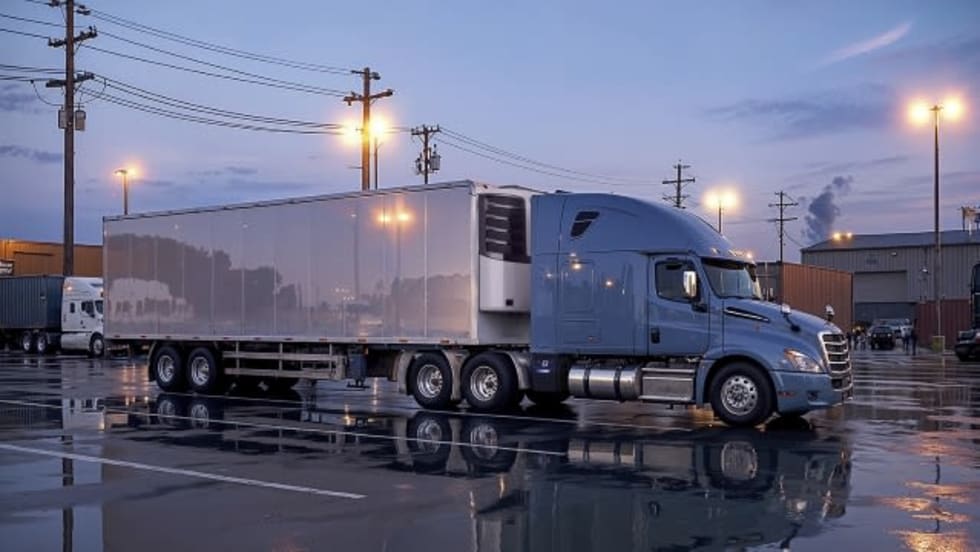
Enhance Fleet Performance with High-Efficiency Auxiliary Power Units
Drive sustainable cost savings while increasing driver comfort during short- and long-haul logistics operations.
Read More →
Maintenance in the ‘Messy Middle’ Part 2: Renewable Diesel Fuel
NACFE's latest Messy Middle Powertrain Service & Maintenance report says renewable diesel gives fleets an opportunity to reduce carbon emissions without changing trucks, fueling infrastructure or maintenance practices. But technicians still need to understand several important operational differences.
Read More →
The Diesel Engine Enters NACFE’s ‘Messy Middle’
NACFE’s new Messy Middle Powertrain Service & Maintenance report says keeping modern diesel engines running now depends as much on software, diagnostics and data as traditional mechanical service.
Read More →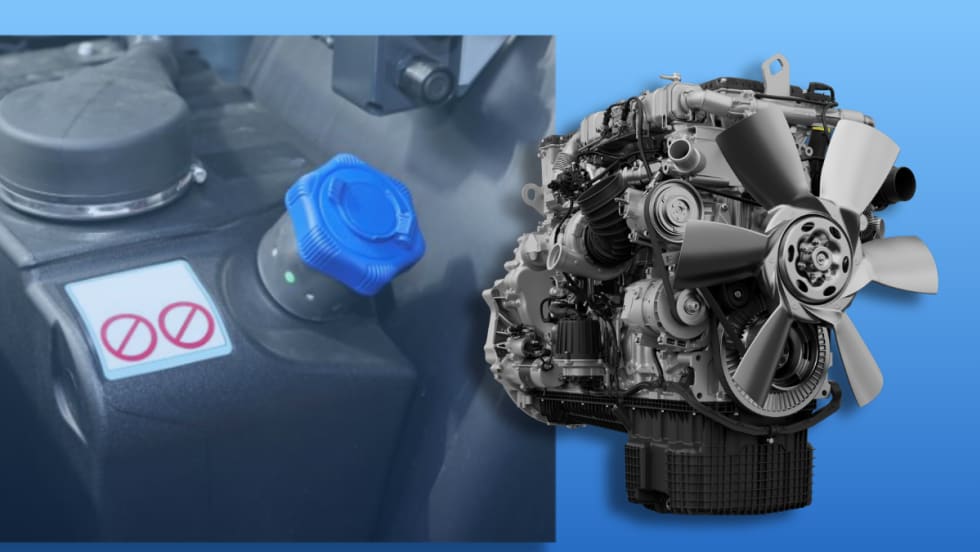
DTNA Software Update Gives Truckers More Time Before DEF Derates Take Effect
The changes reflect EPA guidance aimed at reducing downtime caused by emissions-system faults while maintaining compliance requirements.
Read More →
New Agentic Predictive Maintenance Report Demonstrates How Degraded Aftertreatment Systems Waste Fuel
Questar analyzed a large mixed-class fleet and discovered it was wasting as much as $30 in fuel per vehicle, per day, because of mechanically degraded aftertreatment systems.
Read More →
New York City's Microhub Project is Delivering Results
Trucking, last-mile delivery companies, and environmental advocates like what they are seeing so far with New York's microhub program.
Read More →
Lessons Learned About Alternative Fuels: Start Small, Stay Flexible
Practical advice on adopting alternative fuels and ZEVs from HDT's 2026 Top Green Fleets, from renewable diesel and natural gas to electric trucks.
Read More →