




Commentary: A Three-Pronged Approach to Technician Retention
A decent place to work, modern technology tools, and a path for professional growth are three necessary parts of finding and retaining truck technicians.


A decent place to work, modern technology tools, and a path for professional growth are three necessary parts of finding and retaining truck technicians.
Photo: Steven Martinez
The more modern and friendly we can make our shop operations to attract young people into our vocation, the better off we are,” says Dwayne Haug, principal owner of DOH Consulting.
A shop that you “would be proud to bring your spouse to,” is the way Lew Flowers, president of Flowers Fleet Service, describes it.
Fleet consultants see the condition of the shop as one key component in attracting and retaining technicians. It’s important to remember that fleets are not just competing with each other for techs; they also are competing with other industries that need technicians.
“[Fleets] are going to have to make life more pleasant, more professionally satisfying and make it easier for technicians to do their jobs if they want to keep them around,” says Jack Legler, technical director at the Technology & Maintenance Council of the American Trucking Associations.
Making a technician’s job easier means having current technology tools available for him or her to use when maintaining, diagnosing, and repairing. In fact, if a fleet wants to get young people to come to work for it, it better have invested in technology. The younger generation expects to have access to technology in the workplace. This can take the form of scan tools, laptops in the service bays, etc., but also could include things such as service management software that electronically tracks maintenance and repairs in real time. And it means being prepared for new developments on the horizon, such as augmented reality tools that will be coming down the pike soon, if Legler is correct in his assessment of where vehicle repair is headed.
The last piece of the hiring equation is providing professional satisfaction. Bruce Stockton, president of Stockton Solutions, says fleets need to develop career paths for their technicians.
“You have to have step levels of progress, not only from a compensation standpoint, but also from a challenges standpoint.” While there are some technicians who are content to do the same thing day after day, there are others who enjoy being challenged. As Stockton sees it, “A really great technician looks at an electric problem or a software problem as a real challenge and wants to learn from it.”
Stockton contends that even the smallest shop can develop career paths for its employees. A good place to start is to look at the repairs you are outsourcing. Determine what tools you would need to invest in to complete those repairs. Find out about training and educational opportunities you can send your technicians to so they can get the skills they need to successfully complete those repairs. Then slowly start bringing that work in house and allowing your technicians to handle it.
“This investment in your people shows them loyalty and helps them build trust, pride and professionalism.”
A decent place to work, modern technology tools, and a path for professional growth.
There is one overriding theme here, and that is how fleet management views its technicians. Stockton says all too often, technicians are treated like second-rate citizens and are not included in corporate-wide events. Fleet managers need to do a little self-reflection and ask themselves if they see technicians as an integral part of their team, or as a necessary evil.
If you want to keep your trucks on the road tomorrow, invest in your technicians today to make sure they see your shop as the place they want to be.
More Maintenance
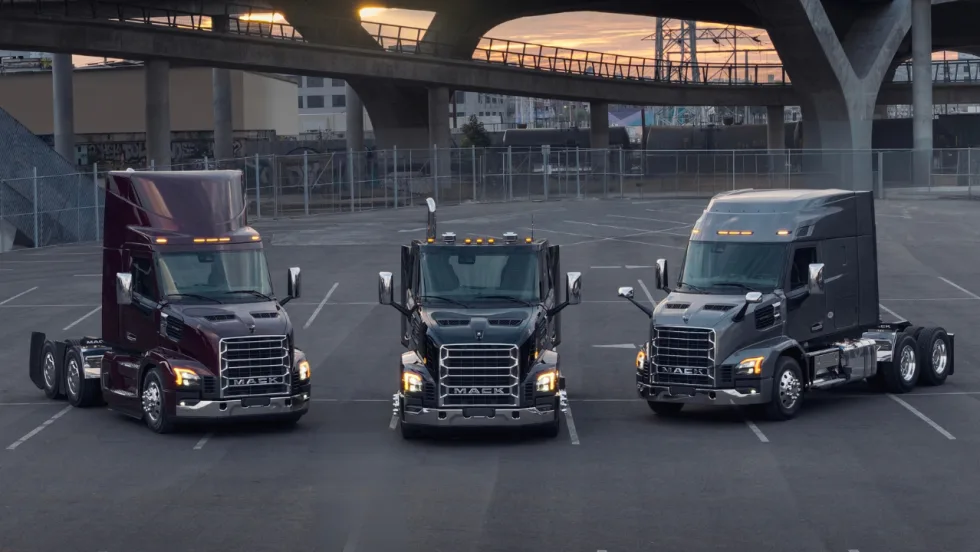
Mack Expands Extended Coverage With Four Chassis System Plans
Mack Trucks' new system-specific coverage options allow heavy-duty fleets to select protection for driveline, cab, HVAC, electronics, and advanced safety components.
Read More →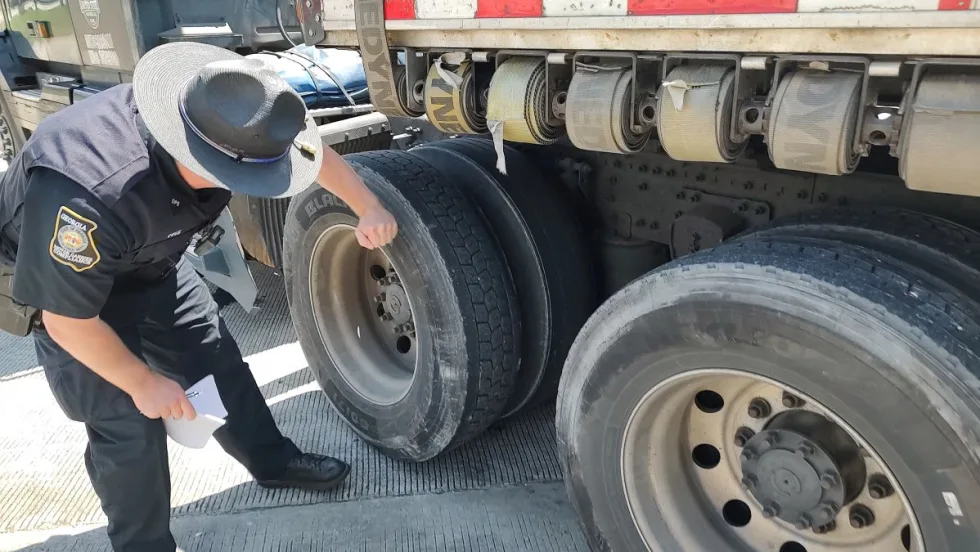
What an Out-of-Service Order Really Costs, and How to Plan for One
The repair invoice is the first number you see — and often one of the smallest. Here’s what else an out-of-service order can cost a fleet, and how planning can reduce the damage.
Read More →
International Launches Online Truck Parts Store
Fleetrite.com lets fleets and repair shops find OEM and all-makes parts, check prices and availability, and order without calling a parts counter.
Read More →

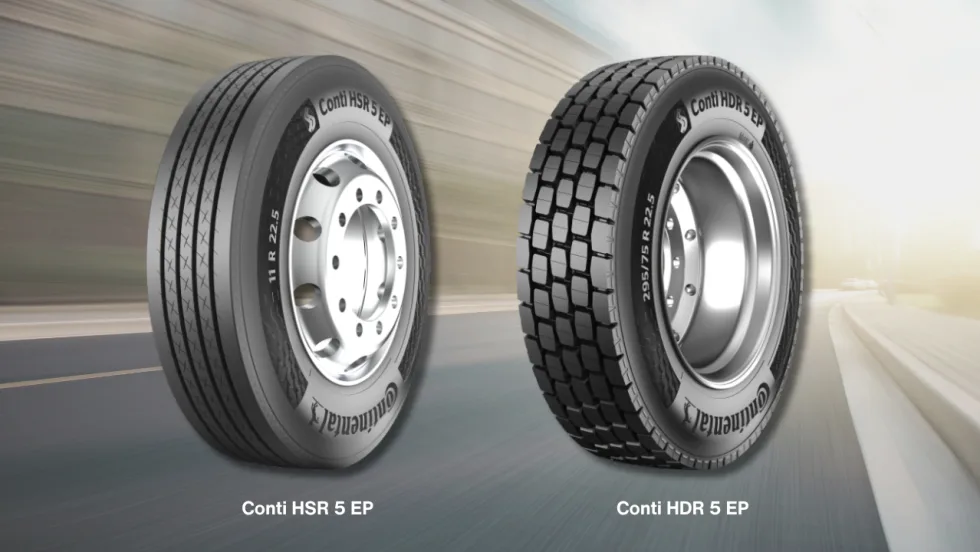
Continental Introduces New Regional Truck Tires
Continental says its new Generation 5 steer and drive tires for regional operations offer longer tread life, with estimated mileage gains of 22% and 19%, respectively.
Read More →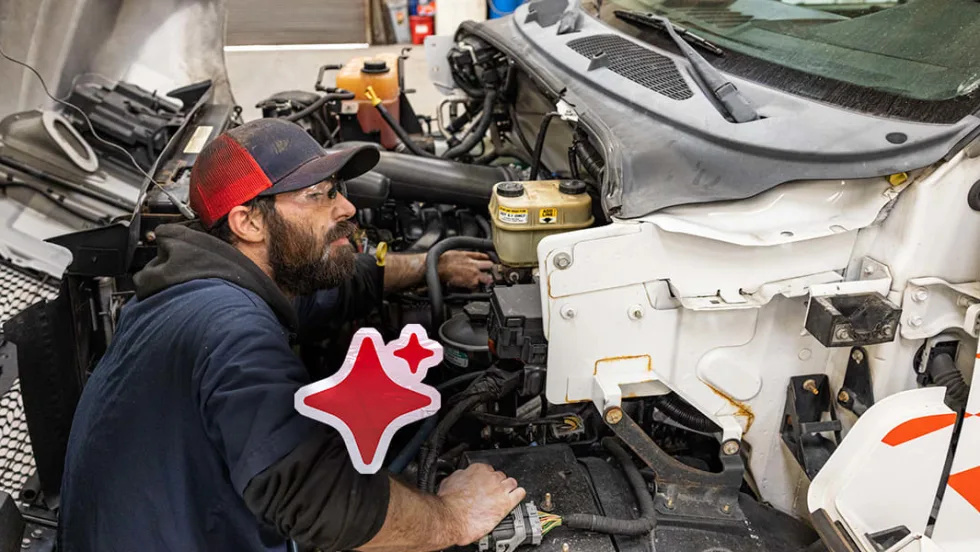
How AI Can Help Your Techs’ Efficiency
The technician shortage isn't going away, and no single fix can close the gap on its own. Trent Broberg makes the case that AI's real job in the shop is protecting the billable hours and job satisfaction of the techs you already have, not asking them to work faster.
Read More →
Color Match Smarter: Tools That Restore & Perform
For fleet managers and collision repair professionals keeping heavy-duty trucks on the road, getting the color right the first time isn't just about appearance — it's about efficiency, turnaround time, and bottom-line results. Discover how today's digital color tools are transforming the repair process from guesswork to precision.
Read More →
Wrong Repair Prompts Recall of Freightliner, Western Star 4x2 Trucks
DTNA is recalling more than 2,400 trucks that received an incompatible software fix instead of the hardware repair required to address brake valve corrosion.
Read More →
Truck Drivers Need More Than Another Alert
Fleets have more visibility into truck health, safety events, and driver activity than ever. The next challenge is turning all that information into useful guidance for the person who has to decide what to do next.
Read More →
The Maintenance Checks Trucking Fleets Should Prioritize Before Fall Freight Picks Up
Making it through August isn’t the same as being ready for the next several months of operation. Find out what systems may have suffered from summer heat and need to be checked out before fall.
Read More →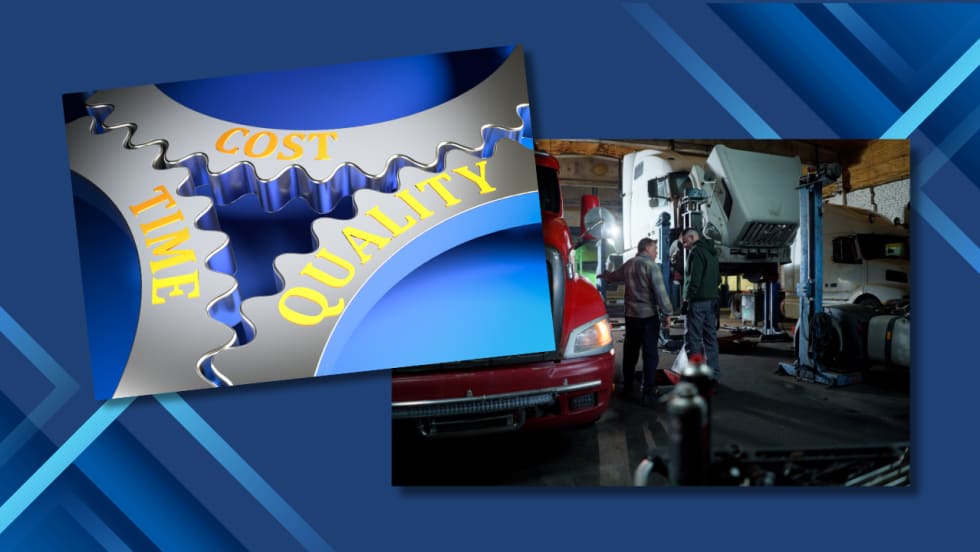
What Three Fleets Are Doing Differently When Buying Truck Parts in 2026
With freight improving but costs still climbing, fleet maintenance executives explain how they're balancing price, quality, and supplier relationships.
Read More →