




Related: Crude Oil, Fuel Prices on the Rise
Fleets Hit 7.28 MPG Average in Latest NACFE Efficiency Report
Fleets are benefiting from increased adoption of the latest fuel-saving technologies, but are still falling short of what is possible, according to a new report from the North American Council For Freight Efficiency.

Steven Martinez・Web Editor
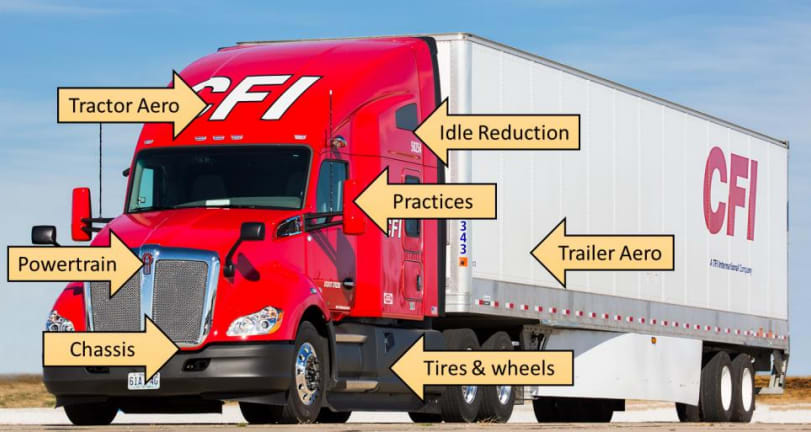
Fleets saw a 2% increase in fuel efficiency in NACFE's latest report thanks to increased adoption of the latest technologies.
Photo via NACFE
3 min to read
Fleets are benefiting from increased adoption of the latest fuel-saving technologies, but are still falling short of what is possible, according to a new report from the North American Council For Freight Efficiency.
In its latest Annual Fleet Fuel Study, NACFE found that the 20 fleets it surveyed posted a 2% increase in fuel economy from the year before, hitting an average of 7.28 mpg over the course of the year. The 20 fleets are a mix of large- and mid-sized fleets representing 72,000 Class 8 trucks in daycab and sleeper configurations.
This is significantly better than the average reported by the Federal Highway Administration’s most recent data for over-the-road tractors, which shows that fleets made up of older equipment have generally stalled at around 5.9 mpg since it began releasing data in 2007.
NACFE also charted a hypothetical “Business as Usual” prediction, charting what the group would expect these same surveyed fleets to achieve if they had not adopted any fuel-saving technology and only benefited from advances in engine efficiency improvements. These fleets were predicted to achieve 6.42 mpg in the same operating environment, nearly a mile per gallon less.
That gap between “Business as Usual” predictions and NACFE’s surveyed fleets offered savings that weren’t anything to sneeze at. The group said it amounts to $5,122 per year per truck at a $2.65 per gallon cost of with an average tractor mileage of 105,041. In total, NACFE projects that this difference accounts for savings of over $600 million compared to the average.
Compared with the FHWA baseline, savings increase to $8,864 per year per truck.
But despite the gains, NACFE still sees a gap between what these fleets could be achieving and what they are actually seeing. Last year, the group organized the Run on Less challenge, in which fleets placed their best drivers in trucks outfitted with the latest fuel-efficient equipment and managed to average 10.1 mpg in real world driving conditions.
While these results were achieved in an operating environment that placed a premium on fuel-efficient driving at all times, NACFE said fleets need to focus on a comprehensive look at what exactly works for their operations. Simply spec'ing the latest equipment won’t necessarily lead to maximum savings and depending on the typical driving applications, some equipment may be more useful than others.
Good drivers were also seen as a way to increase fuel mileage. While trucks are becoming more technologically advanced, with systems that can increase the efficiency of every driver, a good driver will still be able to get the best out of those systems. While experienced drivers in the past may have had a larger effect on fuel efficiency than they do now, a driver is still an extremely important aspect of it.
The full study goes into more detail on the 85 types of fuel-saving equipment used and even tracks what systems have dropped in adoption since 2016. The report is available for free on the NACFE website.
Corrected to indicate NACFE's Run on Less was last year, not earlier this year. We apologize for the error.
More Fuel Smarts

California Bill Could Shed Light on Electric Truck Prices
Why do battery-electric Class 8 trucks remain so expensive? A California bill headed to Gov. Gavin Newsom would give fleets and state agencies more visibility into what manufacturers charge.
Read More →
Detroit Opens Orders for EPA 2027 Engines
Detroit isn’t starting from scratch to meet EPA 2027 diesel emissions standards. Its Gen 6 DD13 and DD15 engines keep much of today’s platform while updating the fuel and aftertreatment systems.
Read More →
Zero-Emission Truck Corridor Planned for West Coast
California, Oregon, Washington, British Columbia and Baja California are coordinating plans for truck charging and hydrogen fueling from Canada to Mexico.
Read More →
A Closer Look at Kenworth’s Electric T880E Vocational Truck [Video]
Learn more about Kenworth's T880E battery-electric vocational truck at the Paccar Technical Center, including its range, applications, upfitting considerations, and PTO options, in this HDT Spotlight video.
Read More →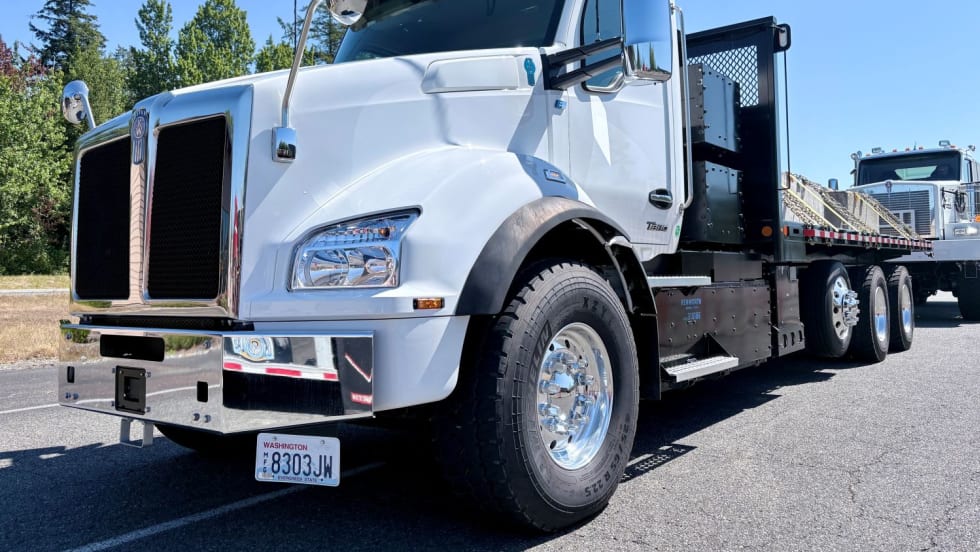
Kenworth T880E Brings EV Power to Vocational Trucks
A closer look at the Kenworth T880E’s range, charging, powertrain and upfit options — and where fleets are showing the most interest.
Read More →
Jennie Abarca Is Proving Electric Trucks Can Do the Job
HDT Truck Fleet Innovator Jennie Abarca is building confidence in fleet electrification one load at a time while openly sharing the challenges she encounters along the way as a small-fleet owner.
Read More →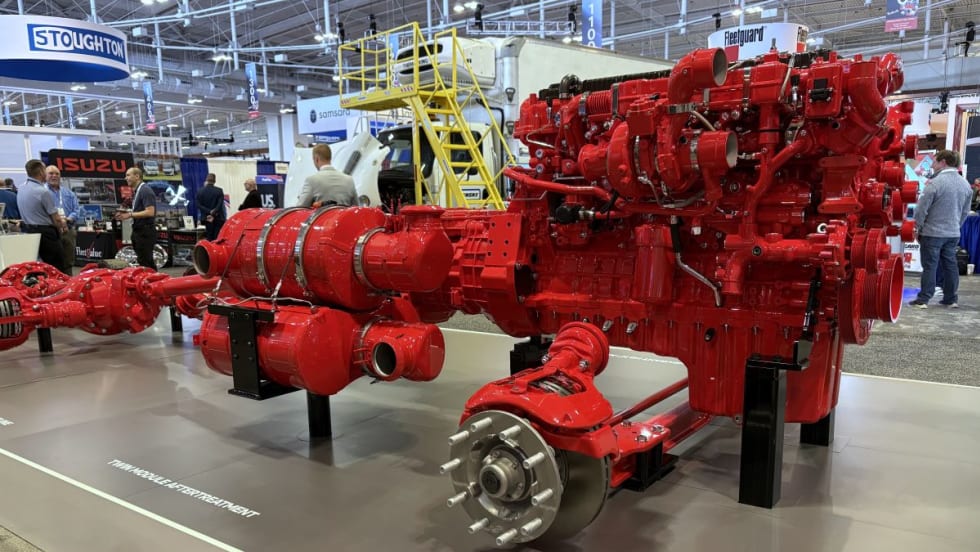
Cummins Adjusts 2027 Engine Rollout After EPA Proposal
The engine maker will gradually introduce its new Model Year 2027 diesel engines while continuing to offer current models during the transition, citing the EPA's proposed emissions rule changes.
Read More →
EPA Proposal Could Ease 2027 Truck Costs and Buying Uncertainty
The proposal doesn't change the tougher NOx standard, but it would revise key implementation requirements that manufacturers say have driven up costs and complicated fleet purchasing decisions.
Read More →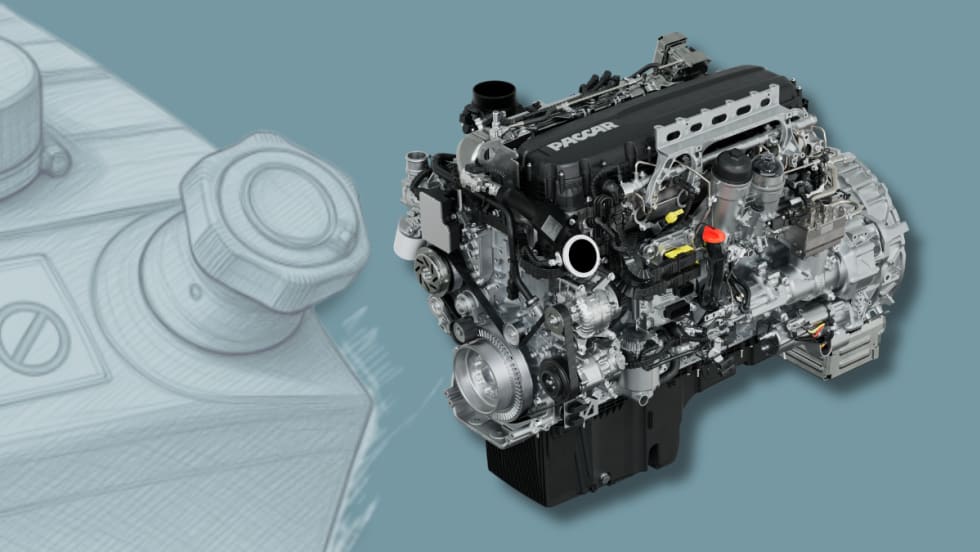
Cummins, Paccar Ease DEF Derates After EPA Guidance
Updated diesel engine software gives truck operators more time to address emissions-system issues while staying compliant with EPA emissions standards.
Read More →
Maintenance in the Messy Middle Part 3: Biodiesel
Biodiesel can reduce emissions, improve fuel-system lubricity and use existing diesel infrastructure. But NACFE’s Messy Middle maintenance report says fleets must actively manage storage, cold-weather operation, filters and oil drain intervals to avoid problems.
Read More →