





Related: Truck Driver Accepts Fault in Skagit Bridge Collapse
City Begins Installing High-Tech, Low-Clearance Warning
Visual warning to brighten attention on low bridge in Delaware, Ohio, reports Senior Contributing Editor Tom Berg.
August 14, 2018
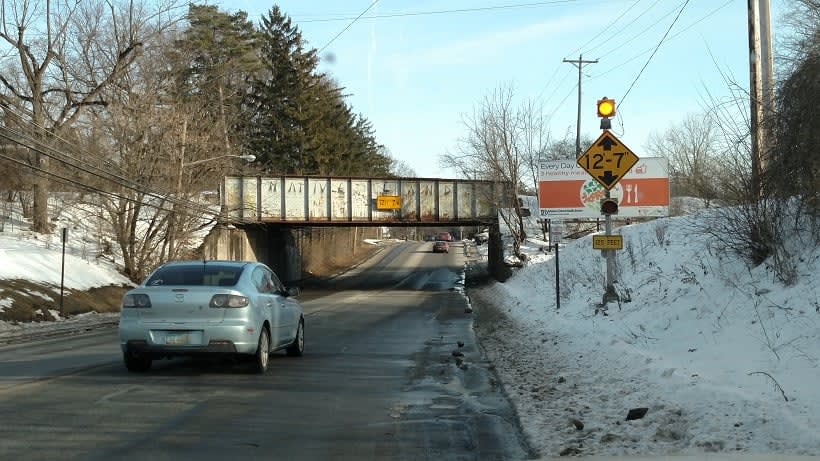
The low railroad bridge on West Central Avenue (State Route 37) in Delaware, Ohio, is getting a new laser-tripped warning system. But, would brighter LED lights on existing signs do the job as well?
Photo: Tom Berg
2 min to read
Tractor-trailer drivers passing through Delaware, Ohio, will soon have a better chance of avoiding a collision with that 12-foot, 7-inch railroad bridge that I’ve written about a couple of times. City spokesman Lee Yoakum announced that crews this week will begin setting the poles and signs on West Central Avenue for a new advance-warning system.
Numerous big rigs and a few straight trucks have smacked the bridge in recent years when drivers ignored Low Clearance warning signs posted east and west of the structure. Yoakum blames the drivers for lack of attention, and he’s not wrong, especially as drivers get close to the bridge. Jeez, don’t they see it? Evidently not.
But I think the existing warning signs along the route, most with flashing yellow lights, blend in too readily with other visual clutter along the roadway, which is State Route 37.
There are more modern high-powered LED lights, like those that mark pedestrian crossings on other streets. They really grab motorists’ eyes. Seems to me that just replacing the yellow flashers with the extra-bright LEDs would’ve done the job at less cost.
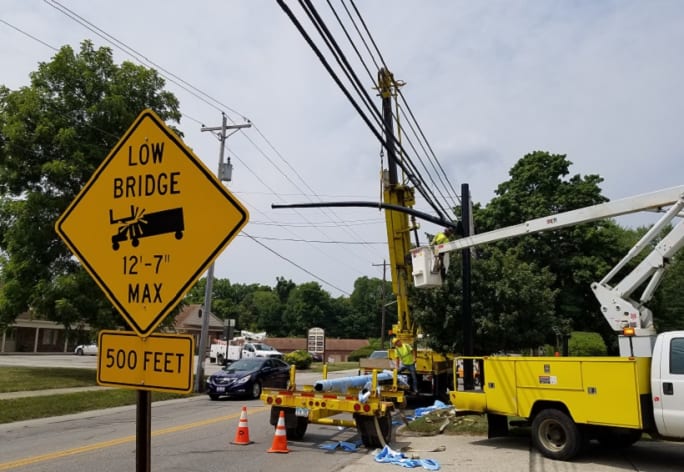
The installation site near the Delaware, Ohio bridge.
Photo: Lee Yoakum, City of Delaware
Yet the new system sounds neat. Yoakum’s release states, “Now, vehicles too tall [to pass under the bridge] will trip a laser beam, triggering a flashing message that will warn drivers to stop immediately, and flash a phone number for assistance getting turned around. This won't completely ‘solve’ the problem of truck drivers not paying attention, but it will help and will reduce the number of incidents.
“The City received $215,000 in funding through the state safety program for the project. Once the poles are set, a second crew will return in a week or two to wire everything and make it operational.”
When it’s done, I might take a pole over there and try to trip that laser beam just to watch the light show.

The warning system activates a warning sign if the truck is too tall.
Subscribe to Our Newsletter
More Blog Posts
Pulsing Back-of-Trailer Lamps Aim to Prevent Crashes
Can the addition of a pulsing brake lamp on the back of a trailer prevent rear-end collisions? FMCSA seems to think so, if its exemptions are any indication.
Read More →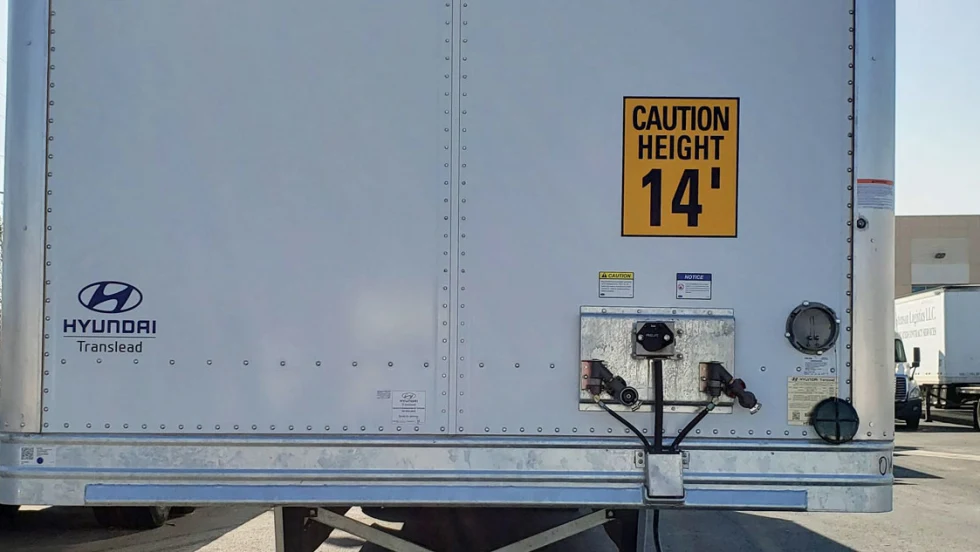
Designing a 14-Foot Trailer
Trailers are 13 feet, 6 inches high, right? Not for Hub Group, which developed a special 14-foot-high trailer spec for a dedicated customer based in California. Learn more in the Trailer Talk blog.
Read More →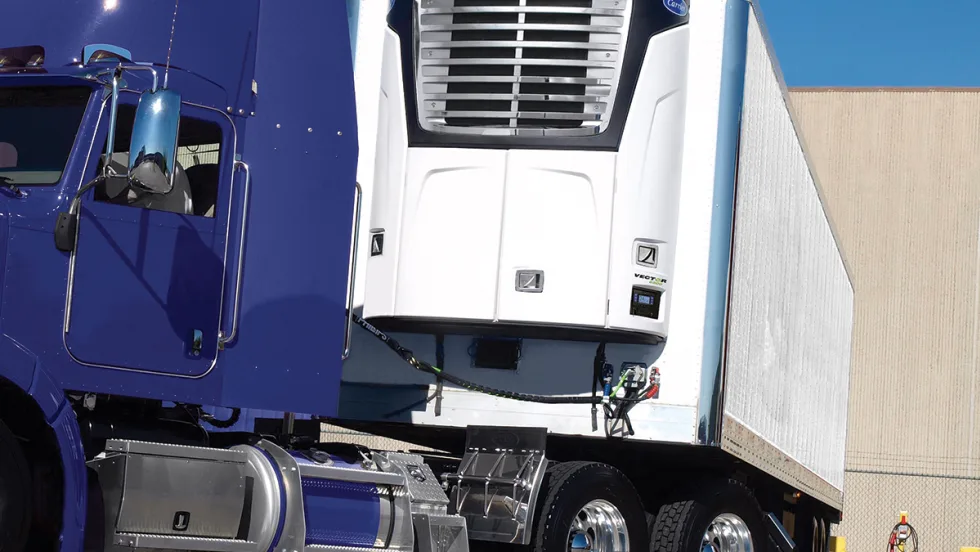
CARB Comes for Reefer Trailers
A new round of emissions control regulations decreed by the California Air Resource Board will begin affecting refrigerated trailer and TRU design and operations next year.
Read More →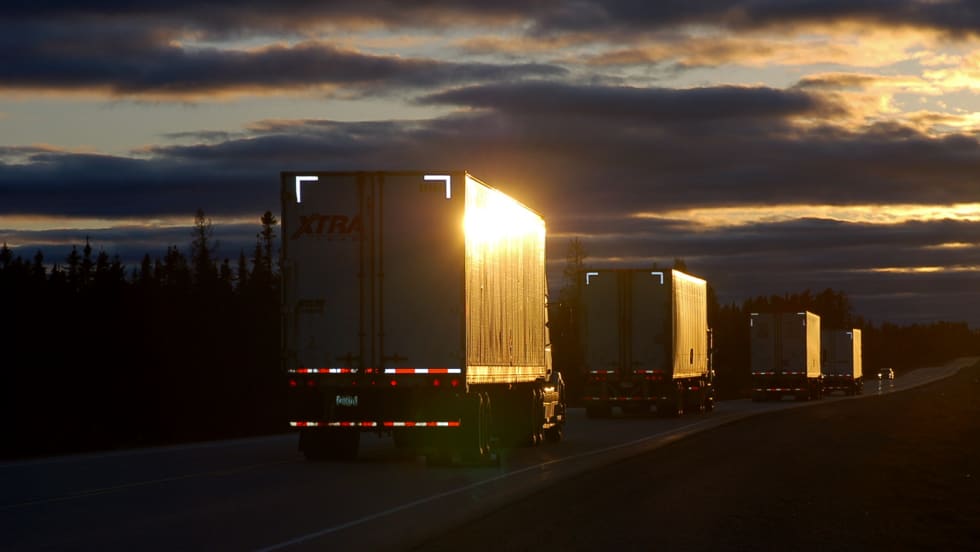
5 Ways Data Analysis Maximizes the Value of Trailer Telematics
Are you getting the most out of your trailer telematics investment?
Read More →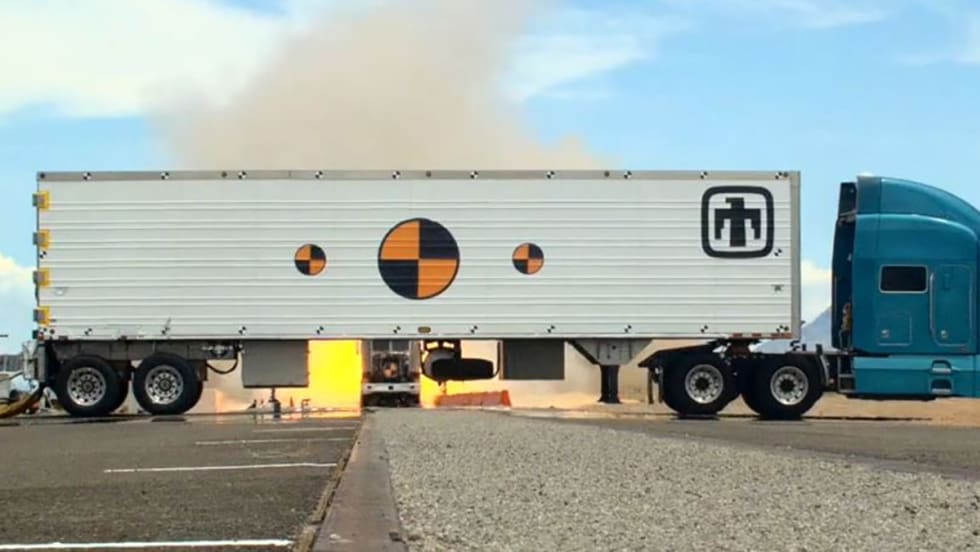
Can You Guess What's in That Trailer?
You don’t always know what’s in the trailers that pass you on the road. But some of those trailers are carrying something a little more dangerous that frozen food or new bedding…like, maybe, a nuclear weapon. But this isn’t an ordinary trailer; this is a trailer specifically made to not only carry this type of payload, but protect it at all costs.
Read More →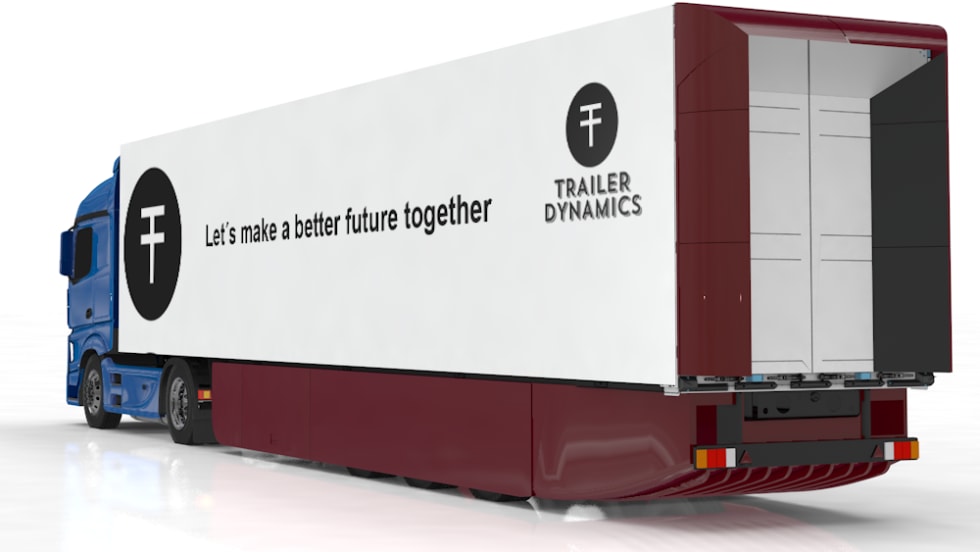
How Trailers Are Harnessing 'Free' Energy
Can trailers play a more active role in sustainable transport beyond aerodynamic add-ons or low-rolling-resistance tires? Some companies think so.
Read More →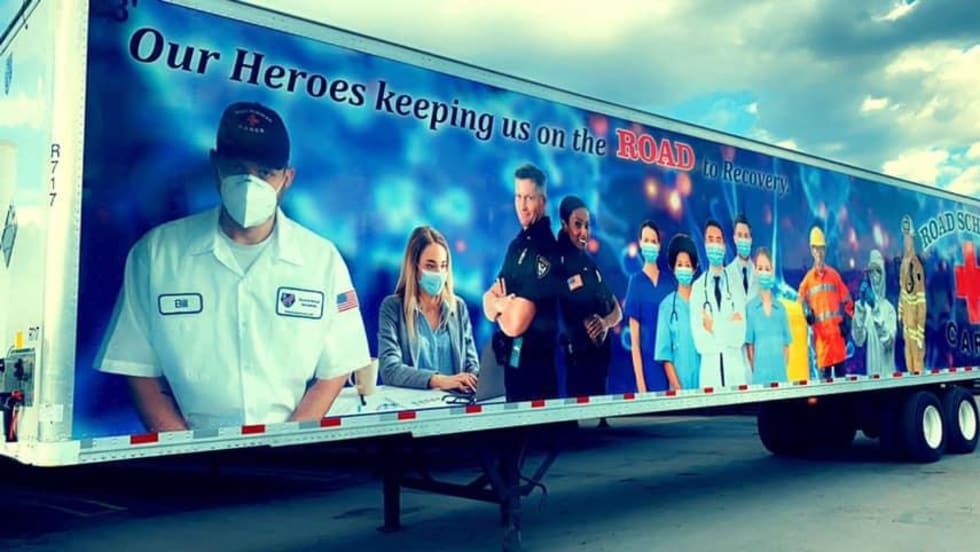
Wrapping a Trailer for COVID’s Everyday Heroes
“We don’t only deliver freight. We deliver awareness.” That’s what Jim Barrett, president and CEO of Road Scholar Transport, likes to say about the Dunmore, Pennsylvania-based carrier’s “awareness fleet.” Its latest trailer wrap honors the everyday heroes of the pandemic.
Read More →
How a Tanker Fleet is Using Unorthodox Trailer Lighting to Fight Rear-End Collisions
Groendyke Transport watched the number of rear-end collisions with its trailers rise steadily until it tried an unorthodox and then unapproved method of alerting following drivers that its trucks were applying brakes and slowing down.
Read More →
The Role Trailers are Playing in COVID-19 Funerals
In places such as New York City and Detroit, overwhelmed hospitals and mortuaries are using refrigerated trailers to store the bodies of people killed by COVID-19.
Read More →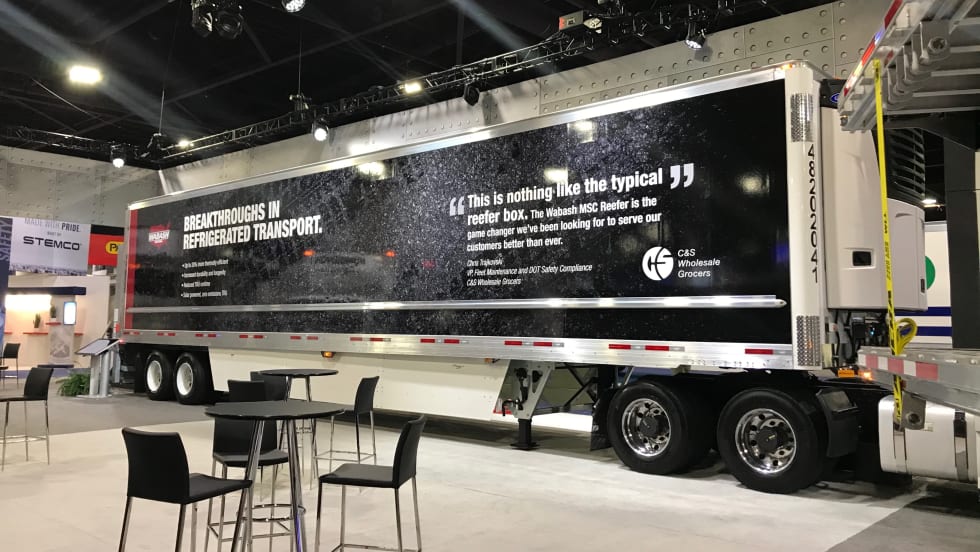
Reefer Trailer Aims to Help Reach Zero Emissions
Wabash National is partnering with C&S Wholesale Grocers to test a new type of zero-emissions refrigerated trailer.
Read More →