




States Invest VW Diesel Settlement in Clean Vehicle Technology
Millions of dollars in settlements from the VW diesel emissions cheating scandal will be made available for clean vehicle technology in California and Connecticut.

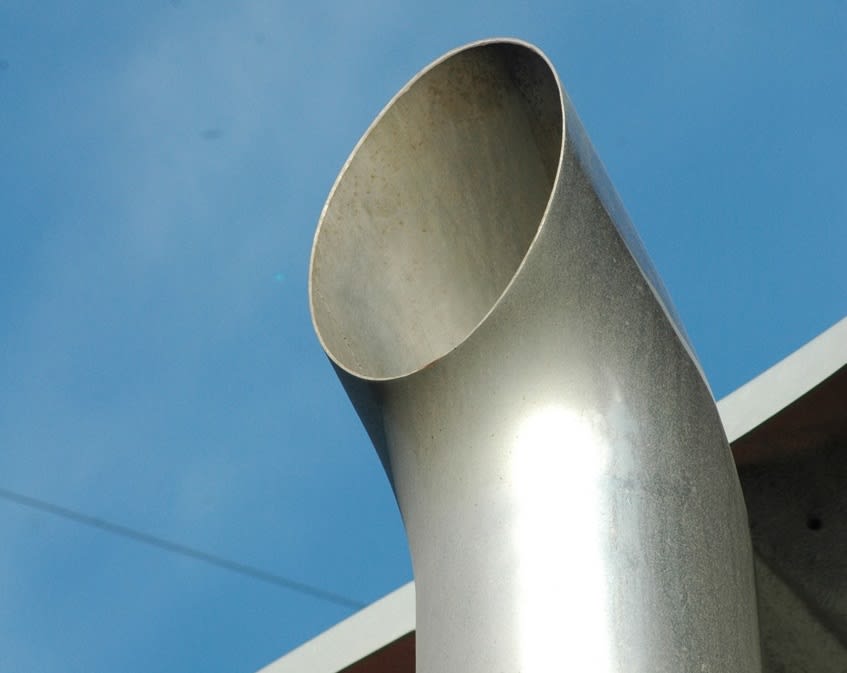
CARB has approved a plan to invest its $423 million settlement with Volkswagen over the diesel emissions cheating scandal in emissions reduction technology, at least $90 million of which will go to the heavy duty trucking sector.
Photo: Jim Park
Hundreds of millions of dollars in settlements from the VW diesel emissions cheating scandal will be made available for emissions reduction technology investment in California and Connecticut.
The California Air Resources Board has approved a plan to use the $423 million National VW Environmental Trust to invest in clean vehicle technologies with a large chunk of it aimed at the heavy-duty vehicle sector.
And Connecticut Gov. Dannel P. Malloy (D) announced that he was making $7.5 million from the VW settlement available for projects that would reduce NOx emissions in his state.
The $423 million National VW Environmental Trust Fund was the result of a partial settlement with Volkswagen and the State of California over the car manufacturer’s use of cheat devices that allowed its diesel-powered vehicles to pass emissions testing that violated the Clean Air Act. Volkswagen agreed to pay the U.S. a penalty of $1.45 billion for violating the CAA and also set up a $2.92 billion trust to go towards zero emissions vehicle infrastructure and technology.
CARB is allocating $90 million for zero emissions heavy-duty freight and drayage trucks and an additional $70 million for zero emissions port equipment and marine projects. The largest portion of the available funding, $120 million, will go towards zero emission public transit and school buses. California Senate Bill 92 required the state to use at least 35% of the Environmental Trust to benefit disadvantaged communities and the approved plan invests 50% of the available funds to those communities, according to CARB.
“This is a landmark moment in the saga of Volkswagen’s environmental violations,” said Mary D. Nichols CARB chair. “Over the next 10 years this plan will put in place not only tools to clean up VW’s excess emissions, but also to help achieve further reductions of smog-forming pollution for decades to come.”
Rather than divvying it up beforehand, Connecticut is making its $7.5 million settlement funding available through the state's Department of Energy and Environmental Protection for projects that would reduce NOx emissions. Application forms and guidance for the Diesel Emissions Mitigation Program are available on DEEP’s website. Project proposals must be submitted to DEEP by July 31.
“While it will be impossible to offset the entirety of pollution that resulted from VW’s emissions cheating, the release of these funds will help to improve air quality and protect public health in Connecticut,” said Gov. Malloy.
About 600,000 VW 2.0L and 3.0L diesel passenger vehicles sold in the U.S. were using the emissions test cheating software, of which 87,000 were sold in California. The illegal software was designed to operate emissions control equipment when a vehicle was being tested and then shut off when the cars were actually out on the road. An investigation determined that the altered vehicles emitted as much as 40 times the legal standard for NOx when the emissions equipment was switched off, according to CARB.
Related: CARB Fines Fleets for Hiring Trucks Not Meeting California Emissions Standards
More Fuel Smarts

How GP Transco Builds Fuel Savings a Fraction at a Time
Aerodynamic specs, solar panels, and driver incentives help GP Transco turn small efficiency gains into savings it can reinvest in its people.
Read More →
Trucking’s Diesel Squeeze Isn’t Letting Up
With diesel topping $6 a gallon nationally, ATA's Bob Costello explains why fleets should prepare for continued pressure at the pump.
Read More →
FlowBelow Redesigns Trailer AeroSlider to Cut Fuel Use
The lighter trailer aerodynamic system installs in less than 45 minutes, according to the company, with potential payback in under a year depending on fuel prices and trailer mileage.
Read More →
Why Diesel Price Relief Efforts May Fall Short
Diesel prices have eased from September’s record high, but doubts about additional Russian supply and limits on dyed-diesel tax relief mean trucking fleets still face expensive fuel. And prices could go higher.
Read More →
Why Small Fuel Savings Matter in Trucking
Can better fuel economy help pay for driver raises? In this podcast, GP Transco explains how small efficiency gains create room to reinvest in its people.
Read More →
How GP Transco Cuts Trucking Fuel Costs, a Tenth of a Gallon at a Time
What’s another tenth of a mile per gallon worth? GP Transco shares how equipment upgrades and driver coaching turn small gains into meaningful fuel savings.
Read More →
Electric Yard Tractors Move Beyond Pilots
Operating-cost savings have overtaken sustainability goals as the leading reason surveyed fleets are adopting battery-electric terminal tractors, according to new NACFE research.
Read More →
Geotab Links Fleet Card to Vehicle Data
The new card combines fuel discounts with telematics-based purchase controls. Geotab’s analysis also points to potential savings from choosing lower-priced fuel stops.
Read More →
Fleet Economics Shape Electric Truck Outlook
ACT Research expects costs, charging infrastructure, and technology improvements to drive zero-emission commercial vehicle adoption as federal regulations and incentives retreat.
Read More →
Wex Adds Cardless Fuel Payments for Over-the-Road Customers
A new fuel card feature for Wex customers offers convenience and security.
Read More →