





Related: Quick Spin – Driving With ZF’s Reax Electronic Steering System
Q&A: ZF's Emerging Technology Push Gains Steam
ZF has deep roots as a technology pioneer. In this exclusive HDT interview, Mitja Schulz, senior VP and general manager of commercial steering systems for ZF TRW, talks about how the company is serving both North American fleets and OEMs with a growing portfolio of advanced vehicle systems.
March 19, 2018

ZF is leveraging technologies from around the world to make commercial vehicles safer, Mitja Schulz said in an exclusive interview with HDT. Photo: Jack Roberts
5 min to read
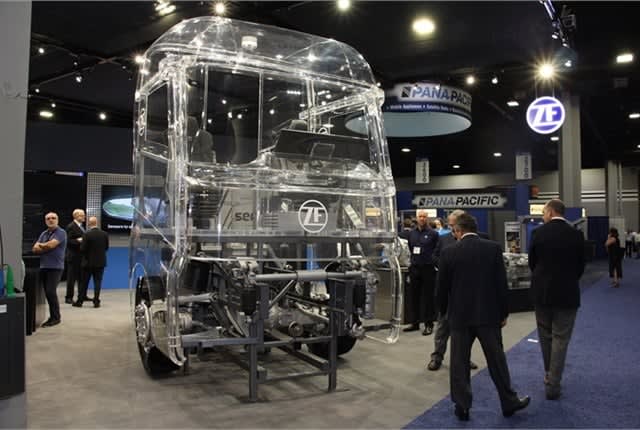
ZF is leveraging technologies from around the world to make commercial vehicles safer, Mitja Schulz said in an exclusive interview with HDT. Photo: Jack Roberts
In the world of top-tier suppliers for global automotive and commercial vehicle markets, ZF has been on the forefront of technological change since it was founded in 1915 to build airship transmissions. Today, in addition to its core competencies in transmissions, suspensions, steering systems, and virtually any established vehicle system you can name, ZF also has become a leader in emerging technologies such as vehicle-to-vehicle (V2V) communications, advanced safety systems, and autonomous vehicle technology.
In this exclusive HDT interview, Mitja Schulz, senior vice president and general manager, Commercial Steering Systems, ZF TRW, talks about the company's latest developments and their implications for the commercial vehicle market.
HDT: What would you like HDT readers to know about ZF?
Schulz: ZF is one of the largest suppliers of automotive and commercial vehicle products worldwide, with global revenues of over $40 billion. Our Commercial Vehicles division has revenues of over $4 billion, annually, although historically, ZF has had a much smaller share of the commercial vehicle market in North America.
HDT: But now it seems your presence in North America is growing.
Schulz: Yes. Two years ago, ZF acquired American automotive systems supplier TRW. And this acquisition provided us with a much larger commercial vehicle footprint here. TRW’s product lines also gave us the technology portfolio to complement the ZF intelligent mechanical systems, positioning ZF to be a leader in the key megatrends which are driving the market today.
HDT: How is ZF positioned to support these Megatrends?
Schulz: ZF is very well positioned to support customers in these three areas: automated/autonomous driving, e-mobility, and safety.
ZF is also uniquely positioned with the electronic sensor technology which came with the acquisition of TRW – this includes camera and radar systems which have long been available in the passenger car industry. These products have been making the transition to commercial vehicles in recent years. And today, we are working to accelerate the integration of these products and systems, and using our economies of scale in our passenger car business to help develop new products for trucks, economically manufacture them, and then ensure they are rugged enough to endure the environment and life cycle of commercial vehicles today.

Mitja Schulz, senior vice president and general manager, Commercial Steering Systems, ZF TRW. Photo: ZF
HDT: How would you characterize ZF’s approach to these emerging technologies and how they are deployed on commercial vehicles?
Schulz: In addition to our acquisition of TRW, ZF maintains partnerships with many other companies worldwide. Our internal slogan, “See – Think – Act,” guides us to create advanced driver assistance systems, or ADAS, that “see” the environment around a vehicle, then process any sensor data through safety and vehicle controllers that “think” about the safest curse of action to deal with driving conditions, and then provide the actuators with the instructions needed to "act" and respond accordingly. The result is a safer and more efficient vehicle and roadway for other motorists. Our global partners include well-known automotive suppliers such as Nvidia, Bai du, Hella, Faurecia, Ibeo automotive, doubleSlash, and Astyx.
HDT: How does ZF manage the integration of all these technologies from companies all around the globe into the historically diverse population of North American truck OEMs?
The North American commercial vehicle market is unique with manufacturers of all sizes, some aligned with major automotive companies and some which are smaller manufacturers targeting niche markets. To serve this market, ZF is very flexible in the way which our technologies are integrated into vehicles. You may see some suppliers which only offer their products as a bundle. We can work with OEMs to integrate our full suite of products, or just the products they require. At the same time, our size allows us to serves as a sort of remote research and development team for the emerging products and systems we specialize in. This minimizes the burden for the OEM to be an expert in all the systems, or to manage a manufacturing and supply chain for those systems and products.
HDT: What if an OEM has a proprietary system they would rather spec on their own vehicles?
Schulz: In that case, we are flexible enough to supply the components that can make that system perform to its full potential. Not all vehicle manufacturers are the same, and we know in a dynamic market we must be prepared to meet the needs of our customers big or small. In the end, the fleet customer/end user wants a system that helps him lower his running cost per mile, and these advanced safety technologies can do just that. So we always keep the customers’ needs foremost in mind.
HDT: Speaking of fleets, how is ZF now supporting fleet customers in North America?
Schulz: ZF actively works with fleets and vehicle operators to understand what their major constraints and issues are so so that we can ensure our products are developed in a way that helps to improve both operations and return on investment for any new technologies they spec. We do this by working actively with fleets in a variety of ways, including joint fleet teams, aftermarket support, offering a broad product portfolio, fleet product testing, technical training, fleet forums and product demonstrations.
HDT: I know from a recent visit to ZF’s TMW facility in Indiana that you are now working on new advanced steering systems for commercial vehicles. What is the value will these types of systems have for fleets in the near future?
Schulz: These ADAS and Reax advanced steering products will help to improve vehicle safety by giving drivers better control of their vehicles regardless of road conditions or when they are tired. Today, 38% of truck accidents in North America are due to unplanned lane departures – an accident rate even higher than the number of rear-end collisions in trucking today. As a result, North American fleets have been making greater investments in rear collision mitigation systems to improve safety and reduce operating costs through accident reduction. Our Reax Advanced Steering system, coupled with our cameras and radar algorithms of the ADAS system, presents a real opportunity for even greater safety and cost savings through additional accident reduction abilities for fleets. As a result, profitability is improved through greater safety and efficiency.
Subscribe to Our Newsletter
More Safety & Compliance

Kodiak Lines Up Fleets for Driverless Trucking
An agreement for 75 trucks, a new Texas freight lane, and progress on safety validation move Kodiak closer to its planned driverless highway launch.
Read More →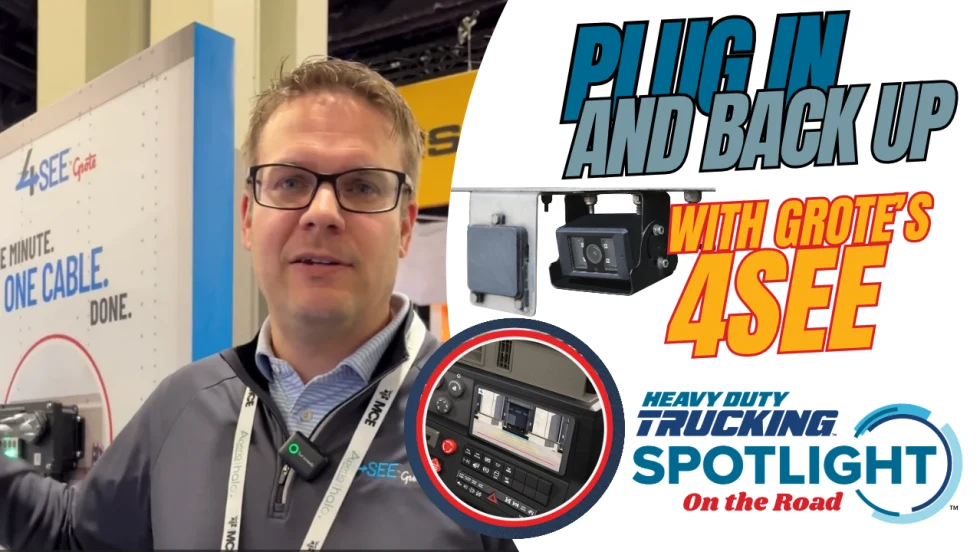
More Trailer Data Through the Same Seven-Way [Video]
Can trucking’s standard seven-way connector handle more cameras and trailer data? Grote’s Adam Slade shows HDT how the company is using new technology with its 4See trailer system, not only to add a new backup camera but also to expand other capabilities — without adding another connection.
Read More →
PrePass Intelligence Mines Fleet Bypass, Toll and Safety Data
PrePass Intelligence helps fleets measure bypass savings, flag potential toll overcharges, and spot suspicious transactions by combining data from separate systems.
Read More →
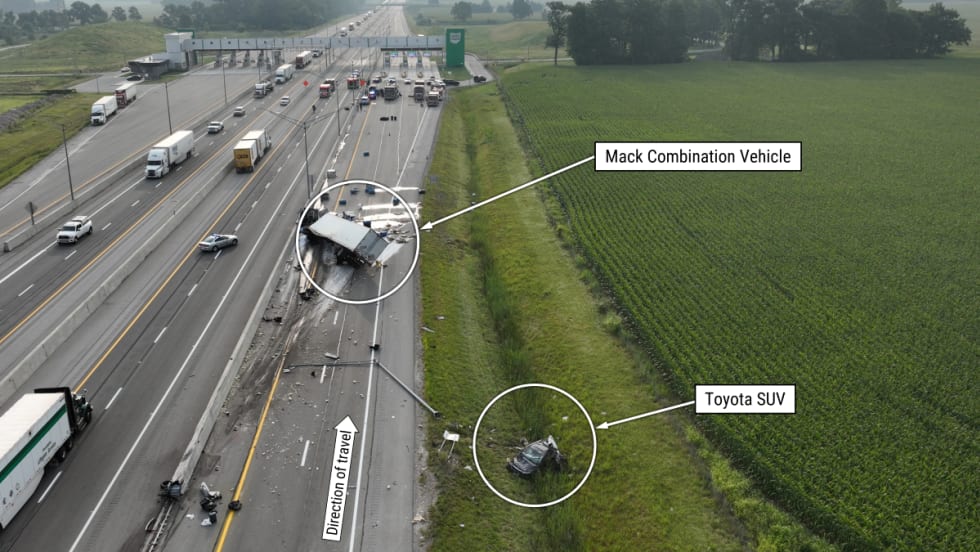
Fatal Crash Exposes Toll Plaza Risks
An NTSB investigation found that last-minute lane changes and large speed differences at an Ohio toll plaza created a hazard the truck driver couldn't avoid in time.
Read More →
When Language Stops the Truck: The Return of ELP Out-of-Service Orders
English language proficiency rules for commercial drivers aren’t new, but renewed out-of-service enforcement has raised the stakes. Here’s what carriers need to know before a driver reaches a roadside inspection.
Read More →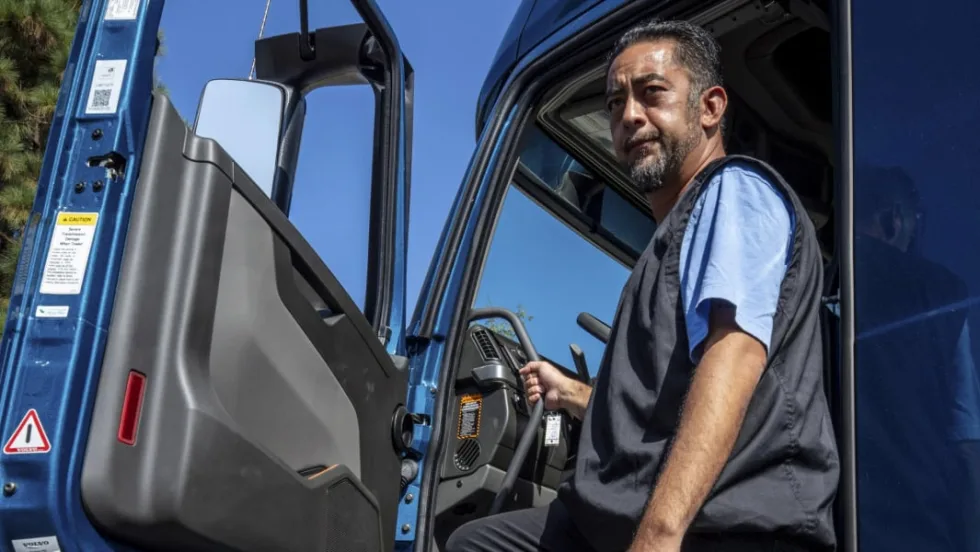
Sponsored•October 6, 2026
A Camera Isn't a Safety Program. Here's What Brokers Are Screening for Now
Footage alone may not be enough to pass broker vetting processes. Here's what counts as a defensible safety program now.
Read More →
Marijuana and Trucking’s Drug-Testing Dilemma
Marijuana is getting stronger, laws are changing, and drug tests still can’t reliably establish impairment. What does that mean for truck drivers and the fleets that employ them?
Read More →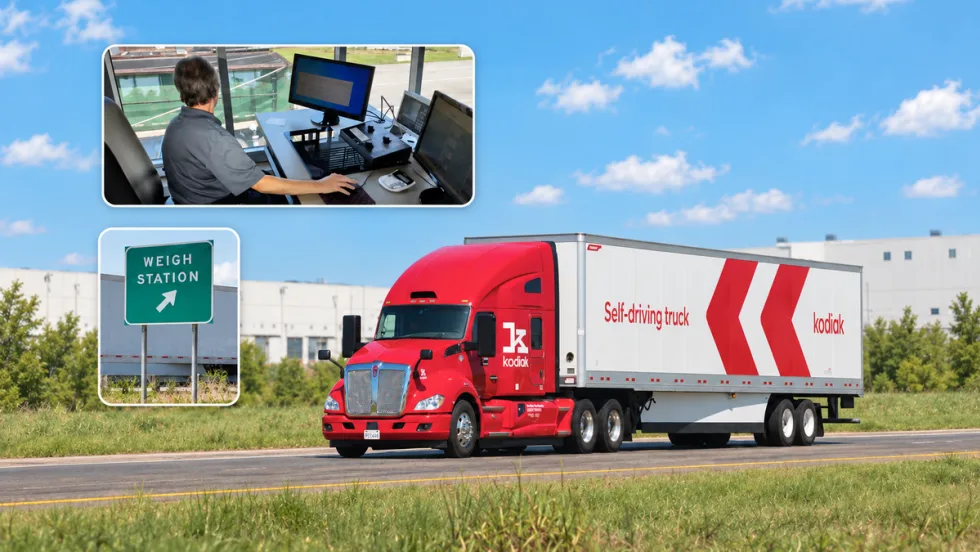
PrePass, Kodiak Connect Driverless Trucks to Roadside Enforcement
The system will allow enforcement agencies to verify Enhanced Inspection information and decide whether Kodiak’s autonomous trucks can bypass roadside screening sites.
Read More →
From One Generation to the Next: How Mentorship Builds Safer Truck Drivers
After three decades in trucking, Harold Perry shares what he's learned about driver safety, mentorship, and helping the next generation build confidence behind the wheel.
Read More →
FMCSA Pauses Biennial-Update Enforcement Amid Motus Transition
Carriers whose updates were due on or after June 1 have more time, while FMCSA works to stabilize its new registration system and warns of phishing sites impersonating its new carrier registration system, Motus.
Read More →