



There’s an epidemic of ignorance out there regarding brake slack adjustment. Certainly not a new story, but one that we have to hammer at as often as we can. It just won’t go away, might even be getting worse.
 MENU
MENU SEARCH
There’s an epidemic of ignorance out there regarding brake slack adjustment It just won’t go away, might even be getting worse.

Rolf Lockwood, Executive Contributing Editor
There’s an epidemic of ignorance out there regarding brake slack adjustment. Certainly not a new story, but one that we have to hammer at as often as we can. It just won’t go away, might even be getting worse.
The lousy results from last fall’s Commercial Vehicle Safety Alliance Brake Safety Week inspection blitz showed a significant increase in adjustment issues and out-of-service rates year over year.
Of the 13,305 vehicles inspected throughout the United States, Canada, and Mexico, 2,162 of them were put out of service for brake violations. The OOS rate for all brake-related violations in North America was 16.2%, compared with 13.5% in 2013.
The OOS rate for brake adjustment rose to 10.4 from 9% in 2013.
Should we be surprised? The CVSA did a survey as part of Operation Air Brake in 2003 that was pretty unsettling. It found that a shockingly low number of drivers have a clear understanding of air brakes and their adjustment. Clearly we haven’t come very far since.
How bad was it? Well, only 15 truck drivers — out of 4,055 polled — aced the survey designed to find out how much they knew about brake adjustment. The CVSA said the responses revealed an overwhelming misunderstanding about the importance of brake adjustment and the right ways to do it.
Only 192 of the drivers (0.47%) correctly identified all four of the conditions necessary to inspect adjustment properly.
More than half the drivers (62%) identified incorrect methods of determining when brakes need to be adjusted. In fact, 1,840 drivers (45%) said they rely on the “feel” of the brakes.
The auto slack myth was especially alarming in that 2003 study, which found that 2,179 drivers (53%) thought that automatic slack adjusters never go out of adjustment. While this might accurately reflect things in a well-maintained fleet, CVSA explained, it might also display a false sense of security regarding their vehicles.
A common malpractice, said CVSA, is when unqualified drivers and mechanics manually readjust auto slacks in the same way you’d take a wrench to a manual slack adjuster. But once properly installed, an automatic slack adjuster shouldn’t need manual adjustment. If it’s found to stroke beyond the maximum allowed, this pretty much always indicates other problems that need to be repaired by qualified brake service folks.
Manually adjusted auto slacks have been known to slip back out of adjustment after just a few brake applications, and confused drivers who get caught down the road can’t understand why. You can also damage an auto slack and strip the gears inside by manually adjusting it.
But the practice persists, and I trust the observations of several brake and maintenance experts I’ve spoken with recently who uniformly speak of this as a powder keg.
One veteran safety and compliance consultant tells me he’s “disturbed by the ignorance that exists amongst owners, drivers, maintenance, safety and compliance personnel...when it comes to the ‘old wisdom’ that surrounds manual slack adjusters and how they all keep trying to get that old square peg (manual slack) to fit in that new round hole (auto slack).
“I would be curious to see the percentages of maintenance shops/mechanics that still believe putting a wrench on [an automatic] slack adjuster is the way to do things,” he told me, while wishing to remain anonymous. “I think we would find the numbers in this survey to be disturbingly high.”
I’m afraid he’s right.
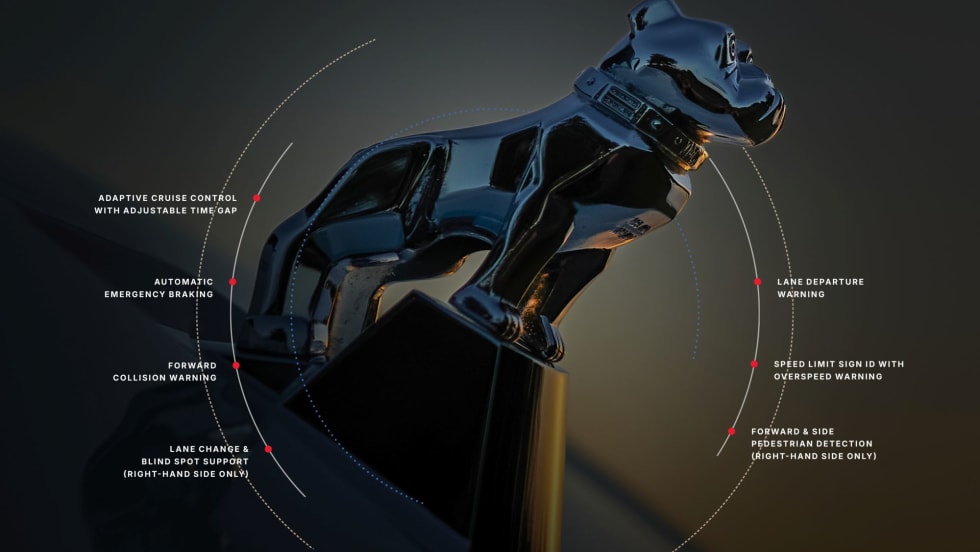
Mack Trucks has expanded its proprietary Mack Protect collision mitigation platform to the Mack MD Series, bringing heavy-duty safety technology to medium-duty trucks operating in urban and regional environments.
Read More →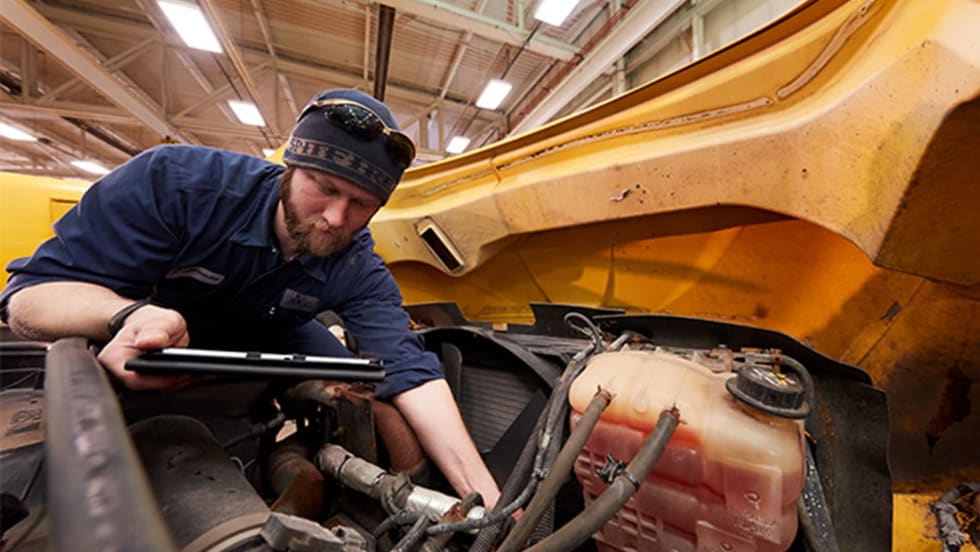
In today’s cost-conscious market, fleets are finding new ways to get more value from every truck on the road. See how smarter maintenance strategies can boost uptime, control costs and drive stronger long-term returns.
Read More →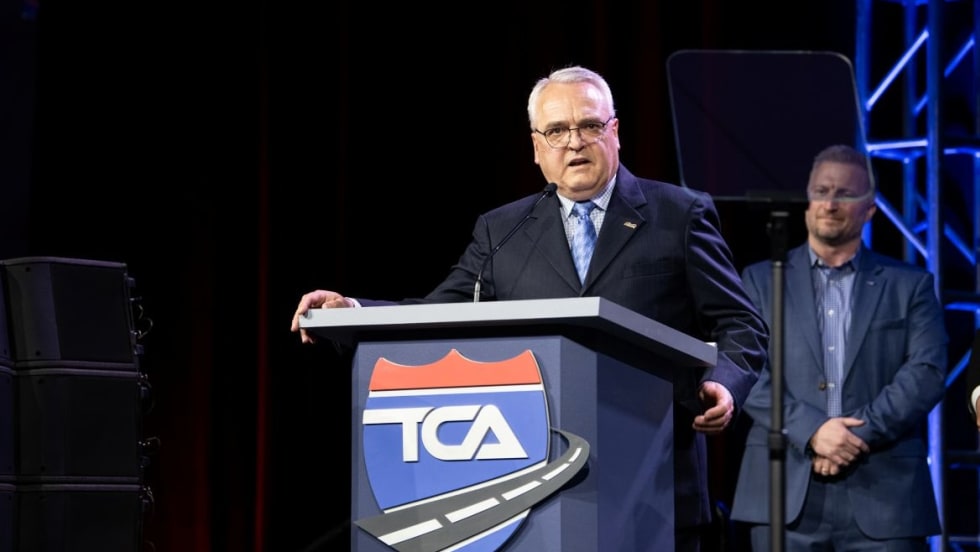
Two Canadian fleets earned the Grand Prize in the Truckload Carriers Association’s 2025 Fleet Safety Awards, recognizing the industry’s top safety performance based on accident frequency and safety programs.
Read More →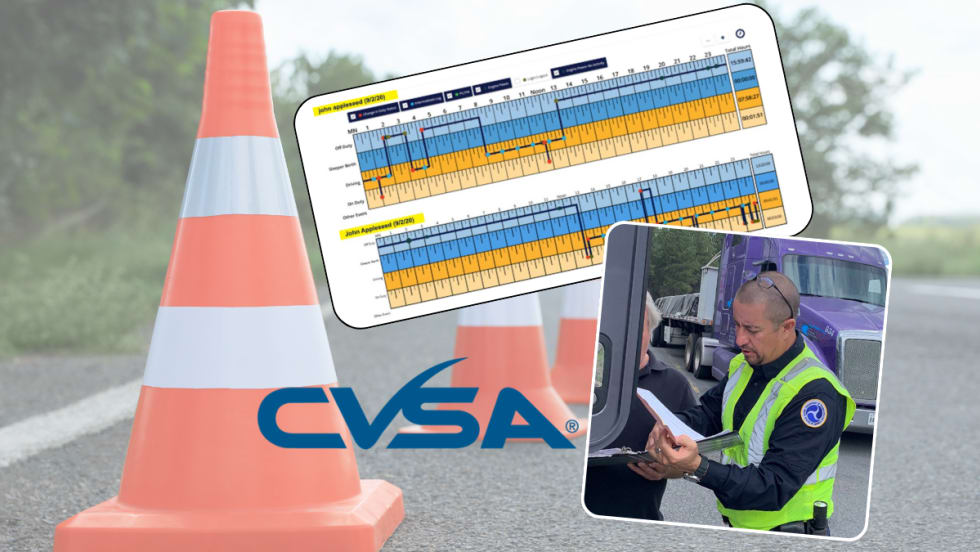
New guidance for commercial vehicle inspectors distinguishes between more traditional logbook violations and tampered ELD data that can result in mandatory 10-hour out-of-service orders.
Read More →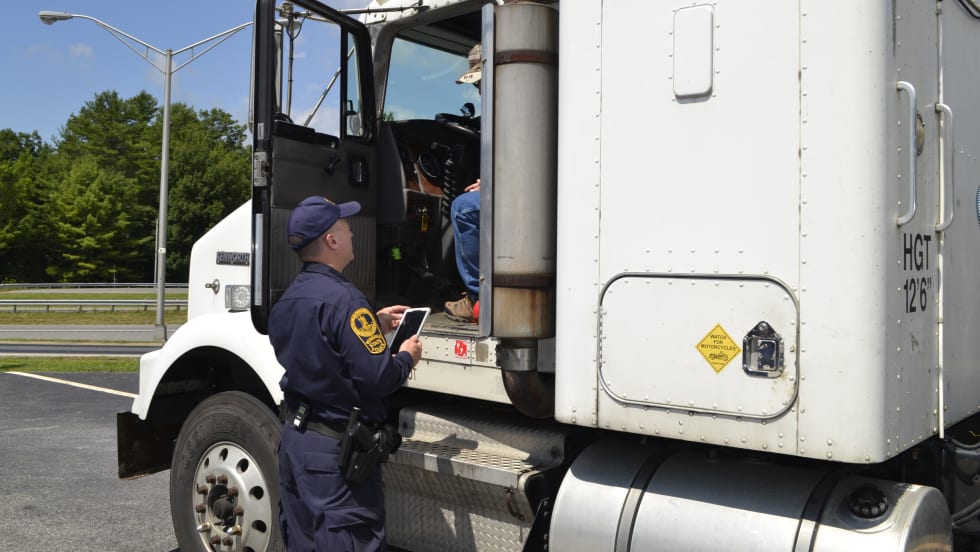
One electronic logging device has been reinstated to the FMCSA's list of registered ELDs.
Read More →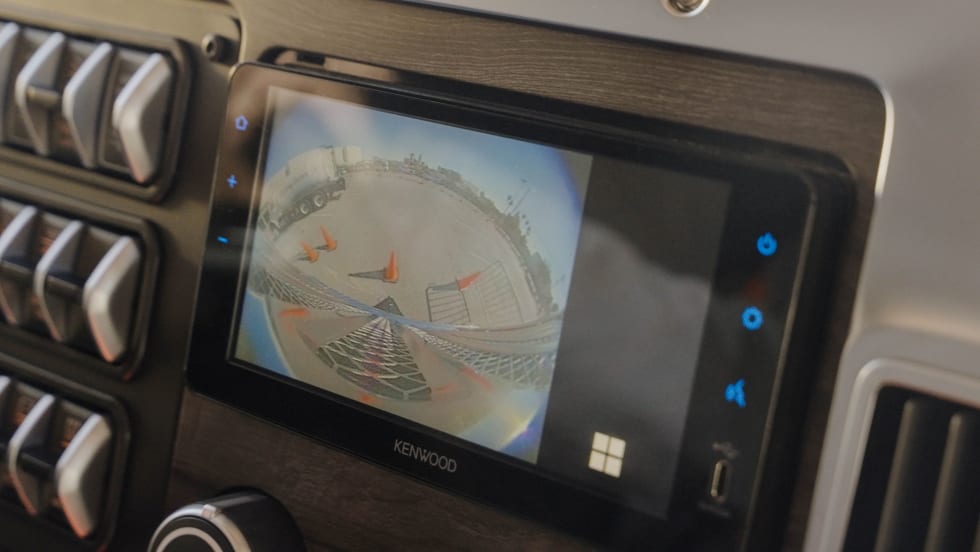
Daimler’s new factory-installed system integrates side and forward-facing cameras with in-cab touchscreen to improve jobsite visibility and reduce upfit complexity.
Read More →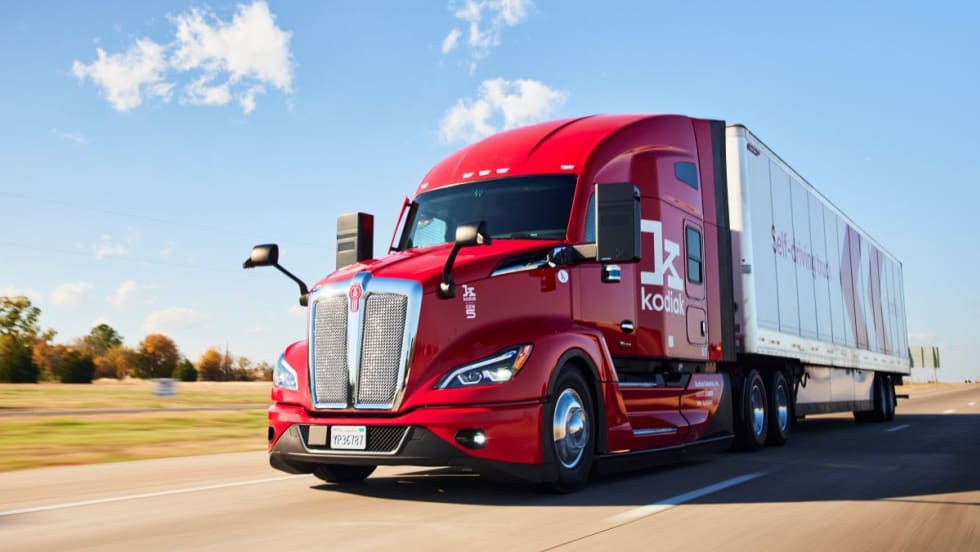
Kodiak has integrated HAAS Alert’s Safety Cloud platform into its autonomous vehicle control system to send real-time digital hazard alerts to nearby motorists.
Read More →
Cargo theft has shifted from parking-lot break-ins to organized international schemes using double brokering, phishing, and even spoofing tracking signals. In this HDT Talks Trucking video podcast episode, cargo-theft investigator Scott Cornell explains what’s changed and what fleets need to do now.
Read More →
What fleets need to know about CVSA’s 72-hour inspection blitz and this year’s enforcement priorities.
Read More →
After pushback from states and industry groups, FMCSA is proposing to reverse a 2023 rule change and lengthen the duration of state-issued emergency exemptions for disaster relief.
Read More →