



In his inaugural address this week, California Gov. Jerry Brown laid out what he called “bold commitments” to sustain the environment in the nation’s most populous state, by reducing energy consumption.
 MENU
MENU SEARCH
In his inaugural address this week, California Gov. Jerry Brown laid out what he called “bold commitments” to sustain the environment in the nation’s most populous state, by reducing energy consumption.


In his inaugural address this week, California Gov. Jerry Brown laid out what he called “bold commitments” to sustain the environment in the nation’s most populous state, by reducing energy consumption.
Among his goals over the next 15 years is to reduce petroleum use in both trucks and passenger vehicles by up to 50%, along with increasing the percentage of the state’s electricity derived from renewable resources to 50% and doubling the energy efficiency of existing buildings, including making heating fuels cleaner.
The news was immediately greeted warmly by environmental groups. Earthjustice Vice President Abigail Dillen said, “We applaud Gov. Brown for working to secure a cleaner, brighter future for California and paving the way for the rest of the country and the world to follow. Weaning the state off dirty fossil fuels and embracing clean energy is the kind of immediate action we need to confront the worst effects of climate change.”
While some in trucking may worry this will mean more regulations and higher costs, Brown’s announcement is not really a major policy change. California’s Air Resources Board has been working on its Sustainable Freight Initiative, due out later this year. It is expected to mean new regulations requiring improved efficiency in freight movements, along with zero or near-zero emissions from equipment used to transport cargo, according to Joe Rajkovacz, director of governmental affairs & communications for the California Construction Trucking Association and its interstate conference, the Western Trucking Alliance.
“One of CARB’s goals is the migration towards electric-powered heavy-duty vehicles and hydrogen powered vehicles. They don’t even view natural gas as a so-called bridge fuel. They want to move beyond fossil fuels, period,” he said in an interview.
For instance, Rajkovacz expects to start seeing mandates in 2017 that would ban the use of diesel-powered equipment for vocational trucking running just in the Los Angeles basin, which would be in place by the middle of the next decade.
Nearly four years ago, CCTA filed suit against CARB challenging the legality of its statewide truck and bus rules that require such equipment to be less polluting. That effort continues, with the next hearing set for February.
“We have been saying for a long time these such mandates were never going to end," Rajkovacz said. "I think a lot of people feel beat down by these constant regulations to reshape the marketplace, and that’s one of the reasons we continue to pursue our litigation against CARB."
For on-highway truck owners, either those running intrastate in California or those running in and out of the state, Rajkovacz believes there is less reason for concern, though he is cautious.
“I think the long-haul segment has less to worry about from this in terms of being potentially forced into purchasing newer trucks that basically right now don’t exist. For example, there isn’t an electric line haul truck that’s available,” he said.
What he is less certain about are possible California mandates that say, for instance, say you can’t use diesel anymore and that you have to use natural gas as a bridge fuel on long-haul trucks. This is where he says lawsuits against CARB by CCTA, as well as separate ones by others, become all the more important.
“If the dust settles on this and CARB feels there is nothing that can be done to stop them from making these mandates, they are going to have lots of stricter rules in the future."
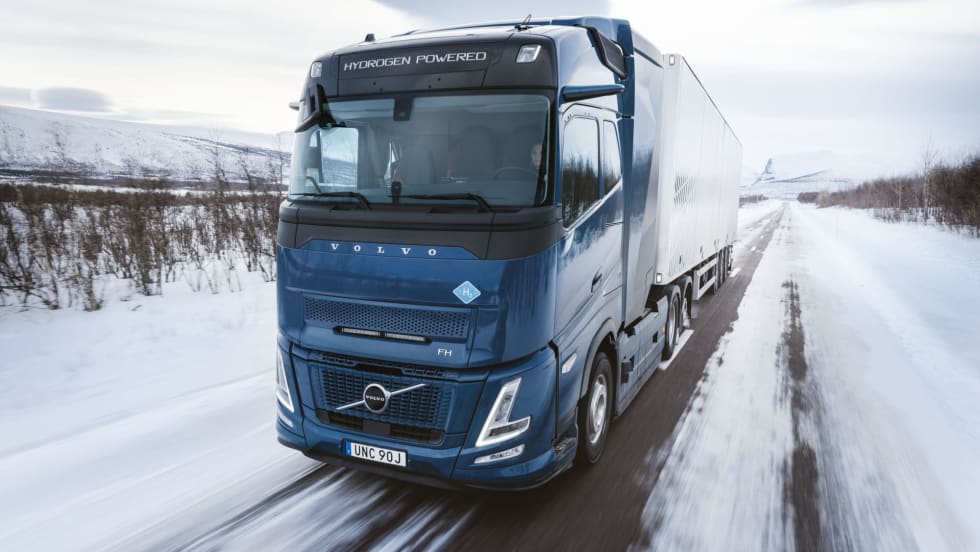
Hydrogen combustion engine trucks will be especially suitable over longer distances and in regions where there is limited charging infrastructure or time for recharging of battery-electric trucks, according to the company.
Read More →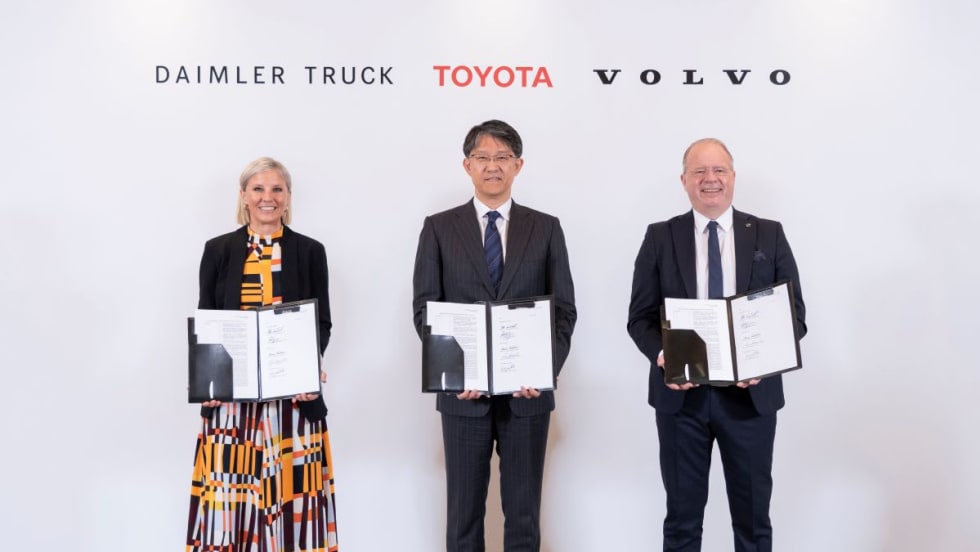
By joining Daimler Truck and Volvo, Toyota brings fuel cell expertise to a joint effort aimed at making hydrogen viable for heavy-duty transport.
Read More →
Trucking operators are slowing speeds, cutting empty miles, and declining unprofitable freight as diesel costs continue to rise due to conflict in the Middle East.
Read More →
New guidance allows engine makers to replace problematic DEF sensors with NOx-based systems, aiming to reduce unnecessary derates and downtime caused by failures in the sensors designed to monitor diesel exhaust fluid on trucks.
Read More →
Is your company a leader in sustainability efforts among trucking fleets? If so, Heavy Duty Trucking's editors want to hear from you.
Read More →
Artificial intelligence, the software-defined vehicle, telematics, autonomous trucks, electric trucks and alternative fuels, and more in this HDT Talks Trucking interview
Read More →With global oil flows disrupted, U.S. diesel prices have topped $5 across every region, climbing sharply in the past few weeks.
Read More →
The impact of the Iran conflict extends beyond fuel costs, bringing more fraud and cybersecurity risks to the trucking industry.
Read More →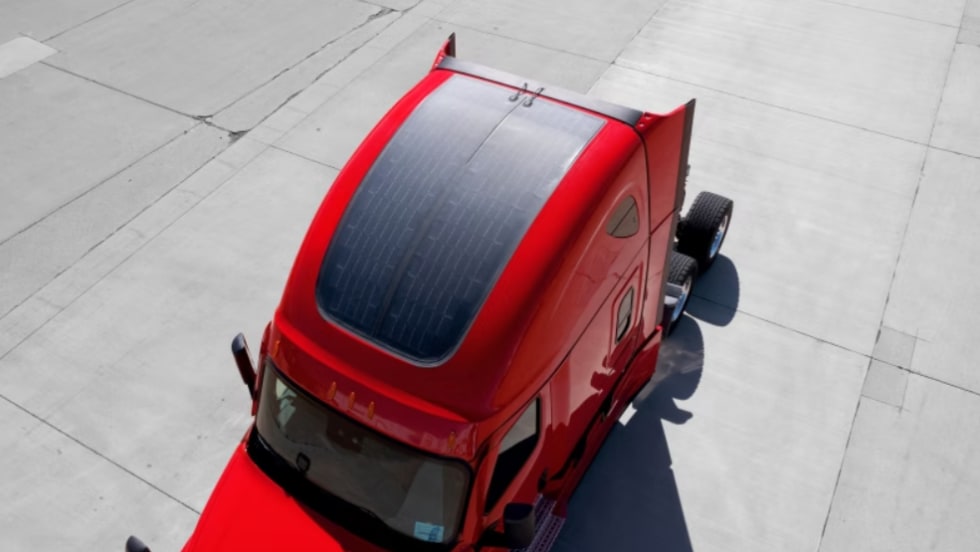
The company’s expanded EPEQ ecosystem includes flexible solar panels, lithium batteries, hydraulic power systems, and a portable fast charger for electric trucks.
Read More →
Listen as Mike Roeth of the North American Council for Freight Efficiency shares insights into battery-electric trucks, natural gas, biofuels, and clean diesel on this episode of HDT Talks Trucking.
Read More →