





Similar News: Phillips Connect Announces TechAssist Trailer Installation and Maintenance System
Phillips Connect SolarNet 8000 Series Combines Smart Trailer Functions in One Platform
Phillips Connect’s SolarNet 8000 Series integrates trailer tracking, cargo visibility, and tire performance monitoring into one solar-powered smart trailer platform.
November 4, 2025
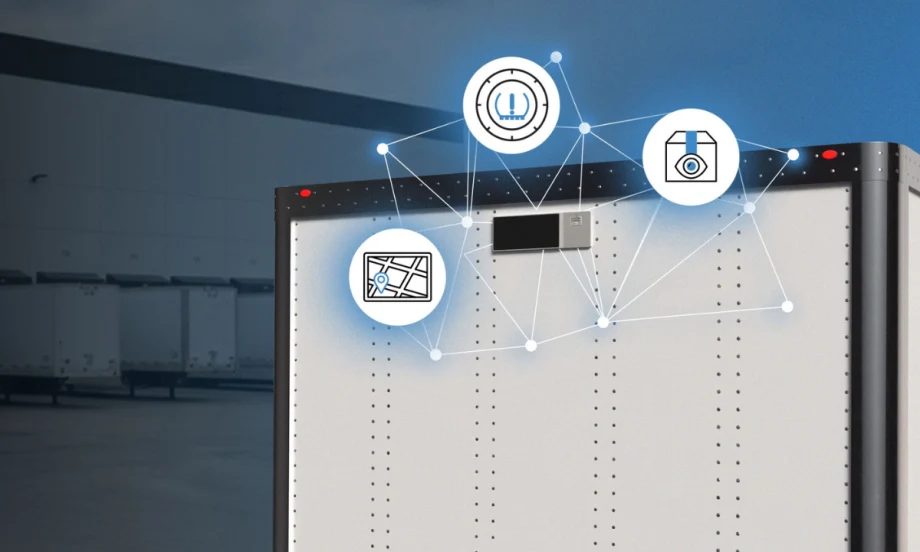
The Phillips Connect SolarNet 8000 Series combines real-time GPS tracking, cargo monitoring, and tire pressure management in a single solar-powered device, giving fleets unified trailer visibility and operational data through the Connect1 platform.
Photo: Phillips Connect
3 min to read
Phillips Connect introduced the SolarNet 8000 Series, a solar-powered smart trailer solution that integrates real-time tracking, cargo visibility, and tire performance monitoring into a single wireless platform.
The system is designed to streamline trailer management by combining three core technologies — GPS location, cargo imaging, and TPMS — into one device. The consolidated approach aims to reduce hardware needs while improving fleet visibility and operational efficiency.
“SolarNet 8000 advances our goal of simplifying fleet intelligence by bringing critical trailer data into one platform,” said Mark Wallin, general manager and senior vice president of product at Phillips Connect, in a news release.
“Fleets gain faster access to the insights that support maintenance, planning, and performance decisions.”
Location and Operational Visibility
The SolarNet 8000 provides continuous location tracking and trailer-use data. Its high-capacity battery and solar panels allow for extended operation, even with limited sunlight, addressing connectivity gaps often experienced with conventional devices.
The unit’s wireless, self-powered design enables quick installation with minimal configuration, helping fleets activate connected trailers in minutes instead of hours. Dispatch and operations teams can use the real-time data for improved asset utilization and route planning.
Integrated Cargo Camera
Each SolarNet 8000 device includes a built-in cargo camera that identifies whether a trailer is loaded or empty. This capability gives planners and dispatchers immediate insight into trailer availability, helping reduce idle time and detention.
For fleets requiring more advanced cargo data, the system can be paired with Phillips Connect’s CargoVision, which uses AI and machine learning to provide volumetric and analytical insights.
Tire Performance Monitoring
The SolarNet 8000 supports the Phillips Connect Tire Pressure Monitoring System (TPMS) to track tire pressure and temperature. The system alerts maintenance teams to potential issues before they result in roadside failures.
Data collected through TPMS can help fleets improve tire longevity, enhance safety, and reduce fuel consumption.
Compatibility with Phillips Connect Sensors
The SolarNet 8000 integrates with Phillips Connect’s suite of smart trailer sensors, including systems for brakes, automatic tire inflation (ATIS), wheel-end health, door status, and cargo detection.
By consolidating sensor data into a single solar-powered hub, the system delivers a unified view of trailer performance through the Connect1 software platform, reducing wiring complexity and eliminating the need for multiple gateways.
Key Benefits
Enables proactive maintenance by identifying tire and performance issues before failures occur
Improves dispatcher visibility into trailer status and location for more efficient asset utilization
Provides planners with real-time loaded/unloaded status to optimize scheduling and reduce yard dwell time
Gives drivers direct alerts on trailer conditions to support safety and operational awareness
Helps fleet managers lower maintenance costs and improve trailer uptime
The SolarNet 8000 Series serves as a solar-powered, wireless connection point for all trailer systems within the Phillips Connect ecosystem. When paired with the Connect1 platform, it delivers real-time visibility and data-driven insights to help fleets enhance trailer efficiency and reliability.
More Fleet Management

Kodiak Lines Up Fleets for Driverless Trucking
An agreement for 75 trucks, a new Texas freight lane, and progress on safety validation move Kodiak closer to its planned driverless highway launch.
Read More →
ITS Logistics Settles Religious Harassment Case
The Nevada-based logistics firm agreed to pay more than $396,000 to settle a religious harassment charge involving an employee's Jewish identity.
Read More →
Your Trucks Are Busy. That Doesn’t Mean They’re Winning.
High utilization doesn’t always mean strong margins. Looking beyond the current load can help fleets make better dispatch decisions and get more value from each truck’s time.
Read More →
Why This Trucking Recovery Is Different
Freight demand remains sluggish, but rising costs and tougher enforcement have taken enough capacity out of the market to change the outlook for motor carriers.
Read More →
Platform Science Adds Dispatch and Safety Tools
Four additions to PS Fleet help fleets monitor loads, manage driver coaching, share truck locations and adjust video system settings.
Read More →
PrePass Intelligence Mines Fleet Bypass, Toll and Safety Data
PrePass Intelligence helps fleets measure bypass savings, flag potential toll overcharges, and spot suspicious transactions by combining data from separate systems.
Read More →
Motive Adds AI Agents for Fleet Operations
New tools automate follow-up on fleet data, from maintenance work orders to driver alerts, with two-way voice conversations planned for later this year.
Read More →
Can You Beat Our Trucking Trivia Challenge?
Test your truck knowledge with 19 trivia questions from Heavy Duty Trucking Exchange. Can you keep up with the fleet pros?
Read More →
BeyondTrucks Adds Rules Checks to Dispatch
New Compatibility Engine checks driver qualifications, equipment requirements and fleet policies before loads are dispatched.
Read More →
Diesel Prices Hijack Trucking’s Worry List
ATRI’s annual survey finds cautious optimism about freight, but diesel costs, litigation, and insurance continue to squeeze fleets. Drivers have different priorities on several issues.
Read More →