




Why AI Could Be the Cure for Trucking’s Tech Fatigue
Too many apps, too many systems — fleets are drowning in technology. At the Wex OTR Summit, experts shared how trucking companies are finding that artificial intelligence can simplify operations and boost efficiency.


Technologies that can pull everything together into a digestible format will help drive efficiency.
HDT Graphic
“The driver's life is too hard, and the trucking companies are not making enough money.”
Technology such as artificial intelligence has the potential to change that, said Robert Nathan, founder and CEO of Envoy AI, speaking on a panel discussion on the opening day of the first Wex OTR Summit October 1. (Envoy AI builds autonomous agents for logistics service providers.)
In fact, the panelists painted a future not of self-driving trucks and robot dispatchers, but of making life easier and productive for truck drivers and carriers alike.
“I believe the advent of AI, tapping into [large language models], will eventually eradicate this massive amount of applications that we all have to use when we run a trucking company or a freight brokerage,” Nathan said.
He predicted AI will simplify the tech stack, replacing the clutter of separate apps with larger, more data-centric platforms.
“There's too much technology, there's too many point solutions, and AI eventually will eradicate those point solutions.”
Simplifying Workflows, Consolidating Data Flows
“The reality of the last 10 years is that software has embedded itself in almost every part of trucking, from the back office, from the tractor to the trailer,” said J.P. Gooderham, CEO of Storyboard, whose company offers a hands-free voice assistant for truck drivers.
“I think looking ahead for the next 10 years, what we're going to see is your workflows embedding themselves in the technology.”
Jake Fields, co-founder of Platform Science, said the technology on vehicles is getting better, as OEMs build better computers into the trucks.
“Right now, it's a collection of different devices from a collection of different partners,” he said. “I think that starts to consolidate to more kind of main domain controllers that can do more computing,” replacing data silos.
“We're already seeing that the telematics is being built into the vehicle and being interoperable,” he said.
In-dash displays that are now making their way into trucks will give drivers easy access to solutions. Integrating these displays with telematics, cameras, and voice technology could make operations safer and more seamless, even while driving, he explained.

In "New Roads, New Rules," panelists discussed how artificial intelligence can help address some of trucking's challenges.
Photo: McLendon Photography/WEX
Using Technology to Solve Problems
The panel emphasized that using artificial intelligence just to use it is not the right way to go about it. “AI-powered” is not necessarily a selling point for truck drivers or other workers. They want to know how it can make their lives better.
Addressing those problems using AI, Nathan said, may take two to four years, which may be a painful transition.
“But I do think we'll wake up in four years and drivers' lives will be better. Trucking companies will be making more money.”
J.P. Gooderham of Storyboard compared the future of AI to lane-assist technology in trucks.
“My ten-year prediction is that every person in the back office is going to be using some version of their own ‘lane assist,’ built around their workflows.
“The future is not having the Jetsons robot sitting in the dispatch office and answering calls,” he said,
Instead, AI can handle some of the repetitive tasks that drain productivity, allowing people to focus on serving drivers or supporting the fleet’s needs.
The data you can get from telematics systems is staggering, said Chris Oliver, chief marketing officer of Trucker Path. Trying to get the insights you need from that data, in a way that makes sense for everyone, is very difficult.
“AI makes that possible,” he said. “It helps to bring everything together in an easy way. And what does that do? That leads to opportunities for efficiency and productivity, not just to the big companies with the data science teams, but to the average person or a smaller fleet.”
Successful Use Cases for AI in Trucking
Panelists shared real-world examples of how trucking fleets are already putting artificial intelligence to work.
Envoy AI’s Nathan said he spends a lot of time at trucking companies and freight brokerage working with people who are processing a lot of paper.
“You know, Betty in Green Bay every Friday has to call to get proof of delivery so that they can process fuel payments and get paid. How can we improve Betty's life so she doesn't have to make those calls every Friday? How do we make those calls for her so she could do higher-level activities?”
Another example Nathan cited was the need for English language proficiency tests in the wake of recent federal efforts to tighten enforcement. Trucking companies have been working to make sure their drivers can meet those standards.
At the request of a customer, Envoy AI built an AI agent that automates hundreds of English-language proficiency tests per day.
“I think there’s some tasks that are just so burdensome they don’t even happen,” said Platform Science’s Fields. For instance, automating disputes of inaccurate tolls.
Oliver said technologies that can pull everything together into a digestible format will help drive efficiency.
“They'll be able to consume all their telematics, their fuel pricing information, and their historical maintenance information, and it'll just be through a simple interface that says, ‘Hey, it's time for you to get your truck fixed.’”
Benefits of AI for Truck Drivers
In trucking, the focus of AI has largely been on autonomous trucks, meaning some drivers see AI as something that will take their jobs. The panelists were asked how AI and technology will change drivers’ lives for the better.
“I think the first leap that we're seeing is just better safety systems,” said Fields, noting that advanced driver-assist systems are already enhancing safety as they lay the groundwork for autonomy.
The right tool could even tell a driver how far to drive and where to stop to buy the lowest price fuel along the route near a restaurant the driver wants.
Gooderham noted that AI tools can help give the driver the information he or she needs right at the moment they need it, whether that’s the gate code for their next stop or where to find that pizza. Now the driver’s not having to call someone in the back office for that information, allowing the people in the office to spend time on other tasks.
In addition, the potential for artificial intelligence tools to literally talk to users can have tremendous implications for truck drivers in the cab, said the panelists.
“We know that every time a driver looks away from the road, there's a 26x increase in the likelihood of an incident,” Gooderham said. “So I think we're going to see some tremendous voice products.”
Fields agreed. “I think voice has to be a key element within the vehicle.”
However, he cautioned that too many competing voice systems could confuse drivers already juggling multiple in-cab alerts.
Can AI Show Empathy?
For those who worry that AI agents can't provide the empathy that humans can, Nathan had an interesting experience to share in the development of Envoy AI's "Ellie" product.
“How do you teach an AI agent to have empathy?” he asked.
In its training prompt to its AI agent, the company instructed it to be nice to drivers if there is a bad situation, and gave it a list of bad situations.
“So Ellie calls the driver and asks where they are," Nathan said. "The driver says, ‘I'm broken down on the side of the road.’ And [the AI agent] asks, ‘Are you okay?’
“I was a dispatcher, and that was not my first reaction,” he confessed. It was more likely to be, “Is my load going to get delivered?”
More Fleet Management
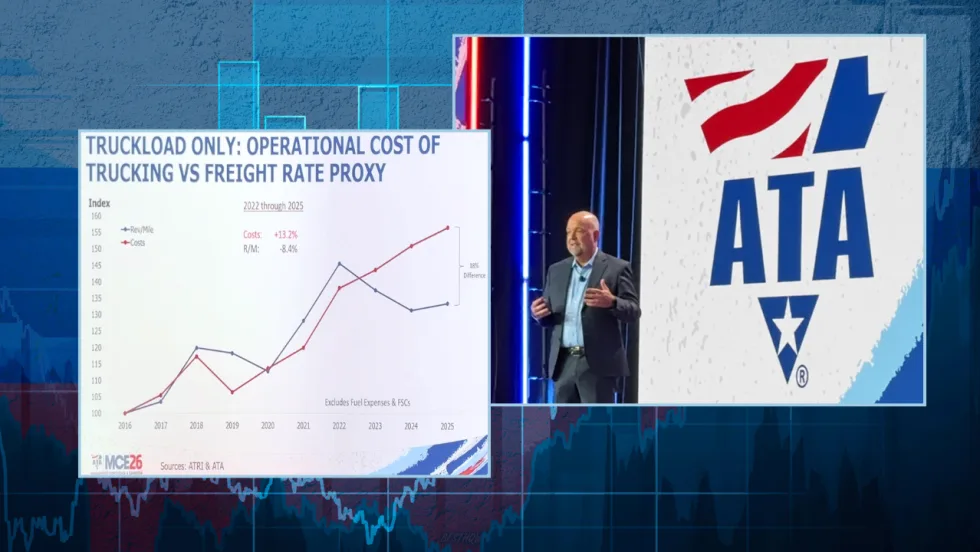
Why This Trucking Recovery Is Different
Freight demand remains sluggish, but rising costs and tougher enforcement have taken enough capacity out of the market to change the outlook for motor carriers.
Read More →
Platform Science Adds Dispatch and Safety Tools
Four additions to PS Fleet help fleets monitor loads, manage driver coaching, share truck locations and adjust video system settings.
Read More →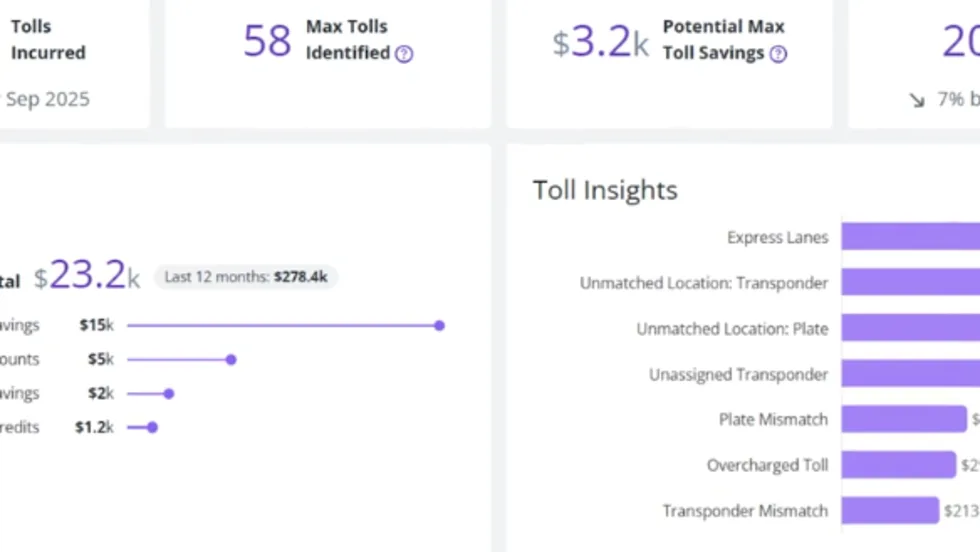
PrePass Intelligence Mines Fleet Bypass, Toll and Safety Data
PrePass Intelligence helps fleets measure bypass savings, flag potential toll overcharges, and spot suspicious transactions by combining data from separate systems.
Read More →
Motive Adds AI Agents for Fleet Operations
New tools automate follow-up on fleet data, from maintenance work orders to driver alerts, with two-way voice conversations planned for later this year.
Read More →
Can You Beat Our Trucking Trivia Challenge?
Test your truck knowledge with 19 trivia questions from Heavy Duty Trucking Exchange. Can you keep up with the fleet pros?
Read More →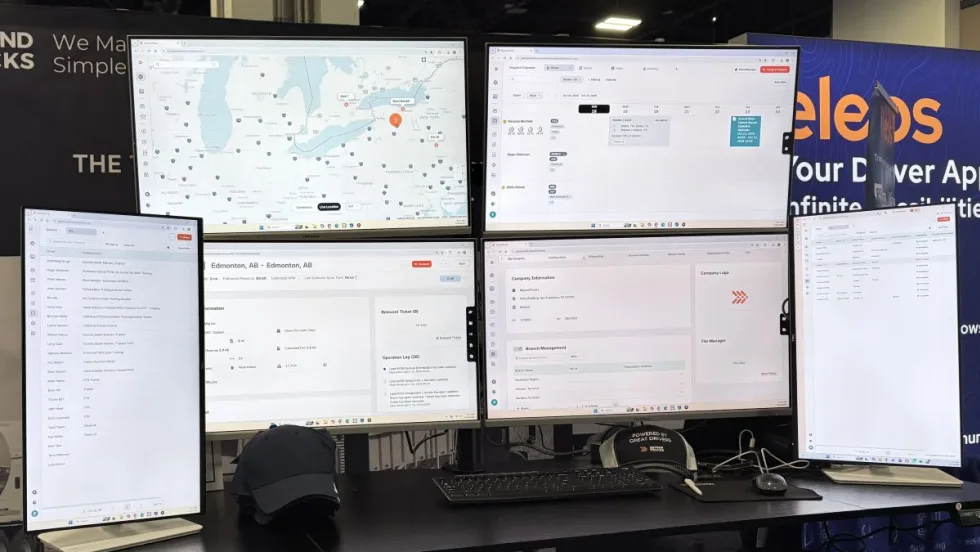
BeyondTrucks Adds Rules Checks to Dispatch
New Compatibility Engine checks driver qualifications, equipment requirements and fleet policies before loads are dispatched.
Read More →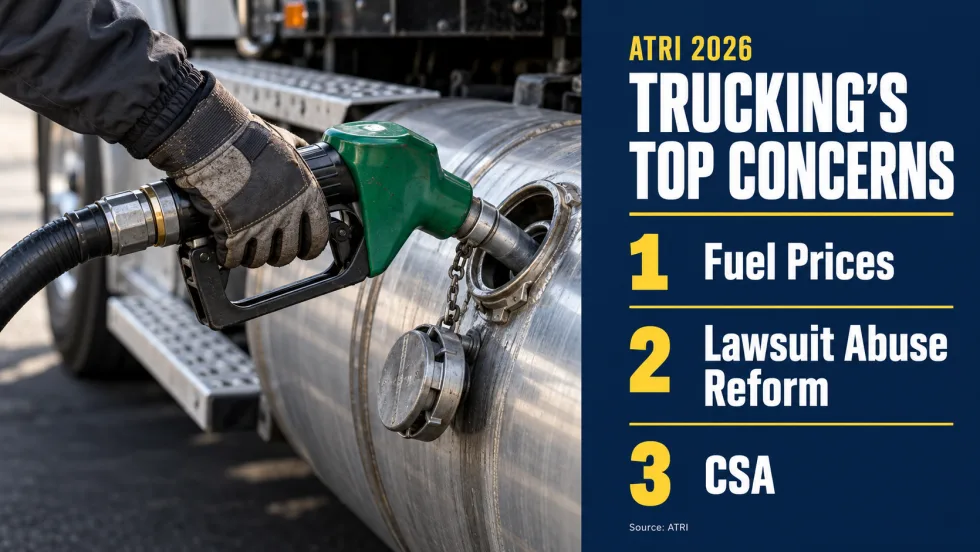
Diesel Prices Hijack Trucking’s Worry List
ATRI’s annual survey finds cautious optimism about freight, but diesel costs, litigation, and insurance continue to squeeze fleets. Drivers have different priorities on several issues.
Read More →
Nomination Deadline Extended for HDT Emerging Leaders
Just a few more days to nominate accomplished trucking fleet professionals under 40 who are making an impact and helping lead the industry forward for the HDT Emerging Leaders award. Deadline extended to October 20!
Read More →
What Will ATA’s New Leader Bring to Trucking's Table?
Incoming President and CEO Mark Colson’s record in Alabama offers clues about his priorities and approach following Chris Spear’s abrupt departure as the head of the American Trucking Associations.
Read More →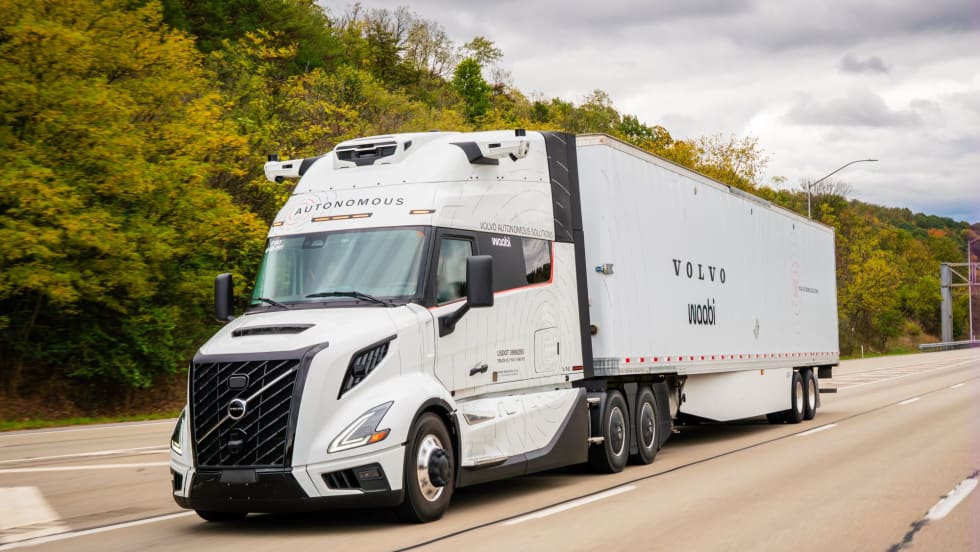
Volvo, Waabi Start Commercial Autonomous Operations in Texas
Volvo VNL Autonomous trucks, powered by the Waabi Driver, are hauling freight directly to third-party facilities for a customer in Texas.
Read More →