





Fuuz Founder Craig Scott on AI and the Future of Fleet Management
Why the Human Touch is Still Important in an Age of AI
Artificial intelligence can make supply chains more efficient. And efficiency is an important thing — but it is not everything, writes HDT's Deborah Lockridge.
March 11, 2024

Artificial intelligence should support humans, not replace them.
HDT Graphic
3 min to read
Artificial intelligence is transforming our personal lives and our trucking businesses, in both wondrous and scary ways.
Panelists for a session I recently moderated on AI outlined numerous ways they are using, or planning to use, this new technology to improve their operations, including:
AI-enabled interior-facing cameras that can detect phone use and distracted driving behaviors even when the phone is out of sight of the lens.
A driver assistant chatbot that could help new drivers find information and resources from orientation.
The ability to rank driver applications based on location and other factors.
Determining which shipper and consignee locations are best and worst for drivers, including dwell time, driver amenities and other factors.
AI agents that can connect weather conditions and forecasts to loads and shipments and alert driver managers, drivers, and customers of potential delays.
Helping broker agents with pricing quotes, including analyzing emails to determine which shipments were quoted on, which they won, and factors affecting why the quote was successful or not.
Some of these use machine learning in a way that allows the AI to learn to make a prediction based on data. Dashcams, for instance. That's the type of AI we've seen making its way into the industry for a number of years now.
But some of them are looking forward to ways to use the latest iteration of artificial intelligence, called generative AI.
Generative AI and Trucking
You’ve no doubt seen stories about ChatGPT and other generative AI technology in the past year. Generative AI is a broader, more human-like intelligence. It’s a machine-learning model that is trained to create something new instead of making a prediction about a specific set of data. Nvidia describes it as using neural networks to identify the patterns and structures in existing data to generate new and original content.
What we’ve seen in the general media about generative AI are mostly images, video, and writing. Actors are worried they could be replaced by AI, especially in non-leading roles. Journalists worry that AI could write news stories and replace reporters. Teachers worry that generative AI can write research papers for students.
But generative AI also is good at things like dealing with unstructured data communicated in e-mails and documents.
For instance, C.H. Robinson recently announced that it has developed a new, automated appointment-scheduling technology that removes the work of scheduling an appointment at the place a load needs to be picked up and scheduling another appointment where the load needs to be delivered. It uses artificial intelligence to determine the optimal appointment.
This kind of technology can make supply chains more efficient. And efficiency is an important thing — but it is not everything.
The Personal Touch
While huge shippers may want to automate as much of their logistics as possible, some customers want to have connections with real people. They don’t want the relationship automated out of their business.
And if you talk to anyone who’s been successful in retaining good truck drivers, they most likely will tell you that a big key is communication. Yes, technology can help, but at the end of the day, drivers want to feel connected to the company in a personal way — to people who care about their problems and can find creative ways to solve them.
Humans bring a level of judgment, creativity, critical thinking skills, innovation, and emotional intelligence and empathy to the job that can’t be matched by AI. If your company can do something with AI, your competitors can do the same thing.
Artificial intelligence is another tool that your people can use to do their jobs better and more efficiently. It’s the humans using that tool that make this industry run, that are your competitive advantage. AI is exciting — but don’t give up the human touch.
Subscribe to Our Newsletter
More Fleet Management

Sponsored•September 14, 2026
2026 Blueprint for Countering Smarter Supply Chain Theft
Cargo theft is no longer just the cost of doing business. It's a multi-billion-dollar criminal enterprise exploiting vulnerabilities across your fleet, drivers, and supply chain.
Read More →
Sponsored•September 1, 2026
How Telematics Improves Visibility, Control, and Performance in Refrigerated Fleets
Explore how telematics help refrigerated fleets improve visibility, uptime, efficiency, compliance, and cargo protection across connected cold chain operations.
Read More →
What the U.S.-Canada Trade War Means for Trucking
Escalating U.S.-Canada tariffs could disrupt cross-border freight, reduce truck volumes, raise costs, and create new uncertainty for carriers on both sides of the border.
Read More →

What Are Trucking’s Top Concerns for 2026?
The American Transportation Research Institute wants to know what's worrying trucking fleet managers, drivers, and other stakeholders in its annual Industry Issues survey.
Read More →
American Trucking Associations Looks for a New Leader
ATA President and CEO Chris Spear abruptly left his job at the association on August 21, at a pivotal time for the trucking industry.
Read More →
Public Wi-Fi Cybersecurity Risks: How Truck Drivers and Fleets Can Protect Their Data
Public Wi-Fi can expose truck drivers and fleets to credential theft, malware, and other cyber threats. Here’s how to reduce the risk on the road.
Read More →
For Nicky Cupp, Fleet Innovation Starts With Frustration
HDT Truck Fleet Innovator Nicky Cupp turns everyday pain points at Fraley & Schilling into opportunities for better technology and smarter processes.
Read More →
Adam Buttgenbach’s Approach to Electric Trucks: Start With Where They Fit
HDT Truck Fleet Innovator Adam Buttgenbach helped PepsiCo build one of North America’s largest EV fleets by focusing on where electric trucks make operational sense.
Read More →
Deen Albert: Let Automation Do the Math, People Make the Decisions
HDT Truck Fleet Innovator Deen Albert makes sure people are still at the heart of operations at Grand Island Express, even while adopting artificial intelligence tools. AI-assisted dispatch helped boost revenue 25% with the same number of trucks.
Read More →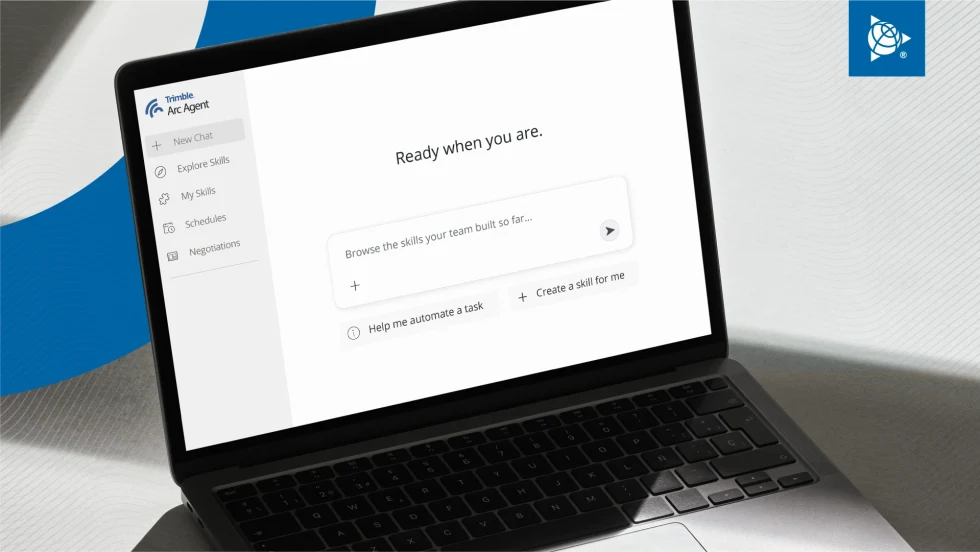
Trimble’s New AI Agent Takes Aim at Fleet Back-Office Busywork
Arc Agent works across Trimble TMS products to automate repetitive tasks such as freight orders, maintenance, invoices, fuel costs and more.
Read More →