





Avoiding Winter Pileups: Don’t Become the Next Link in the Crash-Chain
Motive Adds AI Agents for Fleet Operations
New tools automate follow-up on fleet data, from maintenance work orders to driver alerts, with two-way voice conversations planned for later this year.
October 20, 2026
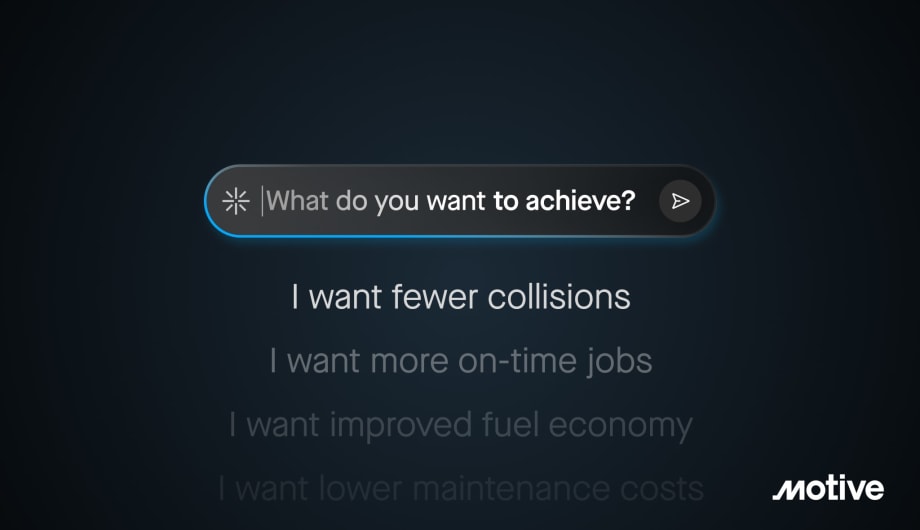
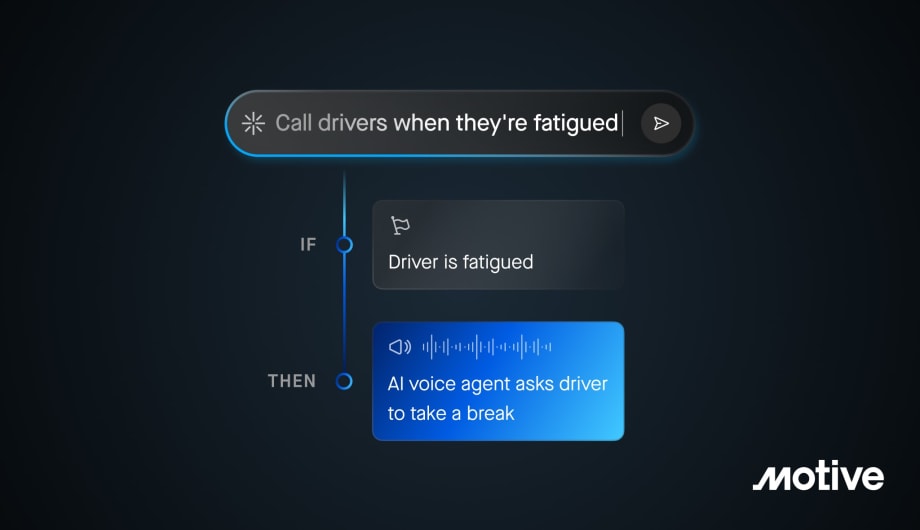
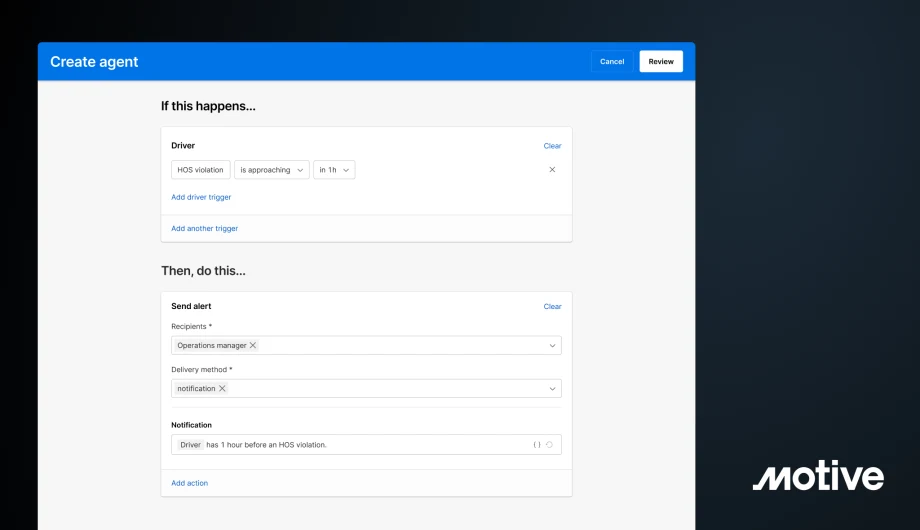
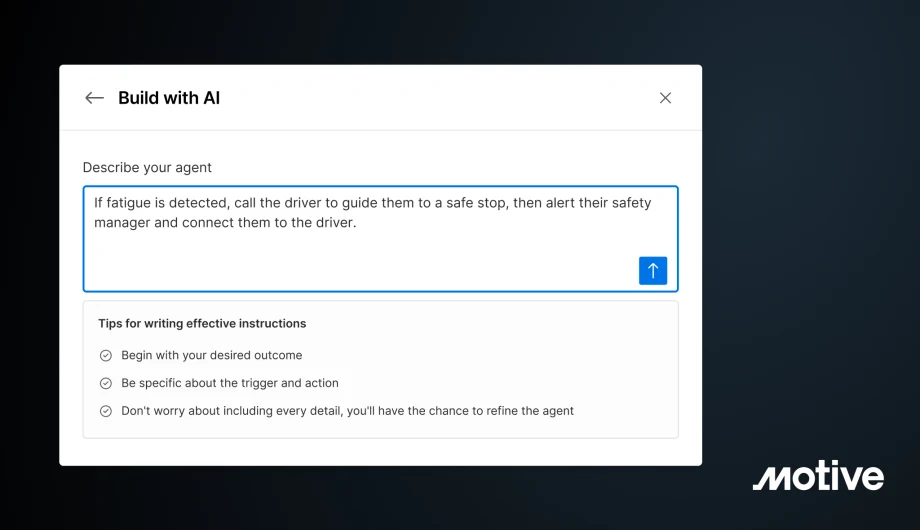
Motive Agents are AI that anticipates problems and acts on them automatically, turning a fleet's safety and operations data into immediate action.
Credit:
Motive
1/4
3 min to read
Motive has introduced AI tools designed to handle some of the work that follows a fleet alert, such as contacting drivers, opening maintenance work orders, and getting managers involved when needed.
Called Agents, the artificial intelligence tools use conditions and responses defined by each fleet to act on safety and operations data. The company announced the launch at the American Trucking Associations’ Management Conference & Exhibition in Charlotte, North Carolina.
“Our customers don't need another alert. They need action,” said Hemant Banavar, Motive’s chief product officer. "The data that prevents collisions and breakdowns already lives in Motive. Agents put it to work the moment it matters, so teams can grow without adding headcount."
The idea is to reduce the time managers spend reviewing alerts, making calls, and tracking follow-up.
Operations teams have more visibility than ever, but they can't act on it fast enough. According to the 2026 Motive ROI Report, 42% of organizations cite operational inefficiencies — including excess administrative work — as a top concern.
Agents are available now. Later this year, Motive plans to add outreach through Atlas, its AI assistant, allowing two-way voice conversations with drivers through AI Dashcam Plus.
It was just a year ago that Motive introduced AI Answers, conversational artificial intelligence you can interact with much like ChatGPT to gain actionable insights about your trucking operations.
Company demonstration videos illustrate how those conversations could work.
Connecting a Tired Driver With a Manager
In the fatigue demonstration, Atlas calls a safety manager after the system detects signs that a driver may be tired. It identifies the driver, explains why it is calling, and asks the manager to press a button to connect.
The manager then speaks directly with the driver through the dashcam. When the driver acknowledges having had a long day, the manager recommends pulling over and points out a truck stop about five miles ahead.
The example shows how an automated alert could lead to a conversation with a supervisor without the manager first having to track down the driver.
Suggesting a Detour Around Severe Weather
In the weather demonstration, Atlas warns a driver about a severe storm roughly 20 miles ahead and offers to find another route.
When the driver asks for a recommendation, the assistant suggests taking the next exit onto Route 9, explaining that the detour would avoid the storm and add about 10 minutes to the trip.
After the driver agrees, Atlas says it will notify dispatch of the rerouting and possible delay.
Responding to a Vehicle Fault
The maintenance demonstration starts with Atlas telling a driver that the system has detected a critical vehicle fault. It directs her to find a safe place to park and identifies a rest area two miles ahead.
Atlas then calls the fleet manager, explains the situation, and offers to connect him with the driver. During their conversation, the manager confirms that a technician is on the way and a work order has been created.
Motive says fleets can configure Agents to automatically open a work order in Motive Maintenance and mark a vehicle out of service when a fault meets their criteria.
Agents also can flag excessive idling and prompt drivers to shut down. Outside temperature is part of that decision, allowing fleets to account for necessary idling in extreme heat or cold.
Setting Up the Response
Teams can start with guided workflows or ready-to-use templates with no technical expertise required. They choose what conditions should trigger an action and what should happen next.
In early 2027, Motive plans to let customers describe a workflow in everyday language and have AI build it. The company also plans to let fleets specify a broader goal, such as fewer collisions, more on-time jobs, or lower operating costs, and have Agents determine the actions to pursue it.
More Fleet Management

Can You Beat Our Trucking Trivia Challenge?
Test your truck knowledge with 19 trivia questions from Heavy Duty Trucking Exchange. Can you keep up with the fleet pros?
Read More →
BeyondTrucks Adds Rules Checks to Dispatch
New Compatibility Engine checks driver qualifications, equipment requirements and fleet policies before loads are dispatched.
Read More →
Diesel Prices Hijack Trucking’s Worry List
ATRI’s annual survey finds cautious optimism about freight, but diesel costs, litigation, and insurance continue to squeeze fleets. Drivers have different priorities on several issues.
Read More →
Nomination Deadline Extended for HDT Emerging Leaders
Just a few more days to nominate accomplished trucking fleet professionals under 40 who are making an impact and helping lead the industry forward for the HDT Emerging Leaders award. Deadline extended to October 20!
Read More →
What Will ATA’s New Leader Bring to Trucking's Table?
Incoming President and CEO Mark Colson’s record in Alabama offers clues about his priorities and approach following Chris Spear’s abrupt departure as the head of the American Trucking Associations.
Read More →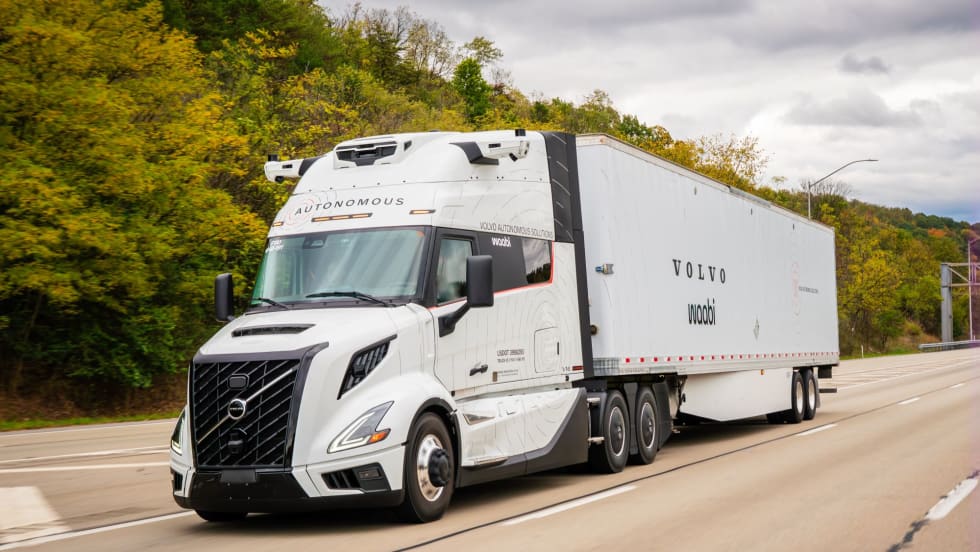
Volvo, Waabi Start Commercial Autonomous Operations in Texas
Volvo VNL Autonomous trucks, powered by the Waabi Driver, are hauling freight directly to third-party facilities for a customer in Texas.
Read More →
Samsara Launches Custom AI Agent Builder
Agent Studio lets fleets create AI tools for hours-of-service monitoring, reporting and driver support, including agents that communicate by phone.
Read More →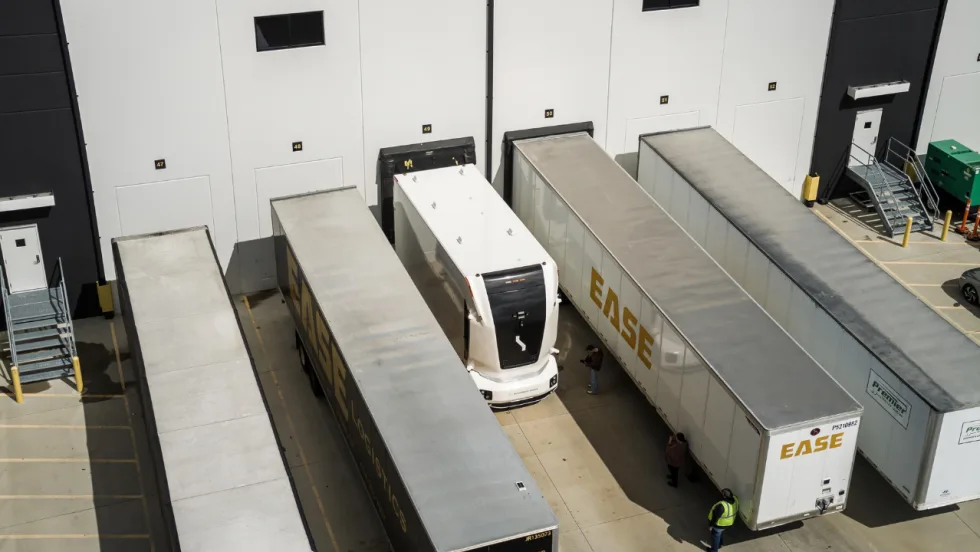
Einride Driverless Electric Trucks Begin Daily Freight Operations in Ohio
Two cabless electric trucks are hauling freight between EASE Logistics facilities in Marysville, Ohio, as part of a multi-state truck automation project.
Read More →
Geotab Links Fleet Card to Vehicle Data
The new card combines fuel discounts with telematics-based purchase controls. Geotab’s analysis also points to potential savings from choosing lower-priced fuel stops.
Read More →
How MFA Helps Protect Trucking Fleets
Multi-factor authentication adds protection when passwords are stolen. Here’s how it works and where fleets should start.
Read More →