




New Solar Power System for Sleepers
Deecell Power Systems has released a new solar power system designed for sleeper cabs and other long-haul applications.

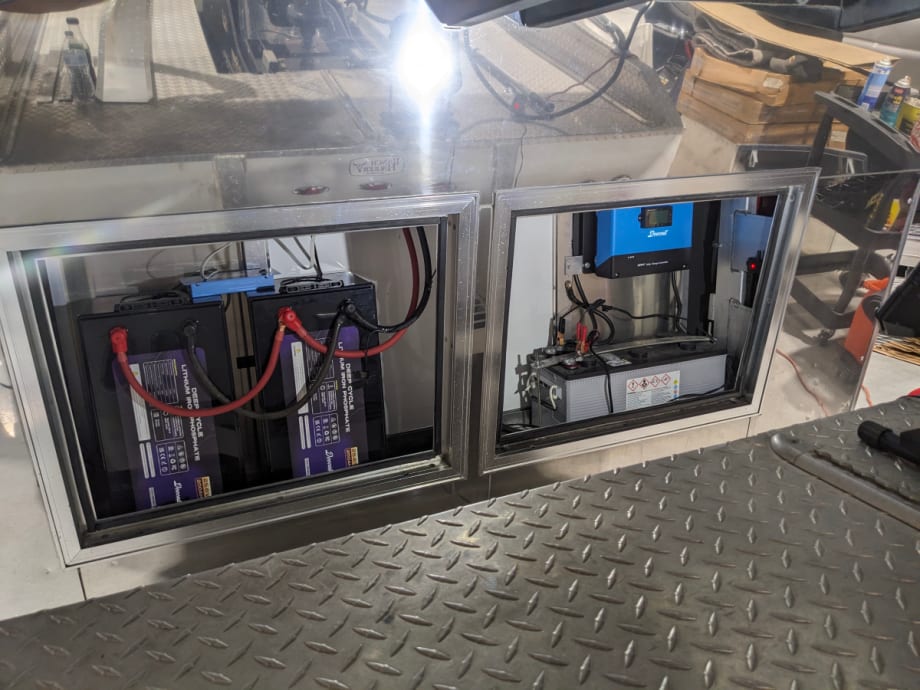
Deecell's Solar Power Unit combines advanced solar technology with a compact, lightweight design, offering continuous power for critical vehicle systems without the need for fuel or frequent maintenance.
Photo: Decell
Deecell Power Systems has announced a solar power system designed for haulers and sleeper cabs. The new system replaces fossil fuel generators and reduces non-drive-time truck idling.
Engineered for truckers, haulers, and sleeper cabs, Deecell delivers clean, quiet, and reliable power, transforming mobile energy solutions for life on the road, the company said.
Continuous Power for Critical Vehicle Systems
"Our vision at Deecell Power Systems is to empower truckers, mobile professionals, and transportation companies with clean, dependable energy that not only enhances their quality of life on the road, but is a meaningful cost savings," said Andrew Moeck, founder of Deecell. "We're replacing generators and reducing off-duty idle time where it matters most—from the racetrack to the highway. Deecell delivers clean, quiet power for haulers and sleeper cabs alike."
Deecell was founded to provide a sustainable alternative to noisy, emission-heavy generators and to reduce the costs of wasteful stationary idling.
A Deecell Solar Power Unit combines advanced solar technology with a compact, lightweight design, offering continuous power for critical systems without the need for fuel or frequent maintenance.
Deecell is a modern, custom-engineered (SPU) built for those who demand reliable, continuous energy, the company said.
Whether in a hauler or a semi, the 10-kilowatt and 15-kilowatt systems deliver 120V and 240V AC, 200 amps of unmatched power—enough to keep lights, electronics, tools, A/C, and more running without the hassle of refueling or costly maintenance. The proprietary batteries are designed for maximum power, minimal maintenance, and rugged durability.
Drag-Racing Roots
Drawing inspiration from decades of first-hand challenges at National Hot Rod Association (NHRA) racetracks across the country, Moeck spent more than two years fine-tuning the SPU through internal R&D, live testing on his own race hauler, and in-shop simulations that pushed the system to its limits.
After perfecting the product, Moeck founded Deecell to bring an affordable, clean and dependable alternative to loud temperamental and expensive generators to the market.
"Deecell started as a solution for racers, but it's no secret that the transportation industry is always looking for ways to increase fuel efficiency; Deecell is that solution," said Moeck, who has been involved with NHRA Championship Drag Racing since the early 90s. "Thanks to the connections created within our NHRA family, that goal is closer than we could have ever imagined."
Designed in North America, Deecell's SPUs are tailored to the customer's exact power needs and space constraints.
Deecell is currently available in three configurations:
10kW system ideal for most haulers and moderate power needs.
15kW suitable for larger rigs with multiple A/C units or heavier electrical loads.
A dedicated sleeper cab system designed to deliver 120V AC Power 24/7 without idling—keeping drivers comfortable and connected on the road.
Key features of Deecell's groundbreaking Solar Power Unit include:
Solar-Powered Efficiency: Harnesses renewable energy to provide continuous 120V / 240V AC power without fuel, noise, or maintenance.
Versatile Applications: Supports sleeper cabs, race haulers, horse trailers, toy haulers, pit crew work stations, fleet service trucks, mobile command centers and beyond, with reliable, always-on power.
Easy Installation: Deecell comes to you, whether you're at the racetrack, fleet yard, or roadside.
Money-Saving Solution for Sleeper Cabs: Keeps A/C, heat, lighting, refrigeration, and outlets running without engine idling—cutting fuel waste during rest periods and saving thousands per truck annually.
Long-term Operational Cost Savings: Reduces fuel use, cuts maintenance costs, and pays for itself by significantly reducing generator upkeep and idle fuel waste.
From initial inquiry to installation, to full-service support and monitoring to ensure your SPU is always working at its highest efficiency, Deecell offers customer service with a crew available for onsite installation and maintenance needs.
More Fuel Smarts

East Coast Port Launches $45M Electric Truck Push
The Port Authority of New York and New Jersey announced millions in incentives for zero-emission drayage trucks, yard tractors, and new charging hubs near the port.
Read More →
California Bill Could Shed Light on Electric Truck Prices
Why do battery-electric Class 8 trucks remain so expensive? A California bill headed to Gov. Gavin Newsom would give fleets and state agencies more visibility into what manufacturers charge.
Read More →
Detroit Opens Orders for EPA 2027 Engines
Detroit isn’t starting from scratch to meet EPA 2027 diesel emissions standards. Its Gen 6 DD13 and DD15 engines keep much of today’s platform while updating the fuel and aftertreatment systems.
Read More →
Zero-Emission Truck Corridor Planned for West Coast
California, Oregon, Washington, British Columbia and Baja California are coordinating plans for truck charging and hydrogen fueling from Canada to Mexico.
Read More →
A Closer Look at Kenworth’s Electric T880E Vocational Truck [Video]
Learn more about Kenworth's T880E battery-electric vocational truck at the Paccar Technical Center, including its range, applications, upfitting considerations, and PTO options, in this HDT Spotlight video.
Read More →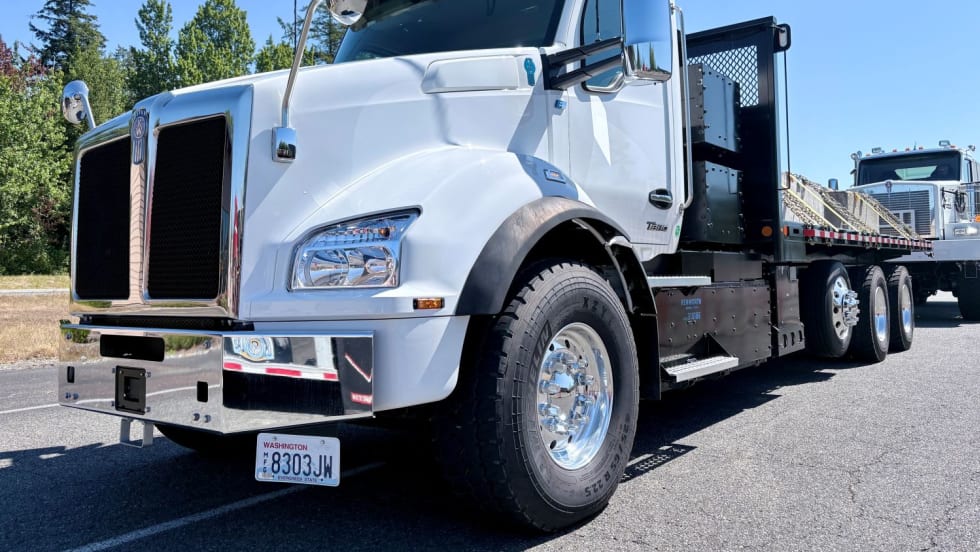
Kenworth T880E Brings EV Power to Vocational Trucks
A closer look at the Kenworth T880E’s range, charging, powertrain and upfit options — and where fleets are showing the most interest.
Read More →
Jennie Abarca Is Proving Electric Trucks Can Do the Job
HDT Truck Fleet Innovator Jennie Abarca is building confidence in fleet electrification one load at a time while openly sharing the challenges she encounters along the way as a small-fleet owner.
Read More →
Cummins Adjusts 2027 Engine Rollout After EPA Proposal
The engine maker will gradually introduce its new Model Year 2027 diesel engines while continuing to offer current models during the transition, citing the EPA's proposed emissions rule changes.
Read More →
EPA Proposal Could Ease 2027 Truck Costs and Buying Uncertainty
The proposal doesn't change the tougher NOx standard, but it would revise key implementation requirements that manufacturers say have driven up costs and complicated fleet purchasing decisions.
Read More →
Cummins, Paccar Ease DEF Derates After EPA Guidance
Updated diesel engine software gives truck operators more time to address emissions-system issues while staying compliant with EPA emissions standards.
Read More →