





Engine Technology Forum Launches SCR, DEF Resource Center Amid Emissions Debate
Cummins, Paccar Ease DEF Derates After EPA Guidance
Updated diesel engine software gives truck operators more time to address emissions-system issues while staying compliant with EPA emissions standards.
July 7, 2026
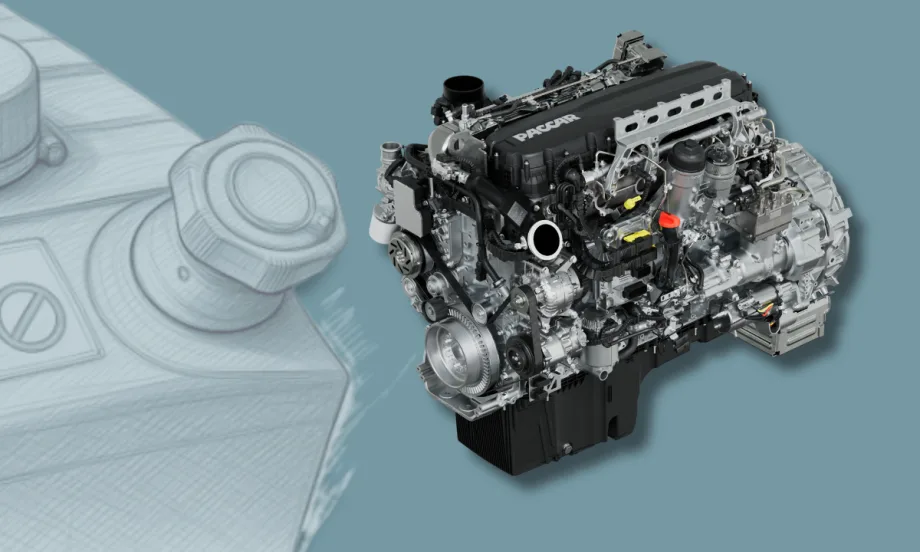
Diesel exhaust fluid is used in selective catalytic reduction technology to convert nitrogen oxides (NOx) into nitrogen and water, helping meet EPA emissions standards.
Credit:
HDT Graphic/Paccar
3 min to read
- Cummins and Paccar have adjusted their diesel engine software following new guidance from the EPA.
- The updated software allows truck operators extended time to solve emissions-system problems.
- Compliance with EPA emissions standards is maintained under the new adjustments.
*Summarized by AI
Cummins and Paccar announced software changes to their diesel engines to allow truckers to continue to operate longer after a truck’s sensors have determined an empty diesel exhaust fluid tank or other emissions system problems.
They join Daimler Truck North America, which recently announced changes to Detroit engines, in making changes to reflect revised Environmental Protection Agency guidance on DEF inducements.
Diesel exhaust fluid is used in selective catalytic reduction technology to convert nitrogen oxides (NOx) in engine exhaust into nitrogen and water, helping meet EPA emissions standards.
DEF inducements are safeguards that reduce vehicle speed and power when emissions system issues are detected. Common issues include low DEF levels or reduced selective catalytic reduction system performance. They prompt, or "induce," drivers to correct the issue by refilling the DEF tank, repairing faulty sensors, or performing a system regeneration. These are commonly known as "DEF derates."
What EPA Said About DEF Derates
Last August, the EPA announced new guidance for manufacturers to increase the time truckers have to refill the DEF tank or make repairs. The agency also announced that starting with model year 2027, all new diesel on-road trucks must be engineered to avoid sudden and severe power loss after running out of DEF.
To address the problem for vehicles already in use, EPA’s guidance allowed necessary software changes to be made to the existing fleet.
In February, the EPA asked diesel engine makers to provide information about diesel exhaust fluid system failures.
Manufacturers emphasized that the trucks are still subject to EPA emissions requirements, including the requirement that repairs to emissions components must be made when needed to maintain compliance.
DEF is still required for the emissions system to operate properly, and DEF-level inducement steps based on remaining tank level remain in place, Cummins explained.
These updates are intended to provide additional operational flexibility while maintaining emissions system requirements.
Cummins Updates Engine Calibrations
Cummins announced it has begun updating certain engine calibrations to give operators more time to complete needed repairs and help minimize unnecessary downtime related to diesel exhaust fluid (DEF) inducements.
The company noted that the updates continue to support emissions compliance and the performance of selective catalytic reduction technology.
The revised calibrations increase the amount of time before certain DEF-related inducements occur and increase final inducement speeds in certain circumstances.
“We appreciate EPA’s engagement with industry stakeholders and view the revised guidance as an important step toward addressing customer concerns in a practical, compliance-focused way,” said Brett Merritt, vice president and president, Engine Business.
“Cummins has acted to support reliable implementation of these updates, help customers and operators reduce unnecessary downtime, and continue to meet emissions requirements.”
For heavy-duty truck and tractor engines, the updates extend the time to initial and subsequent derate events for certain tampering and DEF quality conditions and increase final derate speed from 5 mph to 25 mph
Cummins has already begun offering revised calibrations for over 1.5 million engines in medium and heavy-duty trucks, including certain truck applications dating back to model year 2017.
Customers may contact their local Cummins distributor or dealer to schedule available updates.
Paccar Updates MX-11 and MX-13 Engine Software
Paccar announced that Kenworth and Peterbilt will implement updated software for vehicles equipped with Paccar’s MX-11 and MX-13 engines.
In alignment with the EPA's guidance, Paccar said, these updates are designed to reduce unnecessary disruptions to truckers’ operations by:
- Having the final inducement speed limit increased from 5 mph to 25 mph
- Extending the timeline from 4 to 160 hours for component-related or fluid-quality issues before reaching final inducement speed limit
Trucks manufactured after July 20, 2026, will have the software installed at the factory. Trucks built after 2018 will be available for these software updates at Kenworth and Peterbilt dealerships.
More Equipment
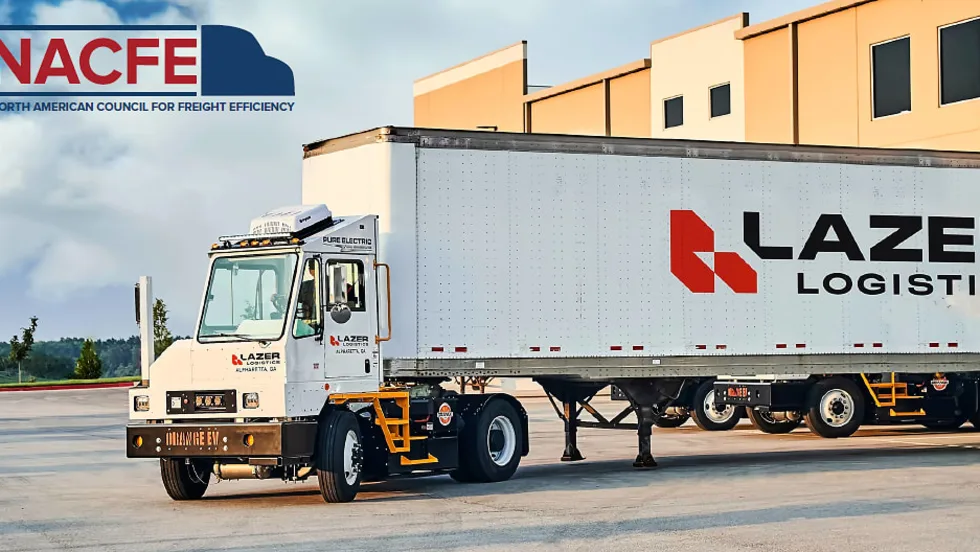
Electric Yard Tractors Move Beyond Pilots
Operating-cost savings have overtaken sustainability goals as the leading reason surveyed fleets are adopting battery-electric terminal tractors, according to new NACFE research.
Read More →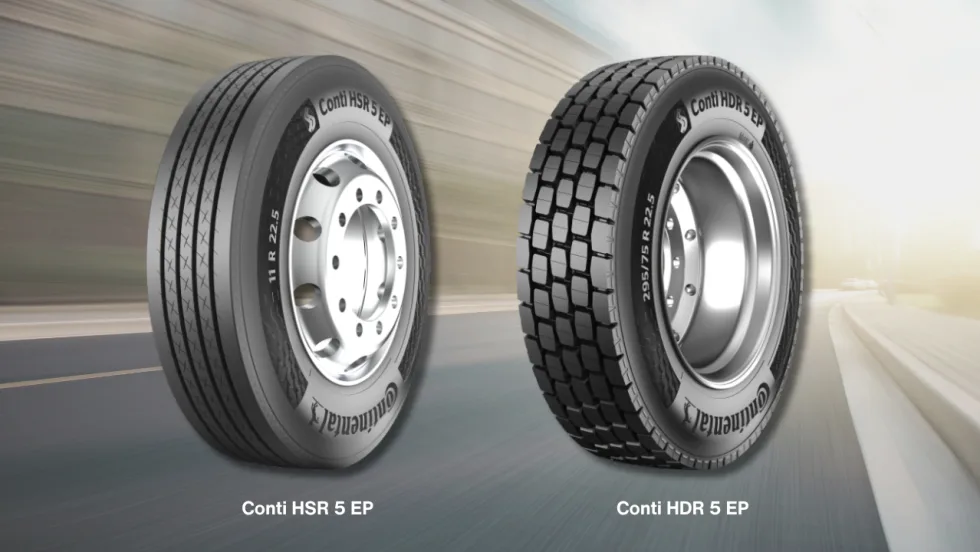
Continental Introduces New Regional Truck Tires
Continental says its new Generation 5 steer and drive tires for regional operations offer longer tread life, with estimated mileage gains of 22% and 19%, respectively.
Read More →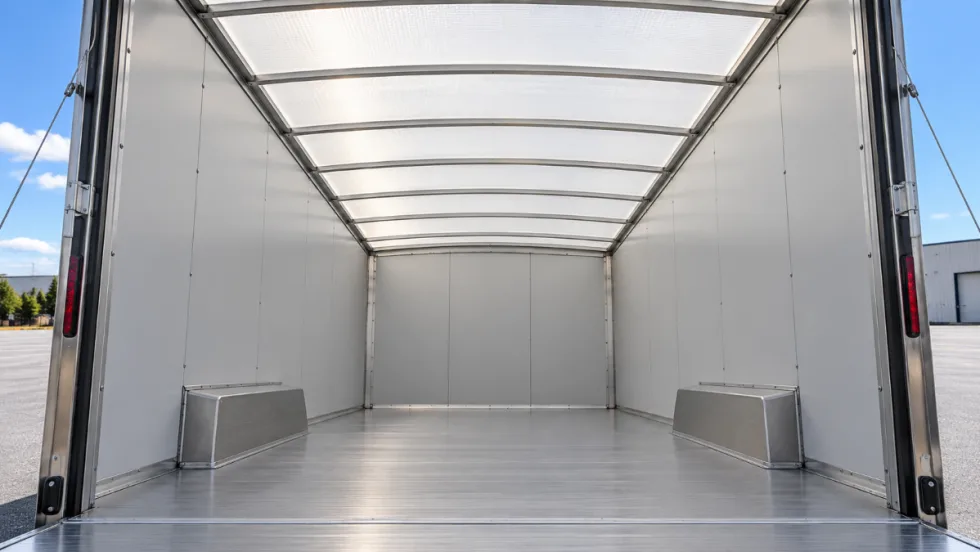
Tekmodo Introduces CargoBright Brand for Translucent Trailer Roofs
CargoBright is designed to diffuse daylight across the cargo area while performing as a working vehicle roof.
Read More →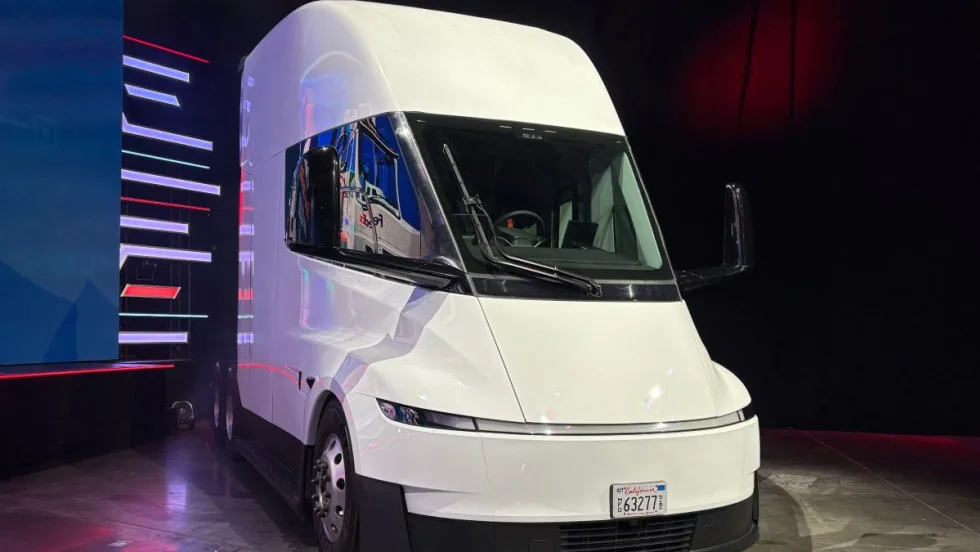
Fleet Economics Shape Electric Truck Outlook
ACT Research expects costs, charging infrastructure, and technology improvements to drive zero-emission commercial vehicle adoption as federal regulations and incentives retreat.
Read More →
Kodiak Targets Dallas–Houston for Driverless Trucks
The company says its autonomous trucks are completing the I-45 run without a safety observer taking control. It plans to remove the observer by the end of 2026.
Read More →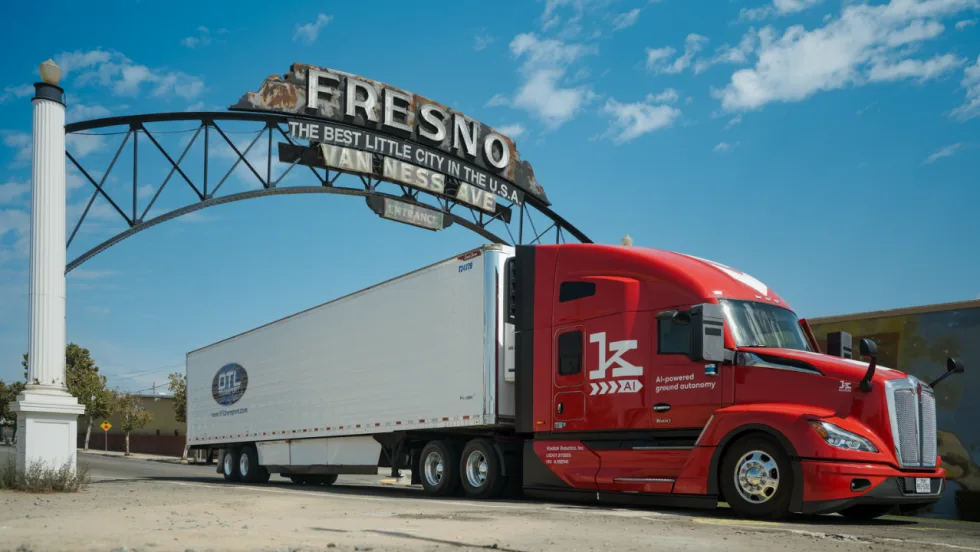
Kodiak Hauls Produce in California Autonomous Truck Pilot
Kodiak AI and DTL Transport have begun hauling produce between Fresno and Los Angeles under California’s new rules for testing heavy-duty autonomous trucks. A safety driver remains behind the wheel.
Read More →
Used-Truck Remarketing Math Is Changing
Used-truck value is no longer just a concern at trade-in. Decisions made throughout a truck’s first life can influence what it’s worth years later.
Read More →
How Volvo Updated Its D13 for EPA 2027 [Watch]
Volvo’s updated D13 promises lower emissions without sacrificing performance or fuel economy. Take a closer look at what changed inside the engine in this HDT Spotlight video.
Read More →
Michelin Tire Improves Efficiency and Durability for Regional Fleets
The Michelin X Multi Energy D2 is a regional haul drive tire engineered to help fleets improve fuel efficiency, durability and traction in demanding stop-and-go operations.
Read More →
ZF Expands Commercial Vehicle Push in North America
ZF is expanding its North American commercial-vehicle presence with new transmission applications, electrification, trailer technology and autonomous-driving systems.
Read More →